
ᐅ Is the plaster still too wet, or has it already dried to the normal level?
Created on: 20 Jan 2018 17:22
3
305er
Hi, the interior plastering of our new build made from Ytong was completed on 10.10.17.
On 23.10., the cement screed was installed with an added fast-drying agent. According to the screed installer, it can be covered after 14 days.
Now it is the end of January, and in some rooms on the upper floor, certain spots are still damp.
After Christmas, we used a construction dryer for 10 days, which extracted about 1-1.5 liters per hour.
We have been ventilating regularly.
The floor heating drying program never ran properly before, but it is finally working continuously now.
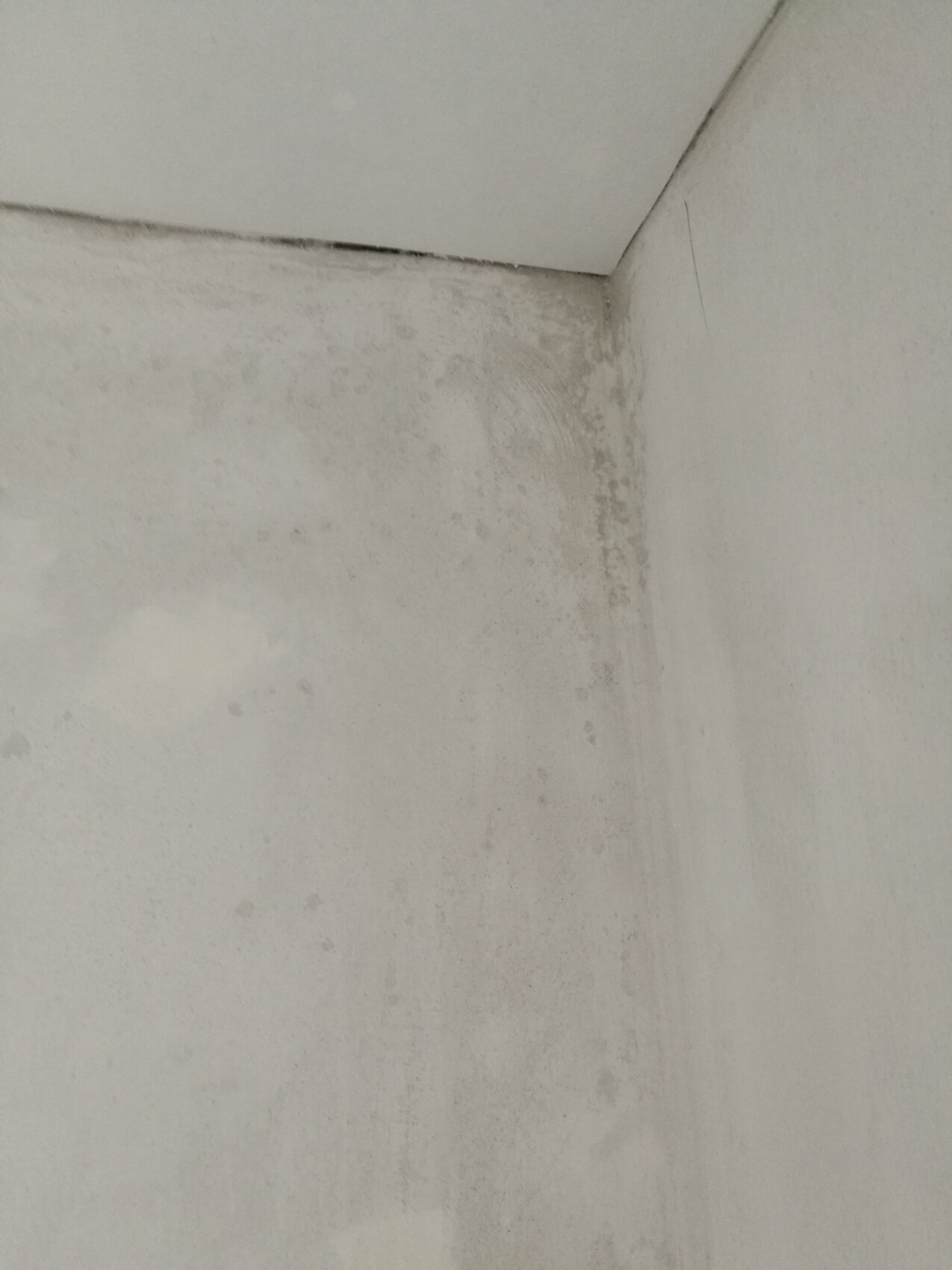
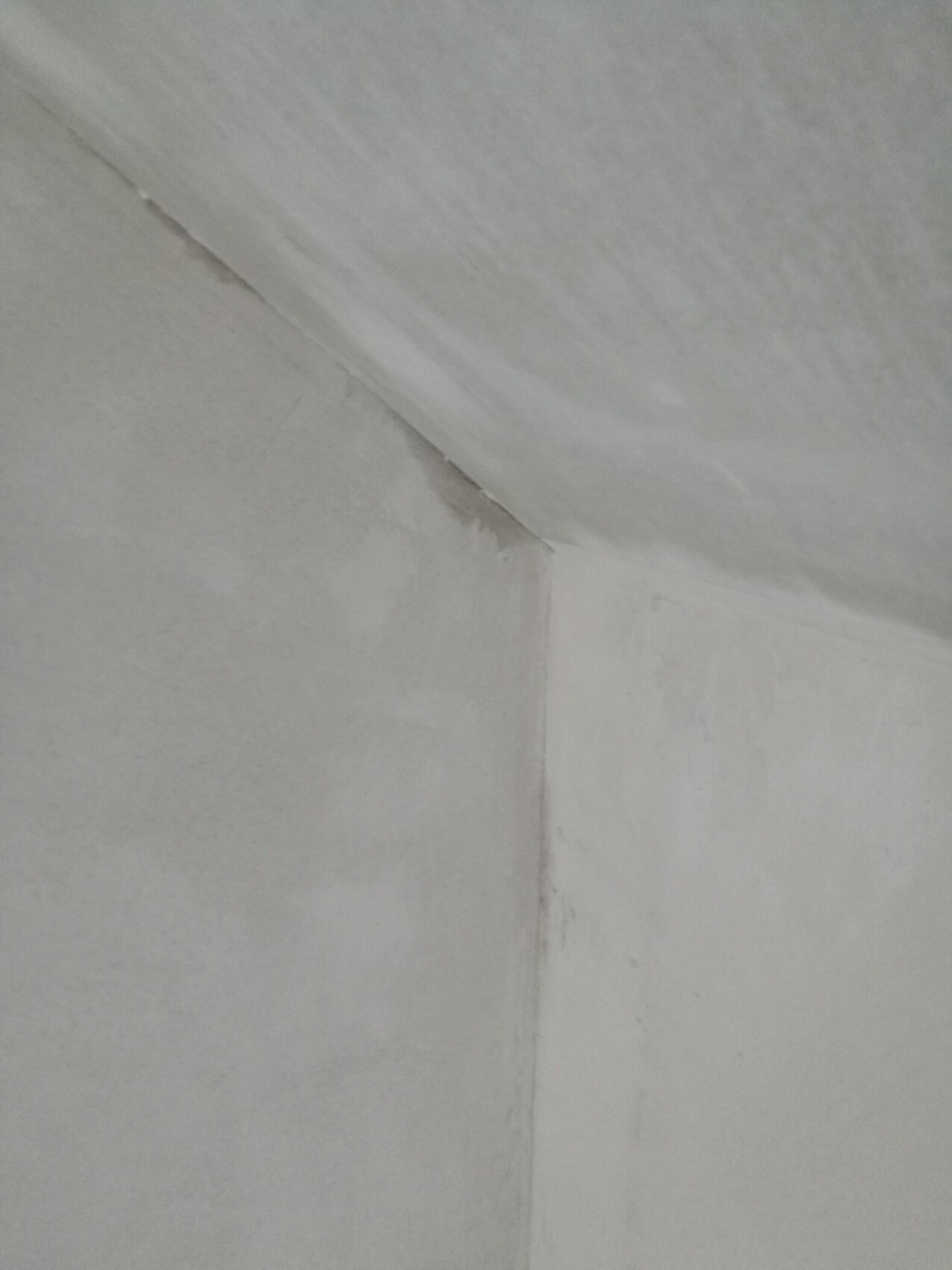
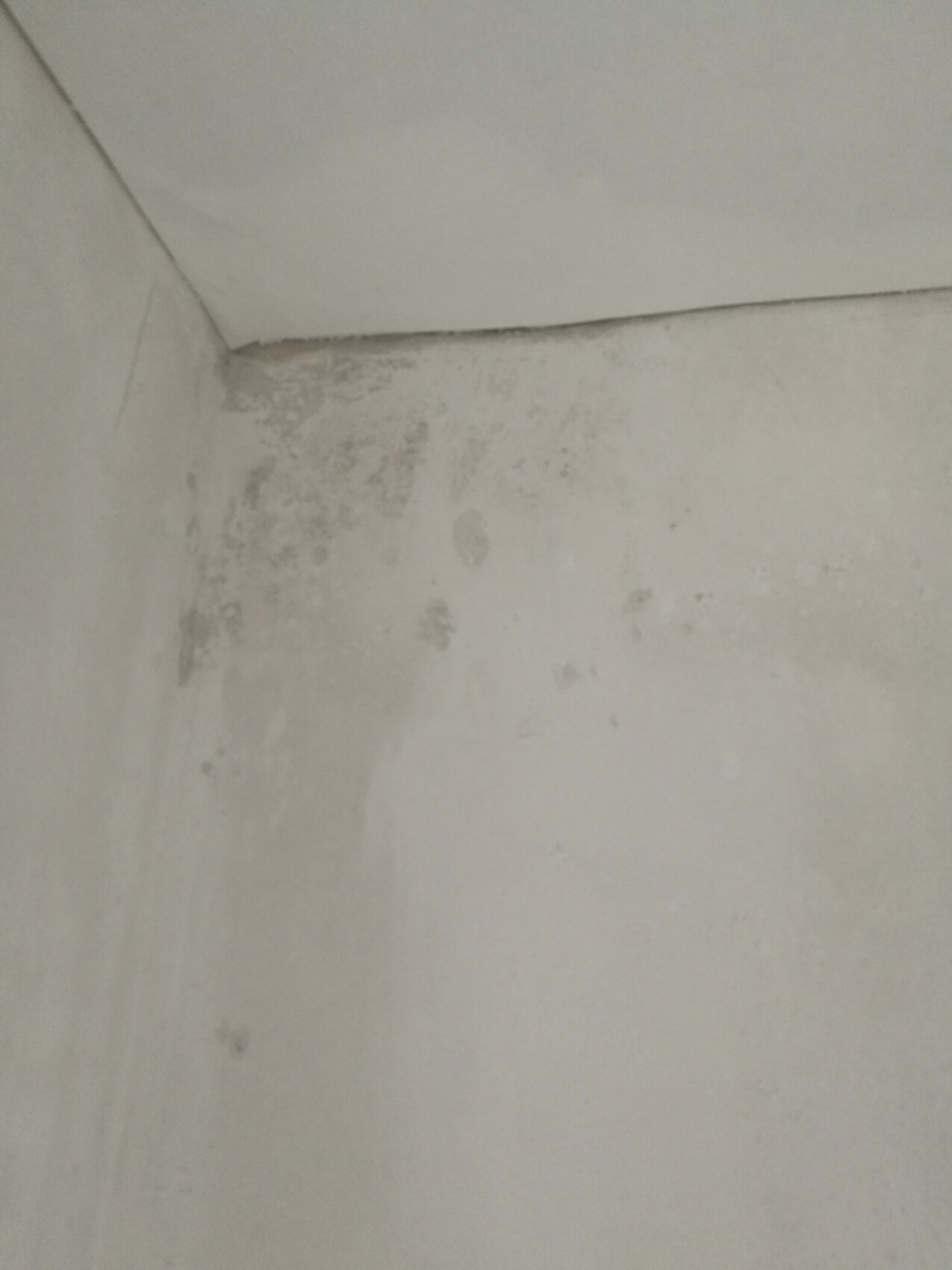
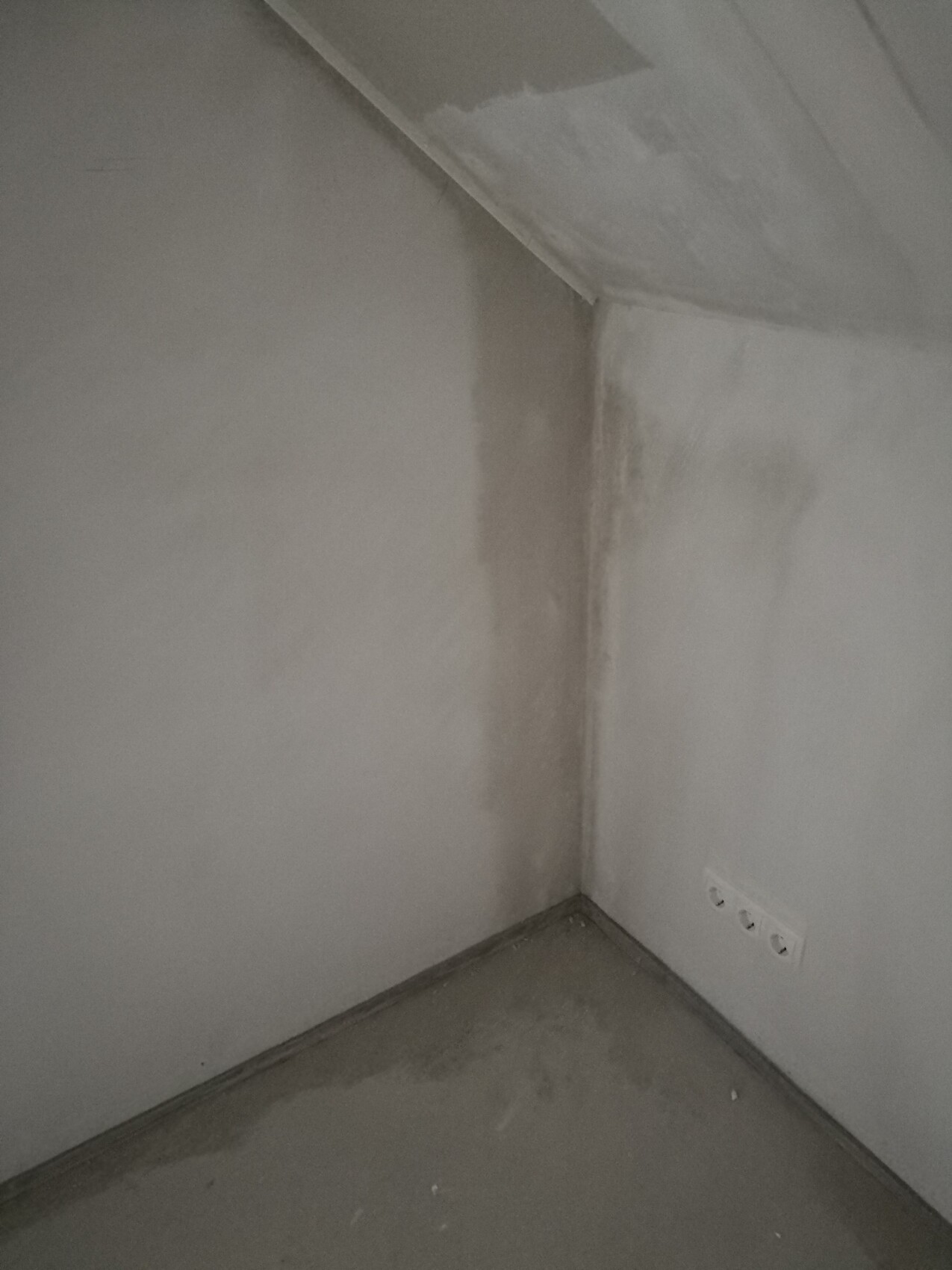
It was assumed the walls were dry, but when the underfloor heating was heated again to 35°C (95°F), the same areas were damp the next day.
One spot/corner sounds hollow when tapped near the dry area.
Is this still normal for these spots due to the extreme heat, or do we have a moisture problem?
Our completely useless site manager says it is normal.
The worst areas were before the construction dryer was used.
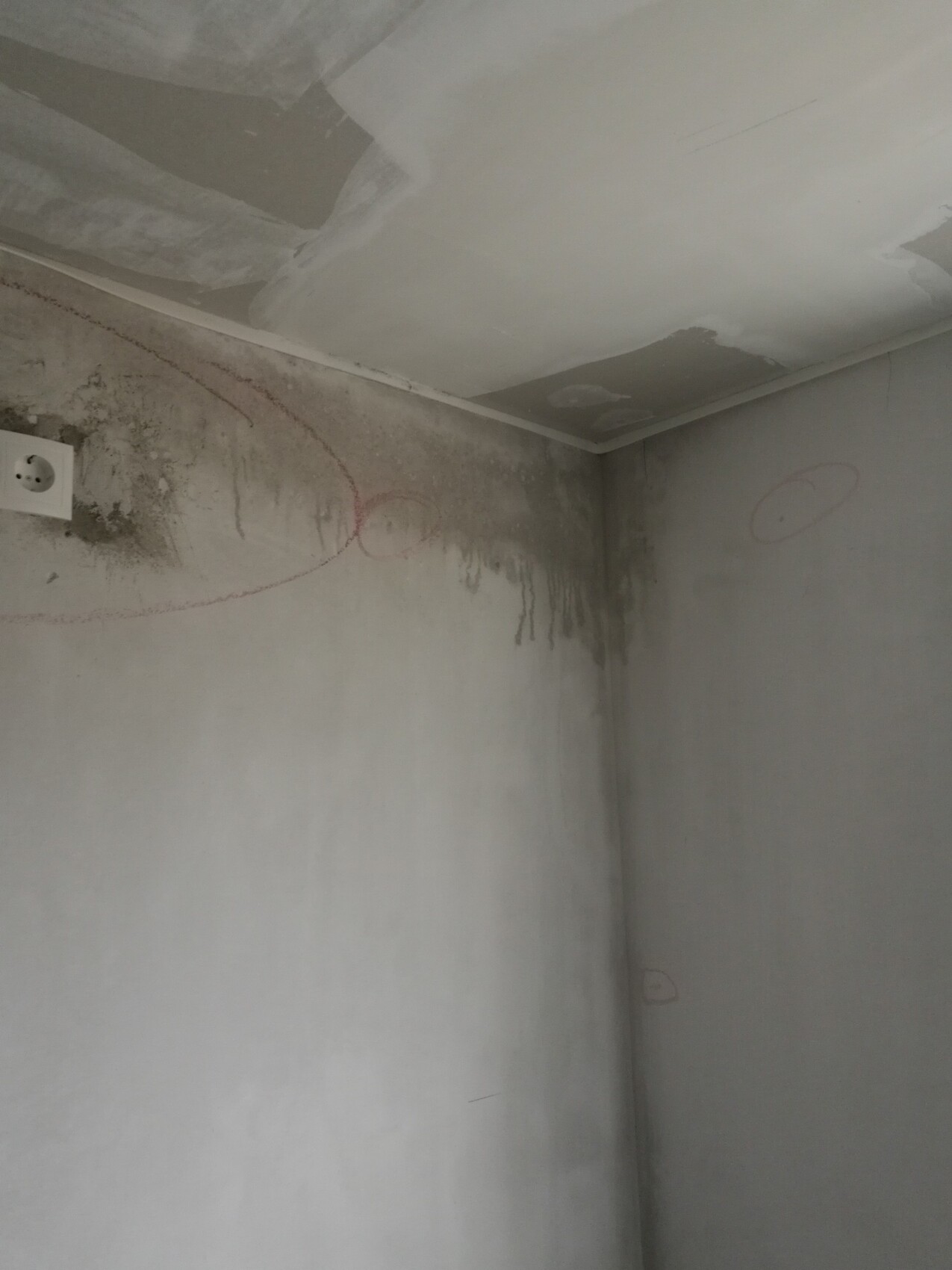
On 23.10., the cement screed was installed with an added fast-drying agent. According to the screed installer, it can be covered after 14 days.
Now it is the end of January, and in some rooms on the upper floor, certain spots are still damp.
After Christmas, we used a construction dryer for 10 days, which extracted about 1-1.5 liters per hour.
We have been ventilating regularly.
The floor heating drying program never ran properly before, but it is finally working continuously now.
It was assumed the walls were dry, but when the underfloor heating was heated again to 35°C (95°F), the same areas were damp the next day.
One spot/corner sounds hollow when tapped near the dry area.
Is this still normal for these spots due to the extreme heat, or do we have a moisture problem?
Our completely useless site manager says it is normal.
The worst areas were before the construction dryer was used.
B
Baumfachmann21 Jan 2018 23:29Do not debate, get an expert assessment


Hello
If you can be sure that no water is entering the building,
follow Yilmaz’s advice.
Set up heaters, dryers, and just as importantly, ventilation fans.
You can also rent equipment, for example from Boels.
However, do this not just for 1-2 days, but for a significantly longer period.
Olli
If you can be sure that no water is entering the building,
follow Yilmaz’s advice.
Set up heaters, dryers, and just as importantly, ventilation fans.
You can also rent equipment, for example from Boels.
However, do this not just for 1-2 days, but for a significantly longer period.
Olli
B
Baumfachmann22 Jan 2018 00:00Hi, you are paying a lot of money here and I don’t want to scare you, but this is not normal. At this stage of construction, it should be easy to fix. I have often been called only after everything was completed, and then it often becomes problematic. Just get an expert to assess the situation, and then you will have certainty. It is your money and your house. It does not necessarily have to be poor workmanship.
Hi, almost everything is finished on our end as well. Only the bathrooms, interior doors, and the staircase are still missing.
The painter’s fleece is already hanging on the ceiling, and the painters will start applying filler in the next few days.
The problem is that apparently the term “expert” is not protected, and anyone can call themselves that.
Don’t you think this is simply related to the heating system? The underfloor heating warm-up program runs up to 45°C (113°F), everything is closed and sealed, so it’s obvious that it gets very warm (and humid?) inside.
The painter’s fleece is already hanging on the ceiling, and the painters will start applying filler in the next few days.
The problem is that apparently the term “expert” is not protected, and anyone can call themselves that.
Don’t you think this is simply related to the heating system? The underfloor heating warm-up program runs up to 45°C (113°F), everything is closed and sealed, so it’s obvious that it gets very warm (and humid?) inside.
B
Baumfachmann22 Jan 2018 00:51Hiring a publicly appointed expert
Invest a few extra dollars. I’ve seen so many cases myself. Remote diagnoses are tricky, but when it comes to moisture, you shouldn’t take any risks. Often, it’s really just minor issues. What you see on TV is not uncommon. My question often was: why did they wait so long?
Invest a few extra dollars. I’ve seen so many cases myself. Remote diagnoses are tricky, but when it comes to moisture, you shouldn’t take any risks. Often, it’s really just minor issues. What you see on TV is not uncommon. My question often was: why did they wait so long?
Similar topics