
Hello everyone.
I need your collective expertise once again.
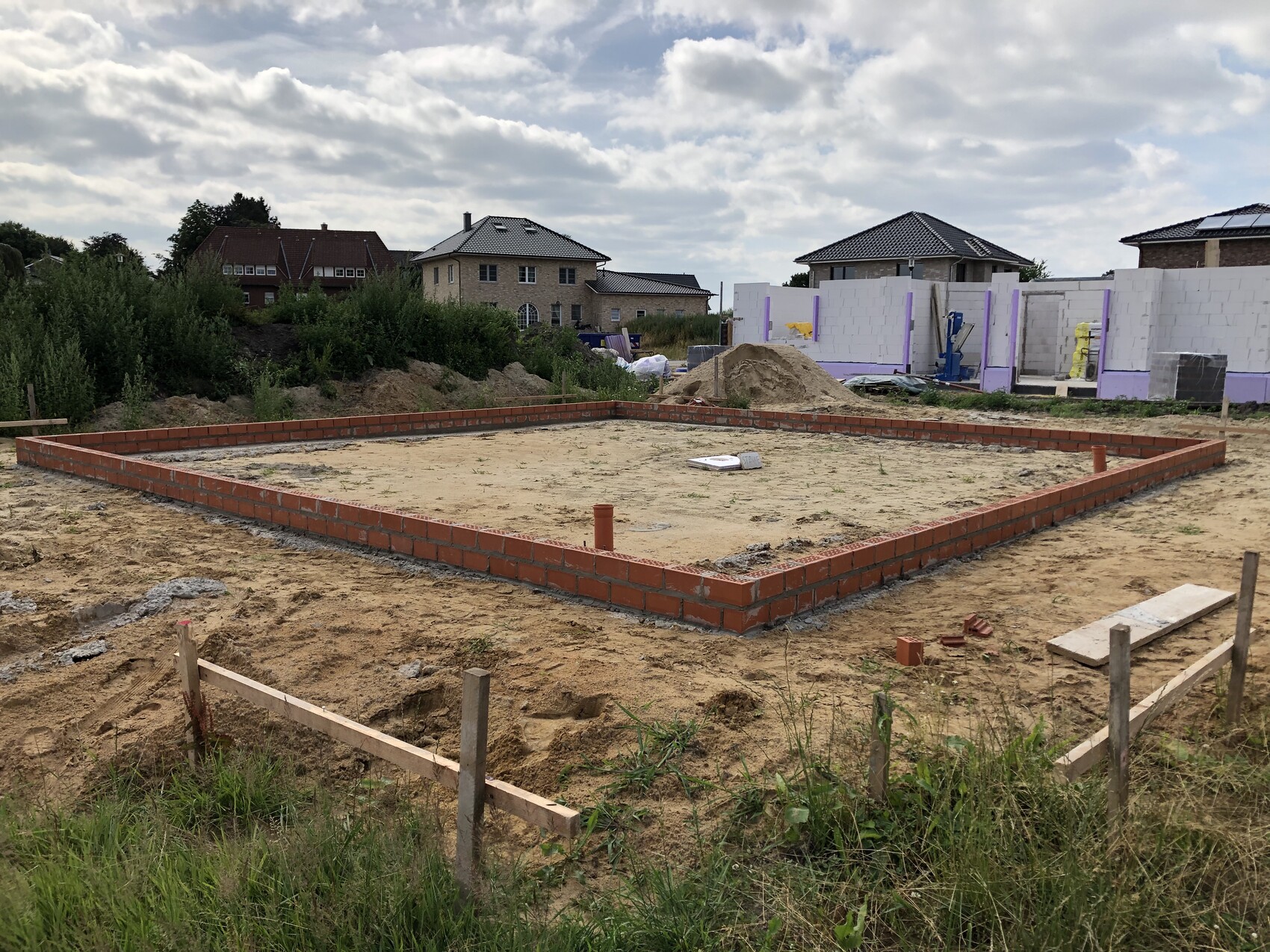
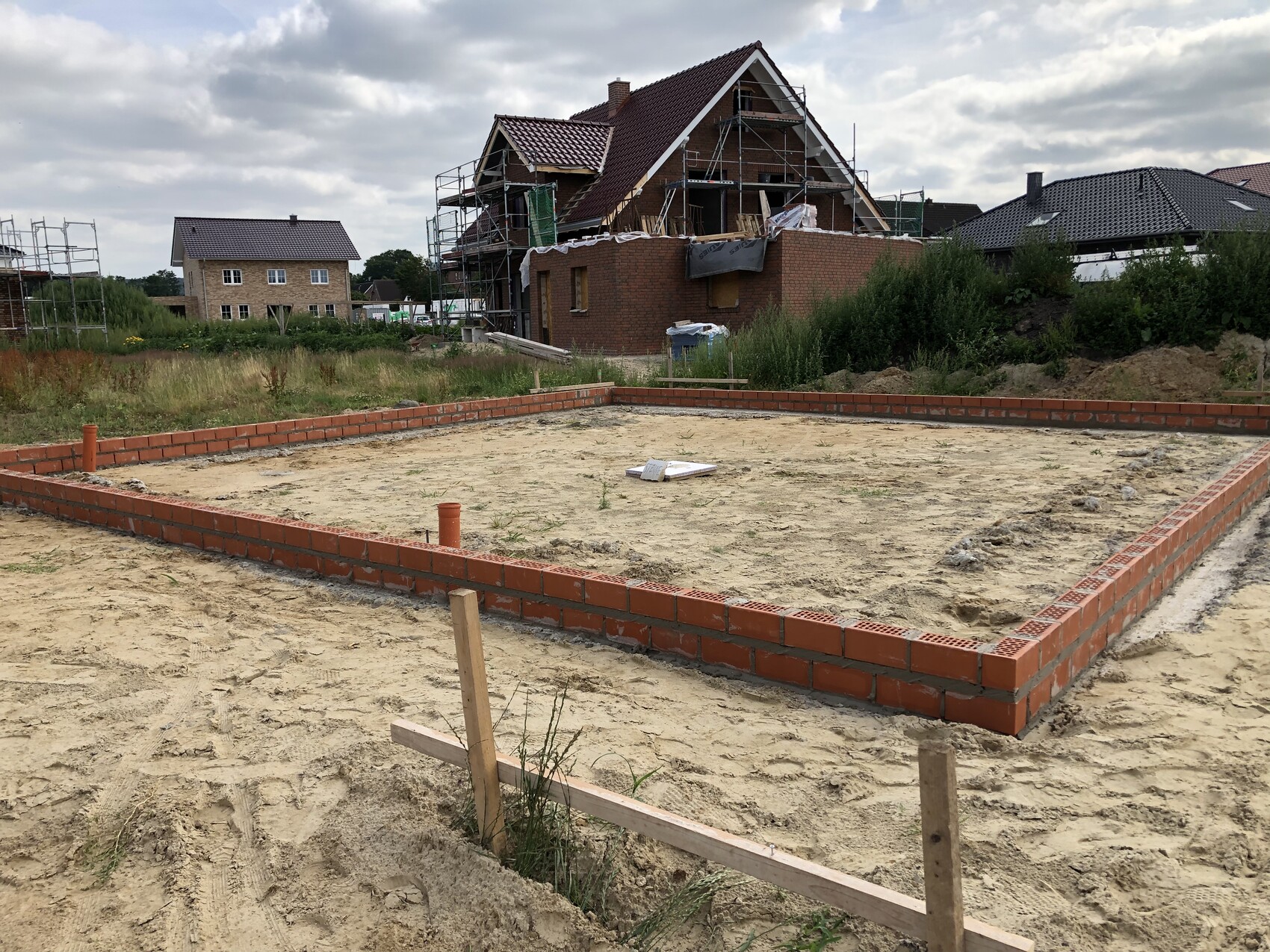
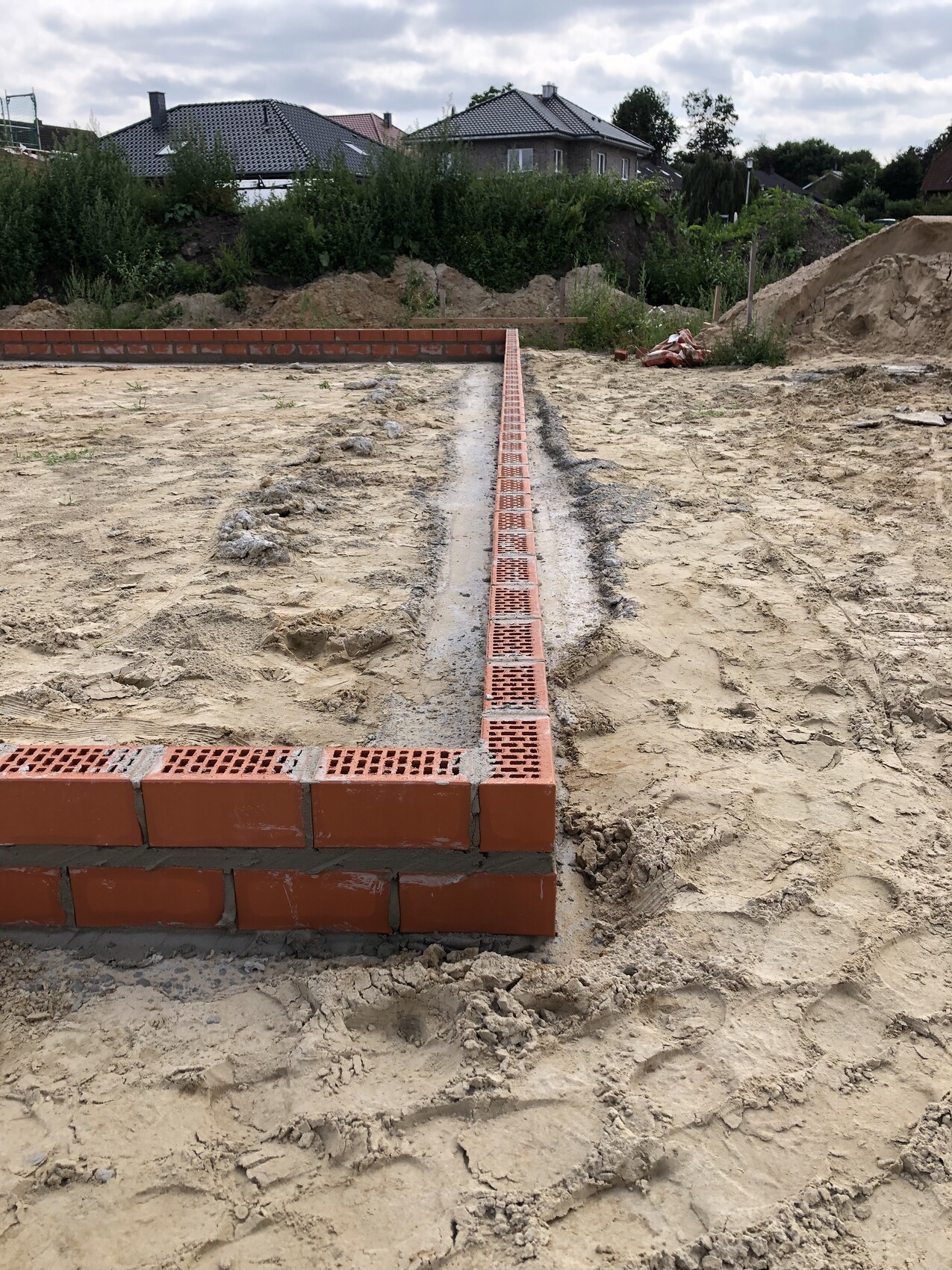
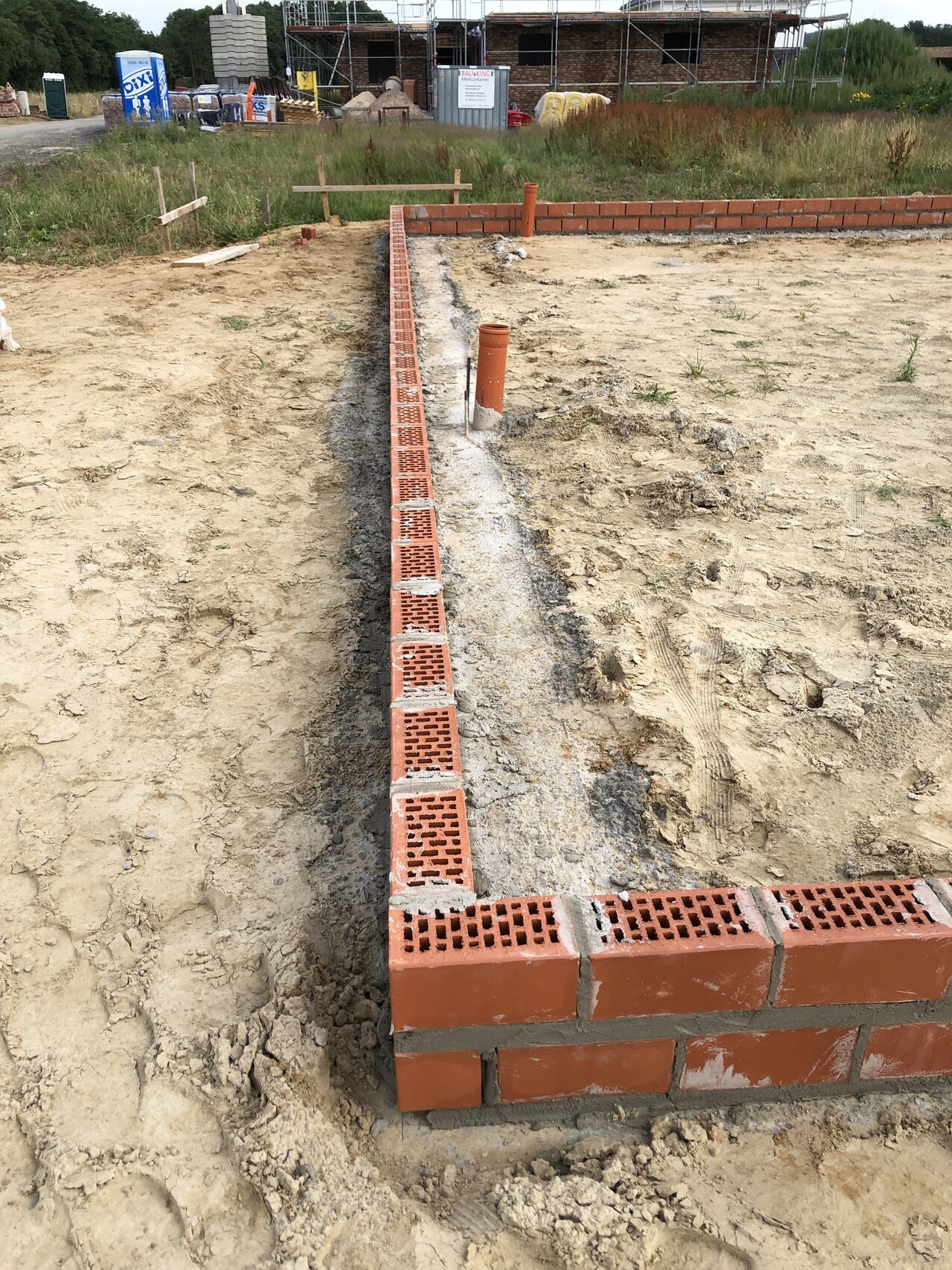
Today I visited the construction site to check the formwork of the foundation slab and found the following...
Is this normal? Is this an acceptable method? As soon-to-be homeowners, could this pose any disadvantages or maybe even advantages for us?
I would really appreciate any insights or experiences you can share.
I need your collective expertise once again.
Today I visited the construction site to check the formwork of the foundation slab and found the following...
Is this normal? Is this an acceptable method? As soon-to-be homeowners, could this pose any disadvantages or maybe even advantages for us?
I would really appreciate any insights or experiences you can share.
This question naturally comes up for me as well. I would like to weigh to what extent I should or must “force” the general contractor to properly comply with the DIN standards, or whether this can be handled through financial deductions. However, I am interested in the consequences, although it is obviously difficult to assess how effective the grounding protection really is if it has not been tested.
In the best case, there is simply no test report and everything would still work? In the worst case, a lightning strike could cause all the electrical systems to fail, and I might also face issues with the insurance?
In the best case, there is simply no test report and everything would still work? In the worst case, a lightning strike could cause all the electrical systems to fail, and I might also face issues with the insurance?

danixf schrieb:
I am also not an electrician who installs house wiring day in and day out, and certainly not someone who works on lightning protection systems. Then you shouldn’t give the impression that, as an industry electrician, you can assess the installation of concrete encased electrodes. That’s how I interpreted the sentence.
For someone who accuses me of rambling about standards, you are a bit too sensitive.
Golfi90 schrieb:
Doesn’t the electrician check whether the grounding is functioning correctly as part of their work?The countless meter registrations in which electricians have blindly certified grounding systems as compliant by just glancing at a piece of steel protruding from the ground leave only three possibilities:- They possess “paranormal” healing abilities
- They do it out of goodwill and fear of losing follow-up contracts, despite knowing better
- They do it unscrupulously because they are not familiar with DIN 18014 and the test report has only been required for 12 years
DIN 18014:2014-03 schrieb:
7 Documentation and Continuity Testing
7.1 General
Before pouring the concrete, an electrician or lightning protection specialist must prepare documentation according to 7.2 and perform a continuity test according to 7.3.An interesting question remains what practical consequences result from a construction that does not comply with the standards. This seems to be practically and commonly relevant, as it apparently rarely meets the standards.
Everyone seems to understand that it does not correspond to the state of the art. But what effects does this have in practice?
I am a layperson, so it would be helpful if this could be explained with simple examples.
Everyone seems to understand that it does not correspond to the state of the art. But what effects does this have in practice?
I am a layperson, so it would be helpful if this could be explained with simple examples.