
Hello everyone.
I need your collective expertise once again.
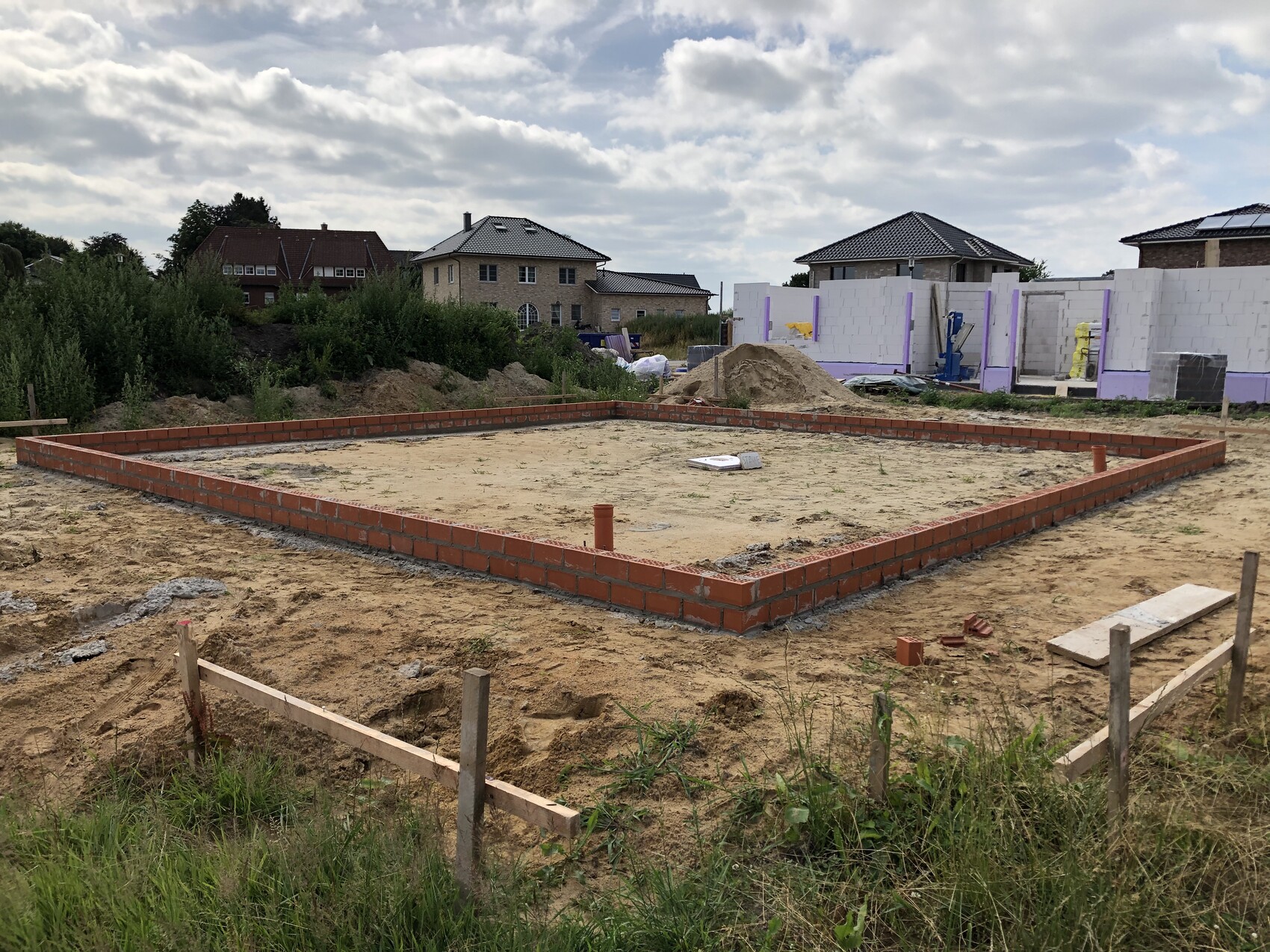
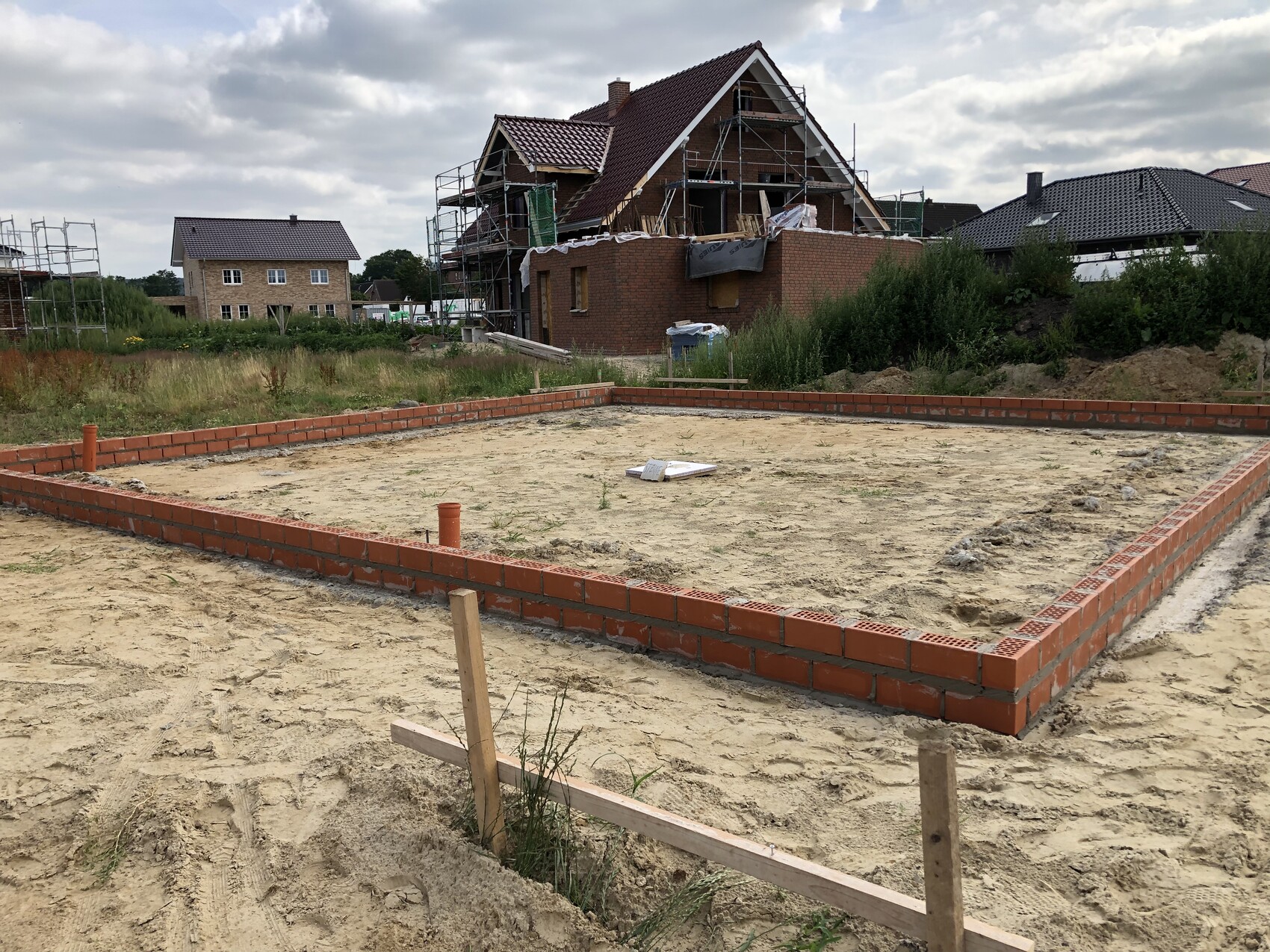
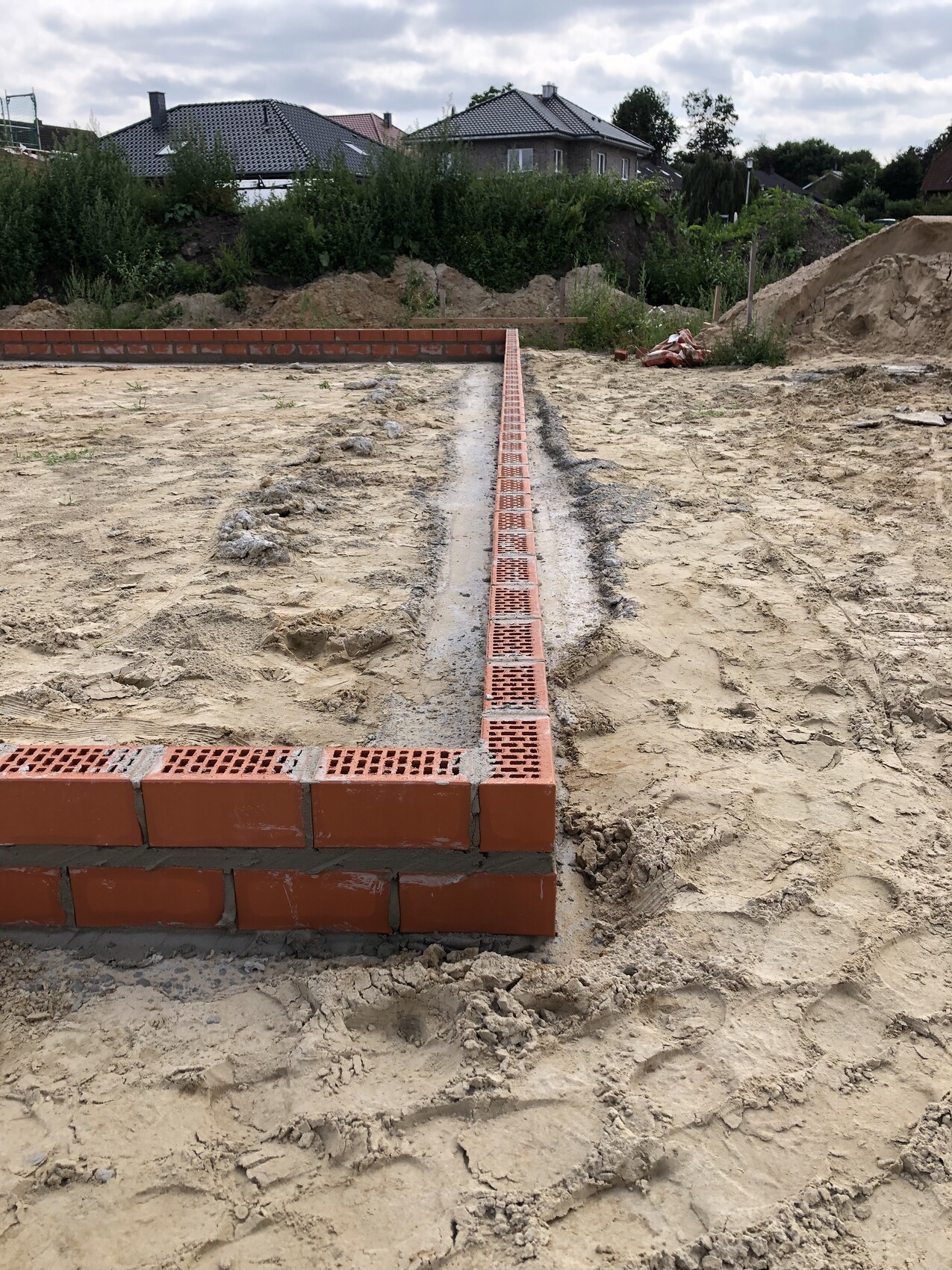
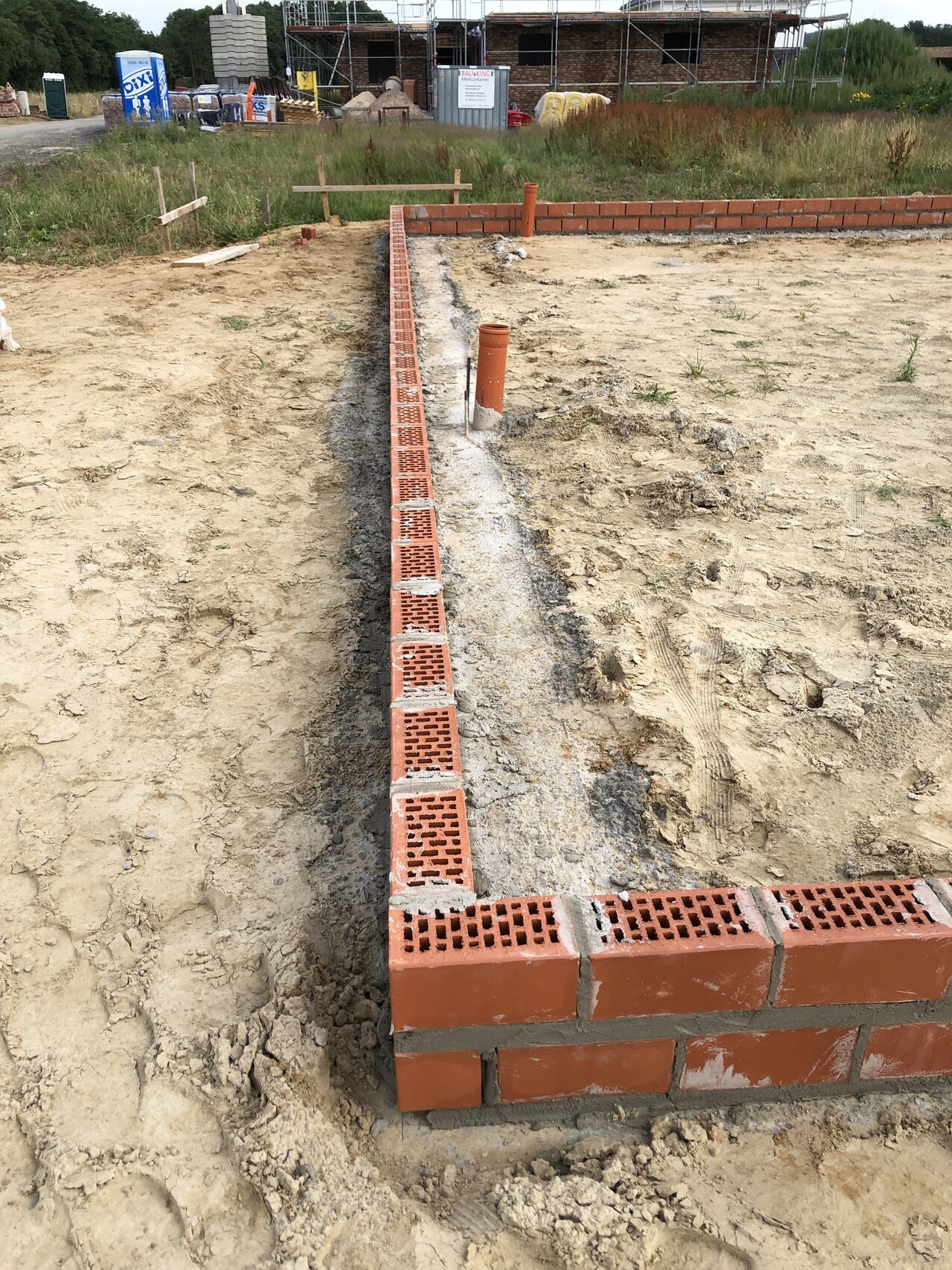
Today I visited the construction site to check the formwork of the foundation slab and found the following...
Is this normal? Is this an acceptable method? As soon-to-be homeowners, could this pose any disadvantages or maybe even advantages for us?
I would really appreciate any insights or experiences you can share.
I need your collective expertise once again.
Today I visited the construction site to check the formwork of the foundation slab and found the following...
Is this normal? Is this an acceptable method? As soon-to-be homeowners, could this pose any disadvantages or maybe even advantages for us?
I would really appreciate any insights or experiences you can share.
Joedreck schrieb:
So much for that.If the gentleman considers himself too good for it... Dipol schrieb:
to ask for an answer in the forum?What is he trying to do? Either you don’t answer at all or you answer properly because you know the answer. And that’s the sad part. You’re not even trying to help him; you just take pleasure in knowing the answer while he doesn’t. Do you want the user to lean over you just to get the answer? You are the biggest whiner I’ve ever come across in any forum.@Joedreck
Basically, if something goes wrong with certain devices, you could be exposed to electric voltage. In plain terms, you could get a shock. And of course, nobody wants that.
As an example, take a typical ceiling light fixture in the living room. It often has a small green-yellow wire connected to the metal housing of the fixture and running through all cables down to the ground. However, if the connection is poor and one of the other wires inside the fixture touches the metal casing, the casing could become live because the built-in safety systems would not trip properly. For this reason, having a very good connection to ground is essential.
In the event of a lightning strike, I assume the risk of damage to electronic devices is higher.
Has any insurance company ever requested a report based on this standard in such a case? Because if that were the case, and I needed the report in an emergency but did not have one, this would be a serious defect for me.
Has any insurance company ever requested a report based on this standard in such a case? Because if that were the case, and I needed the report in an emergency but did not have one, this would be a serious defect for me.
Leo schrieb:
In the event of a lightning strike, I assume the risk of electronic devices being damaged is higher?First of all: not all lightning is the same.The most common lightning strikes in Germany have current strengths around 25 kA, with strikes over 50 kA being only single-digit percentages, but "wild house shakers" (Kachelmann jargon) > 100 kA and extreme lightning strikes > 300 kA, like the one in Menden-Bösperde, also occur.
Direct strikes with a 10/350 µs impulse waveform contain more energy than the resulting surge damage in the vicinity with an 8/20 µs impulse waveform, which, however, cause approximately four times higher total damage costs. Internal lightning protection against surges caused by lightning strikes and also switching operations, which enter via power and telecommunications lines and primarily destroy sensitive electronics, is therefore more urgent than external lightning protection.
Leo schrieb:
Has any insurance ever requested a report based on this standard in such a case? Because if that were the case, and I needed the report but did not have one, that would be a serious defect for me.Reports for foundation/tape earthing of new buildings done by licensed electrical contractors have only been required since DIN 18014:2007-09. I have not heard of any damage case where the insurance requested to see the acceptance report.By the way: For protection against electric shock, as long as the distribution network operator’s PEN conductor is intact, a full equipotential bonding is sufficient. Therefore, in the b.v.s statement on foundation earthing and grounding systems, earthing is only considered necessary for buildings with lightning protection systems and roof antennas.
The fact that the surge protection now mandatory for new buildings according to DIN VDE 0100-443 and -534 requires an earthing system and that lightning currents should be dissipated extensively into the ground is ignored by b.v.s, which is why, as a contractor registered in the craft register for information technology, I do not share the b.v.s view.
Similar topics