
ᐅ Air in Wall Heating Systems – How to Permanently Eliminate It?
Created on: 24 Nov 2021 21:34
O
OWLer
Hello everyone,
My wall heating system from this thread has now been put into operation with our move-in. So far, so good – it gets comfortably warm, but only when there is flow.
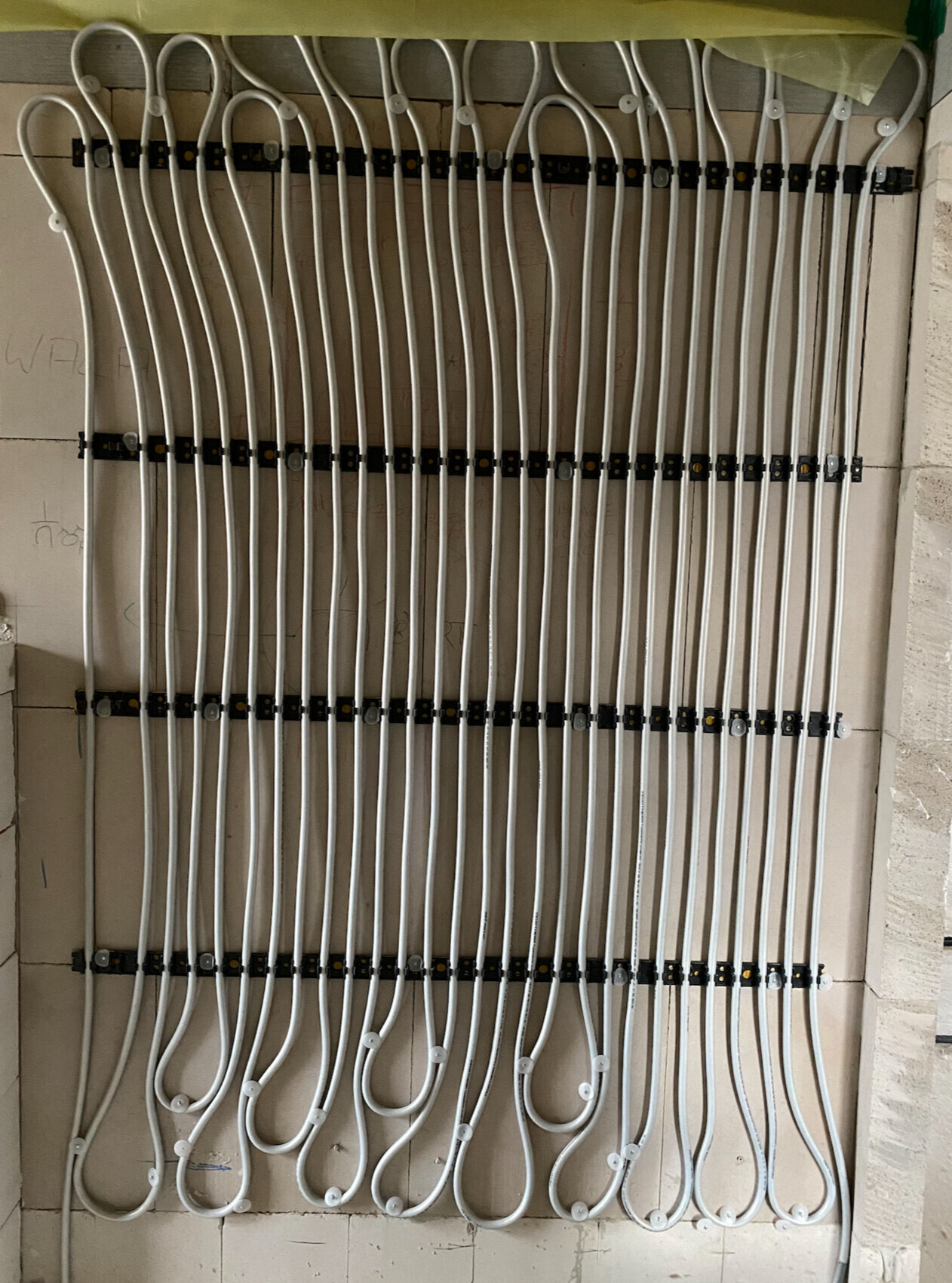
Unfortunately, I notice that this heating circuit gets "blocked" by air about once a day.
What the heating installer has done so far:
What I have been doing so far:
I would have thought that if you push the air elsewhere, it would eventually accumulate again at the highest point—in this case, the pipe bends of the wall heating. Flushing everything should at least help. However, there will still be air trapped in the pump, connectors, and other places, which will eventually gather there again.
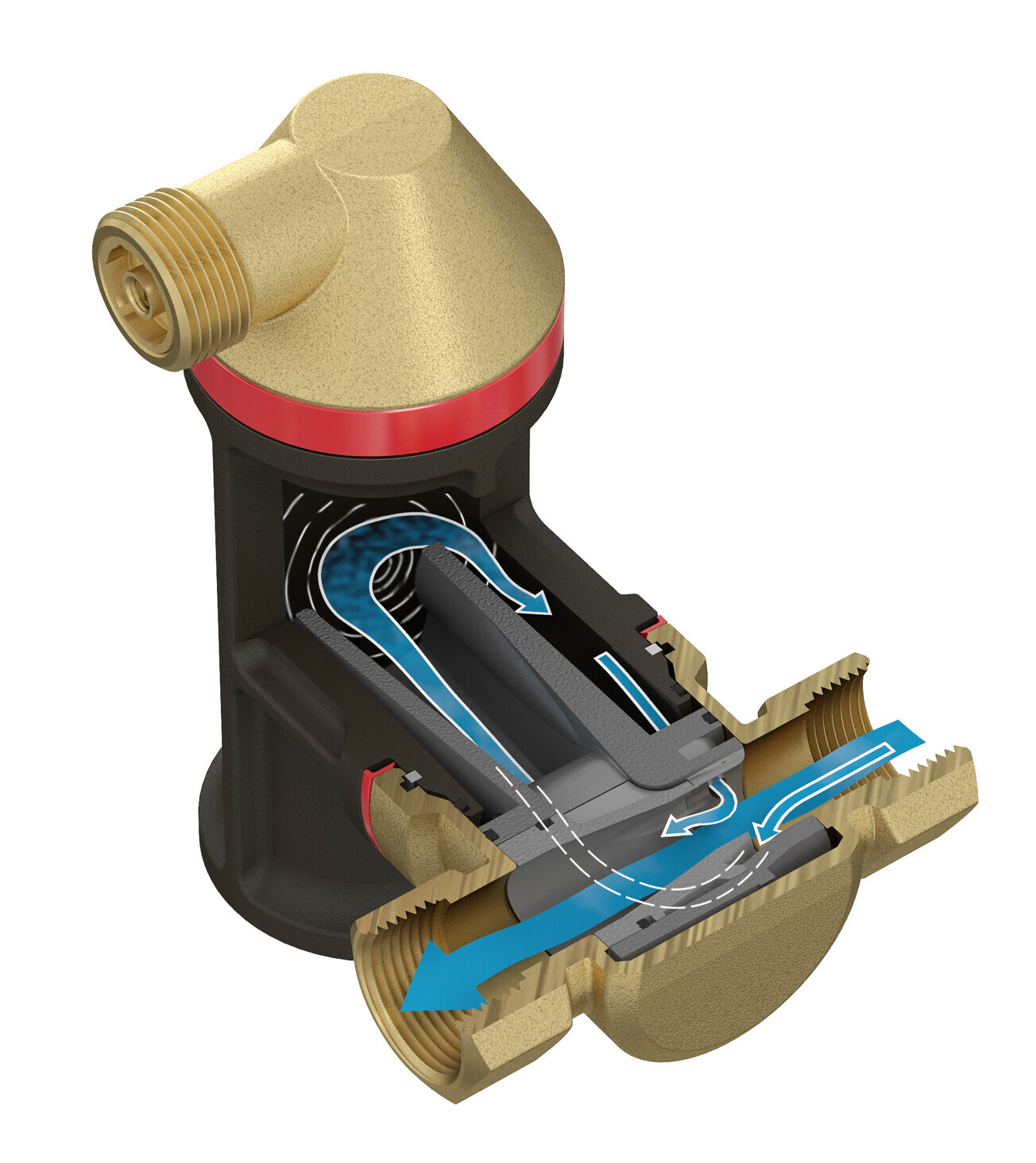
Since I have only installed a dirt separator so far, my next step would be to have a microbubble separator installed in the supply line, for example, a Flamcovent Smart EcoPlus, at my own cost. Of course, I will have everything flushed under warranty beforehand.
Would this approach work? The individual heating circuits can be closed at the hydraulic separator, so water loss from opening the hydraulic connections should be limited. Alternatively, I would accept the unpleasant effort of completely flushing and refilling everything. But only if the microbubble separator reliably captures and vents the air on its way up. I’m not so sure if just a complete flush is enough. Over the years, the system will always draw in or release gases somehow.
Do you have tips or experience with this?
My wall heating system from this thread has now been put into operation with our move-in. So far, so good – it gets comfortably warm, but only when there is flow.
Unfortunately, I notice that this heating circuit gets "blocked" by air about once a day.
What the heating installer has done so far:
- Flushed the entire hydraulic separator (HKV) twice at the top
- Scratched the head to figure out where the air might be coming from
- Suspected it might be because I deactivated the automatic air vents (ERR), so other heating circuits never close to "flush through"
What I have been doing so far:
- Monitoring
- Initially, there was a lot of air in the system. The entire hydraulic separator was bubbling and hissing. This was flushed out.
- After that, some calm, but also quite high outside temperatures. Adjusted flow rates, heating curve, etc., throughout the house. Complaint that the heating circuit again has no flow.
- Usually no noises after the second flush.
- However, once a day, I have to close all heating circuits at the top except for the wall heating to "push the air out" again. This works somewhat.
- Over 12-24 hours, the air seems to circulate again until it blocks the heating circuit once more.
- Contacted the general contractor, expressed my dissatisfaction, and demanded a full flushing and venting of the entire system.
I would have thought that if you push the air elsewhere, it would eventually accumulate again at the highest point—in this case, the pipe bends of the wall heating. Flushing everything should at least help. However, there will still be air trapped in the pump, connectors, and other places, which will eventually gather there again.
Since I have only installed a dirt separator so far, my next step would be to have a microbubble separator installed in the supply line, for example, a Flamcovent Smart EcoPlus, at my own cost. Of course, I will have everything flushed under warranty beforehand.
Would this approach work? The individual heating circuits can be closed at the hydraulic separator, so water loss from opening the hydraulic connections should be limited. Alternatively, I would accept the unpleasant effort of completely flushing and refilling everything. But only if the microbubble separator reliably captures and vents the air on its way up. I’m not so sure if just a complete flush is enough. Over the years, the system will always draw in or release gases somehow.
Do you have tips or experience with this?
R
RotorMotor24 Nov 2021 22:29I think it is normal for the "heating water" to release some gas in the first few weeks.
The question is, how does this gas leave the system?
Do the thermostatic radiator valves (TRVs) have air vents? Or are there vents in the hydraulic circuit?
Flushing the system with fresh water does not seem like a good solution, because this would reintroduce just as much gas/air into the system as it removes.
So, I believe a good solution is to run the ERR for a few days or weeks with enough pressure to keep the circulation moving. This prevents air bubbles from accumulating and allows them to be vented appropriately through the TRVs or the hydraulic system.
The question is, how does this gas leave the system?
Do the thermostatic radiator valves (TRVs) have air vents? Or are there vents in the hydraulic circuit?
Flushing the system with fresh water does not seem like a good solution, because this would reintroduce just as much gas/air into the system as it removes.
So, I believe a good solution is to run the ERR for a few days or weeks with enough pressure to keep the circulation moving. This prevents air bubbles from accumulating and allows them to be vented appropriately through the TRVs or the hydraulic system.
I have installed two quick air vents in the system. Unfortunately, they are positioned exactly where the flow velocity is highest and only water comes through. These "vent nipples" on the thermostatic radiator valves (TRVs) are constantly submerged in water. From my previous experience, you turn the valve on the radiator, and after a few seconds the air escapes, then you close it again when water appears. However, at the TRV, water appears immediately and in large amounts. That really surprised me. 😀
I assume the air is trapped somewhere in the several hundred meters of underfloor heating piping and is continuously circulated until it accumulates at the highest point — the wall heating. What I don’t quite understand is why the air doesn’t collect in the return buffer tank when I push it out again.
When I search online about wall heating and air, opinions immediately appear stating that the heating system must be completely sealed, and that the installer must flush the system thoroughly. In addition, degassing can be managed with the microbubble separator. The problem is that I currently have macro bubbles in the system. I want to permanently solve the issue, not have the heating specialist come every two years to flush it.
Personally, I find repeatedly pumping the air out as unproductive. It actually takes eight circuits open (tested at the TRV) to pump the air out. According to the design of my underfloor heating system in NAT mode, this should never happen. In winter, when I need the wall heating the most, it would therefore not function properly.
Does anyone in this forum have practical experience with wall heating systems or these types of separators?
I assume the air is trapped somewhere in the several hundred meters of underfloor heating piping and is continuously circulated until it accumulates at the highest point — the wall heating. What I don’t quite understand is why the air doesn’t collect in the return buffer tank when I push it out again.
When I search online about wall heating and air, opinions immediately appear stating that the heating system must be completely sealed, and that the installer must flush the system thoroughly. In addition, degassing can be managed with the microbubble separator. The problem is that I currently have macro bubbles in the system. I want to permanently solve the issue, not have the heating specialist come every two years to flush it.
Personally, I find repeatedly pumping the air out as unproductive. It actually takes eight circuits open (tested at the TRV) to pump the air out. According to the design of my underfloor heating system in NAT mode, this should never happen. In winter, when I need the wall heating the most, it would therefore not function properly.
Does anyone in this forum have practical experience with wall heating systems or these types of separators?
B
Benutzer20025 Nov 2021 09:22OWLer schrieb:
Does anyone in this forum have practical experience with wall heating systems or these separators?I was advised against microbubble separators because they cost money and don’t provide any real added value.I also had a lot of air in the system at the beginning. Advice from my heating supplier: keep the system pressure at least 2.5 bar up to 3 bar. Run the air-bleeding program for a long time.
Result: No air in the system for months.
Whether this is transferable from a standard underfloor heating system with a Panasonic monoblock to your system, I can’t say. But it’s worth a try.
R
RotorMotor9 Dec 2021 09:56Were you able to remove the air yourself by now, or did it have to be flushed again?
Similar topics