
R
Reini12349 Jan 2020 10:14Hello everyone,
The interior doors have been installed in our new house. The measurements were taken before the tiler came. The walls were then tiled up to halfway, which meant that the door frame no longer fit because it was too narrow. The installer planed part of the door jamb but couldn’t go further due to stability concerns.
Now we have a large gap between the door frame and the wall. This is a disaster in terms of soundproofing, and any door installed would have the same problem. The company refuses to replace it, saying the fault lies with us. Regardless of who is to blame, I will take care of it myself.
How can I improve the sound insulation? Should I install a joint seal profile and seal it with silicone (see pictures)? Additionally, should I foam the entire area with expanding foam or something similar?
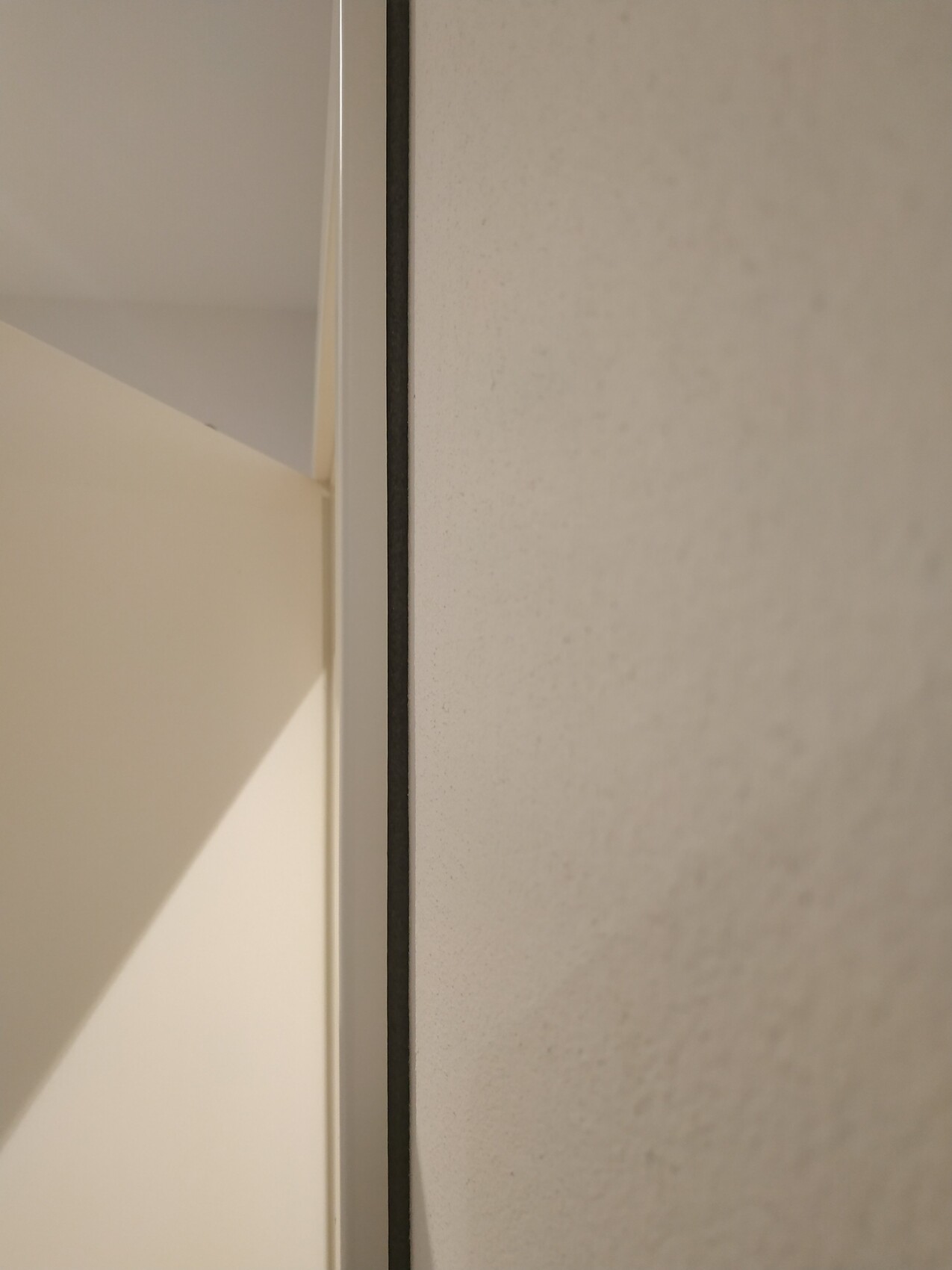
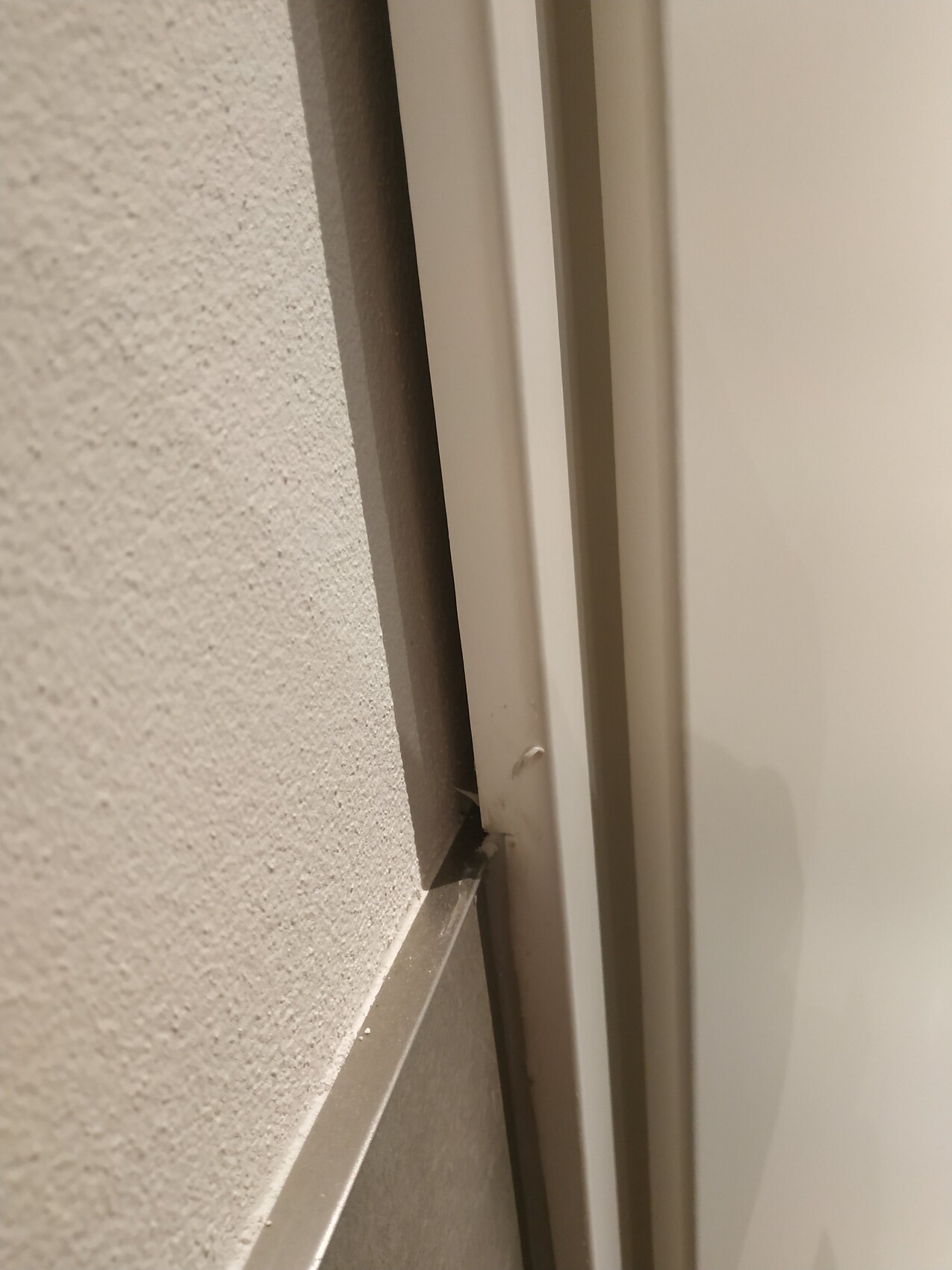
The interior doors have been installed in our new house. The measurements were taken before the tiler came. The walls were then tiled up to halfway, which meant that the door frame no longer fit because it was too narrow. The installer planed part of the door jamb but couldn’t go further due to stability concerns.
Now we have a large gap between the door frame and the wall. This is a disaster in terms of soundproofing, and any door installed would have the same problem. The company refuses to replace it, saying the fault lies with us. Regardless of who is to blame, I will take care of it myself.
How can I improve the sound insulation? Should I install a joint seal profile and seal it with silicone (see pictures)? Additionally, should I foam the entire area with expanding foam or something similar?
Oh, that is very annoying; we experienced the same issue with a door. However, I have no explanation for how it happened. I would fill it with soundproofing mat and then seal it with acrylic. After that, paint over the acrylic. This way, you will also have a visually successful solution.
N
nordanney9 Jan 2020 10:46Reini1234 schrieb:
An acoustic disaster What kind of room and sound insulation are we talking about? When I hear “tiled,” I think of a bathroom. Who really cares about soundproofing there? Do you feel disturbed on the toilet if someone loudly calls out a floor below?
For a bathroom, I would just use acrylic and leave it at that.
R
Reini12349 Jan 2020 10:53Yes, it is the main bathroom, I forgot to mention that.
It’s not about sound coming into the bathroom, but rather the sound going out. Currently, for example, the doors of the bedroom and children's room are left open at night because of our child. When I am the first to shower in the morning, it can be heard clearly in the bedroom. Listening to music will also become an issue later on.
It’s not about sound coming into the bathroom, but rather the sound going out. Currently, for example, the doors of the bedroom and children's room are left open at night because of our child. When I am the first to shower in the morning, it can be heard clearly in the bedroom. Listening to music will also become an issue later on.

Alternatively: Remove the tiles and shorten the door frame. Then reattach the door frame to the wall.
In my opinion, the noise reduction achieved this way will be rather minimal.
What about, for example, an (existing?) ventilation gap under the door (e.g., for a mechanical ventilation system)?
In my opinion, the noise reduction achieved this way will be rather minimal.
What about, for example, an (existing?) ventilation gap under the door (e.g., for a mechanical ventilation system)?
Similar topics