
ᐅ Windows develop condensation on internal seals when it is cold outside.
Created on: 14 Nov 2019 18:29
B
Bauernhaus1829
Hello everyone,
I am new here, 30 years old, and have renovated a farmhouse from 1829.
I have the following issue with my double-wing wooden windows:
At around 5°C (41°F) outside temperature and below, some of these windows start to experience condensation at the seals between the sashes as well as between the sash and the frame. Water collects on the seal and then runs down onto the frame.
This phenomenon mostly occurs on the same windows, especially in the bathroom and bedroom. However, the humidity in these rooms remains within normal ranges. The colder the outside temperature, the more water accumulates and the more windows are affected.
Is there a solution to this issue other than removing the water twice a day?
Thank you in advance for any assistance!
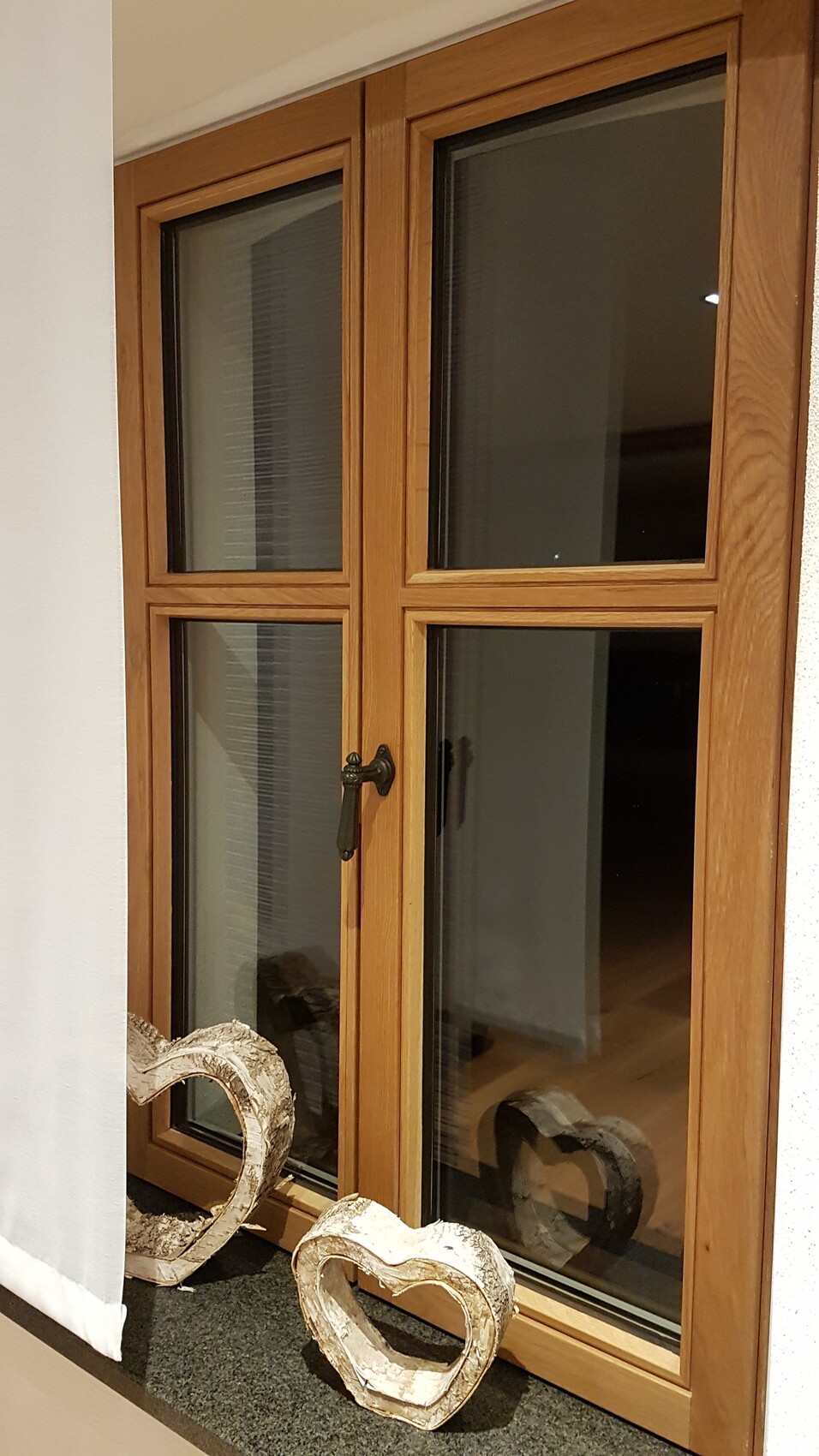


I am new here, 30 years old, and have renovated a farmhouse from 1829.
I have the following issue with my double-wing wooden windows:
At around 5°C (41°F) outside temperature and below, some of these windows start to experience condensation at the seals between the sashes as well as between the sash and the frame. Water collects on the seal and then runs down onto the frame.
This phenomenon mostly occurs on the same windows, especially in the bathroom and bedroom. However, the humidity in these rooms remains within normal ranges. The colder the outside temperature, the more water accumulates and the more windows are affected.
Is there a solution to this issue other than removing the water twice a day?
Thank you in advance for any assistance!

B
Bauernhaus182914 Nov 2019 21:04The rooms are relatively warm. At least 20 degrees Celsius, even 22.5 degrees Celsius in the bathroom.
I have three measuring devices, which all show almost the same values within 1-2% (including two different types). Therefore, I assume their readings are approximately correct.
It is certainly warmer near the windows than by the walls. The exterior walls are also relatively warm due to the wall heating. However, the wood of the windows probably does not cope well with the moisture. It is annoying having to dry the windows twice a day. In winter, you can hardly leave for a few days without hiring someone to dry the windows, to prevent unsightly stains or even damage to the windows.
I have three measuring devices, which all show almost the same values within 1-2% (including two different types). Therefore, I assume their readings are approximately correct.
It is certainly warmer near the windows than by the walls. The exterior walls are also relatively warm due to the wall heating. However, the wood of the windows probably does not cope well with the moisture. It is annoying having to dry the windows twice a day. In winter, you can hardly leave for a few days without hiring someone to dry the windows, to prevent unsightly stains or even damage to the windows.

Snowy36 schrieb:
but after 3 years you hardly have any chance to claim a warranty anymoreWhy? There is a 5-year warranty...
@Bauernhaus1829
Does it only look like that in the photos, or do the sashes not have any seals? As I understand it, there should still be an (inner) sealing layer between the sash and the inner frame profile. In the photos, only the outer sealing layer is visible.
The water seems quite clearly to be condensation. It really shouldn’t be able to reach the outer sealing layer in such amounts if the window were properly sealed.
Condensation. Well, it simply forms when warm air meets cold surfaces.
While reviewing the photos, I also thought that there seem to be fewer rubber seals and sealing lips than in my case. Whether this is a warranty issue will be determined by the inspection of the order. If what was delivered matches what was ordered, then it is not a defect. In my opinion, the fact that YOU and I have no building physics knowledge about windows does not count! Whether this can be considered a case of faulty advice, I cannot say.
While reviewing the photos, I also thought that there seem to be fewer rubber seals and sealing lips than in my case. Whether this is a warranty issue will be determined by the inspection of the order. If what was delivered matches what was ordered, then it is not a defect. In my opinion, the fact that YOU and I have no building physics knowledge about windows does not count! Whether this can be considered a case of faulty advice, I cannot say.
B
Bauernhaus182915 Nov 2019 14:07There is already an additional seal running all around the sash. Can this be seen in the pictures? Is this okay as it is?
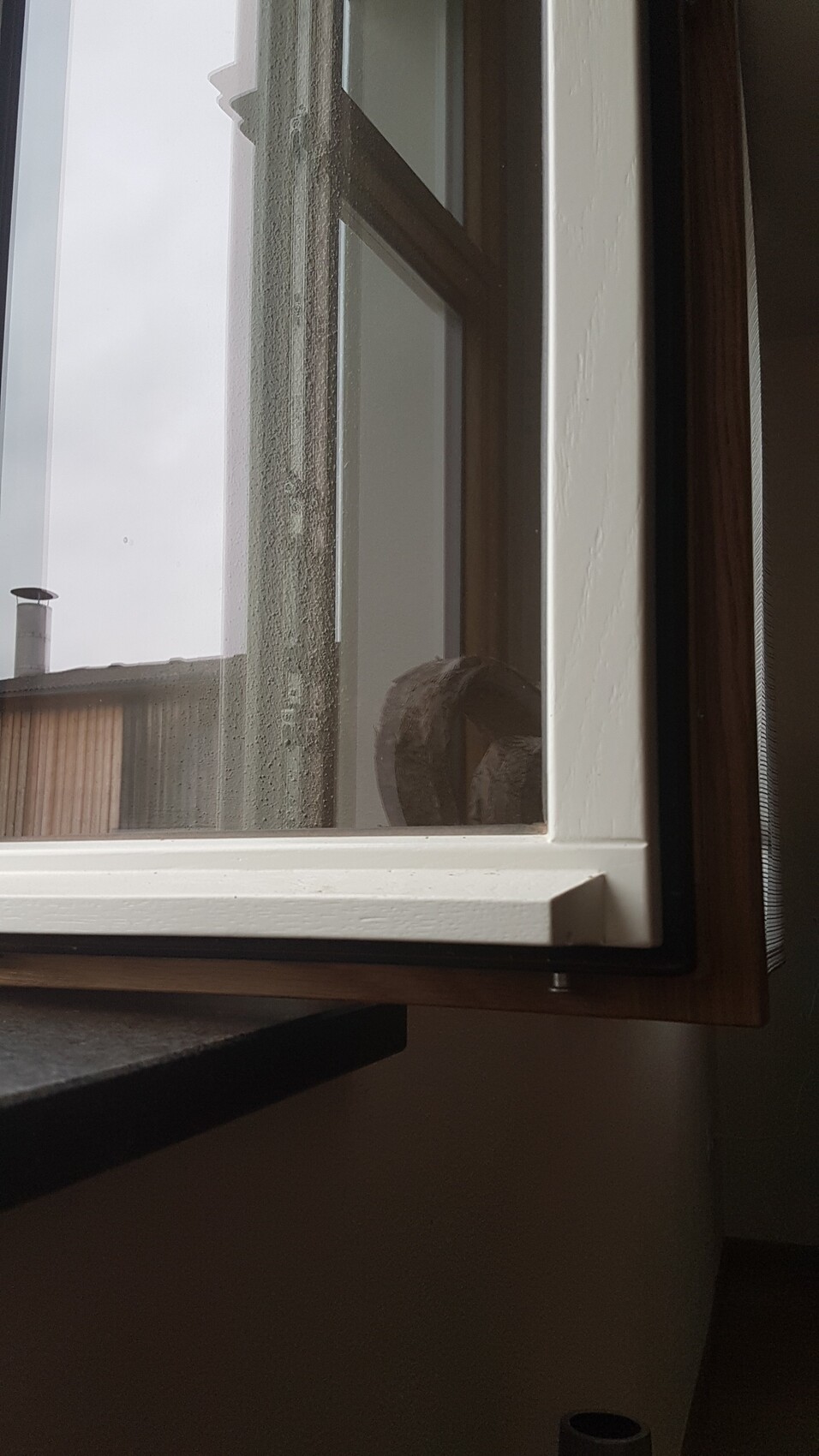
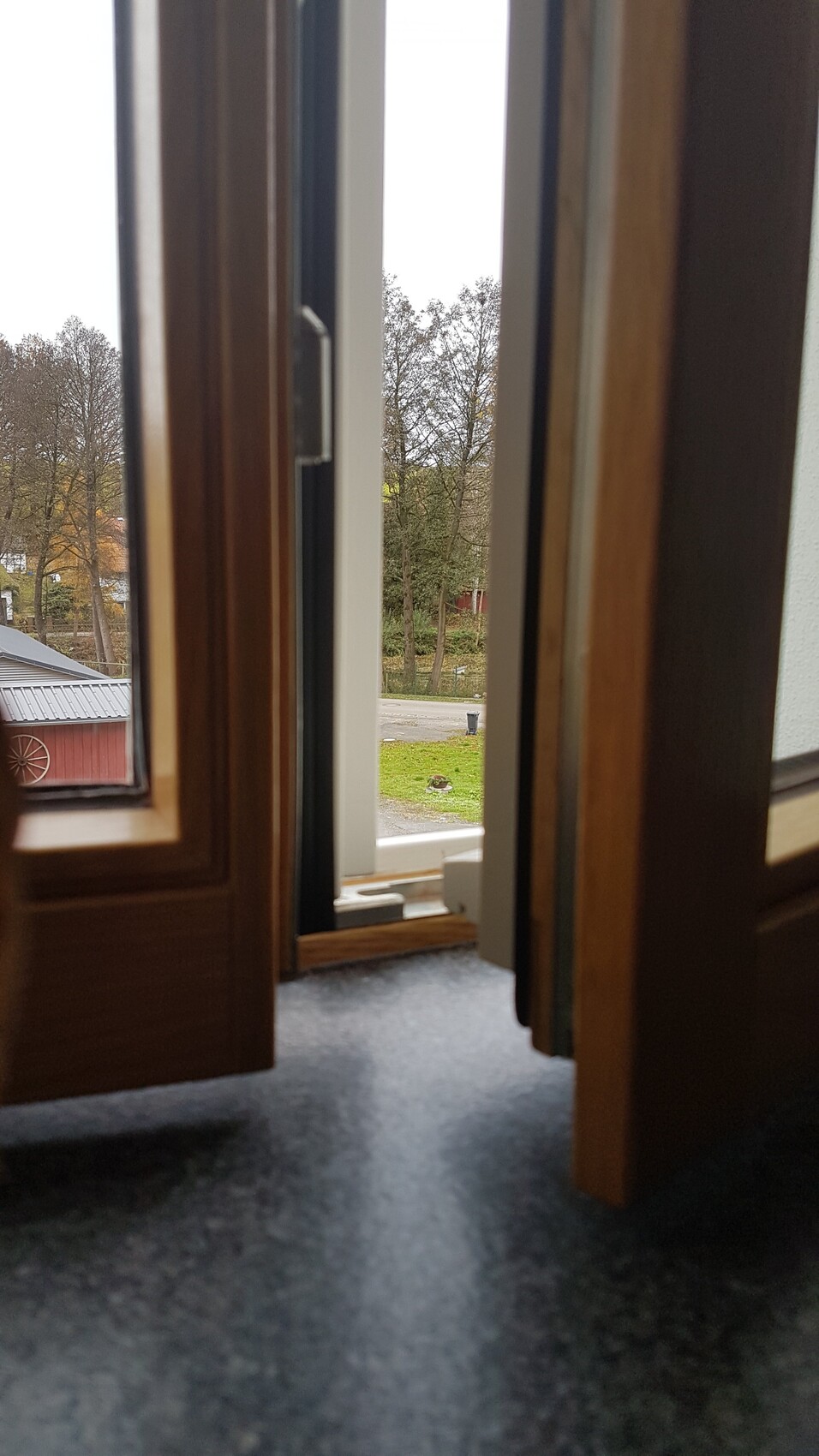
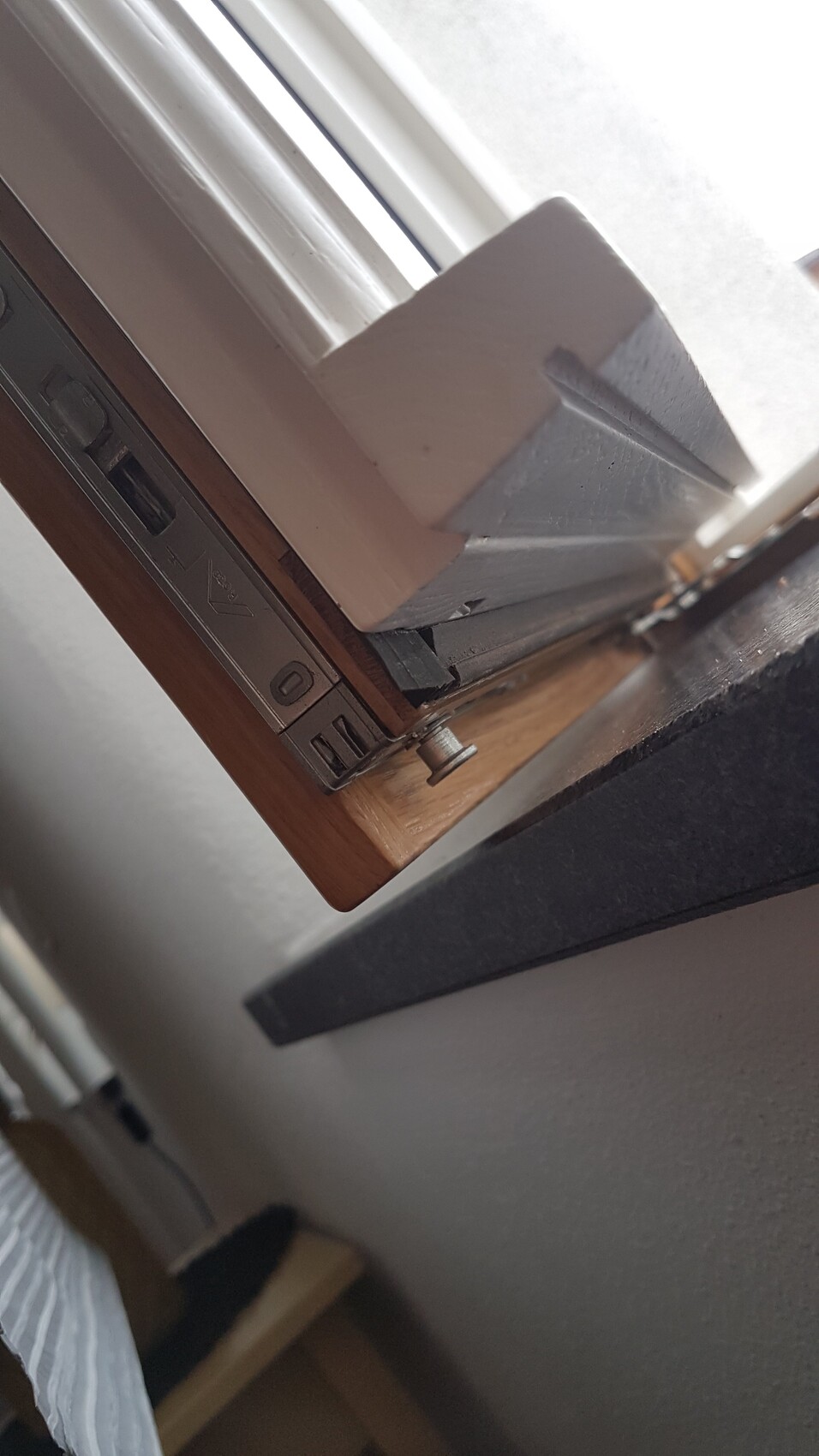
Well, the spot where condensation forms on the window is obviously colder than it should be, or warm, moist air is mistakenly reaching this area.
At 22°C (72°F) in the bathroom with 56% humidity, the dew point at the window is 12.8°C (55°F).
In my opinion, your window installer is definitely responsible; the windows simply have a defect.
You might want to buy an infrared thermometer—these make it quite easy to identify such thermal bridges.
At 22°C (72°F) in the bathroom with 56% humidity, the dew point at the window is 12.8°C (55°F).
In my opinion, your window installer is definitely responsible; the windows simply have a defect.
You might want to buy an infrared thermometer—these make it quite easy to identify such thermal bridges.
Similar topics