
ᐅ Roof Insulation (Rafter Insulation): Is It Still Salvageable?
Created on: 11 Aug 2019 20:37
K
k.loe123
Hello everyone,
We recently bought a house from the 1950s and have now started renovation work. We are still uncertain about the necessary measures in the attic. The roof structure was insulated around the early 1990s with Rockwool placed between the rafters.
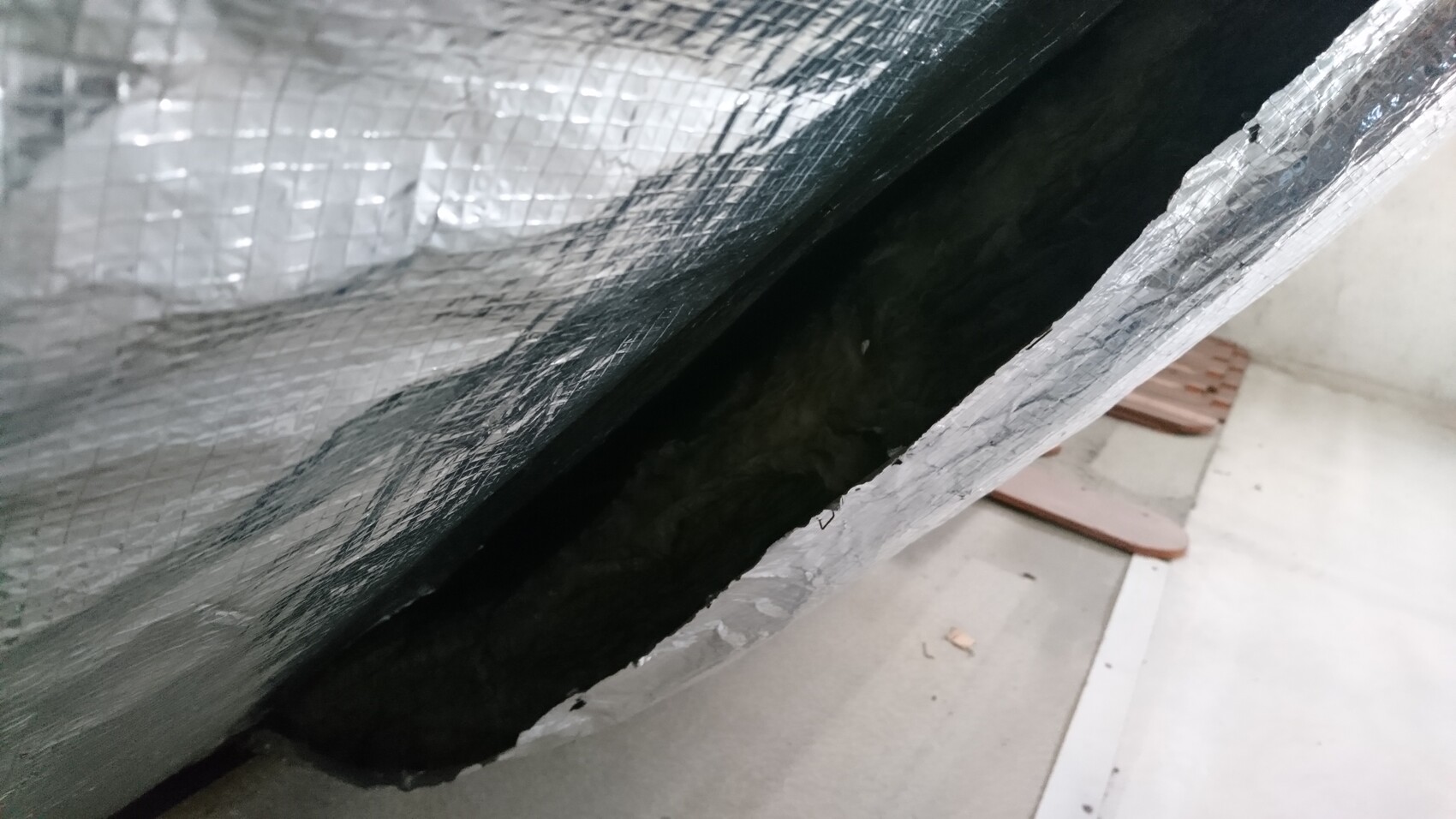
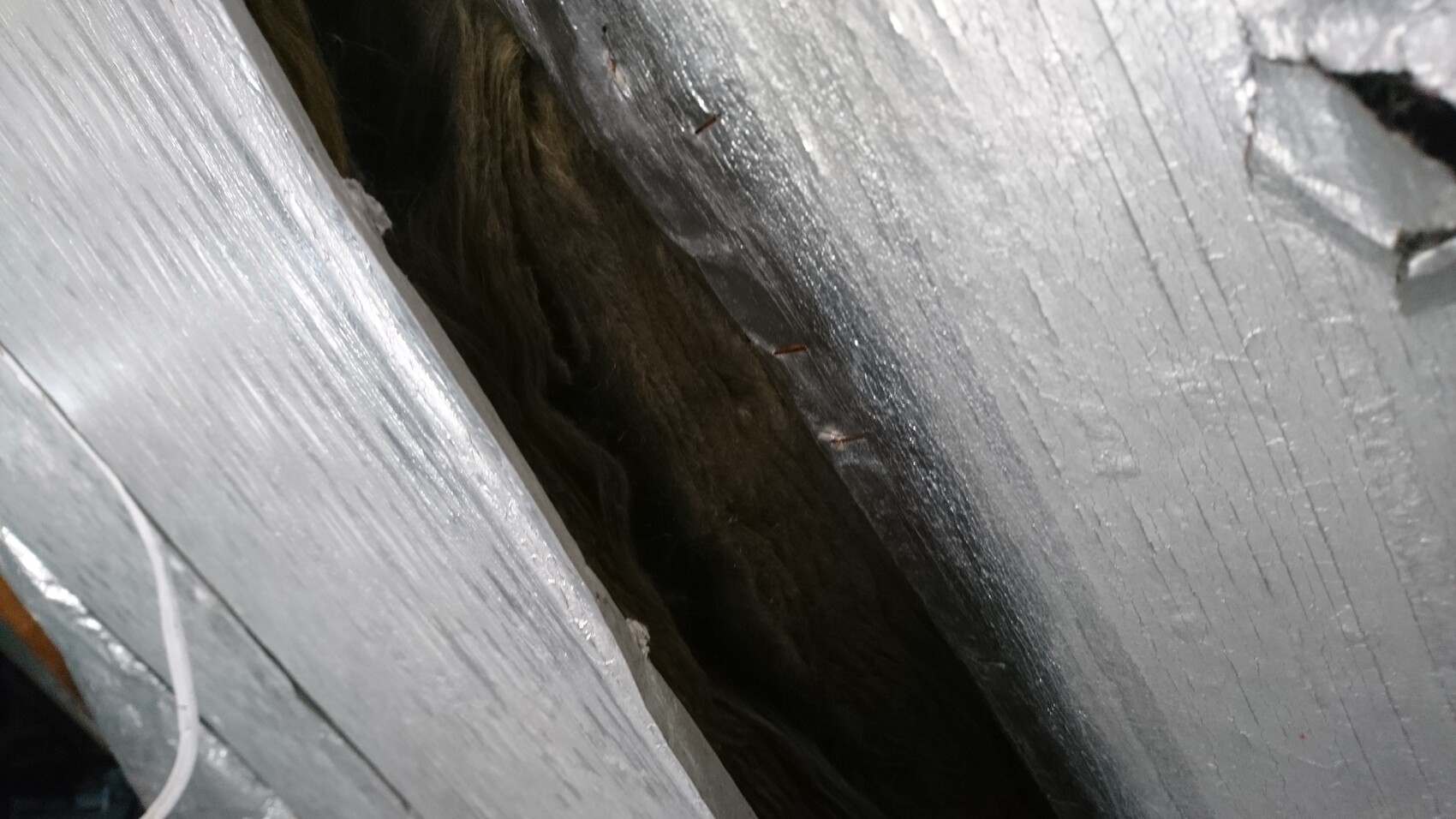
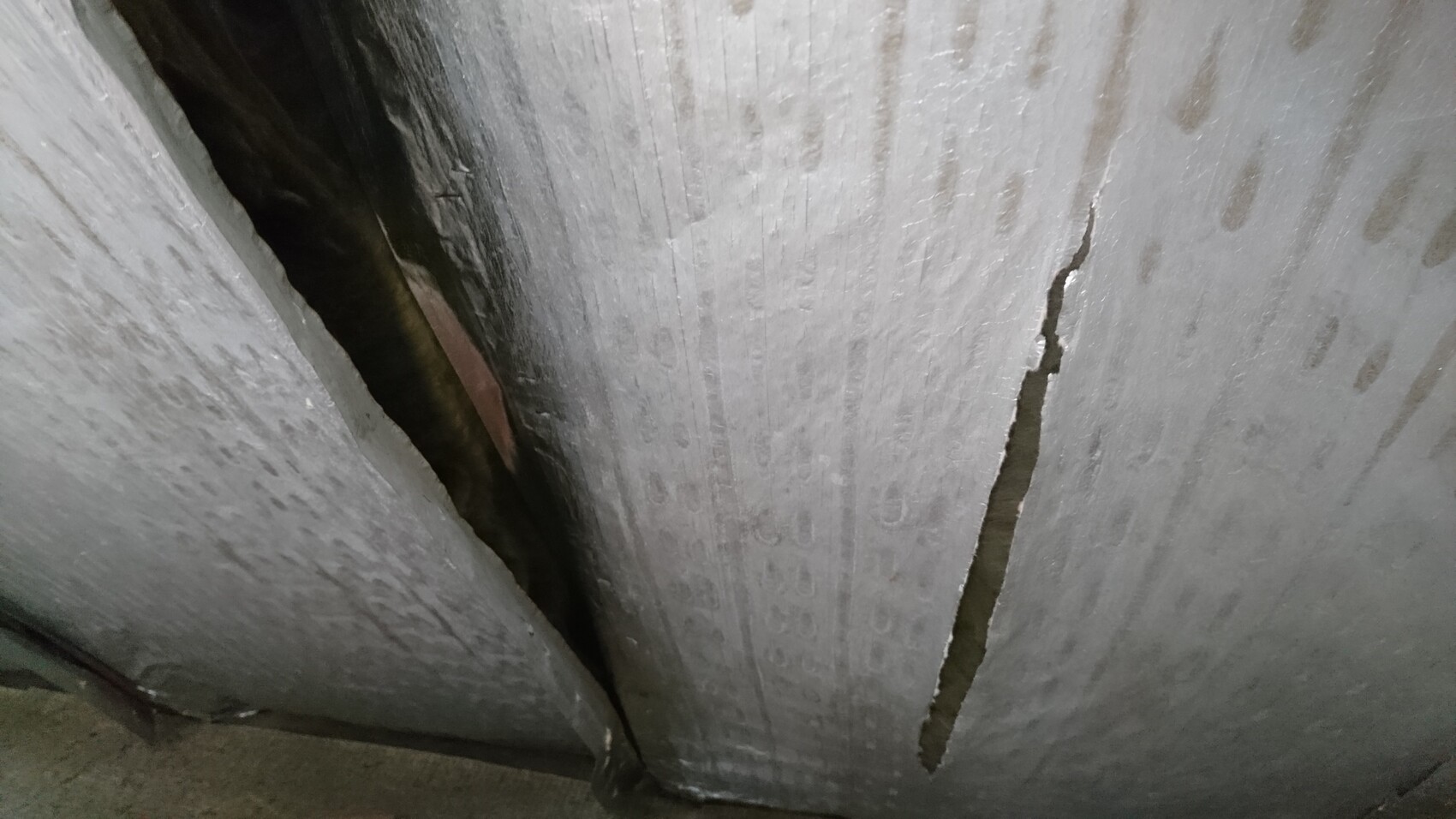
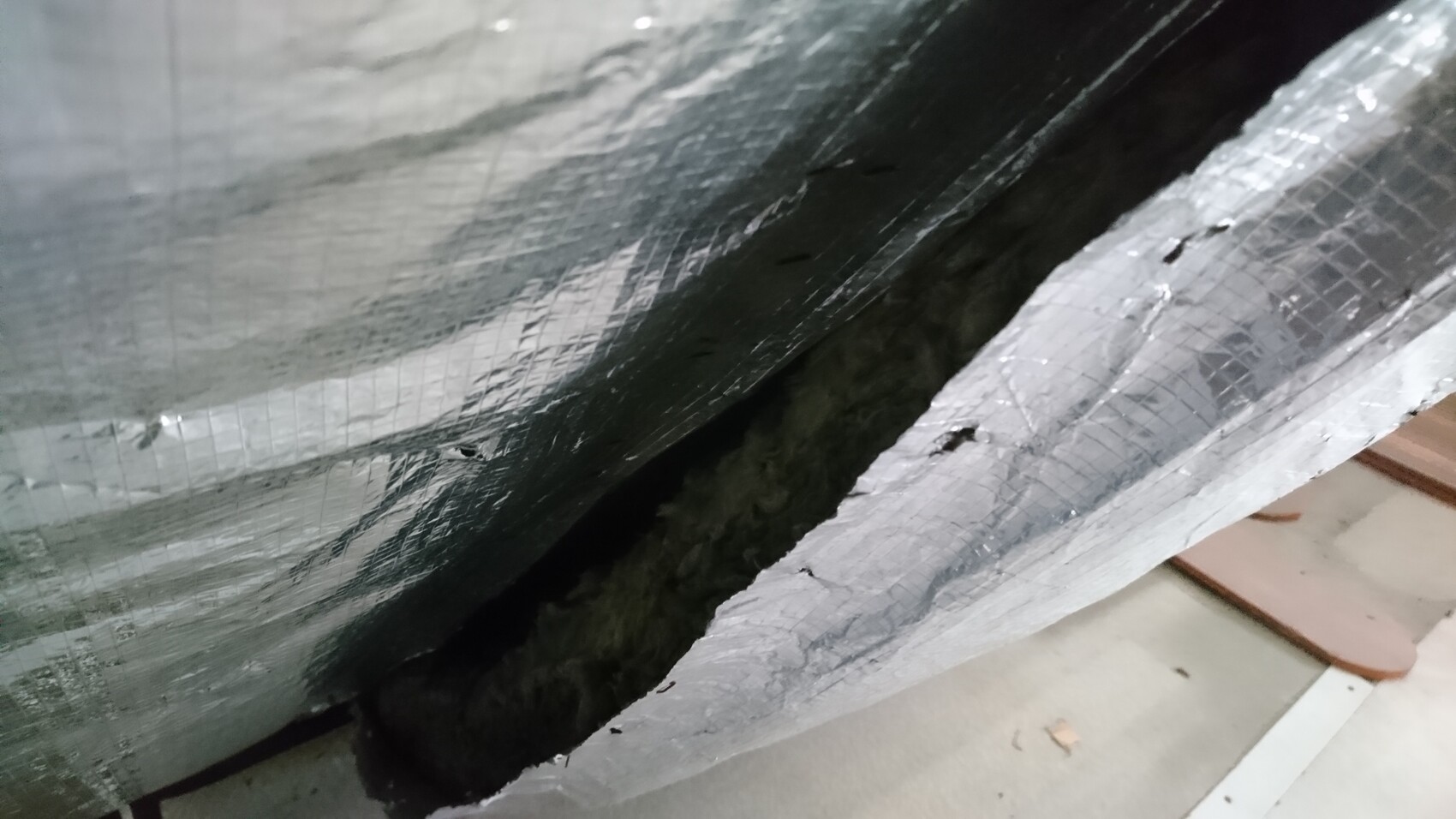
As a layperson, the insulation looks quite unprofessional to me (see pictures). Some of the stapled Rockwool batts are already hanging down, and the aluminum facing is often damaged. Underneath, the insulation material looks quite black. The roof itself is covered with clay tiles, and between the tiles and the insulation, a layer of Delta foil SPF is stapled. The walls in the attic look like there might have been mold at some point.
What would you do in such a case? Simply staple the batts back in place, or would a complete renovation of the roof insulation be advisable? We are also considering insulating the top floor ceiling. In such a case, would you remove the old insulation between the rafters or leave it as it is?
Thanks for your input!
Konstantin

We recently bought a house from the 1950s and have now started renovation work. We are still uncertain about the necessary measures in the attic. The roof structure was insulated around the early 1990s with Rockwool placed between the rafters.
As a layperson, the insulation looks quite unprofessional to me (see pictures). Some of the stapled Rockwool batts are already hanging down, and the aluminum facing is often damaged. Underneath, the insulation material looks quite black. The roof itself is covered with clay tiles, and between the tiles and the insulation, a layer of Delta foil SPF is stapled. The walls in the attic look like there might have been mold at some point.
What would you do in such a case? Simply staple the batts back in place, or would a complete renovation of the roof insulation be advisable? We are also considering insulating the top floor ceiling. In such a case, would you remove the old insulation between the rafters or leave it as it is?
Thanks for your input!
Konstantin
M
Mottenhausen13 Aug 2019 00:18The insulation was definitely that dark from the beginning—are you sure it is mineral wool?
How thick are the rafters and the insulation? Insulation from the 1990s could still be very thin (for example, 50mm (2 inches)); in that case, I would replace it to increase the insulation thickness to around 200mm (8 inches). However, if it is already close to 20cm (8 inches), then leave it as is, reattach the vapor barrier sheet, and seal all tears, holes, and joints with tape. This way, the aluminum layer can again function as an effective vapor retarder.
How thick are the rafters and the insulation? Insulation from the 1990s could still be very thin (for example, 50mm (2 inches)); in that case, I would replace it to increase the insulation thickness to around 200mm (8 inches). However, if it is already close to 20cm (8 inches), then leave it as is, reattach the vapor barrier sheet, and seal all tears, holes, and joints with tape. This way, the aluminum layer can again function as an effective vapor retarder.
Similar topics