
Hello,
For the construction of our extension, we had a temporary construction road in the garden, which was recently removed by the company that installed it. The construction road was made of stones and construction debris piled up over a geotextile fabric. Of course, it’s clear that the garden won’t look the same as before afterward 😉 however, there is still quite a lot of debris left. The company used a rather large wheel loader, and now the top 30cm (12 inches) of soil has been dug up and is full of stones, debris, and sand. This is not only around the edges, where the material slid off the geotextile, but throughout the entire area, mixed into the soil. The stones range from 2cm (1 inch) up to fist size, so it’s not possible to level it out and sow grass on top.
Now we are wondering, is this normal? Or what does a proper removal of a temporary construction road usually look like?
Best regards from BauMama
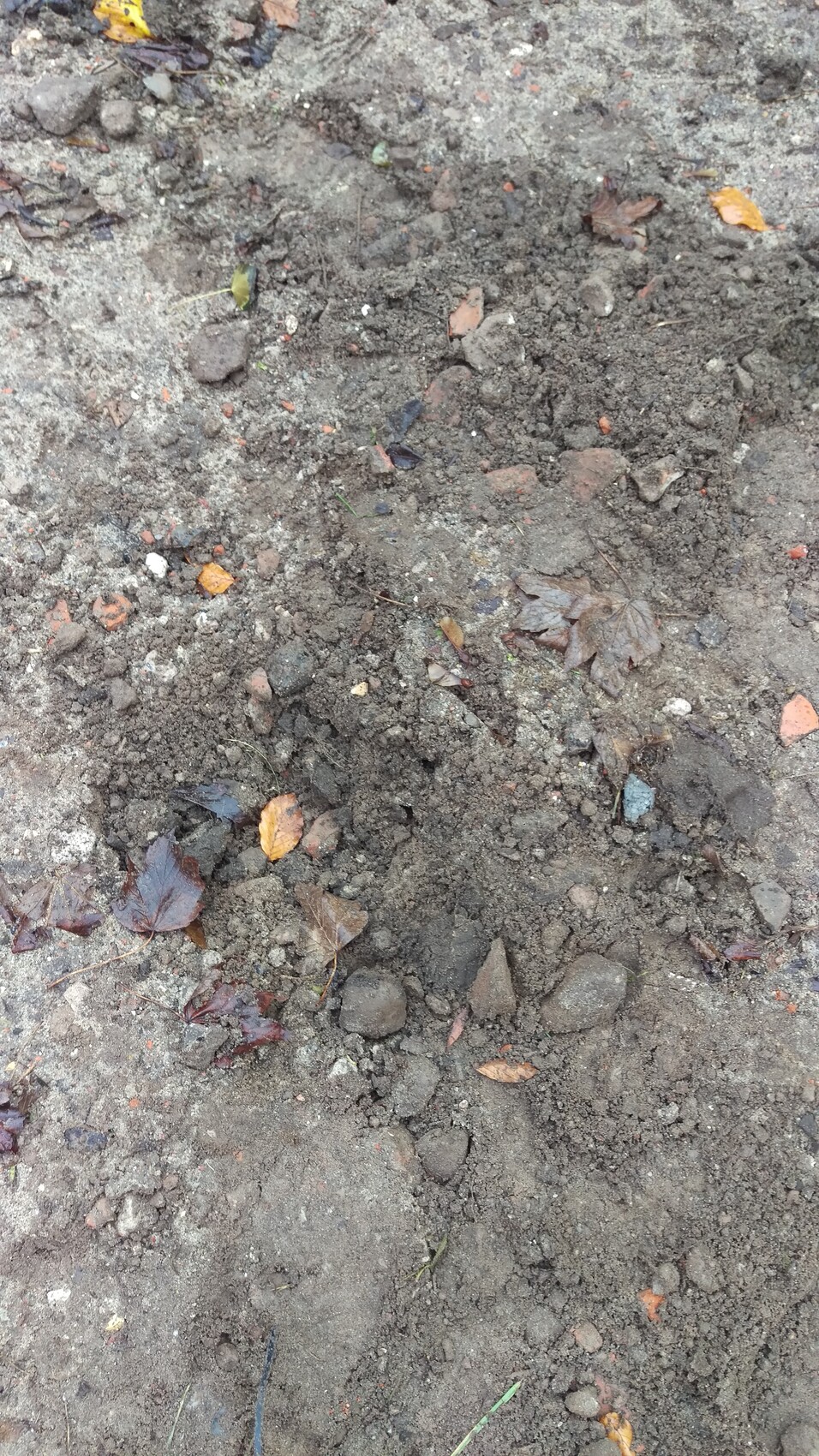
For the construction of our extension, we had a temporary construction road in the garden, which was recently removed by the company that installed it. The construction road was made of stones and construction debris piled up over a geotextile fabric. Of course, it’s clear that the garden won’t look the same as before afterward 😉 however, there is still quite a lot of debris left. The company used a rather large wheel loader, and now the top 30cm (12 inches) of soil has been dug up and is full of stones, debris, and sand. This is not only around the edges, where the material slid off the geotextile, but throughout the entire area, mixed into the soil. The stones range from 2cm (1 inch) up to fist size, so it’s not possible to level it out and sow grass on top.
Now we are wondering, is this normal? Or what does a proper removal of a temporary construction road usually look like?
Best regards from BauMama
O
Osnabruecker11 Nov 2021 15:05Usually, the topsoil is pushed aside first, then optionally a geotextile fabric is laid down, construction materials are installed, used, and removed. After that, the topsoil is replaced.
Was it done like this for you as well? Or was the fabric placed directly on the topsoil?
What kind of soil remains underneath? Sand or topsoil? If you cover it with 10 cm (4 inches) of good topsoil, the stones don’t really matter.
Was it done like this for you as well? Or was the fabric placed directly on the topsoil?
What kind of soil remains underneath? Sand or topsoil? If you cover it with 10 cm (4 inches) of good topsoil, the stones don’t really matter.
The road was built directly on topsoil/lawn. Now there is a mixture of topsoil, sand, stones, and construction debris down to about 30 cm (12 inches) deep. Below that is normal topsoil. The surface is very uneven but still compacted enough that it is difficult to penetrate with a spade (probably due to the weight of the wheel loader).
Covering everything with topsoil is of course an option, but wouldn’t that leave a mound? Especially since garden beds are planned here, which isn’t an ideal base for them.
We are considering having the company make corrections, so the question is whether a condition like this after the "removal" of the construction road is standard.
Covering everything with topsoil is of course an option, but wouldn’t that leave a mound? Especially since garden beds are planned here, which isn’t an ideal base for them.
We are considering having the company make corrections, so the question is whether a condition like this after the "removal" of the construction road is standard.
O
Osnabruecker11 Nov 2021 18:04The rule is: remove the topsoil first.
As it is now, it is unusable. Due to being covered, it is "dead" and no longer suitable for seeding. Additionally, the soil has been damaged by compaction.
It would have been better to set the soil aside first. You can still catch up on that now. Have a company scrape off the top layer and supply new soil.
As it is now, it is unusable. Due to being covered, it is "dead" and no longer suitable for seeding. Additionally, the soil has been damaged by compaction.
It would have been better to set the soil aside first. You can still catch up on that now. Have a company scrape off the top layer and supply new soil.
H
hanghaus200011 Nov 2021 19:20After dismantling, the original condition should be restored as much as possible. Request the defects to be remedied within a set deadline. Hopefully, you have photos of the original condition, and the construction access is covered by a flat rate. Otherwise, there will be an additional invoice on top.
Similar topics