
Hello!
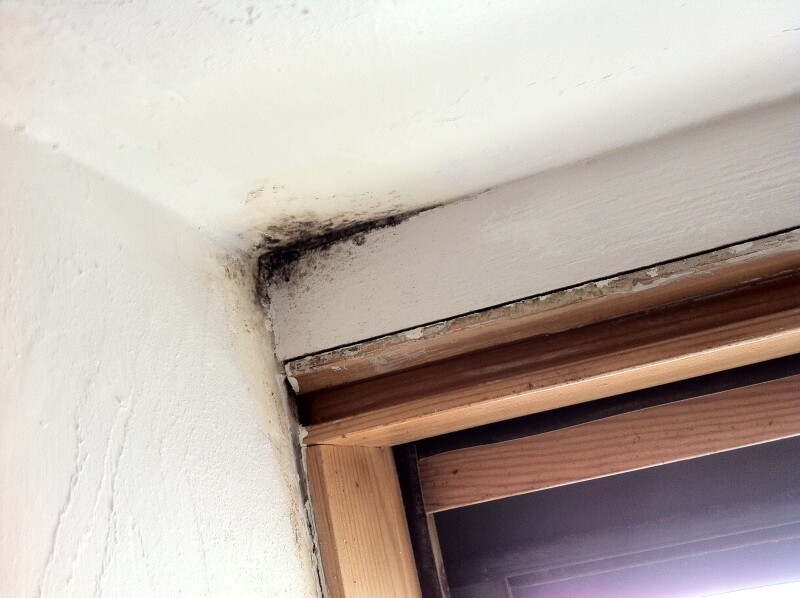
I recently moved into an apartment and found mold and mildew while renovating. Now my question to you is: Is the damage borderline (see photos), should I insist on repairs, or would it be better to move out? Can I handle this myself?
My landlord (Annington) is known for not doing much about mold problems... :-(
I moved into the apartment in an emergency situation,
my ex kicked me out, and I was practically homeless.
It is really difficult to find apartments here.
In the bathroom at the skylight window
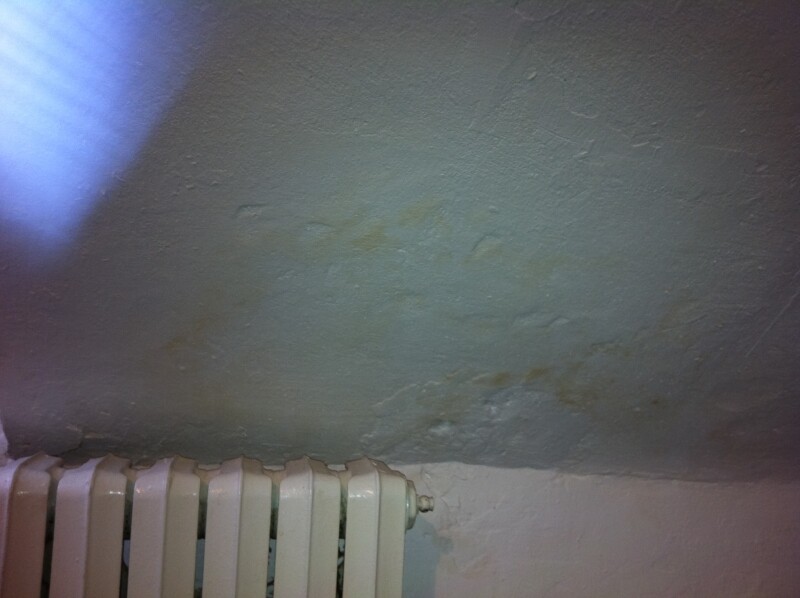
In the living room, right next to the window/heater, mildew stains on the sloping roof
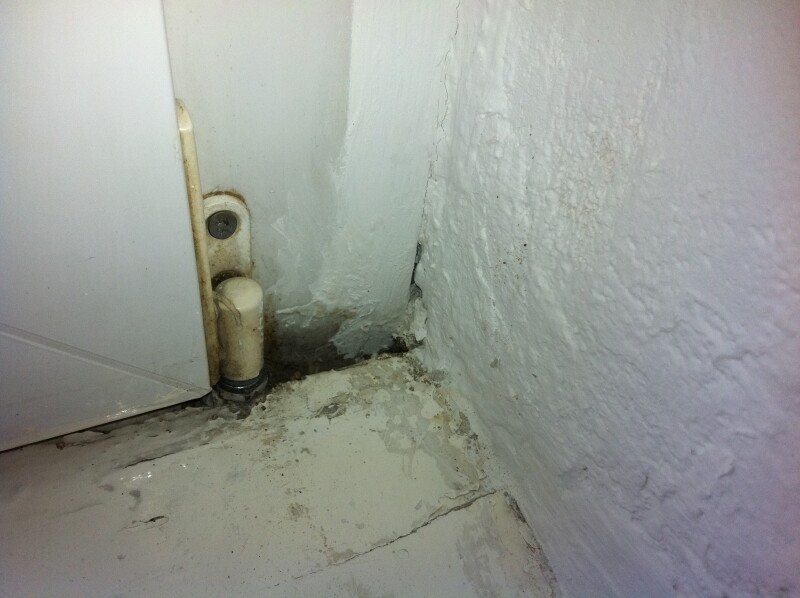
Directly to the left of the sloping roof with mildew stains. There is a hole in the windowsill where a musty smell rises.
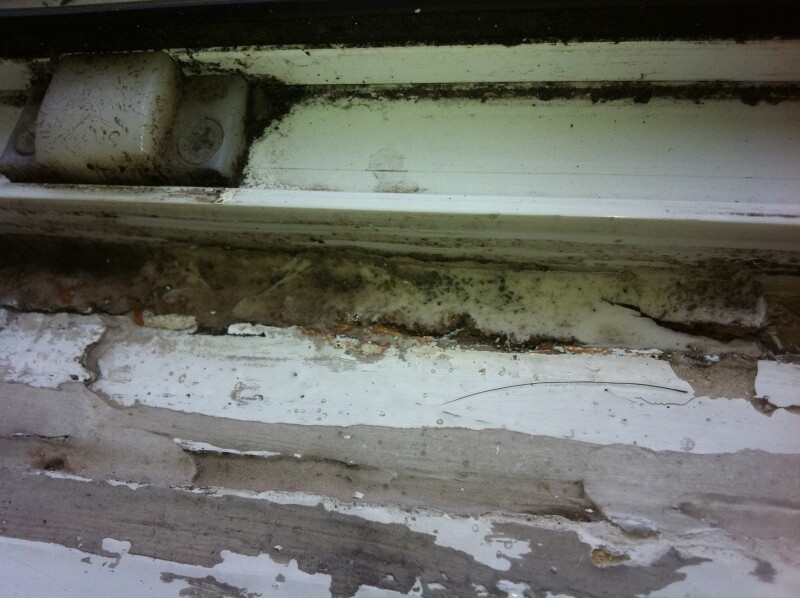
In the bedroom on the window frame
I recently moved into an apartment and found mold and mildew while renovating. Now my question to you is: Is the damage borderline (see photos), should I insist on repairs, or would it be better to move out? Can I handle this myself?
My landlord (Annington) is known for not doing much about mold problems... :-(
I moved into the apartment in an emergency situation,
my ex kicked me out, and I was practically homeless.
It is really difficult to find apartments here.
In the bathroom at the skylight window
In the living room, right next to the window/heater, mildew stains on the sloping roof
Directly to the left of the sloping roof with mildew stains. There is a hole in the windowsill where a musty smell rises.
In the bedroom on the window frame
T
ThomasW6912 Aug 2011 13:08Wow, that looks pretty serious.
Mold always comes from moisture, so I wonder what you plan to do about it yourself? Just painting or spackling over it won’t solve the problem. It will keep coming back as long as the underlying cause isn’t fixed.
Also, it could backfire if you try to handle it yourself and don’t succeed. Your landlord might claim that the damage was caused by you and charge you for the repairs.
I would recommend informing the landlord about the issue and politely but firmly asking them to fix the damage. In many cases, you can also withhold part of the rent, especially when mold poses a significant health risk. But if I were you, I would consult legal advice first. You can often get affordable legal counseling from tenant associations or tenant protection organizations, which is usually cheaper than a lawyer.
Alternatively, I would also consider looking for a new place to live and moving out if the landlord refuses to cooperate.
Mold always comes from moisture, so I wonder what you plan to do about it yourself? Just painting or spackling over it won’t solve the problem. It will keep coming back as long as the underlying cause isn’t fixed.
Also, it could backfire if you try to handle it yourself and don’t succeed. Your landlord might claim that the damage was caused by you and charge you for the repairs.
I would recommend informing the landlord about the issue and politely but firmly asking them to fix the damage. In many cases, you can also withhold part of the rent, especially when mold poses a significant health risk. But if I were you, I would consult legal advice first. You can often get affordable legal counseling from tenant associations or tenant protection organizations, which is usually cheaper than a lawyer.
Alternatively, I would also consider looking for a new place to live and moving out if the landlord refuses to cooperate.
Hello,
We also had the problem of mold growth in the bedroom. Despite constant ventilation, it kept coming back again and again. Since we live in an older apartment and did not want to completely renovate everything, we ultimately decided to treat it with a dry ice blaster. This method is very gentle and leaves no residues because it uses dry ice.
The measure may sound quite drastic, but only with professional help were we able to eliminate the mold in our bedroom.
Regards,
Sarah
We also had the problem of mold growth in the bedroom. Despite constant ventilation, it kept coming back again and again. Since we live in an older apartment and did not want to completely renovate everything, we ultimately decided to treat it with a dry ice blaster. This method is very gentle and leaves no residues because it uses dry ice.
The measure may sound quite drastic, but only with professional help were we able to eliminate the mold in our bedroom.
Regards,
Sarah

No, this is a tenant’s statement... we had a mold problem and were able to reduce the rent by 30% because it wasn’t completely critical.
In the apartment, however, the mold was clearly noticeable.
The entire building is currently affected because only the windows were replaced, but the exterior walls were not... and they are so cold that in winter water condenses on the tiles when cooking pasta.
The old windows provided sufficient ventilation...
But who wants to listen to a tenant anyway, they always say tenants ventilate incorrectly. We didn’t care because we moved into our own house 6 months later. It was still worth it to have the tenant association involved because we managed to reduce the rent 6 times by €250 each. That paid for the furniture in our new dining room.
In the apartment, however, the mold was clearly noticeable.
The entire building is currently affected because only the windows were replaced, but the exterior walls were not... and they are so cold that in winter water condenses on the tiles when cooking pasta.
The old windows provided sufficient ventilation...
But who wants to listen to a tenant anyway, they always say tenants ventilate incorrectly. We didn’t care because we moved into our own house 6 months later. It was still worth it to have the tenant association involved because we managed to reduce the rent 6 times by €250 each. That paid for the furniture in our new dining room.
Similar topics