
Hello
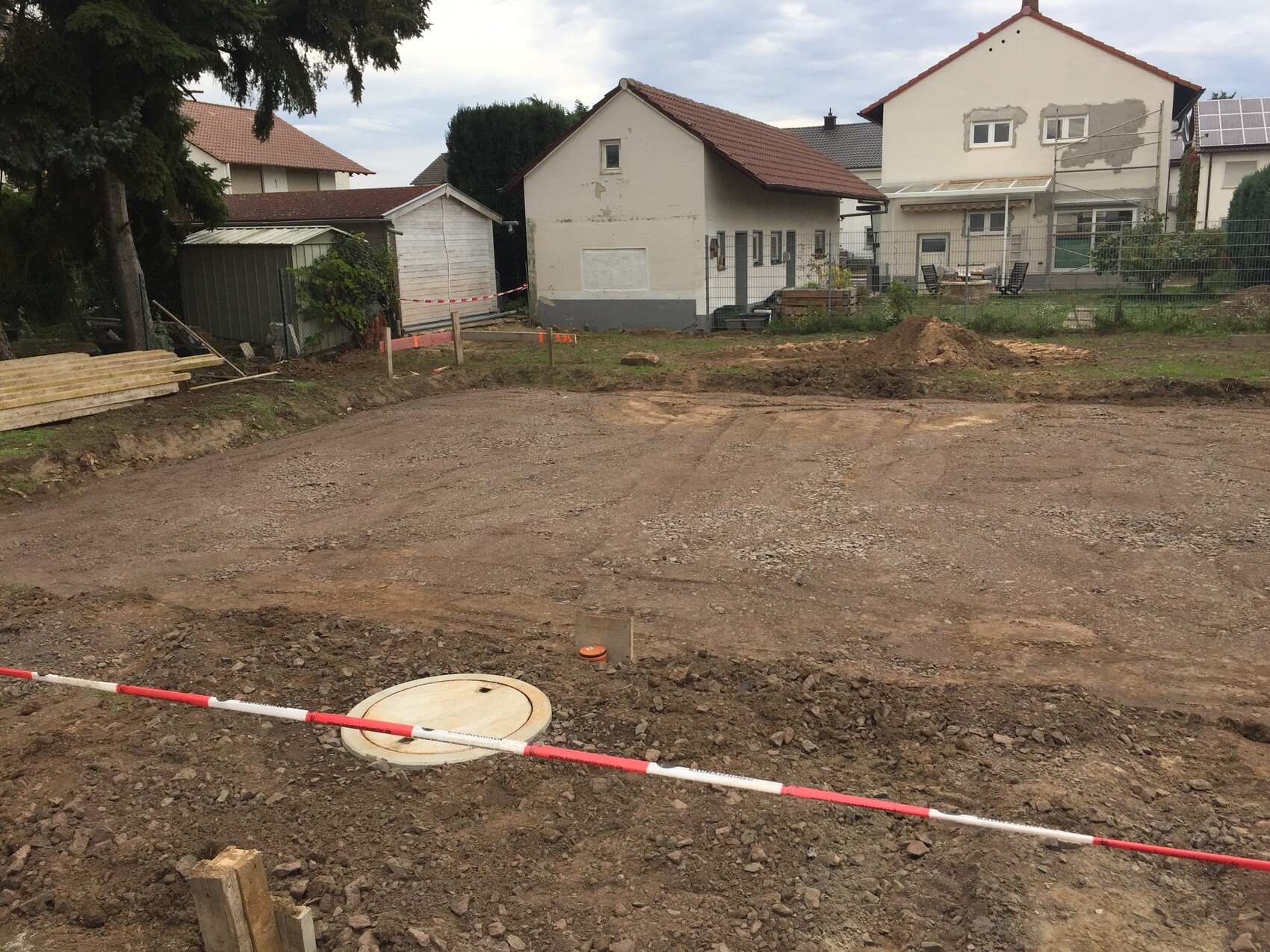
The groundwork contractor has temporarily completed the earthworks, which included removing the topsoil and installing a capillary-breaking layer of at least 15 cm (6 inches) of recycled gravel with a 0/45 grain size. A manhole chamber has been installed; drains, pipes, and so on will be added later. Since I’m not an expert, I have a quick question: how can I be sure that the gravel layer was installed correctly? Specifically, that it is 15 cm (6 inches) thick and properly compacted? Once compacted, you can’t really see or measure this anymore. Would a dynamic plate load test provide clarity? That test is still scheduled. Next, the shell builder will start, and I don’t know if they will check this once the slab is poured. I am building a single-family home without a basement. The soil is classified as soil class 3. The reason I ask is that I had to chase the groundwork contractor for days just to get them to start and finish… This is the only part I had to oversee; from the shell stage onward, the builder takes over. What if the groundwork contractor didn’t do a good job? Could this cause problems later, like settlement cracks? Moisture issues, too, are possible. Or is the slab itself the key factor? Thanks for your opinions and advice.
The geotechnical report mostly gives recommendations. How does that work in practice? Does anyone check this?
The groundwork contractor has temporarily completed the earthworks, which included removing the topsoil and installing a capillary-breaking layer of at least 15 cm (6 inches) of recycled gravel with a 0/45 grain size. A manhole chamber has been installed; drains, pipes, and so on will be added later. Since I’m not an expert, I have a quick question: how can I be sure that the gravel layer was installed correctly? Specifically, that it is 15 cm (6 inches) thick and properly compacted? Once compacted, you can’t really see or measure this anymore. Would a dynamic plate load test provide clarity? That test is still scheduled. Next, the shell builder will start, and I don’t know if they will check this once the slab is poured. I am building a single-family home without a basement. The soil is classified as soil class 3. The reason I ask is that I had to chase the groundwork contractor for days just to get them to start and finish… This is the only part I had to oversee; from the shell stage onward, the builder takes over. What if the groundwork contractor didn’t do a good job? Could this cause problems later, like settlement cracks? Moisture issues, too, are possible. Or is the slab itself the key factor? Thanks for your opinions and advice.
The geotechnical report mostly gives recommendations. How does that work in practice? Does anyone check this?

Similar topics