
Hello everyone,
I am currently planning the shower area for my new bathroom, which includes choosing the right shower drain. My shower measures 140 x 120cm (55 x 47 inches), is flush with the floor, and is walk-in without a threshold. I wanted to install a shower drain (marked in yellow in the illustration) that is 120cm (47 inches) wide—matching the shower width. However, the plumbing company told me that this isn’t possible with a tileable shower drain. Although the visible surface is indeed 120cm (47 inches) wide, the total installation width is actually 125cm (49 inches), which is 5cm (2 inches) wider. Because of this, the drain cannot be installed without risking leaks.
I originally preferred a tileable shower drain for aesthetic reasons. On the other hand, non-tileable drains can apparently be easily shortened and precisely adjusted to 120cm (47 inches) width without installation issues. What do you think? Are there particular advantages or disadvantages between tileable and non-tileable drains? Also, if I opt for a smaller tileable shower drain (for example, 70cm (28 inches), as it is more affordable) instead of a 120cm (47 inches) non-tileable drain, are there any drawbacks? Or is it generally better to choose the largest possible shower drain?
I appreciate any advice 🙂
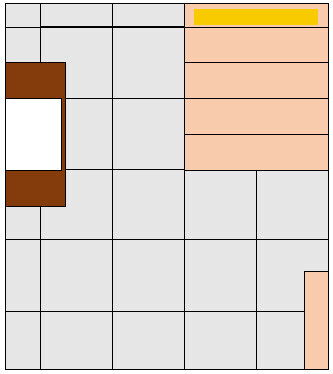
I am currently planning the shower area for my new bathroom, which includes choosing the right shower drain. My shower measures 140 x 120cm (55 x 47 inches), is flush with the floor, and is walk-in without a threshold. I wanted to install a shower drain (marked in yellow in the illustration) that is 120cm (47 inches) wide—matching the shower width. However, the plumbing company told me that this isn’t possible with a tileable shower drain. Although the visible surface is indeed 120cm (47 inches) wide, the total installation width is actually 125cm (49 inches), which is 5cm (2 inches) wider. Because of this, the drain cannot be installed without risking leaks.
I originally preferred a tileable shower drain for aesthetic reasons. On the other hand, non-tileable drains can apparently be easily shortened and precisely adjusted to 120cm (47 inches) width without installation issues. What do you think? Are there particular advantages or disadvantages between tileable and non-tileable drains? Also, if I opt for a smaller tileable shower drain (for example, 70cm (28 inches), as it is more affordable) instead of a 120cm (47 inches) non-tileable drain, are there any drawbacks? Or is it generally better to choose the largest possible shower drain?
I appreciate any advice 🙂
ypg schrieb:
Personally, I would go with a "framed" design, as it visually unifies the entire shower floor, preventing it from looking visually shortened. The track is set back a bit at the rear anyway. Or is it planned differently on your end? Do you mean the tileable shower drain by "framed"? It’s true that the track is set back a bit at the rear. It might indeed look somewhat "disjointed" with the stainless steel track.
bolle89 schrieb:
Do you mean the tiled shower drain when you say "framed"? The rail is slightly recessed at the back, that's true. It could indeed make the stainless steel rail appear a bit "disjointed."By framed, I mean having the same spacing on the left and right sides as there is behind the rail.K
KarstenausNRW27 Apr 2023 13:38bolle89 schrieb:
Are there any experiences with good stainless steel shower drains that are also easy to clean?Both the inexpensive and the high-end models are easy to clean.I use Viega – it has a particularly slim design. I can recommend it.
B
borderpuschl27 Apr 2023 14:06When dealing with tiled areas, you need to be very careful when removing elements for cleaning so that you don’t accidentally bump the rail. This can happen very quickly (especially since it is noticeably heavier), and then the corners of the tiles can chip off, which quickly looks unattractive. Vigour offers a stainless steel rail that can be tiled on one side while the other side remains exposed stainless steel.