
Hello everyone,
I am currently planning the shower area for my new bathroom, which includes choosing the right shower drain. My shower measures 140 x 120cm (55 x 47 inches), is flush with the floor, and is walk-in without a threshold. I wanted to install a shower drain (marked in yellow in the illustration) that is 120cm (47 inches) wide—matching the shower width. However, the plumbing company told me that this isn’t possible with a tileable shower drain. Although the visible surface is indeed 120cm (47 inches) wide, the total installation width is actually 125cm (49 inches), which is 5cm (2 inches) wider. Because of this, the drain cannot be installed without risking leaks.
I originally preferred a tileable shower drain for aesthetic reasons. On the other hand, non-tileable drains can apparently be easily shortened and precisely adjusted to 120cm (47 inches) width without installation issues. What do you think? Are there particular advantages or disadvantages between tileable and non-tileable drains? Also, if I opt for a smaller tileable shower drain (for example, 70cm (28 inches), as it is more affordable) instead of a 120cm (47 inches) non-tileable drain, are there any drawbacks? Or is it generally better to choose the largest possible shower drain?
I appreciate any advice 🙂
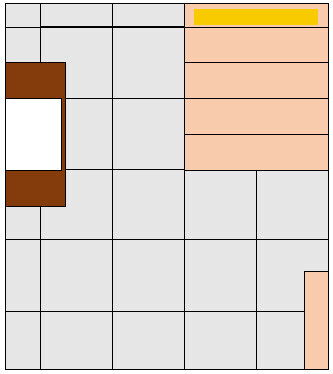
I am currently planning the shower area for my new bathroom, which includes choosing the right shower drain. My shower measures 140 x 120cm (55 x 47 inches), is flush with the floor, and is walk-in without a threshold. I wanted to install a shower drain (marked in yellow in the illustration) that is 120cm (47 inches) wide—matching the shower width. However, the plumbing company told me that this isn’t possible with a tileable shower drain. Although the visible surface is indeed 120cm (47 inches) wide, the total installation width is actually 125cm (49 inches), which is 5cm (2 inches) wider. Because of this, the drain cannot be installed without risking leaks.
I originally preferred a tileable shower drain for aesthetic reasons. On the other hand, non-tileable drains can apparently be easily shortened and precisely adjusted to 120cm (47 inches) width without installation issues. What do you think? Are there particular advantages or disadvantages between tileable and non-tileable drains? Also, if I opt for a smaller tileable shower drain (for example, 70cm (28 inches), as it is more affordable) instead of a 120cm (47 inches) non-tileable drain, are there any drawbacks? Or is it generally better to choose the largest possible shower drain?
I appreciate any advice 🙂
bolle89 schrieb:
Does anyone know the advantage of the tileable version of Geberit CleanLine compared to conventional tileable shower channels? I can't really see any difference...Oh dear. In the end, it’s all a matter of taste and cost. Once you’re living in the house and showering, you probably won’t even notice. Later on, you’ll be more concerned about why your plants have yellow leaves. That’s just how it is 😉