
ᐅ 30-year-old basement is damp. Should it be waterproofed? If so, how?
Created on: 13 Jan 2024 21:38
N
Narma89Hello everyone,
We are in the process of buying a house built in 1991, which we have also been living in for almost two years, so we basically know its flaws and issues. Yesterday, a building surveyor came and did not find any additional defects.
Besides the poor insulation of the attic floor, the biggest problem is the damp basement. We have saltpeter efflorescence on several walls. During the first summer, a lot of wood I had stored in the basement molded, which was most likely because I kept the basement windows open all summer. By now, I realize that wasn’t a very smart choice.
The surveyor mentioned two options: either excavate everything and waterproof from the outside or use a resin injection method from the inside. I would really prefer not to excavate because both terraces would have to be removed, as well as the landscaping. For the resin injection, I have a quote from acquaintances from 2021, which was €480/m² (about $480/sq ft). For the size of the basement, that would be about €50,000 ($50,000) without considering inflation, so probably closer to €60,000 ($60,000).
Now my question is, how urgent is the problem? How damaging is it to the building structure?
In my research, I have often seen the recommendation to first apply a horizontal barrier and then a vertical barrier from the inside. This would keep the basement itself dry, but the masonry would still remain damp. Is that even useful?
Would proper ventilation in the basement perhaps already help? The basement is only meant to be used as storage and a workshop, where I build things every few weeks. So it doesn’t actually need to be as dry as living spaces, but I have also read that moisture can eventually rise into the ground floor.
Additionally, the interior walls are the most affected, which I cannot explain. Pictures 1 and 4 show exterior walls; pictures 2 and 3 show interior walls.
Thank you very much in advance for your help!
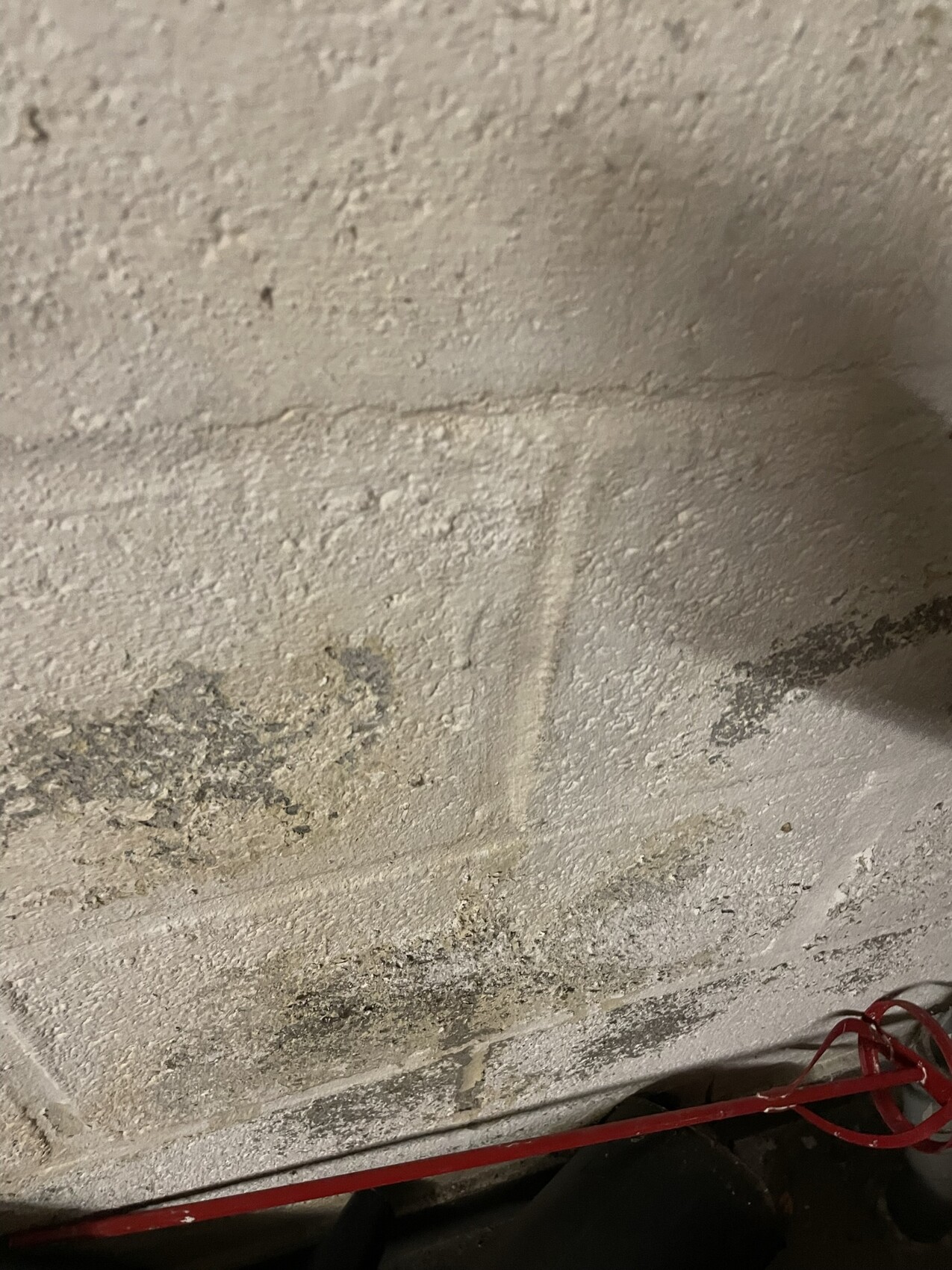
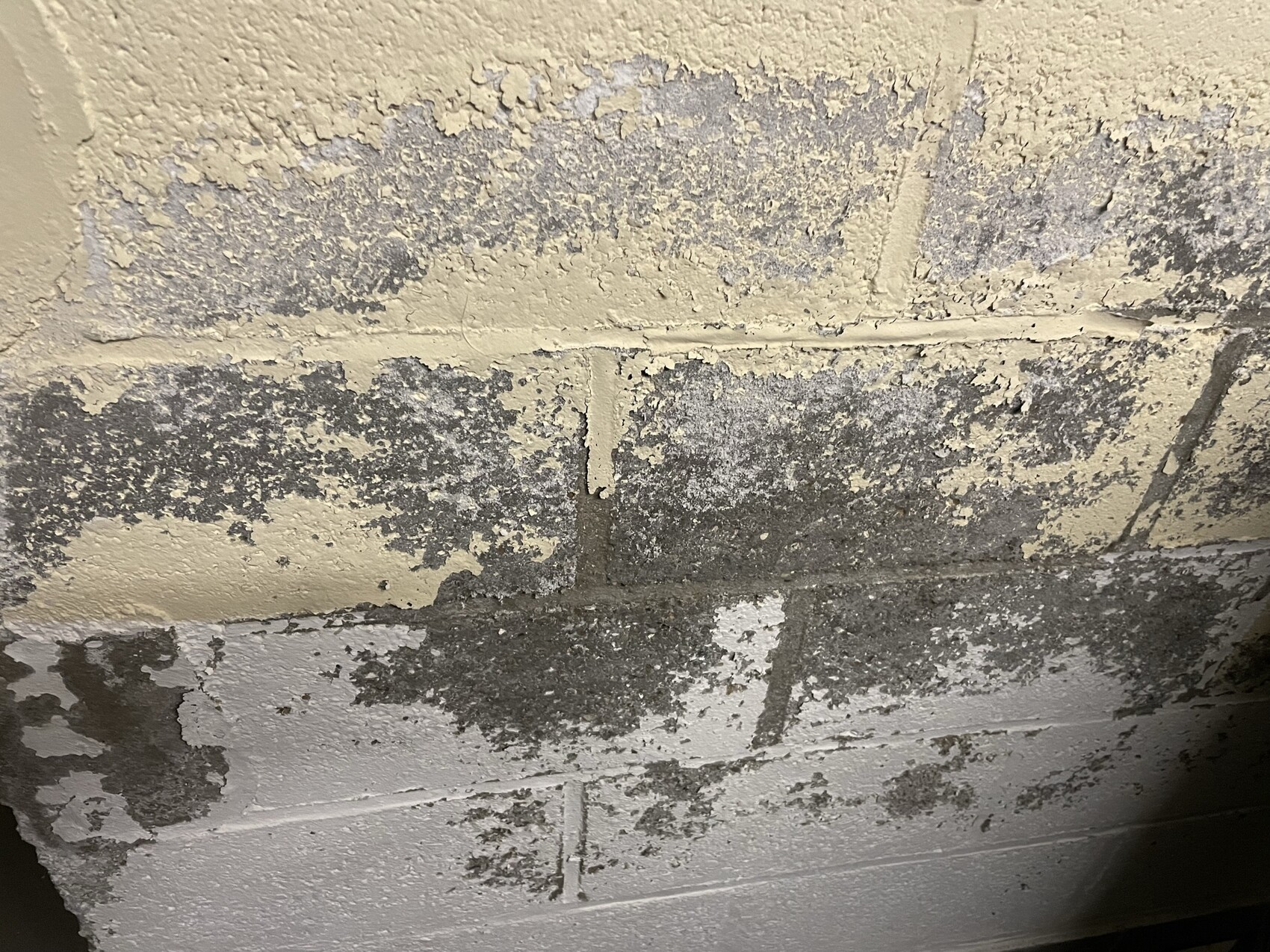
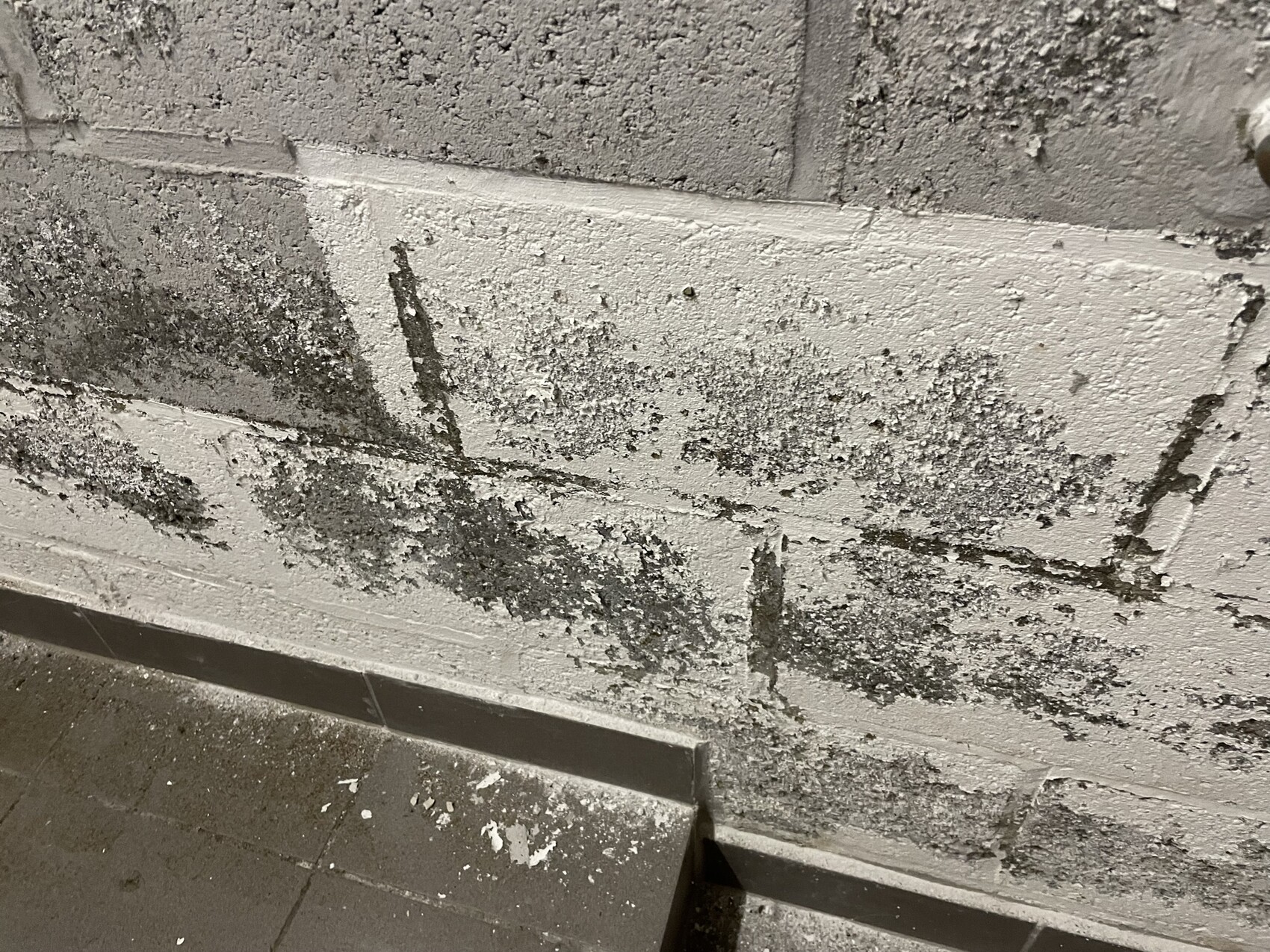
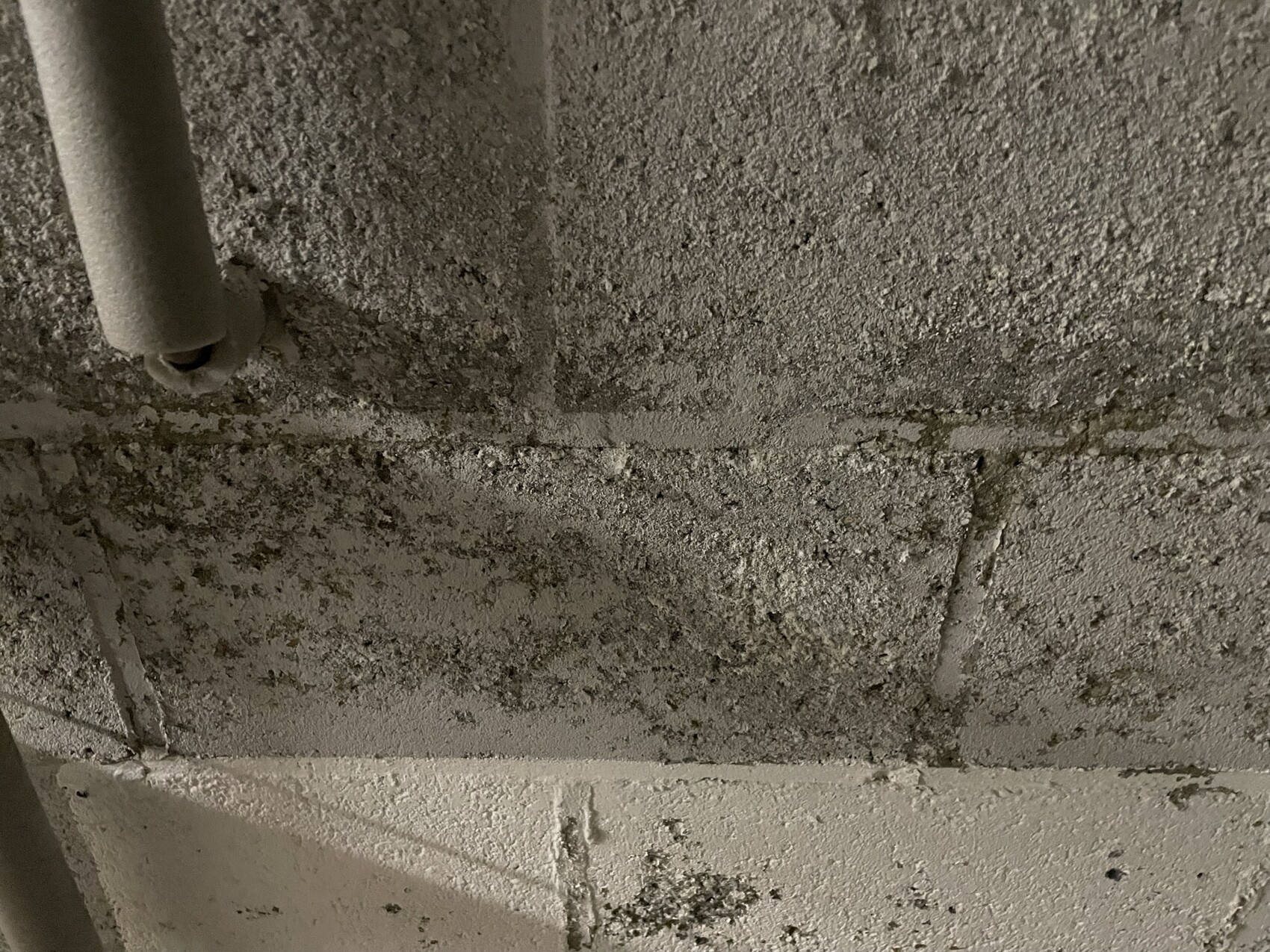
We are in the process of buying a house built in 1991, which we have also been living in for almost two years, so we basically know its flaws and issues. Yesterday, a building surveyor came and did not find any additional defects.
Besides the poor insulation of the attic floor, the biggest problem is the damp basement. We have saltpeter efflorescence on several walls. During the first summer, a lot of wood I had stored in the basement molded, which was most likely because I kept the basement windows open all summer. By now, I realize that wasn’t a very smart choice.
The surveyor mentioned two options: either excavate everything and waterproof from the outside or use a resin injection method from the inside. I would really prefer not to excavate because both terraces would have to be removed, as well as the landscaping. For the resin injection, I have a quote from acquaintances from 2021, which was €480/m² (about $480/sq ft). For the size of the basement, that would be about €50,000 ($50,000) without considering inflation, so probably closer to €60,000 ($60,000).
Now my question is, how urgent is the problem? How damaging is it to the building structure?
In my research, I have often seen the recommendation to first apply a horizontal barrier and then a vertical barrier from the inside. This would keep the basement itself dry, but the masonry would still remain damp. Is that even useful?
Would proper ventilation in the basement perhaps already help? The basement is only meant to be used as storage and a workshop, where I build things every few weeks. So it doesn’t actually need to be as dry as living spaces, but I have also read that moisture can eventually rise into the ground floor.
Additionally, the interior walls are the most affected, which I cannot explain. Pictures 1 and 4 show exterior walls; pictures 2 and 3 show interior walls.
Thank you very much in advance for your help!
 HausKaufBayern16 Jan 2024 12:56
I’m following along.
We also have some efflorescence on a wall in the basement that faces the ground.
I would first try heating and using a dehumidifier. 60,000€ for such a measure (resin injection)? That’s insane.
We also have some efflorescence on a wall in the basement that faces the ground.
I would first try heating and using a dehumidifier. 60,000€ for such a measure (resin injection)? That’s insane.
I
ismon_rlp16 Jan 2024 13:49If the water or moisture comes from outside, heating and dehumidifying may actually increase efflorescence. Efflorescence consists of salts and minerals dissolved from the stone by water, which remain behind when the water evaporates. The more water evaporates, the more salts are left behind.
As a layperson, I have learned to always address the root cause. Why is water penetrating from the outside? Which plants are located and how close are they to the house? I would check to see if there is a connection. After all, waterproofing slurries for the exterior already existed in 1991... for some reason, you must have leaks somewhere...
J
jens.knoedel16 Jan 2024 14:08Narma89 schrieb:
The biggest problem is the damp basement. We have efflorescence on several walls.How damp is the basement actually?Narma89 schrieb:
The building expert mentioned two options: either excavate everything and waterproof from the outside, or use resin injection from the inside.I would always address the root cause. This could be the missing or defective external waterproofing. So dig out and waterproof from the outside. On that occasion, you could also insulate the basement from the outside. These are indeed tasks where you can put in a lot of DIY effort (if you want) and carry them out gradually.Similar topics