
Hello dear forum members,
We are currently building our dream home with a general contractor and I would like to ask for your advice on one of the remaining issues. The single-family house measures 14m x 8m (46ft x 26ft) and is fully clad with brick veneer. During an inspection by our independent expert, they criticized the absence of expansion joints. Apparently, these were not included in our general contractor’s plans, and the bricklayer did not install them accordingly. After a thorough review of the situation by the general contractor and the bricklayer, it was decided to cut a total of four expansion joints afterwards. Unfortunately, we are more than disappointed with the result—my wife even cried the first time she saw the joints. Unlike the approximately 1.5cm (0.6 inches) width of all the other joints, the cut expansion joints measure almost exclusively more than 3cm (1.2 inches). If a regular joint happens to be next to a cut joint, their widths add up, resulting in a visually quite disastrous effect (see photos).
The construction manager gave us hope that the appearance would improve after grouting the joints, but from our point of view, this has not been the case. Our expert also says he has never seen anything like this before. With the final inspection approaching quickly, we are wondering what to do. Of course, we have already informed the construction manager that we consider the execution of the joints to be defective. At the moment, we are planning to somehow conceal the joints after handover—either by coloring them to match the bricks or by using a trim. However, at least a substantial compensation from the general contractor would be expected. This can’t be acceptable, can it? If not, how would you assess the damage? Is this “just” a visual defect, or is it also a functional problem? Could we, in theory, demand that the affected section of the facade be replaced?
I would really appreciate your expert opinion. If I have forgotten any important details, please let me know briefly.
Thank you in advance and best regards from the north,
Simon
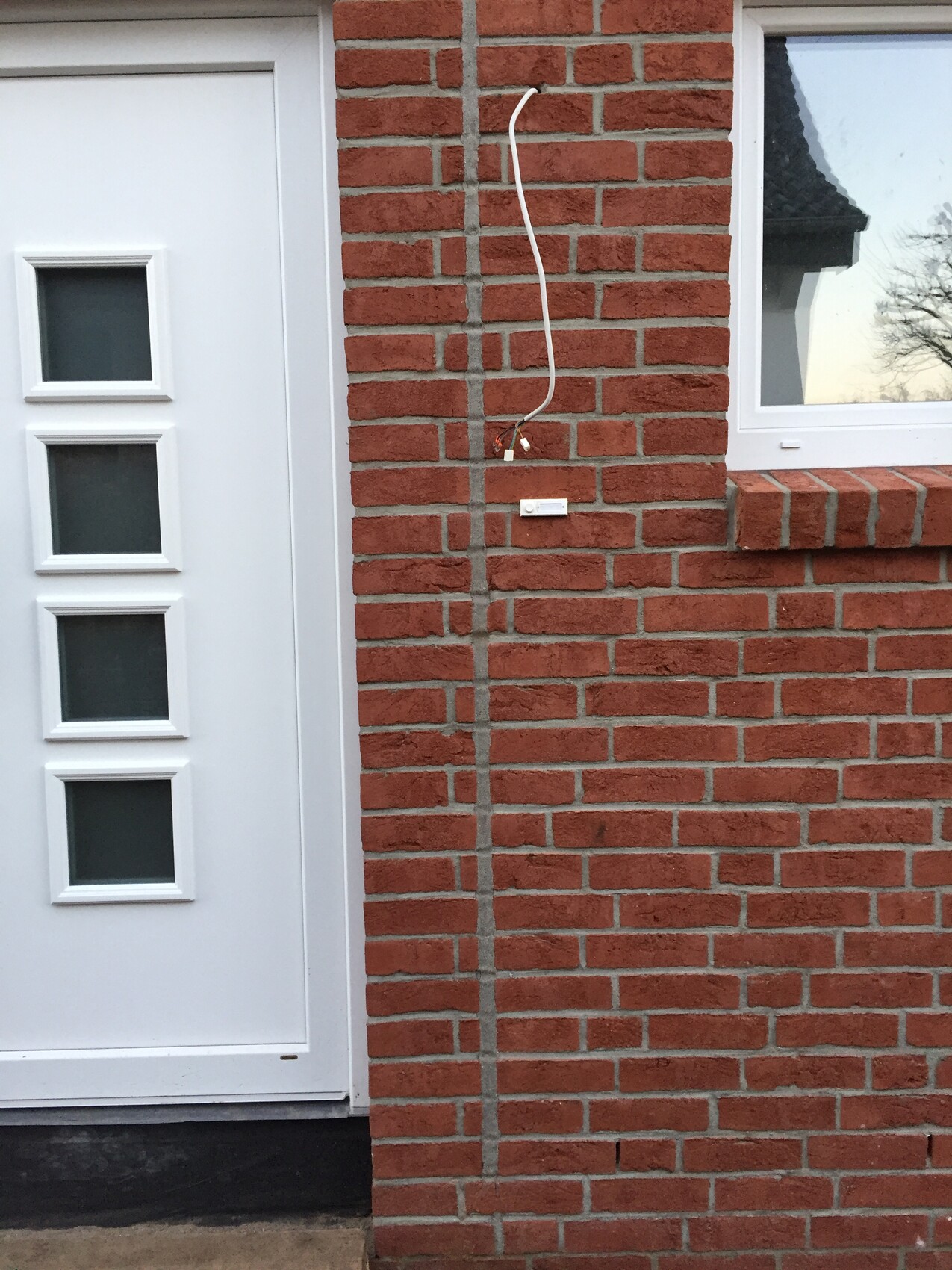
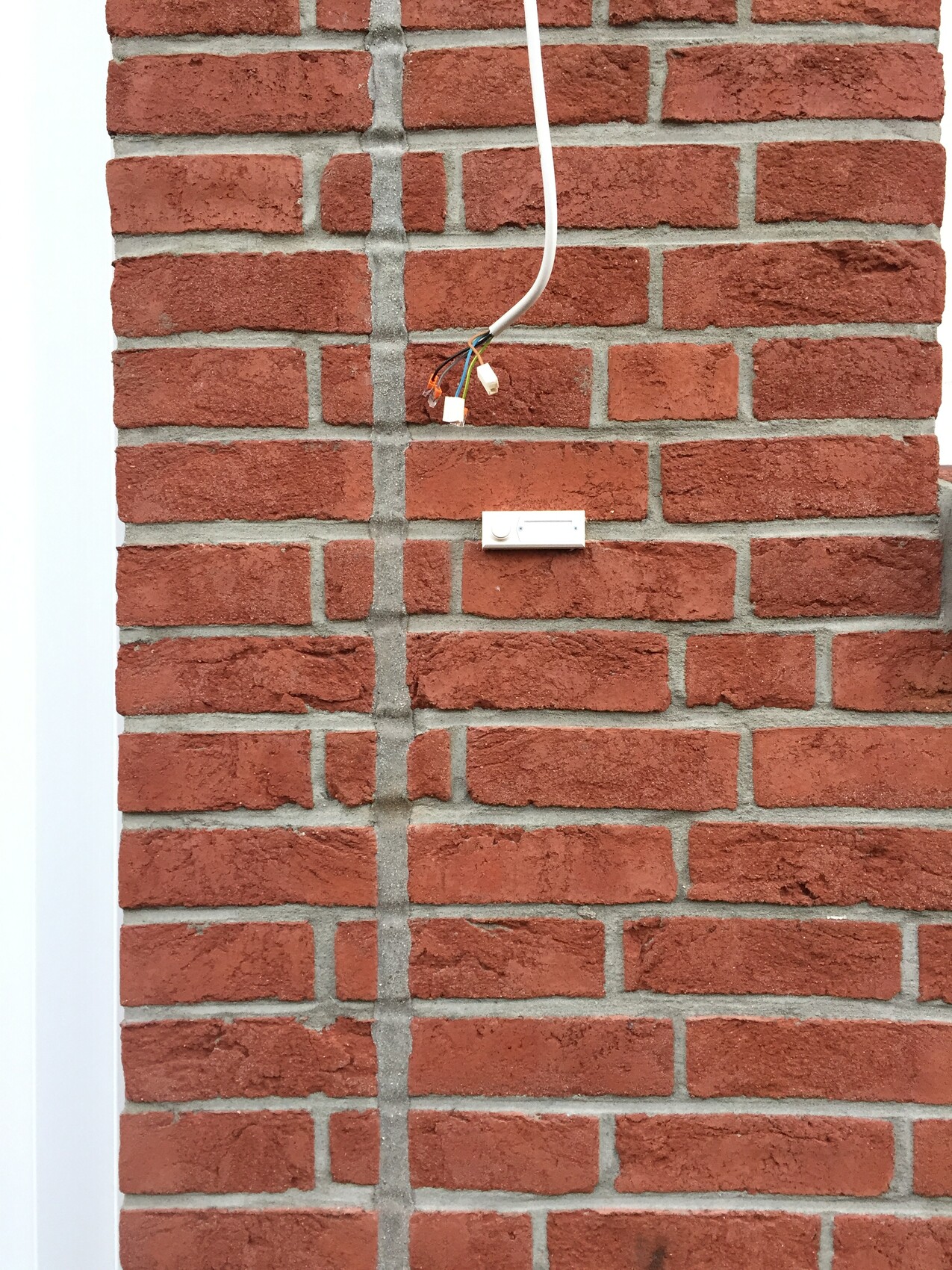
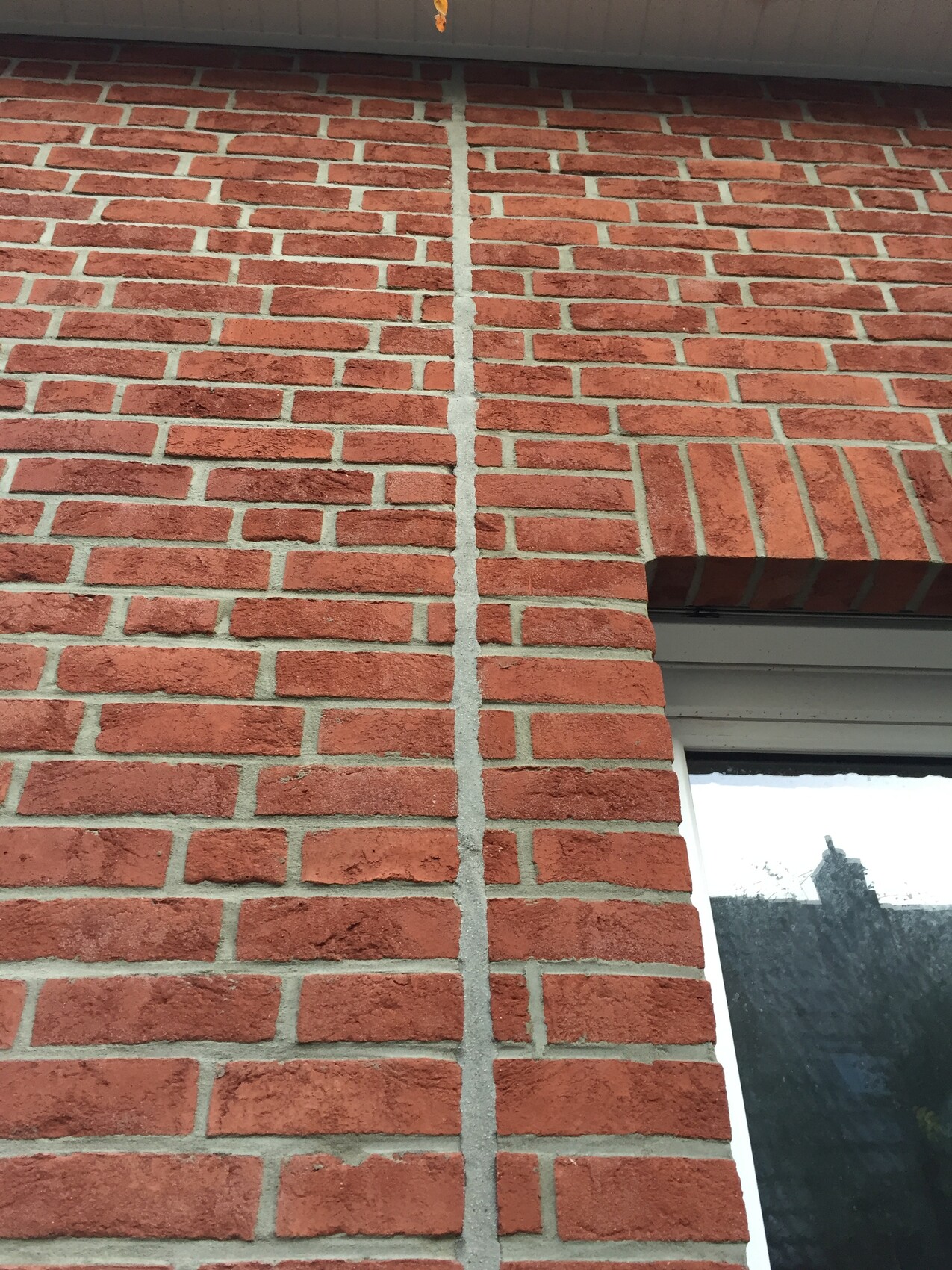
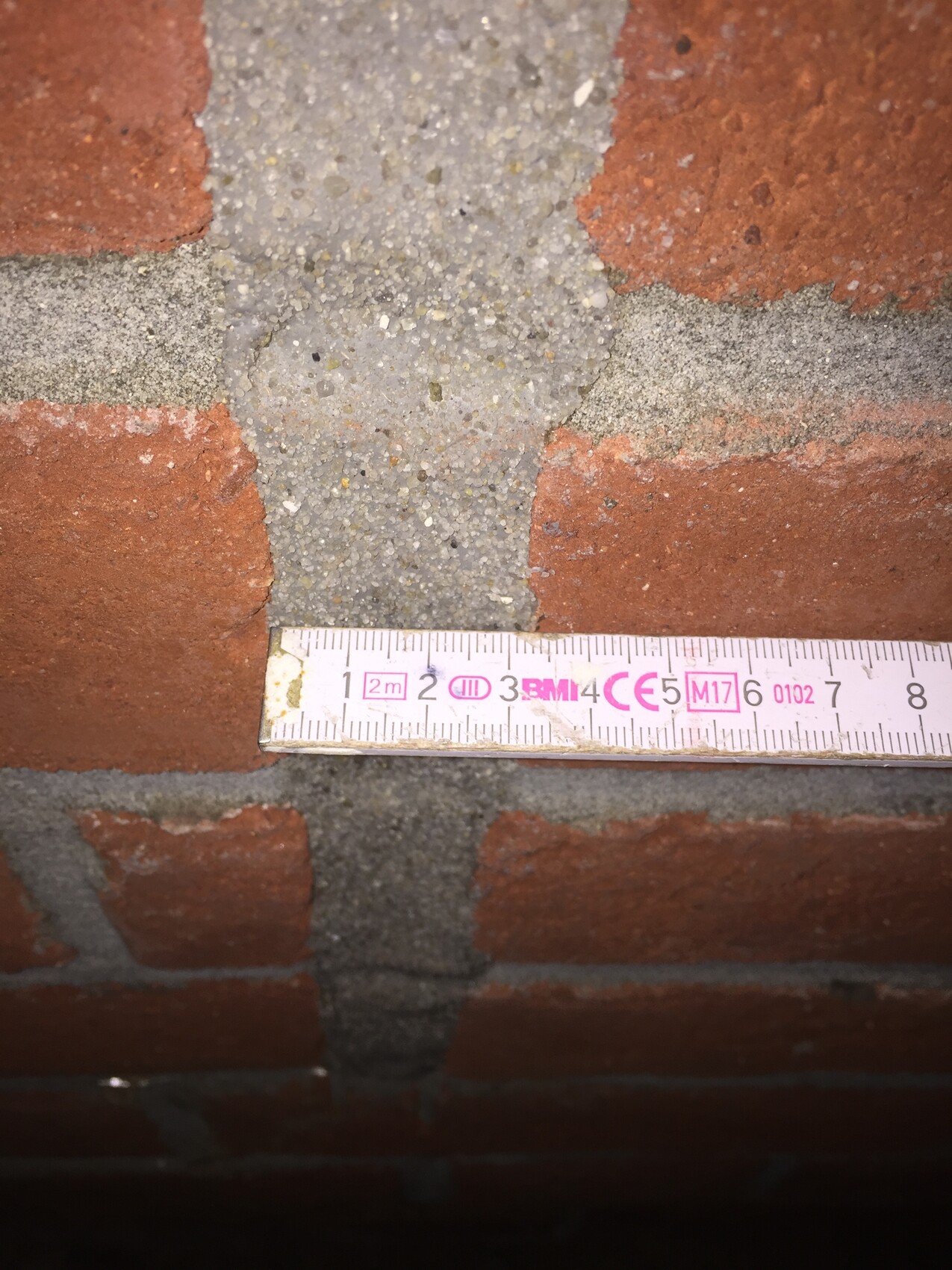
We are currently building our dream home with a general contractor and I would like to ask for your advice on one of the remaining issues. The single-family house measures 14m x 8m (46ft x 26ft) and is fully clad with brick veneer. During an inspection by our independent expert, they criticized the absence of expansion joints. Apparently, these were not included in our general contractor’s plans, and the bricklayer did not install them accordingly. After a thorough review of the situation by the general contractor and the bricklayer, it was decided to cut a total of four expansion joints afterwards. Unfortunately, we are more than disappointed with the result—my wife even cried the first time she saw the joints. Unlike the approximately 1.5cm (0.6 inches) width of all the other joints, the cut expansion joints measure almost exclusively more than 3cm (1.2 inches). If a regular joint happens to be next to a cut joint, their widths add up, resulting in a visually quite disastrous effect (see photos).
The construction manager gave us hope that the appearance would improve after grouting the joints, but from our point of view, this has not been the case. Our expert also says he has never seen anything like this before. With the final inspection approaching quickly, we are wondering what to do. Of course, we have already informed the construction manager that we consider the execution of the joints to be defective. At the moment, we are planning to somehow conceal the joints after handover—either by coloring them to match the bricks or by using a trim. However, at least a substantial compensation from the general contractor would be expected. This can’t be acceptable, can it? If not, how would you assess the damage? Is this “just” a visual defect, or is it also a functional problem? Could we, in theory, demand that the affected section of the facade be replaced?
I would really appreciate your expert opinion. If I have forgotten any important details, please let me know briefly.
Thank you in advance and best regards from the north,
Simon

The discussion is about the implementation of expansion joints in general, not your precast lintels.
As far as I have read, these do not always have to be separated; only if they are connected to the inner leaf. In your case, this was structurally necessary due to the corner window (no support), but it does not always have to be done this way.
As far as I have read, these do not always have to be separated; only if they are connected to the inner leaf. In your case, this was structurally necessary due to the corner window (no support), but it does not always have to be done this way.
H
HilfeHilfe11 Dec 2019 07:5311ant schrieb:
After six thousand posts, you seriously still haven’t realized that you don’t need to write an empty post (and in my opinion, you really shouldn’t, out of netiquette) just to subscribe to the thread? ? ? ? ? no....
H
havanabee11 Dec 2019 11:05To turn this "emergency joint" into an advantage, I would consider the possibility of installing a light strip in this position. This could conceal the joint and might even look better than expected...

havanabee schrieb:
considering the possibility of a light strip at this position. That could help to conceal the joint.Conceal with light? – sounds contradictory, but if I think about it carefully: when I was young, there was a detective who did exactly that. No one would expect a detective to be sitting in a red Ferrari, because when shadowing someone, the cliché is to be unobtrusive.https://www.instagram.com/11antgmxde/
https://www.linkedin.com/company/bauen-jetzt/