
Hello everyone,
We are currently in the drying phase of the screed, which started being heated according to the drying program on Monday.
Unfortunately, since last summer, we have had an issue with water ingress because the builder did not manage to prevent water from penetrating through the roof terrace. To this day, the terrace is still not properly waterproofed, and the drainage of the roof terrace was also not carried out professionally.
An expert already visited in October/November and prepared a corresponding report, which we have forwarded to the responsible company. Our question about whether using a dehumidifier in November/December would have made sense was consistently denied.
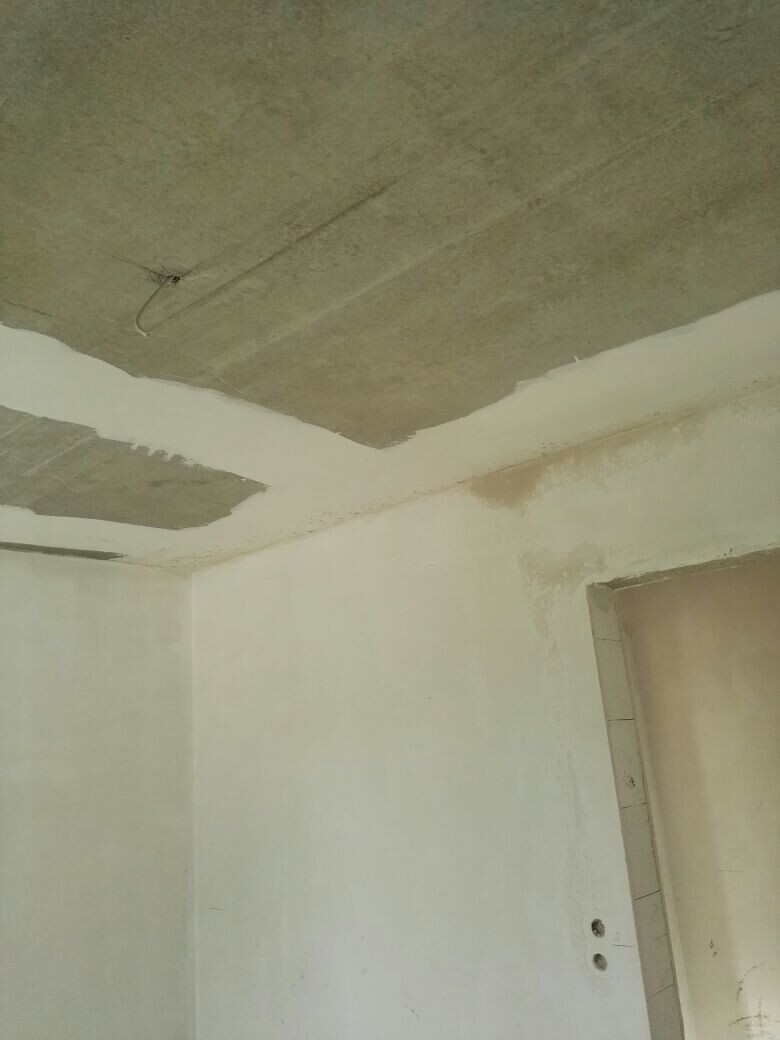
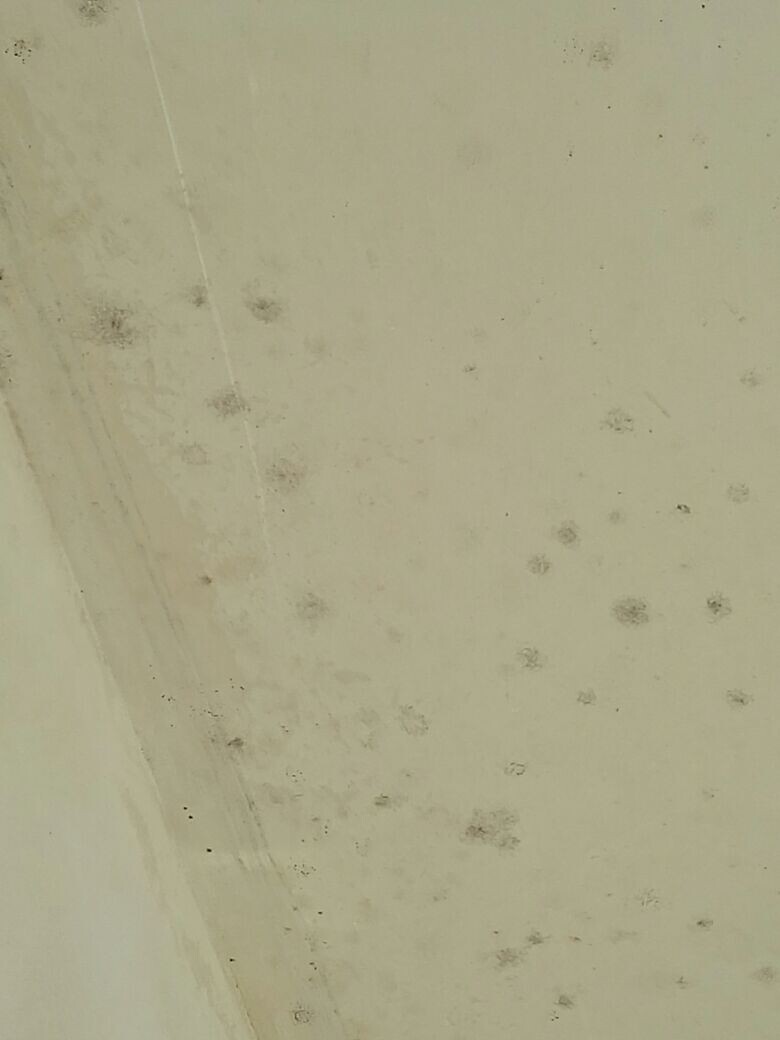
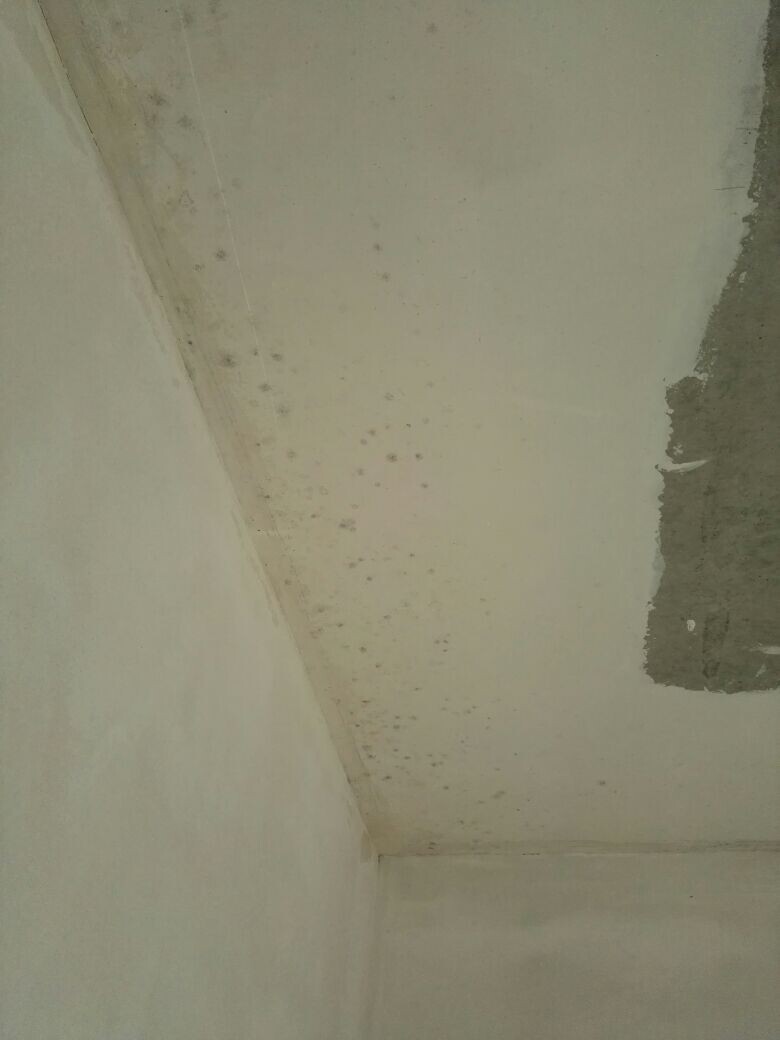
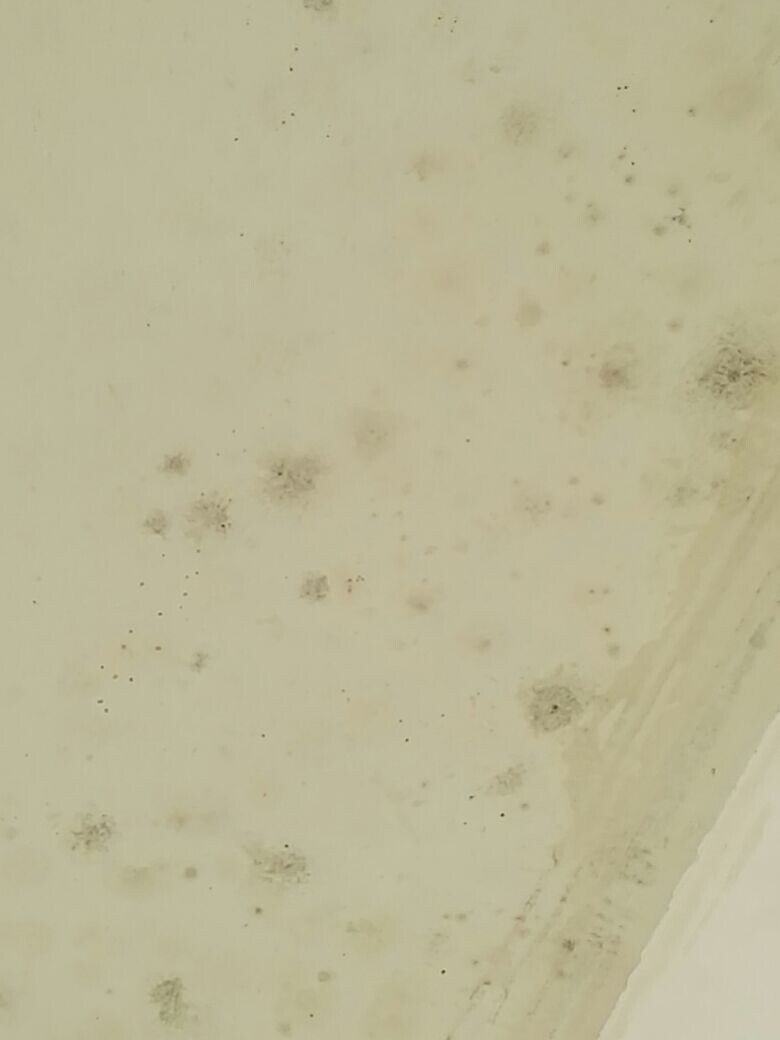
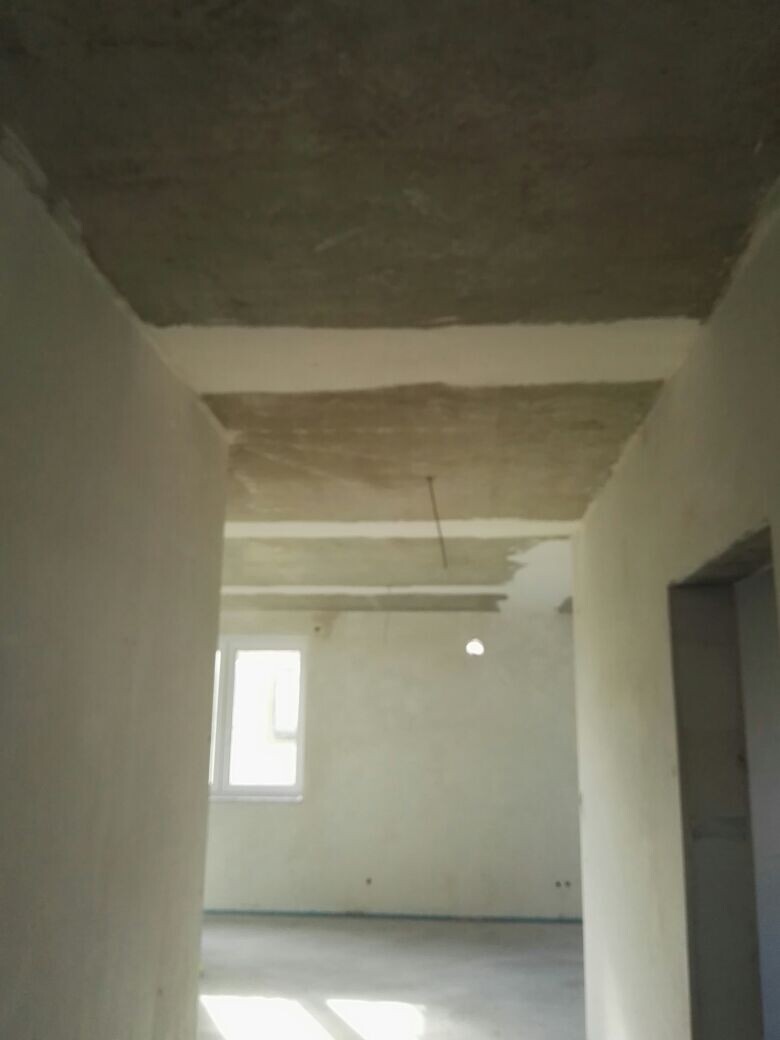
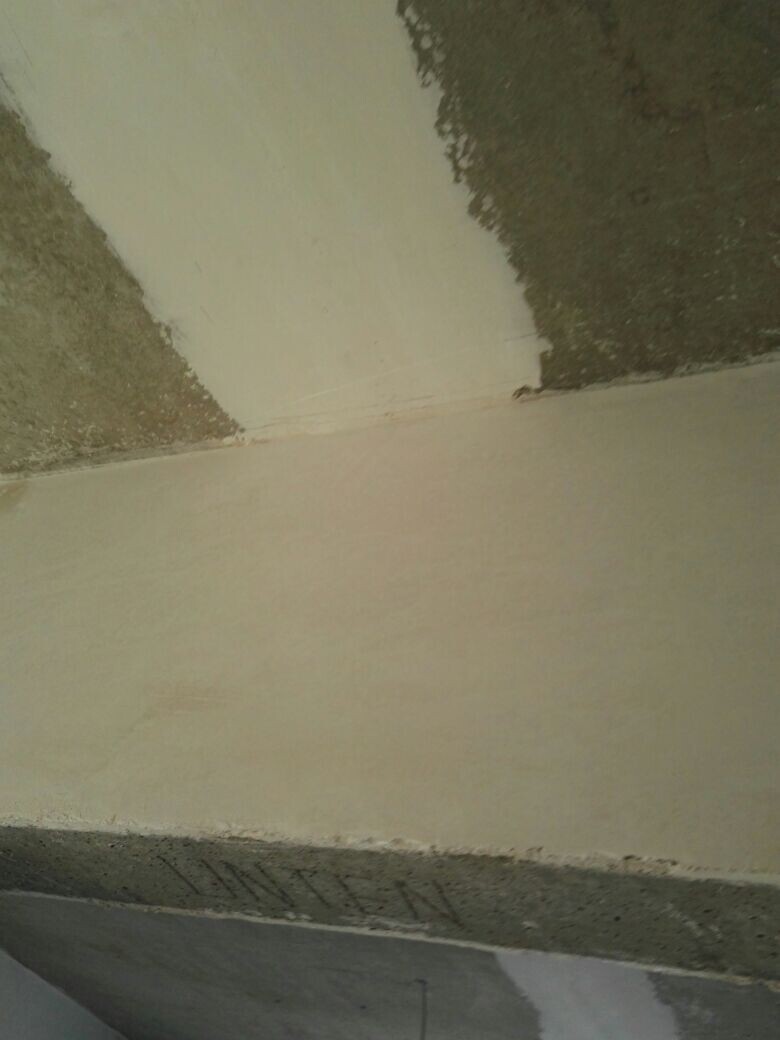
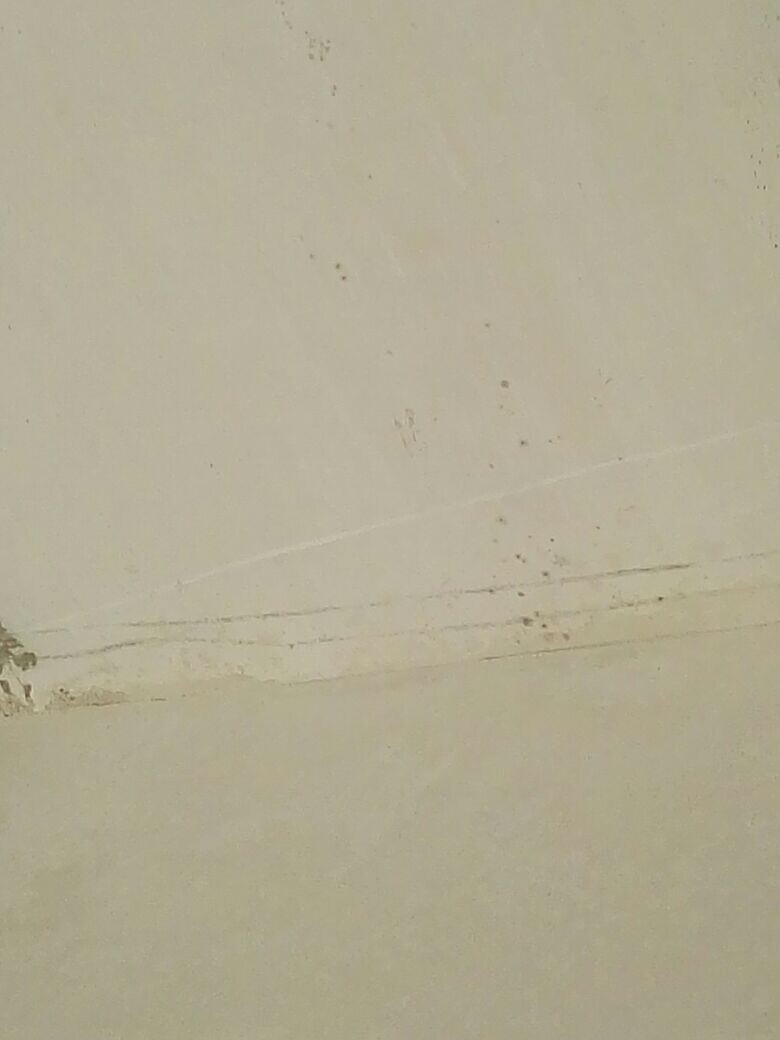
As of now, we have areas on the walls that have been soaked by rain since summer and look like mold. Or could this be caused by the heating process? I am not an expert here and am building my first house. 🙁
Unfortunately, the responsible company has not communicated with us since October, and letters sent by registered mail with return receipt remain unanswered. We have an appointment with a lawyer next Monday regarding several other issues, but that is just an aside.
We are currently in the drying phase of the screed, which started being heated according to the drying program on Monday.
Unfortunately, since last summer, we have had an issue with water ingress because the builder did not manage to prevent water from penetrating through the roof terrace. To this day, the terrace is still not properly waterproofed, and the drainage of the roof terrace was also not carried out professionally.
An expert already visited in October/November and prepared a corresponding report, which we have forwarded to the responsible company. Our question about whether using a dehumidifier in November/December would have made sense was consistently denied.
As of now, we have areas on the walls that have been soaked by rain since summer and look like mold. Or could this be caused by the heating process? I am not an expert here and am building my first house. 🙁
Unfortunately, the responsible company has not communicated with us since October, and letters sent by registered mail with return receipt remain unanswered. We have an appointment with a lawyer next Monday regarding several other issues, but that is just an aside.
K
Knallkörper12 Jan 2018 13:29Before that is dry, mold prevention probably doesn’t make much sense. Have you placed any hygrometers?
Knallkörper schrieb:
Before it is dry, mold remediation probably doesn’t make much sense. Have you set up any hygrometers?Yes. We have some in the apartment downstairs. Unfortunately, our "co-builders" in the upstairs apartment do not. On our two floors, we have humidity levels between 58% and 60%. Upstairs, since it is a sauna, presumably much higher.
T
toxicmolotof12 Jan 2018 14:53We should keep the building closed during plastering. For the next 3 days, we should ventilate by fully opening windows and doors several times a day—about 6 to 8 times, not just twice. Each time, open everything for 5 to 10 minutes, then close again. This started even before the screed heating phase and continued well beyond it. Basically, this was necessary the whole time, with slightly less ventilation during dry weather. However, it’s important to check the hygrometers on each floor every few hours, since the indoor climate can vary throughout the house.
In the case of the original poster, moisture levels were clearly lower. Additionally, the last two months were more like a wet autumn than a cold winter. I think this probably means there was simply not enough moist air.
So far, the problem should still be solvable with purely mineral-based plaster.
In the case of the original poster, moisture levels were clearly lower. Additionally, the last two months were more like a wet autumn than a cold winter. I think this probably means there was simply not enough moist air.
So far, the problem should still be solvable with purely mineral-based plaster.
Similar topics