
Hello everyone,
We are currently in the drying phase of the screed, which started being heated according to the drying program on Monday.
Unfortunately, since last summer, we have had an issue with water ingress because the builder did not manage to prevent water from penetrating through the roof terrace. To this day, the terrace is still not properly waterproofed, and the drainage of the roof terrace was also not carried out professionally.
An expert already visited in October/November and prepared a corresponding report, which we have forwarded to the responsible company. Our question about whether using a dehumidifier in November/December would have made sense was consistently denied.
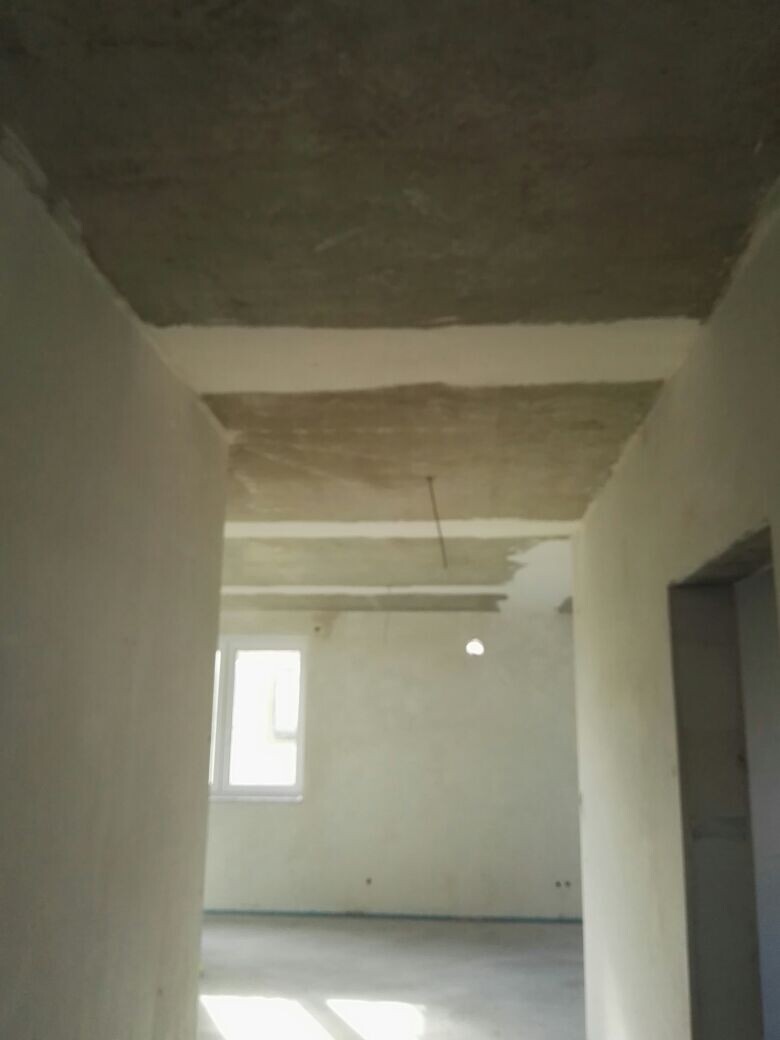
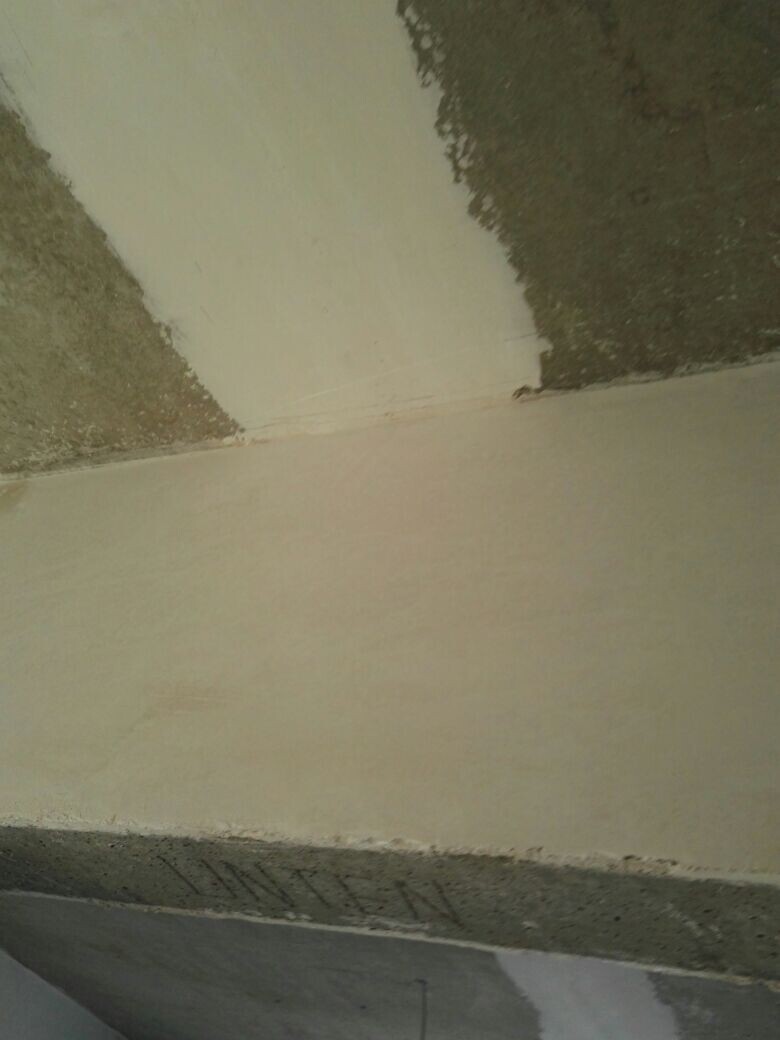
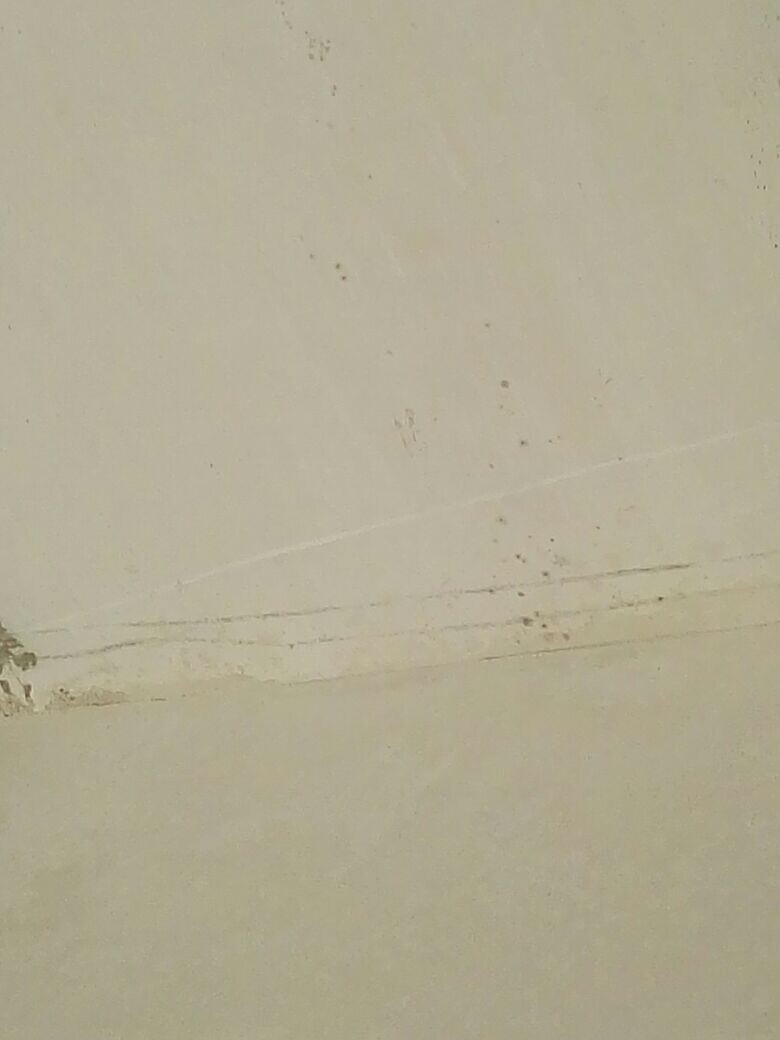
As of now, we have areas on the walls that have been soaked by rain since summer and look like mold. Or could this be caused by the heating process? I am not an expert here and am building my first house. 🙁
Unfortunately, the responsible company has not communicated with us since October, and letters sent by registered mail with return receipt remain unanswered. We have an appointment with a lawyer next Monday regarding several other issues, but that is just an aside.
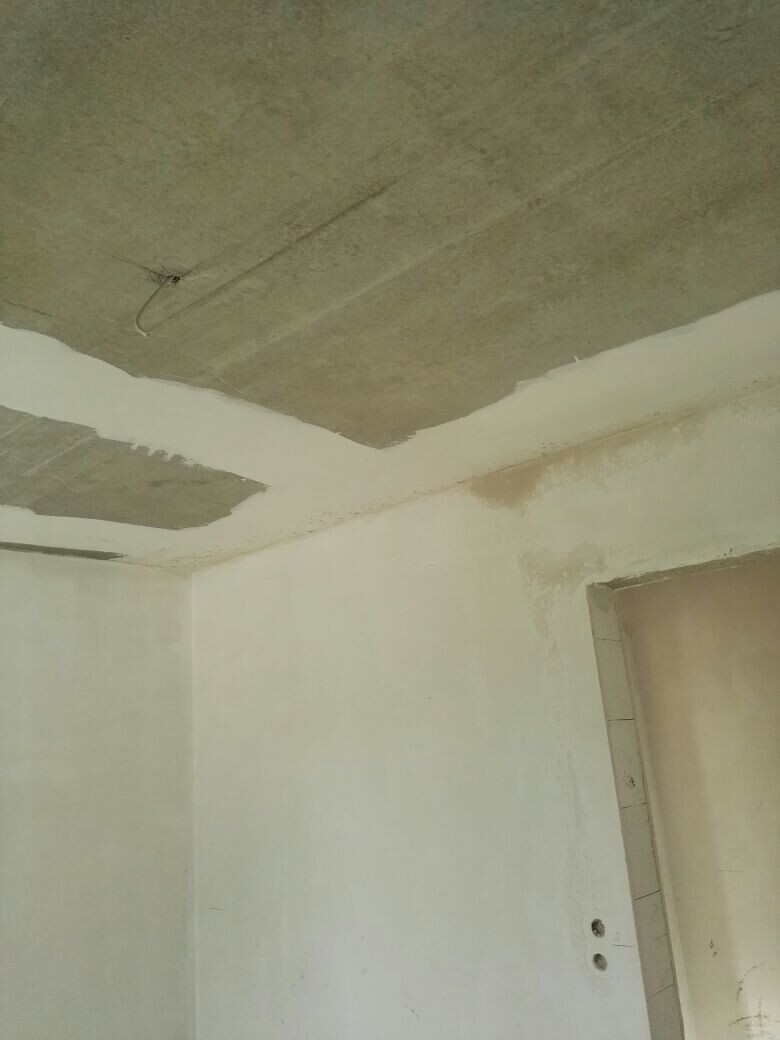
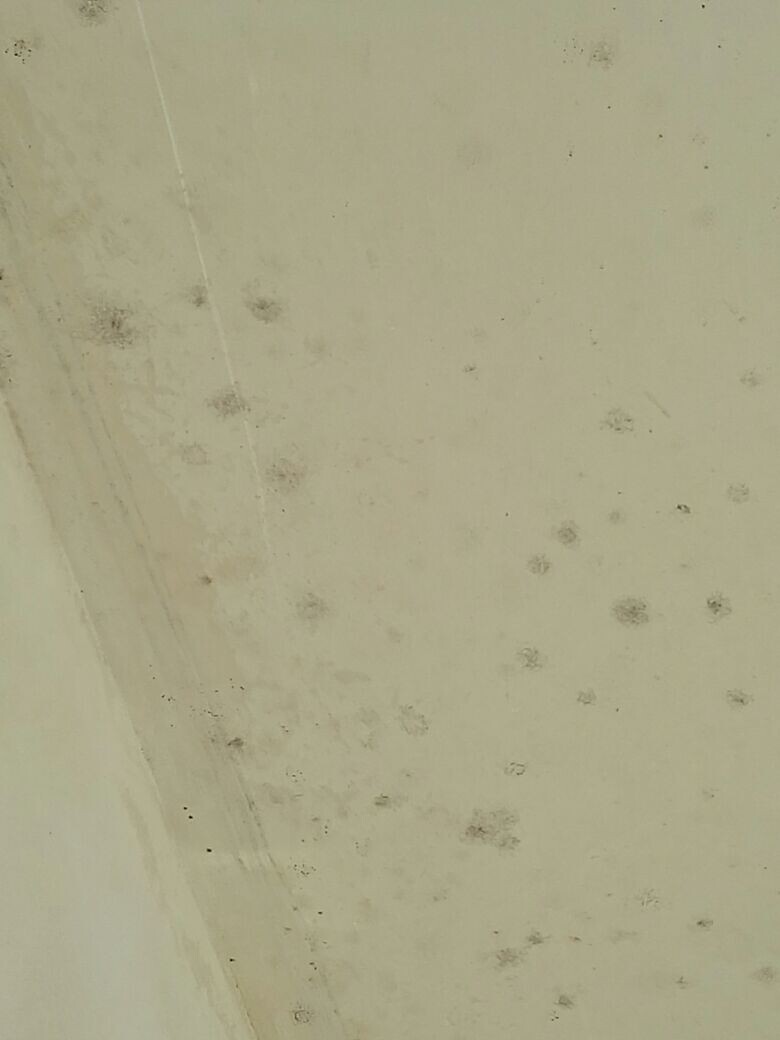
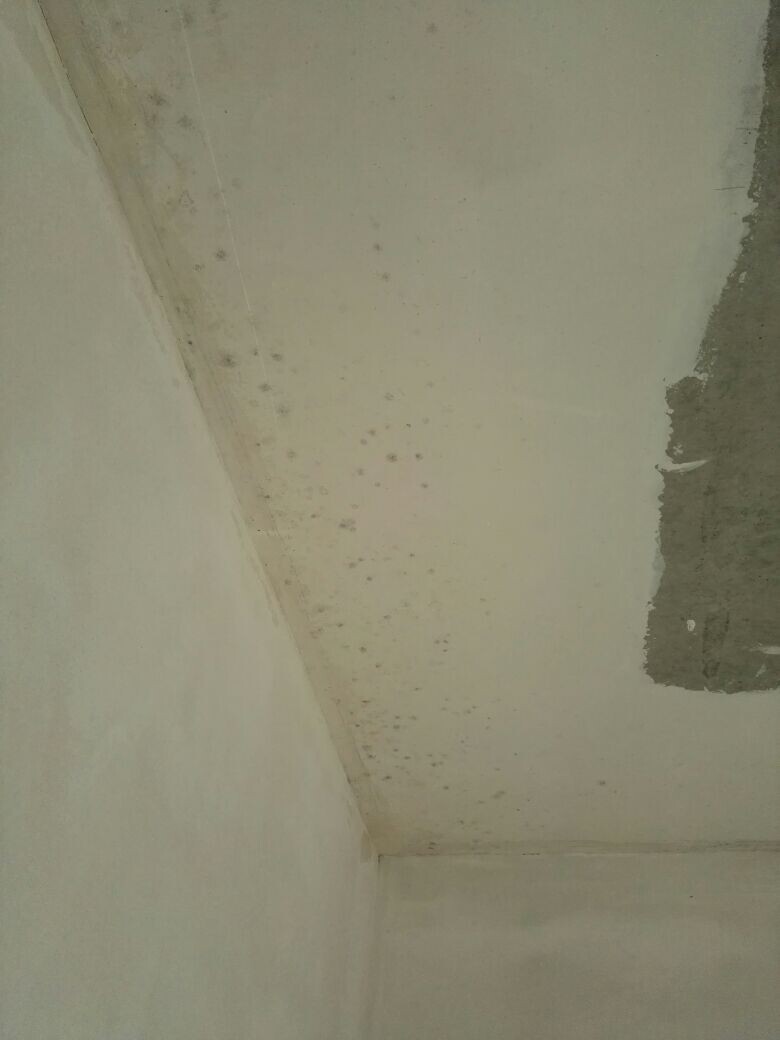
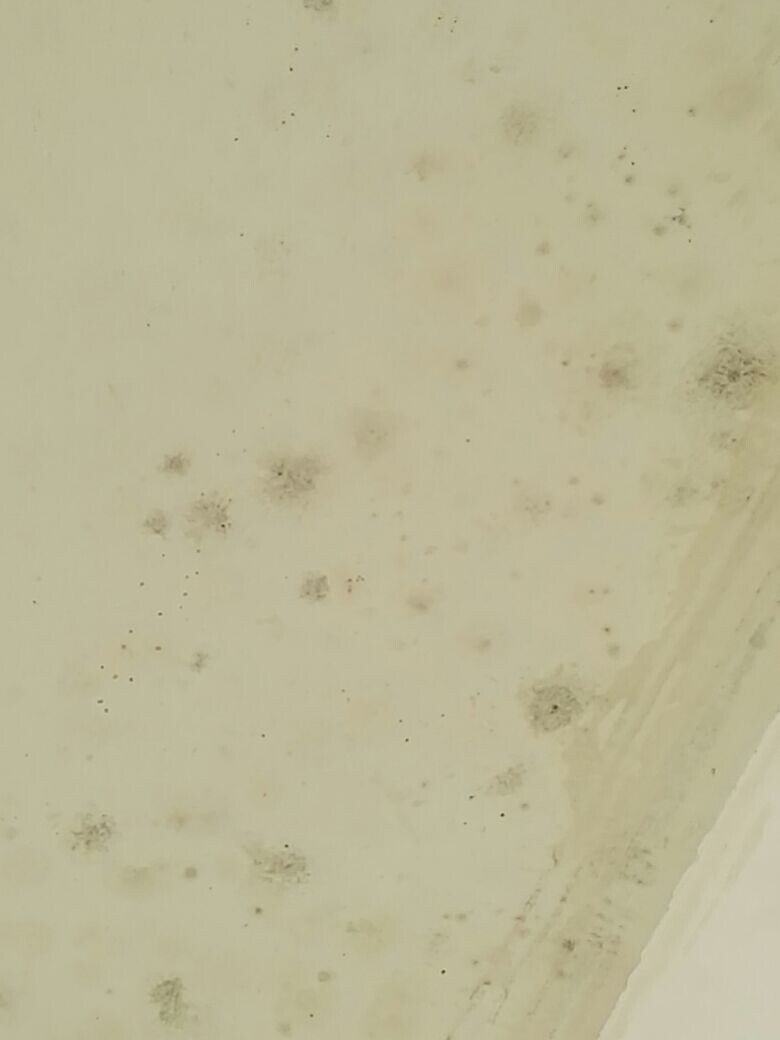
We are currently in the drying phase of the screed, which started being heated according to the drying program on Monday.
Unfortunately, since last summer, we have had an issue with water ingress because the builder did not manage to prevent water from penetrating through the roof terrace. To this day, the terrace is still not properly waterproofed, and the drainage of the roof terrace was also not carried out professionally.
An expert already visited in October/November and prepared a corresponding report, which we have forwarded to the responsible company. Our question about whether using a dehumidifier in November/December would have made sense was consistently denied.
As of now, we have areas on the walls that have been soaked by rain since summer and look like mold. Or could this be caused by the heating process? I am not an expert here and am building my first house. 🙁
Unfortunately, the responsible company has not communicated with us since October, and letters sent by registered mail with return receipt remain unanswered. We have an appointment with a lawyer next Monday regarding several other issues, but that is just an aside.
T
toxicmolotof12 Jan 2018 11:36Can you share any information about the ventilation?
As a layperson, it looks like mold to me, but not directly caused by the roof terrace. It seems more like a basic ventilation issue during or after the plastering and screed application.
As a layperson, it looks like mold to me, but not directly caused by the roof terrace. It seems more like a basic ventilation issue during or after the plastering and screed application.
I agree with the previous speaker about ventilation deficiencies.
Who is the client? A developer? In that case, the original poster (OP) is buying a finished building from them, and the developer, as the client, is responsible for ventilation.
Or is the OP the client? And the developer more of a contractor hired by them? Then it seems to me that the client has not properly managed their construction and is now surprised by the consequences. I may be wrong, but this is my initial impression. Karsten
Who is the client? A developer? In that case, the original poster (OP) is buying a finished building from them, and the developer, as the client, is responsible for ventilation.
Or is the OP the client? And the developer more of a contractor hired by them? Then it seems to me that the client has not properly managed their construction and is now surprised by the consequences. I may be wrong, but this is my initial impression. Karsten
Hello everyone,
We are the homeowners and during the initial drying phase (before heating up) we ventilated by fully opening the windows twice daily for about 30 minutes each time, and now during the heating phase, as often as possible, we ventilate 3-4 times daily for 15 minutes each.
The contractor doesn’t take any responsibility for the construction. But as mentioned before, that is another matter.
These ventilation instructions were given to us by the site manager.
We are the homeowners and during the initial drying phase (before heating up) we ventilated by fully opening the windows twice daily for about 30 minutes each time, and now during the heating phase, as often as possible, we ventilate 3-4 times daily for 15 minutes each.
The contractor doesn’t take any responsibility for the construction. But as mentioned before, that is another matter.
These ventilation instructions were given to us by the site manager.
Well, my information was different back then. During the drying phase, there should be constant airflow through the house. And also during the screed heating phase, heat with the windows open. Our windows were practically always open, and once a day I did additional rapid ventilation at the house, usually around 5 PM.
If there is mold, it should be killed. A one-to-five mixture of bleach and water will get rid of it. Definitely be careful with your clothes and so on, as it can quickly cause holes.
If there is mold, it should be killed. A one-to-five mixture of bleach and water will get rid of it. Definitely be careful with your clothes and so on, as it can quickly cause holes.
Nordlys schrieb:
Well, my information was different back then. I was told to have constant airflow through the house during the drying phase. And also to heat during the screed curing phase with the windows open. Our windows were practically always open, and once a day I would do additional shock ventilation around 5:00 PM.
If there is mold, it should be killed. A dilution of bleach (1 part bleach to 5 parts water) will do the job. Be careful with your clothes and such, as it can quickly cause holes.Hello Nordlys, that’s exactly what we are not supposed to do. That’s what I asked about as well.
Three people ask and five opinions....[emoji849][emoji23]
Similar topics