
Hello everyone,
I hope I’m in the right place with my questions. First of all, I understand that no precise statements can be made based on descriptions or photos alone.
Here are some preliminary details:
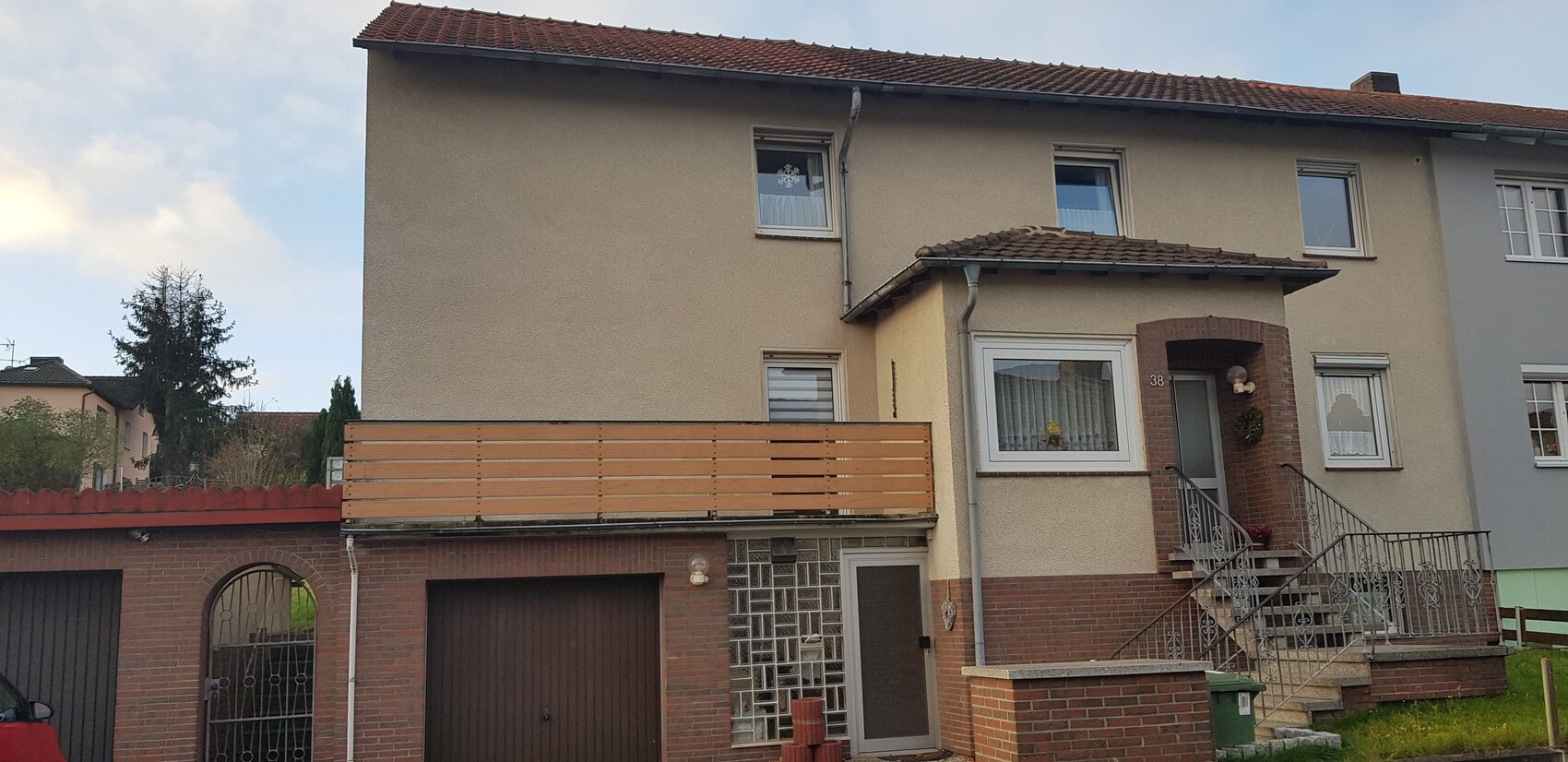
I have a house built in 1938 with an extension from 1970, totaling 200 sqm (2,150 sq ft) of living space plus a 100 sqm (1,075 sq ft) basement.
The windows date from 1979 and are double-glazed.
The radiators are still 95% finned tube heaters installed in radiator niches.
The gas boiler in the basement is about 20-25 years old.
The roof and upper floor ceiling are uninsulated.
The attic will NEVER be converted, so we want to have the roof re-covered with just an underlay membrane and insulate the upper floor ceiling.
Now we are facing the question of what to do about the windows and facade.
Since I would say the facade area is quite large, insulation will be correspondingly expensive. So my question is how much additional savings in percentage terms can be achieved by using triple-glazed instead of double-glazed windows combined with external wall insulation? Is there perhaps a general reference value?
Also, is there a reference value for the potential savings compared to the current situation when upgrading to double-glazed thermal insulation windows, insulating the upper floor ceiling, closing the radiator niches, installing new radiators, and a new heating system? I have searched various websites but unfortunately found no clear guidance.
I just want to get a sense of what percentage savings can be expected from such measures.
I hope I’m in the right place with my questions. First of all, I understand that no precise statements can be made based on descriptions or photos alone.
Here are some preliminary details:
I have a house built in 1938 with an extension from 1970, totaling 200 sqm (2,150 sq ft) of living space plus a 100 sqm (1,075 sq ft) basement.
The windows date from 1979 and are double-glazed.
The radiators are still 95% finned tube heaters installed in radiator niches.
The gas boiler in the basement is about 20-25 years old.
The roof and upper floor ceiling are uninsulated.
The attic will NEVER be converted, so we want to have the roof re-covered with just an underlay membrane and insulate the upper floor ceiling.
Now we are facing the question of what to do about the windows and facade.
Since I would say the facade area is quite large, insulation will be correspondingly expensive. So my question is how much additional savings in percentage terms can be achieved by using triple-glazed instead of double-glazed windows combined with external wall insulation? Is there perhaps a general reference value?
Also, is there a reference value for the potential savings compared to the current situation when upgrading to double-glazed thermal insulation windows, insulating the upper floor ceiling, closing the radiator niches, installing new radiators, and a new heating system? I have searched various websites but unfortunately found no clear guidance.
I just want to get a sense of what percentage savings can be expected from such measures.
HappyDee45 schrieb:
... be careful with external wall insulation on old houses without a ventilation system, etc. I did everything without KFW grants because it was too complicated and expensive to meet their requirements and conditions. I also did a lot of the work myself, managing it independently. Local tradespeople were involved, mostly friends from the village.
My personal view on these online discussions about indoor climate ... bla bla. Many DIY enthusiasts and people who work independently with friendly local tradespeople and skilled friends often don’t participate in online forums yet. It’s similar to the news ... you hear and read what the majority thinks and what you’re supposed to read. Don’t stress too much and work with local professionals instead of relying on online comments and YouTube videos. An energy consultant is naturally an option but not a must if you are doing everything yourself. It becomes necessary when subsidies are involved. But even then, there are theoretical and practical energy consultants. If you really need one because you don’t have good local trades contacts and want to claim subsidies, make sure it’s not just a pure energy consultant but maybe a tradesperson licensed to give advice.
... You come here with “online bla bla” and so on but start right away with general hearsay or “be careful with external wall insulation on old houses without a ventilation system, etc.” You might want to add “if there is no proper planning behind it or if it is planned and/or executed by incompetent pseudo-experts,” then I might agree with you.
Local tradespeople from the village often have outdated views by several decades. That might be fine for many applications but usually not for modernizing a house to current technical standards (even if you personally don’t see any benefits, many others appreciate the advantages of a modern house, especially in terms of living comfort). One wonders what you are doing in an online forum with such an attitude… you could just chat with your local contacts at the pub?!
People seek advice online because you cannot simply trust “local specialists” by default. As a layperson, it’s hardly possible to judge if the “expert” really knows their stuff without getting several opinions from at least somewhat neutral sources. That’s exactly what online forums allow—that’s their main purpose and they do it quite well. Of course, the actual work should be done by local professionals, but whether those professionals are truly experts, or experts from the previous decade, or just pretending to be, and so forth, is often not known.