
ᐅ L-shaped retaining wall boundary construction / concrete wedge protrudes onto my property and fill height
Created on: 18 Dec 2025 23:29
S
Spudder
Good evening everyone,
Our neighbors have just started building with a prefab house provider, supported by a salesperson who is overseeing and organizing the earthworks. Today I noticed that the excavator (who is also placing the L-shaped retaining blocks) has dumped and compacted a lot of gravel on my property. The first two L-blocks have already been set.
Now to the problem:
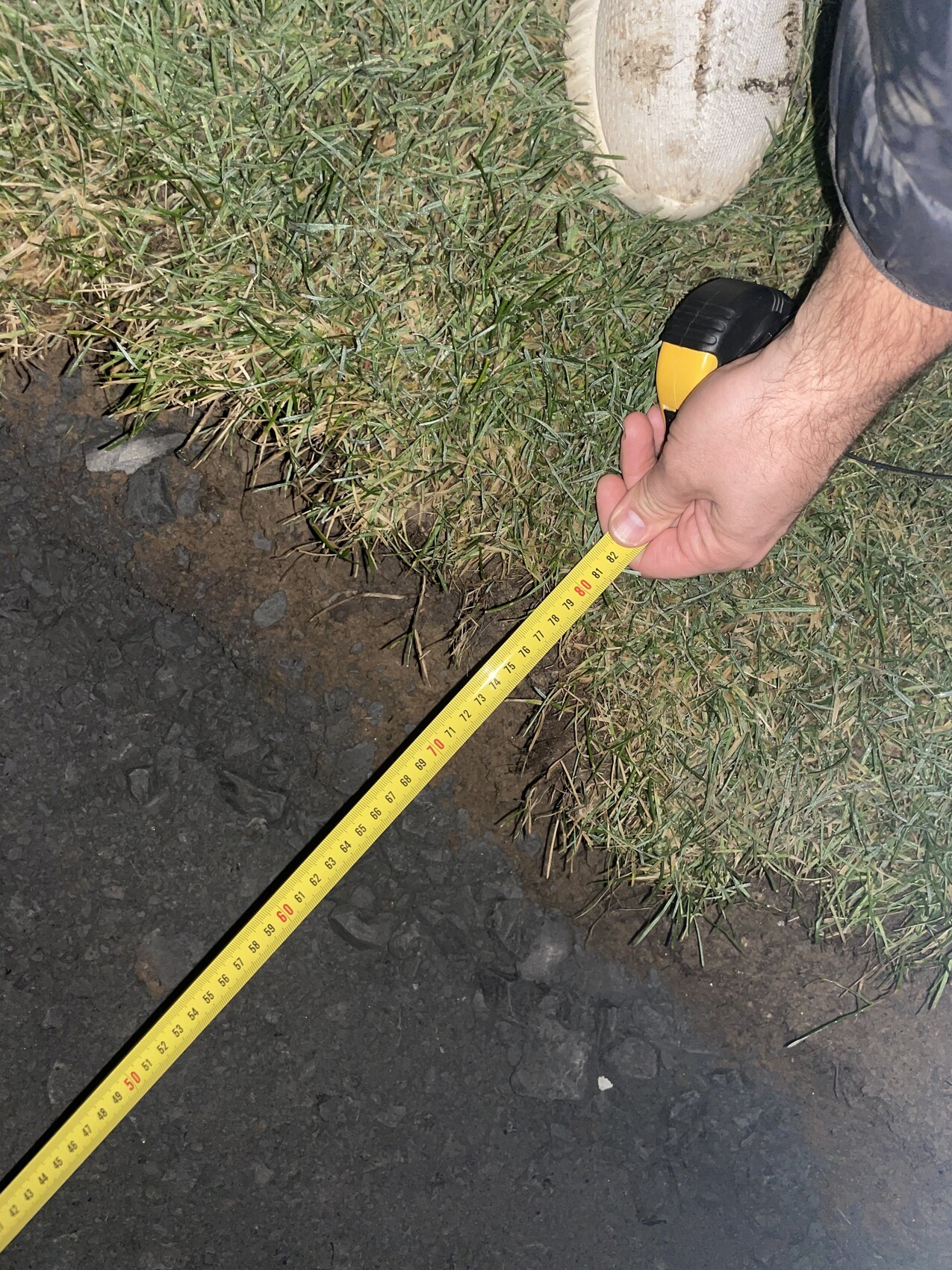
When I measure down from my lawn edge to the gravel layer, it’s only about 20-25 cm (8-10 inches) deep. From the property boundary into my land, however, between 40-100 cm (16-39 inches) of gravel has been laid.
Hardly anything will grow there, and deep-rooted plants won’t stand a chance, right? Let alone trees.
Also, the concrete wedge is on my side. Because of the maximum 25 cm (10 inches) depth and the additional concrete wedge (about 9 cm (3.5 inches) from the wedge to the top of the lawn), my grass will either dry out or constantly suffer from waterlogging, won’t it?
I’m generally okay with the neighbor laying gravel or placing the wedge on my side, but I would expect the gravel layer to start at least 50-60 cm (20-24 inches) deep. I suspect the L-blocks are too short or too small. Ones that extend deeper into the ground are needed.
Construction will continue tomorrow. What concerns can I raise and, above all, who is in the right here? I would like to express my concerns before it’s too late. How do you assess the situation?
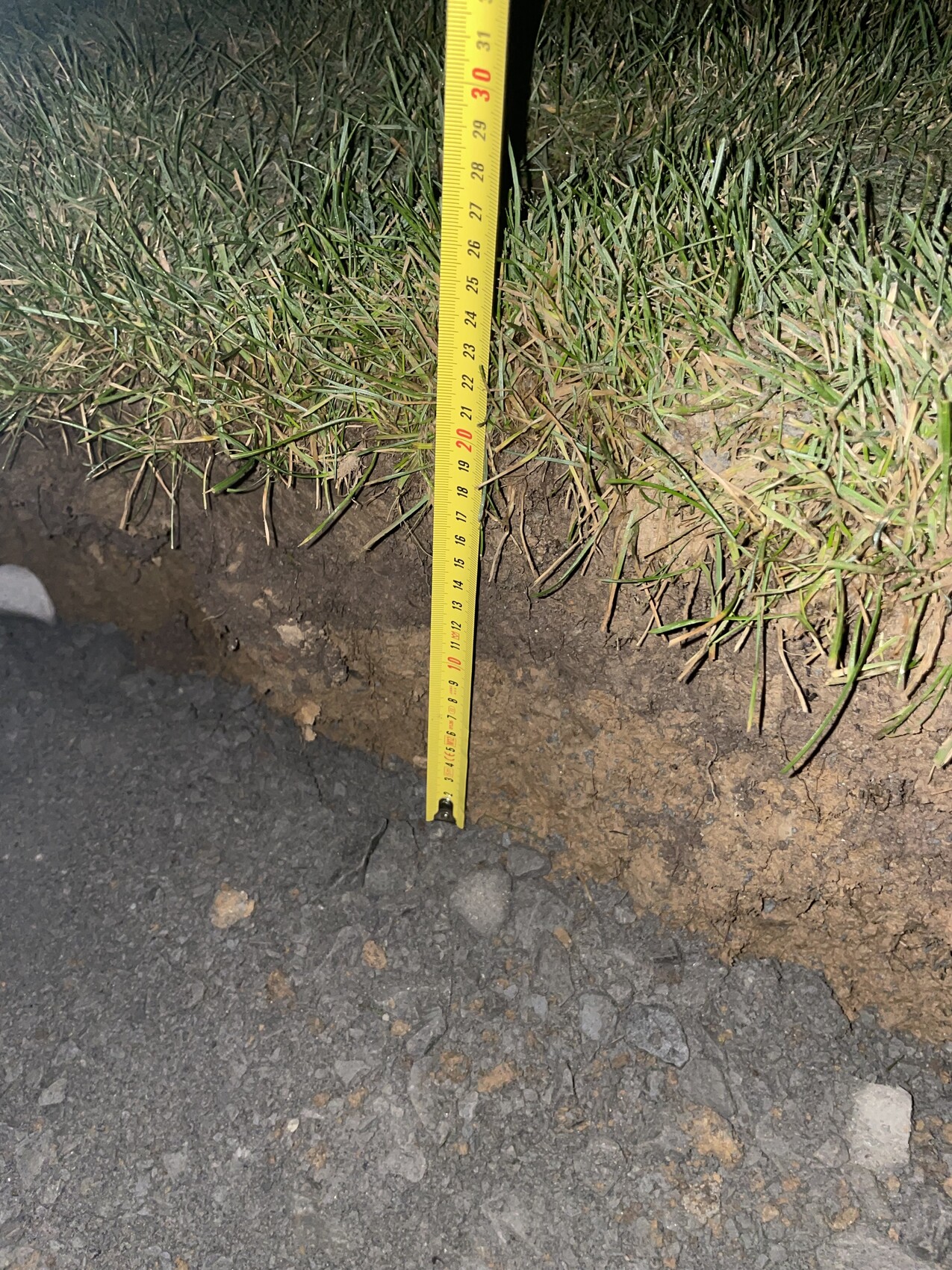
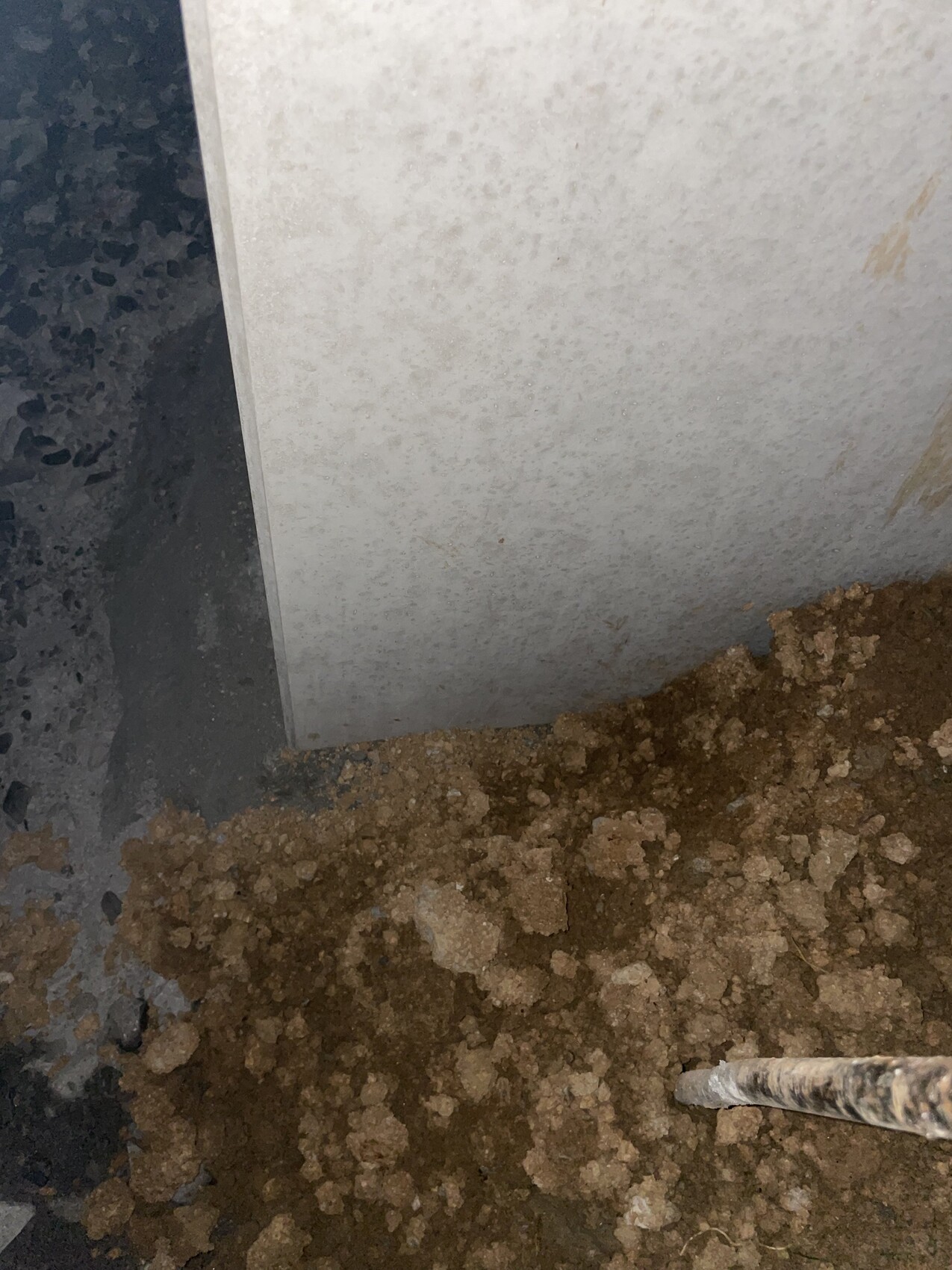
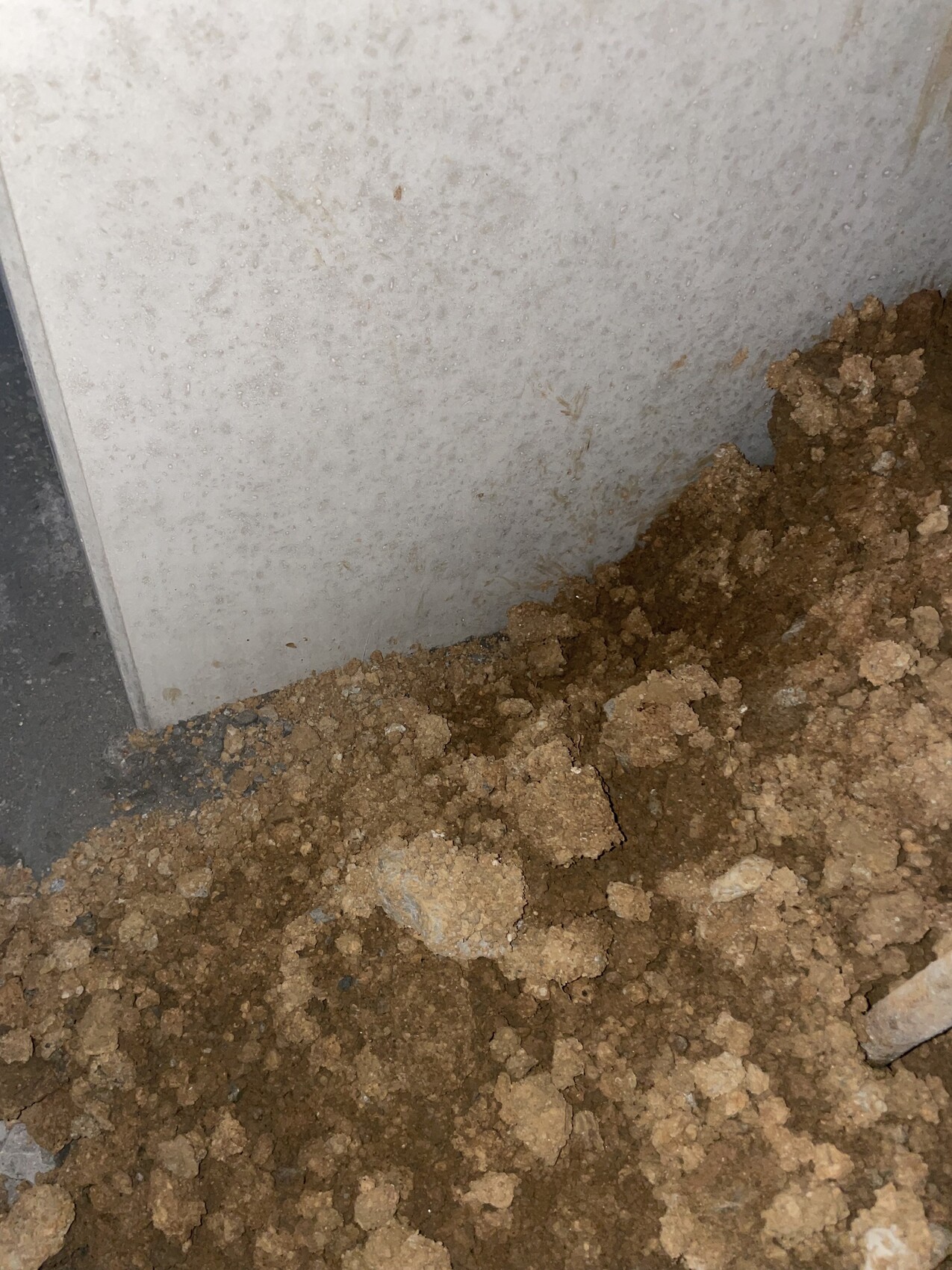
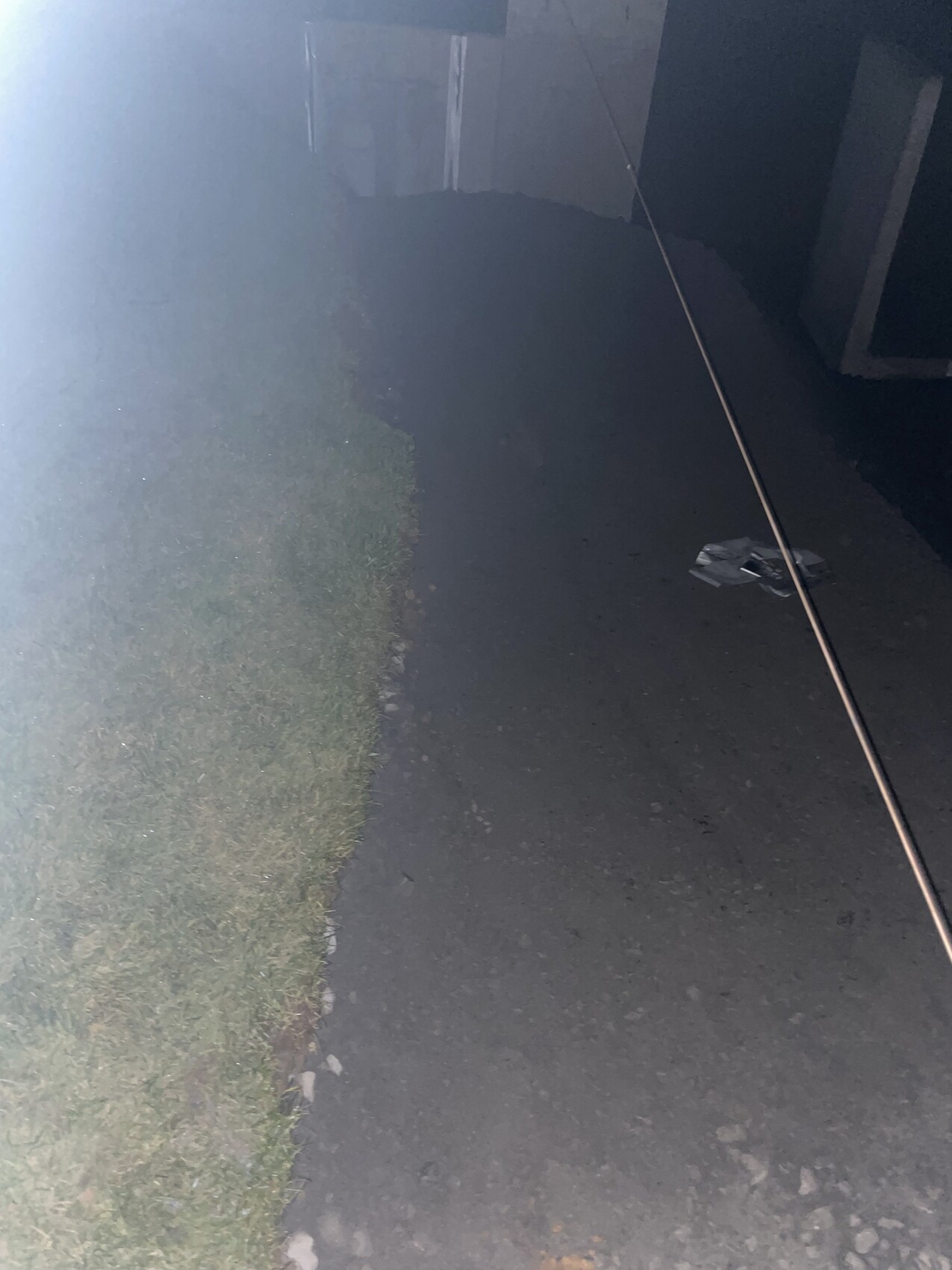
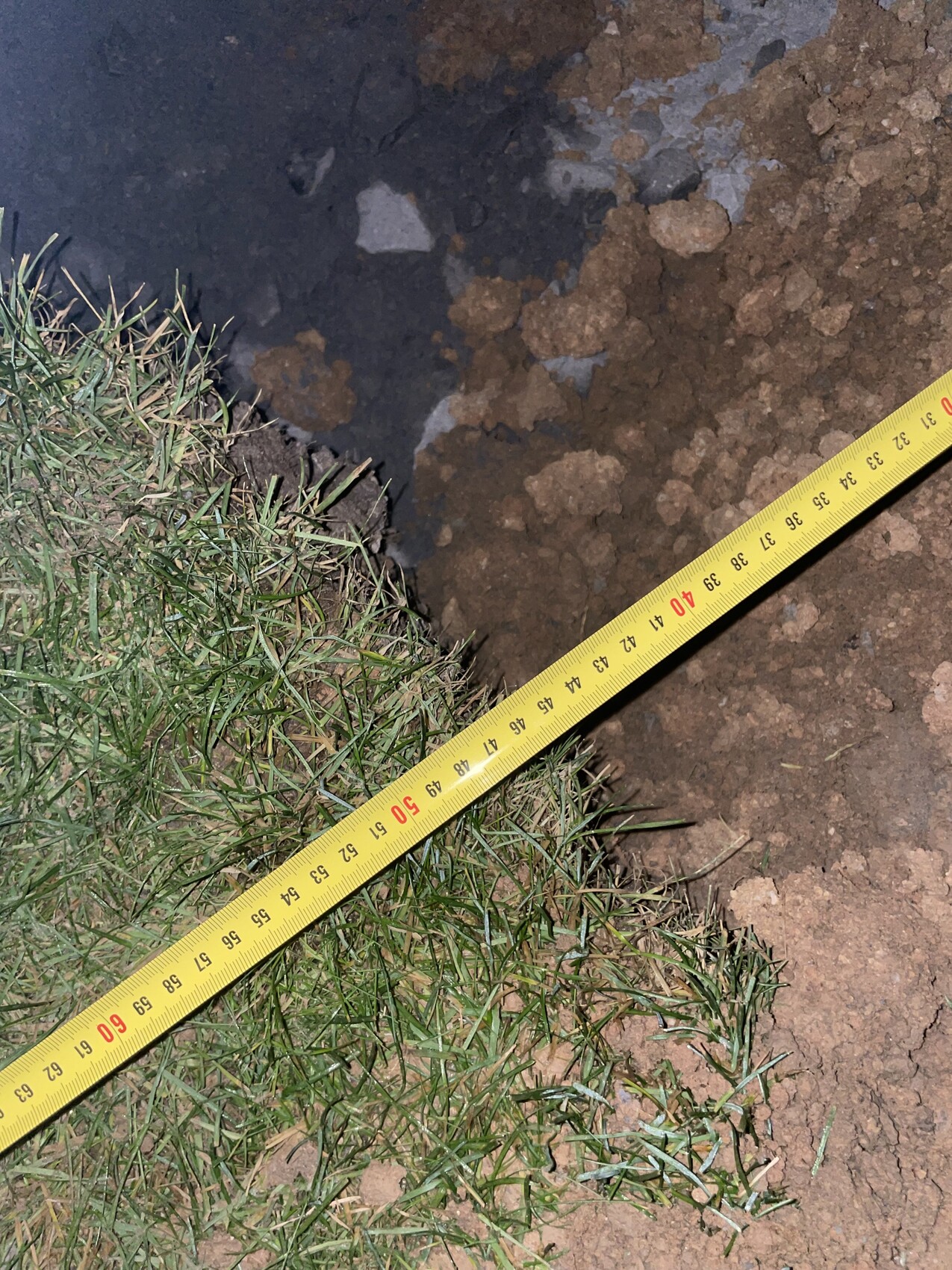
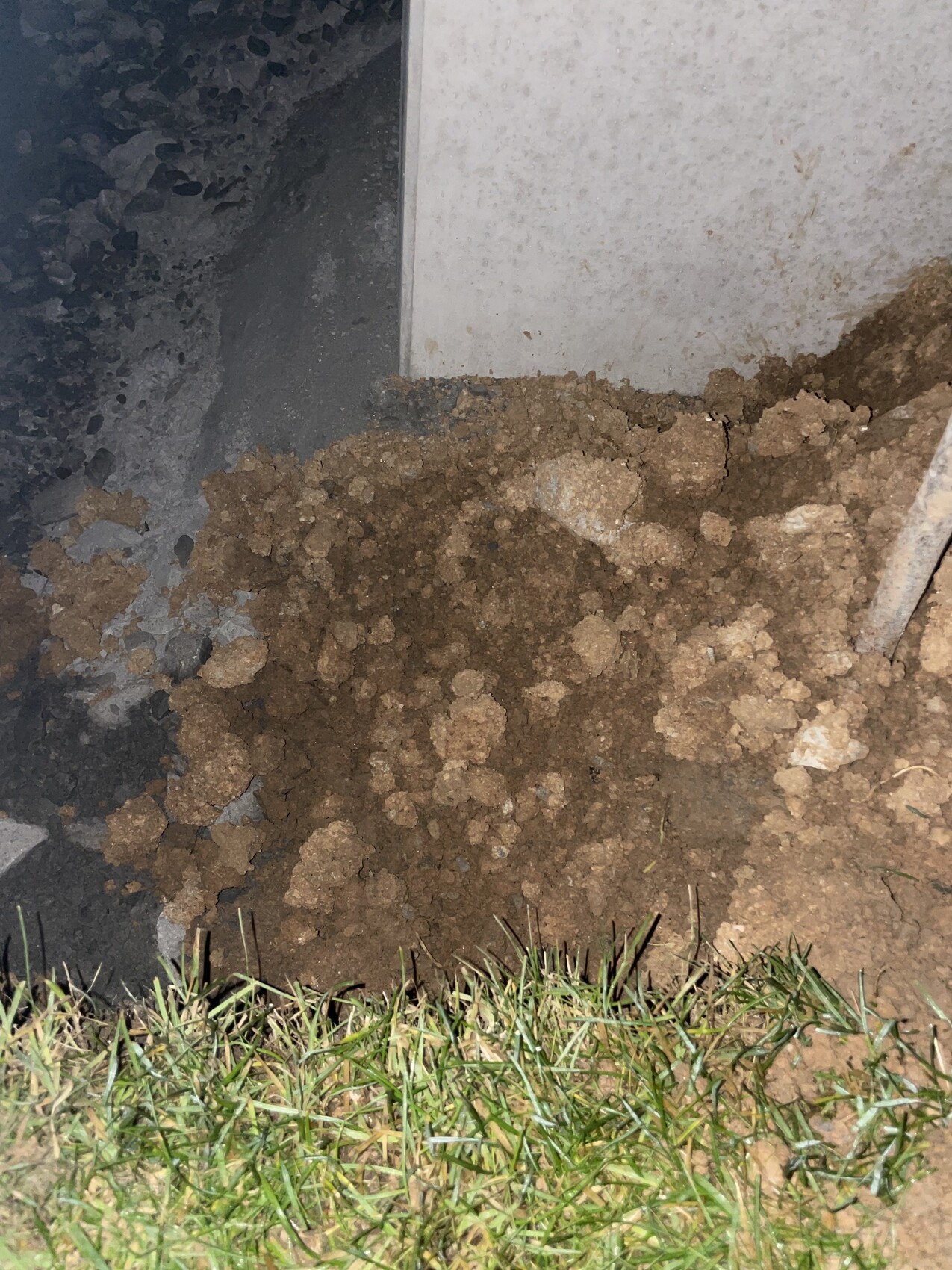
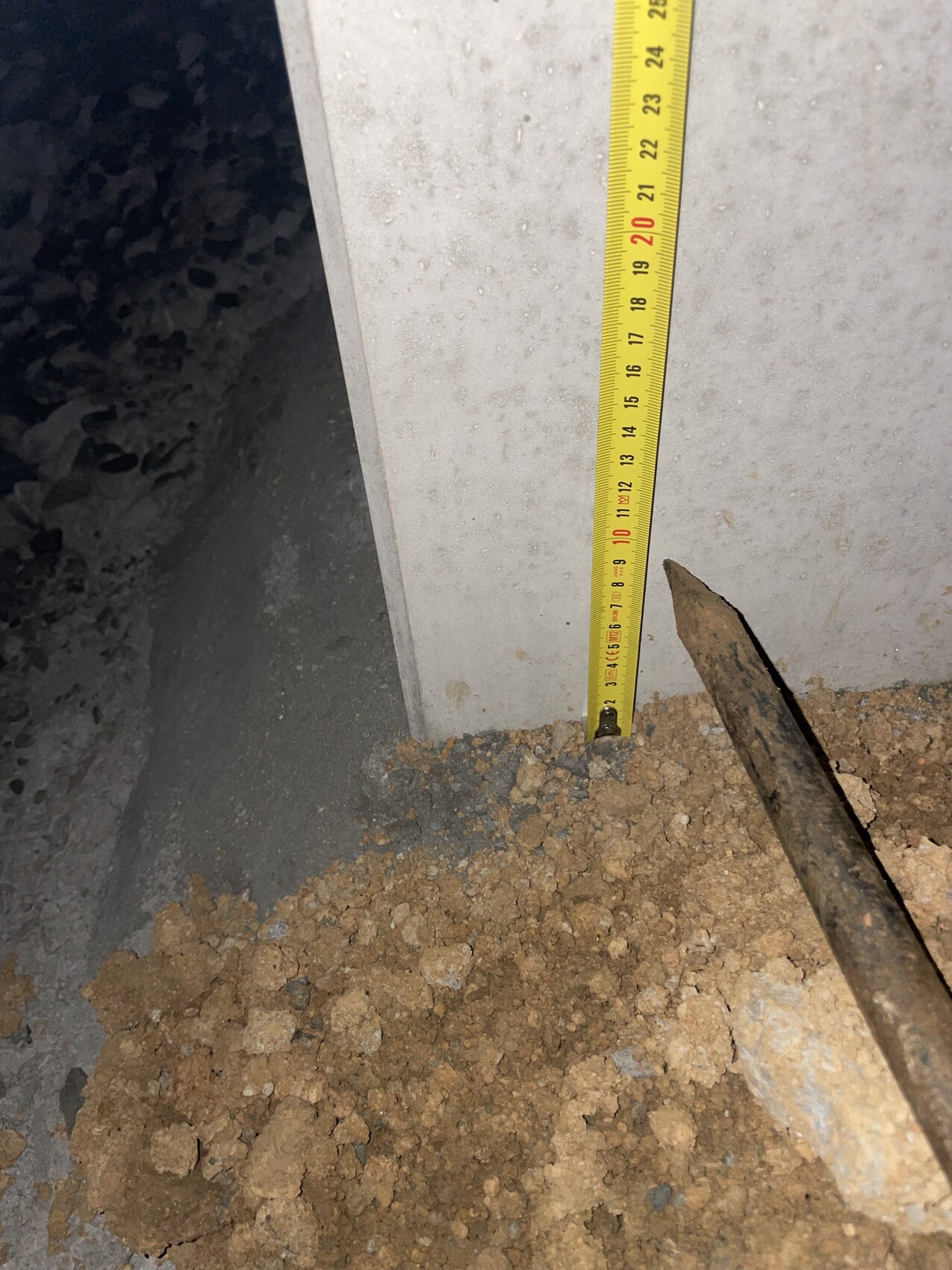
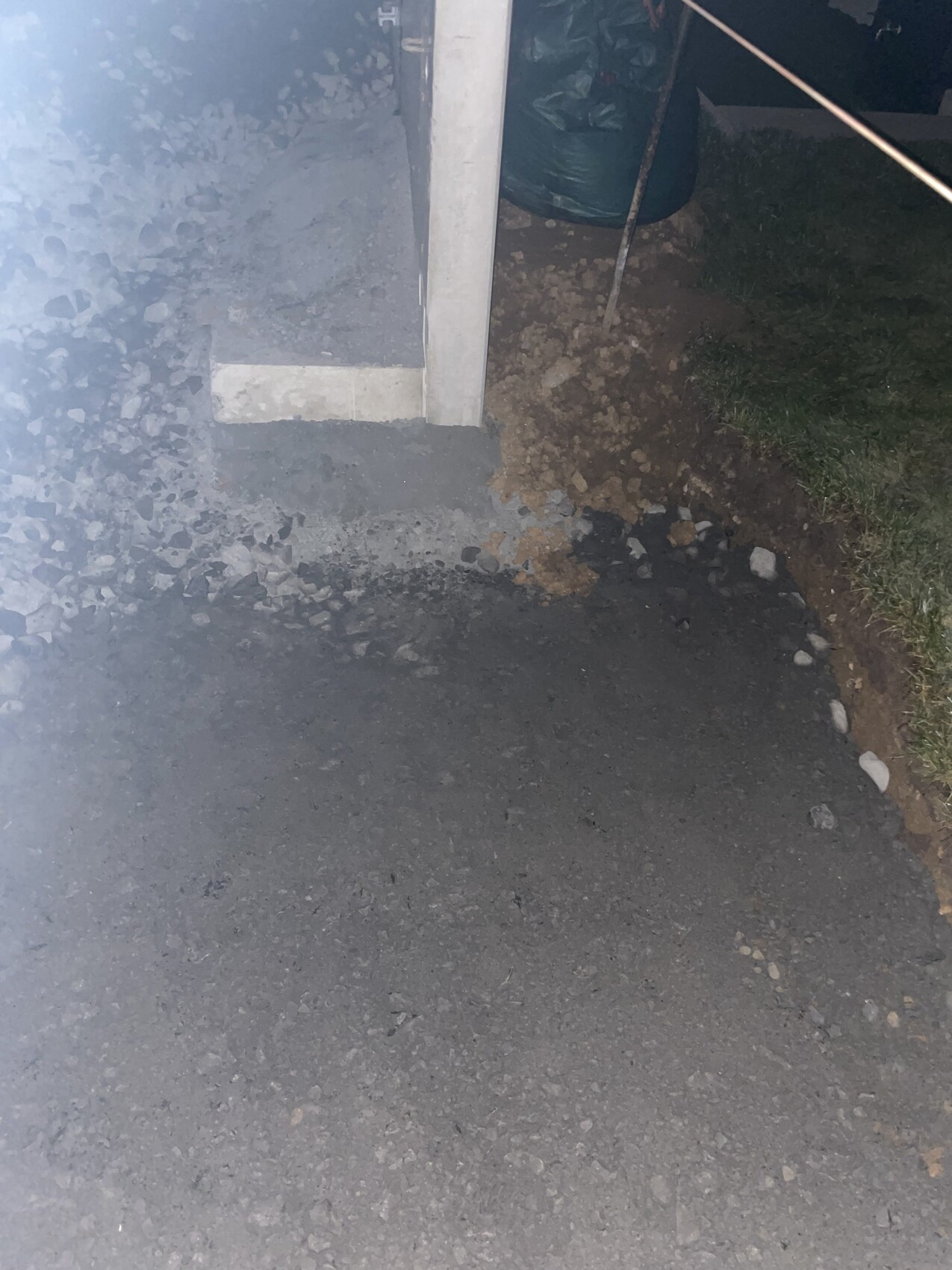
Our neighbors have just started building with a prefab house provider, supported by a salesperson who is overseeing and organizing the earthworks. Today I noticed that the excavator (who is also placing the L-shaped retaining blocks) has dumped and compacted a lot of gravel on my property. The first two L-blocks have already been set.
Now to the problem:
When I measure down from my lawn edge to the gravel layer, it’s only about 20-25 cm (8-10 inches) deep. From the property boundary into my land, however, between 40-100 cm (16-39 inches) of gravel has been laid.
Hardly anything will grow there, and deep-rooted plants won’t stand a chance, right? Let alone trees.
Also, the concrete wedge is on my side. Because of the maximum 25 cm (10 inches) depth and the additional concrete wedge (about 9 cm (3.5 inches) from the wedge to the top of the lawn), my grass will either dry out or constantly suffer from waterlogging, won’t it?
I’m generally okay with the neighbor laying gravel or placing the wedge on my side, but I would expect the gravel layer to start at least 50-60 cm (20-24 inches) deep. I suspect the L-blocks are too short or too small. Ones that extend deeper into the ground are needed.
Construction will continue tomorrow. What concerns can I raise and, above all, who is in the right here? I would like to express my concerns before it’s too late. How do you assess the situation?
N
neo-sciliar19 Dec 2025 16:5111ant schrieb:
regardless of whether the relative elevation was created by filling at the higher site or by excavation at the lower site.If Te has added fill, meaning the original terrain was altered, then they would be responsible for securing it, even retroactively.
neo-sciliar schrieb:
If the original site elevation was changed by the OP, then they would be responsible for securing it, even retroactively.However, that is a different issue. I suspect that the neighbor who built later was excavating soil from the OP’s side and adding fill on the boundary with the neighbor on the opposite side. In any case, there is no clear “wrong” or “bad guy” here, just a situation that is best handled peacefully. Properties like these, where "life is not always fair," are becoming increasingly common.https://www.instagram.com/11antgmxde/
https://www.linkedin.com/company/bauen-jetzt/
N
neo-sciliar20 Dec 2025 09:48@11ant I have experience with building on a slope, but as you know, my neighbors are quite easygoing.
I just want to say that the original poster should be careful about how loud they get. Some neighbors might then refer to regulations, and the original poster can quickly end up in a difficult situation, even if they were the first to build.
A case of beer, a grill, and some sausages can quickly help to overcome neighborhood tensions.
I just want to say that the original poster should be careful about how loud they get. Some neighbors might then refer to regulations, and the original poster can quickly end up in a difficult situation, even if they were the first to build.
A case of beer, a grill, and some sausages can quickly help to overcome neighborhood tensions.
 schubert7920 Dec 2025 18:19
I understand your concerns. However, I can assure you from practical experience that grass will grow without any problems, and simple plants or shrubs that cover the L-shaped stones will also thrive. Besides, you wouldn’t be allowed or want to plant a large tree there anyway. Nature will find its way.
Spudder schrieb:
I don’t have lawn edging because the neighbor’s wall marks the boundary.So, was this agreed upon with them? Or is this just your plan?Talking, talking, talking—everything else just costs time, nerves, and money. In Austria, certain building structures are allowed up to the property boundary, but not beyond. I would be surprised if it were any different in Germany. Still, talking is the best solution here.