
ᐅ L-shaped retaining wall boundary construction / concrete wedge protrudes onto my property and fill height
Created on: 18 Dec 2025 23:29
S
Spudder
Good evening everyone,
Our neighbors have just started building with a prefab house provider, supported by a salesperson who is overseeing and organizing the earthworks. Today I noticed that the excavator (who is also placing the L-shaped retaining blocks) has dumped and compacted a lot of gravel on my property. The first two L-blocks have already been set.
Now to the problem:
When I measure down from my lawn edge to the gravel layer, it’s only about 20-25 cm (8-10 inches) deep. From the property boundary into my land, however, between 40-100 cm (16-39 inches) of gravel has been laid.
Hardly anything will grow there, and deep-rooted plants won’t stand a chance, right? Let alone trees.
Also, the concrete wedge is on my side. Because of the maximum 25 cm (10 inches) depth and the additional concrete wedge (about 9 cm (3.5 inches) from the wedge to the top of the lawn), my grass will either dry out or constantly suffer from waterlogging, won’t it?
I’m generally okay with the neighbor laying gravel or placing the wedge on my side, but I would expect the gravel layer to start at least 50-60 cm (20-24 inches) deep. I suspect the L-blocks are too short or too small. Ones that extend deeper into the ground are needed.
Construction will continue tomorrow. What concerns can I raise and, above all, who is in the right here? I would like to express my concerns before it’s too late. How do you assess the situation?
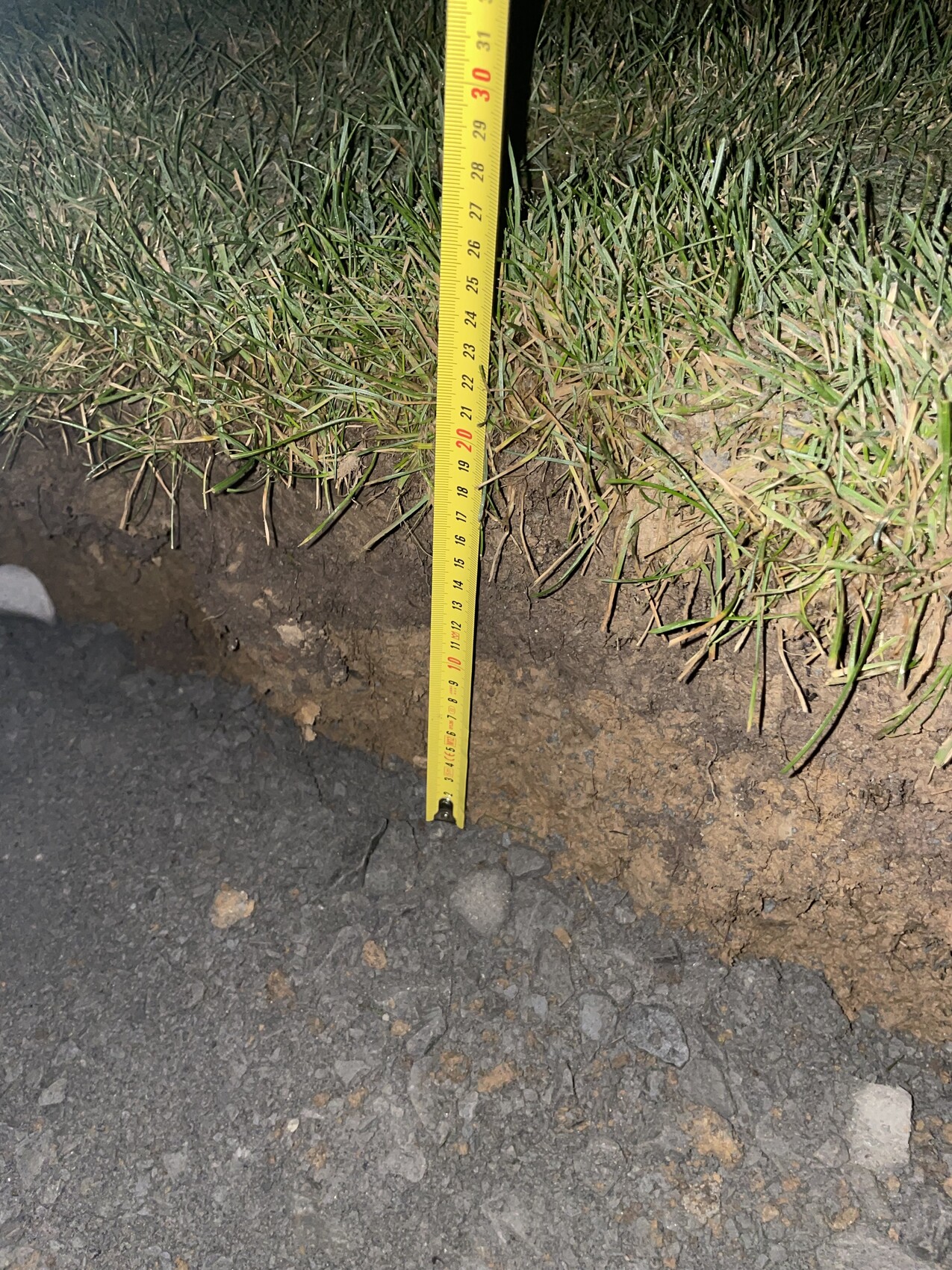
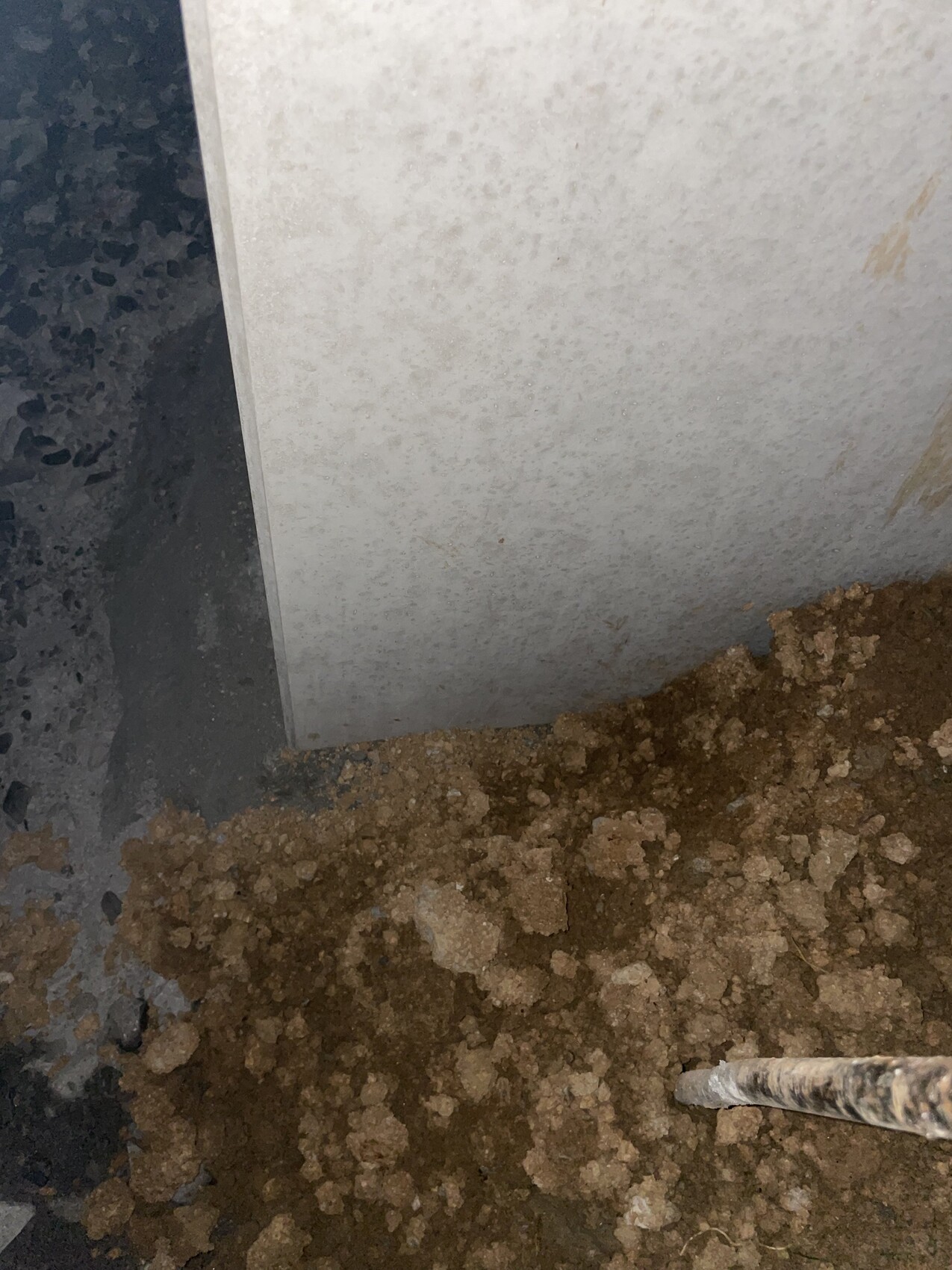
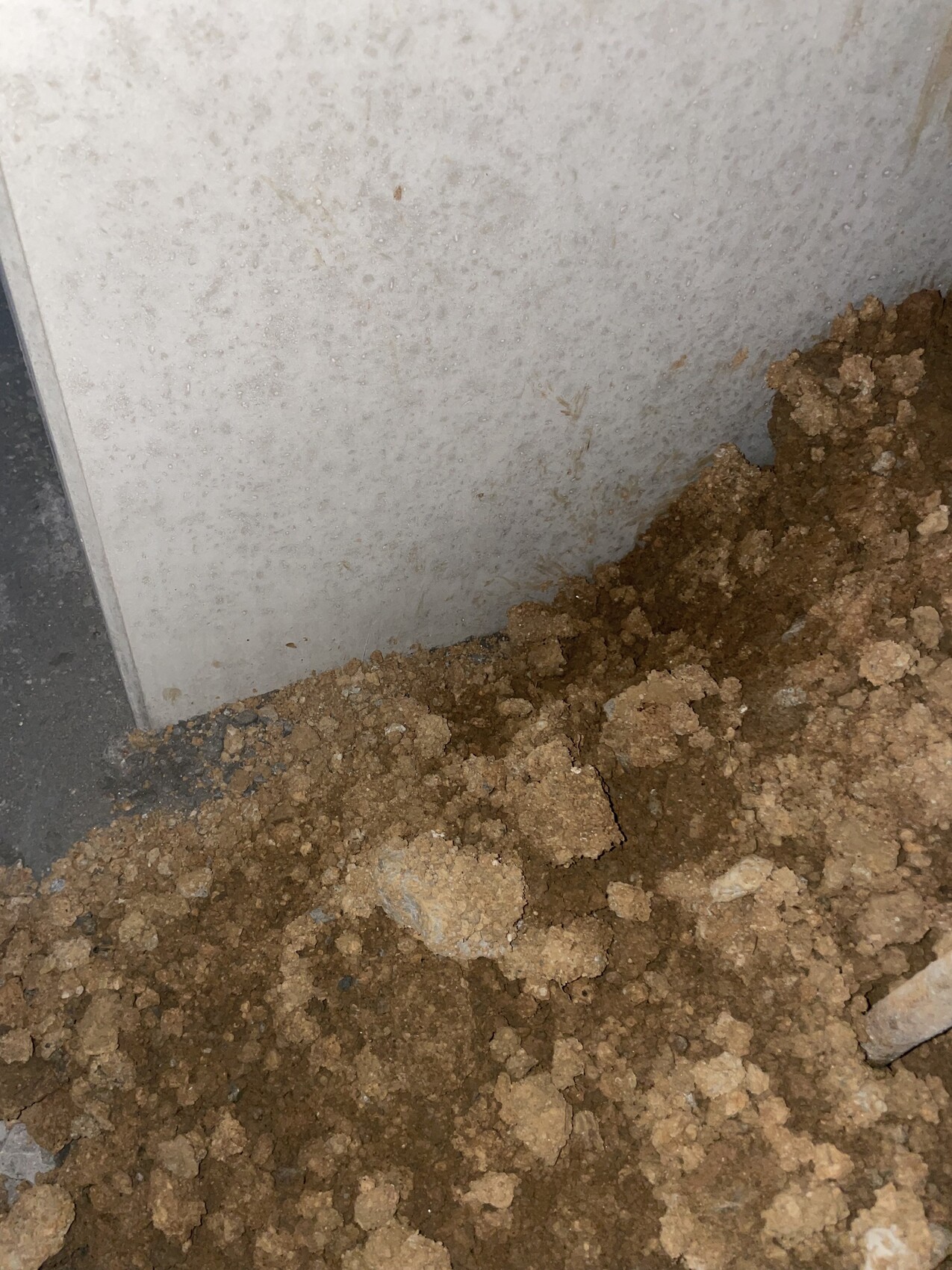
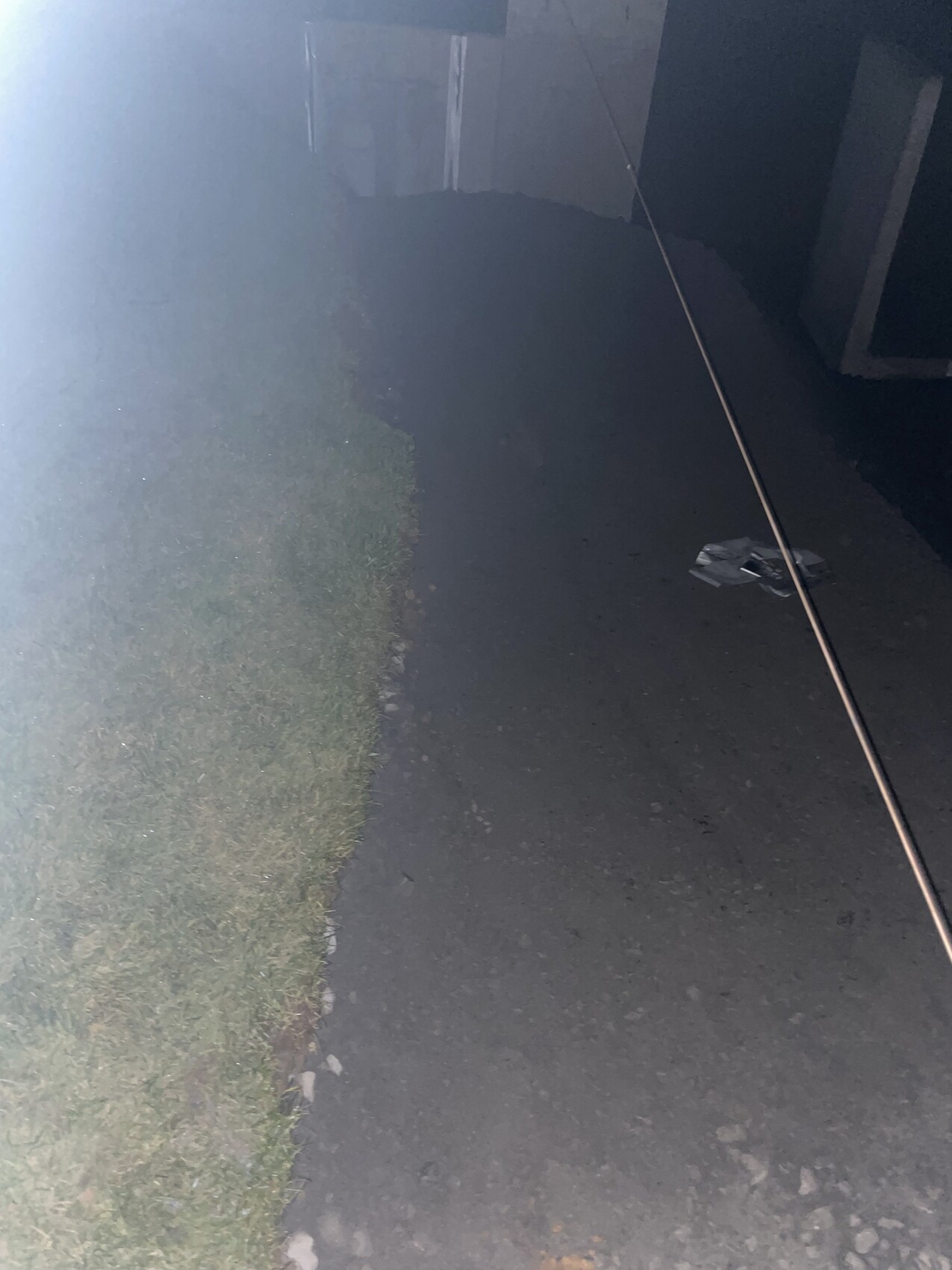
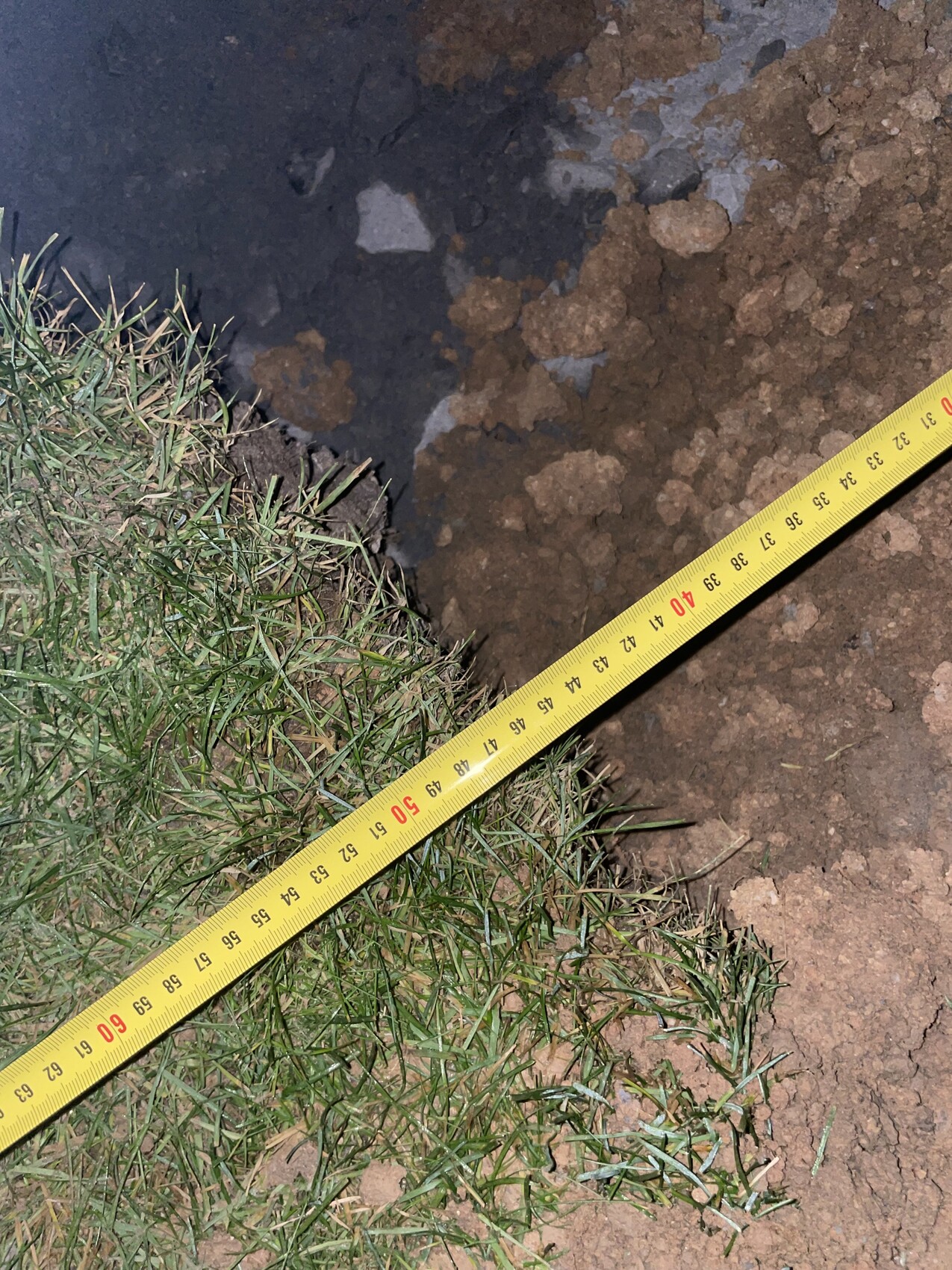
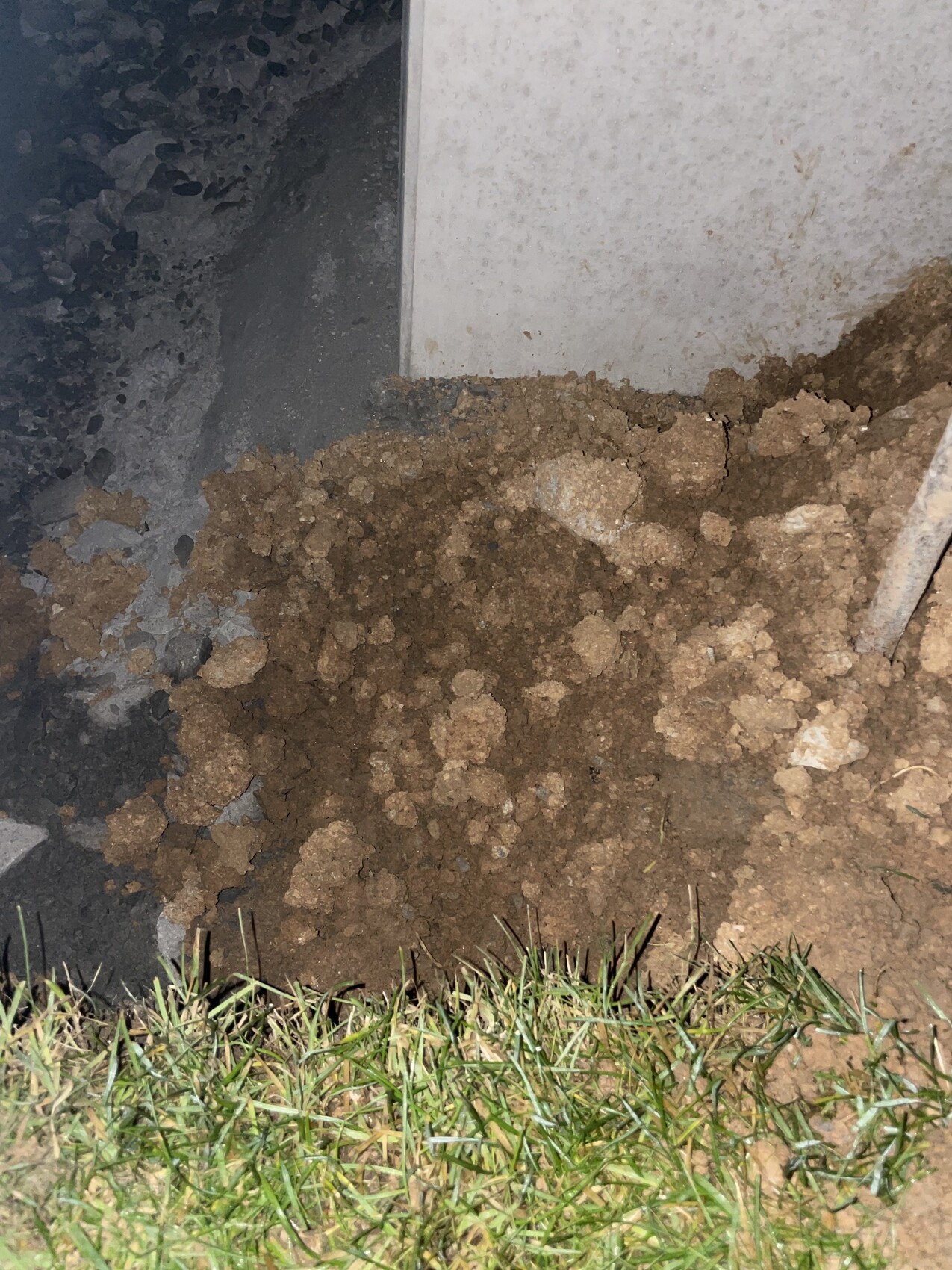
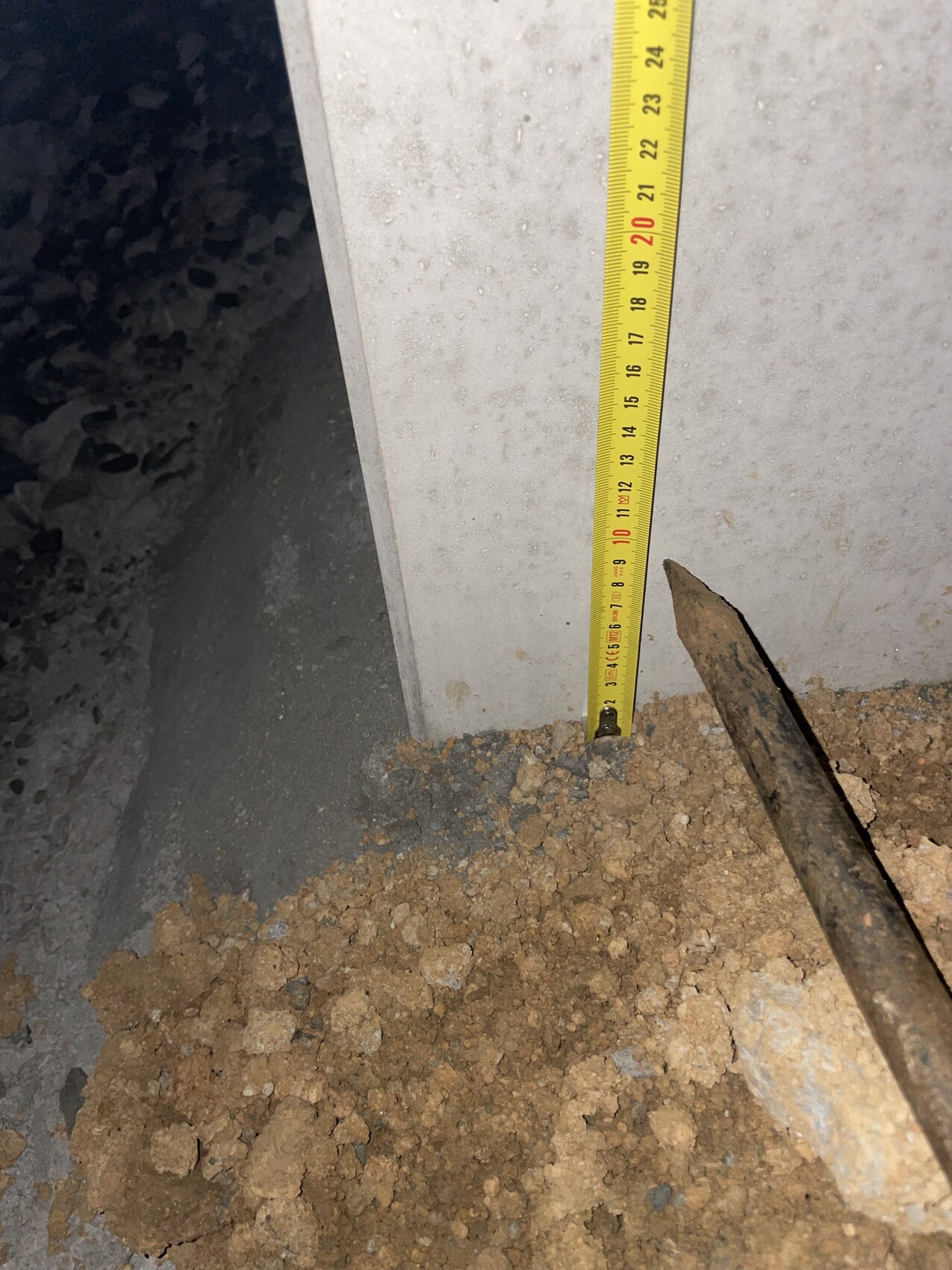
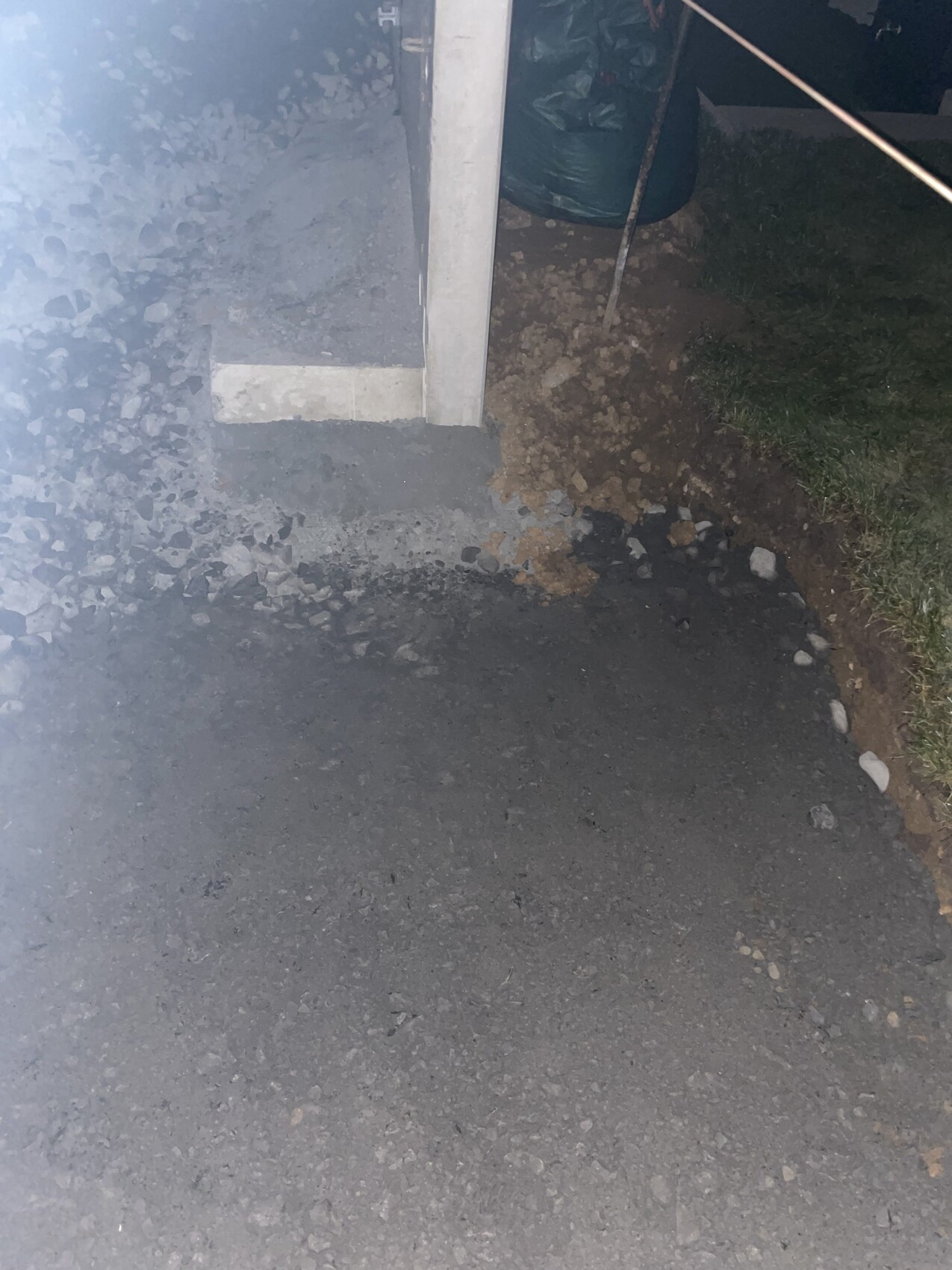
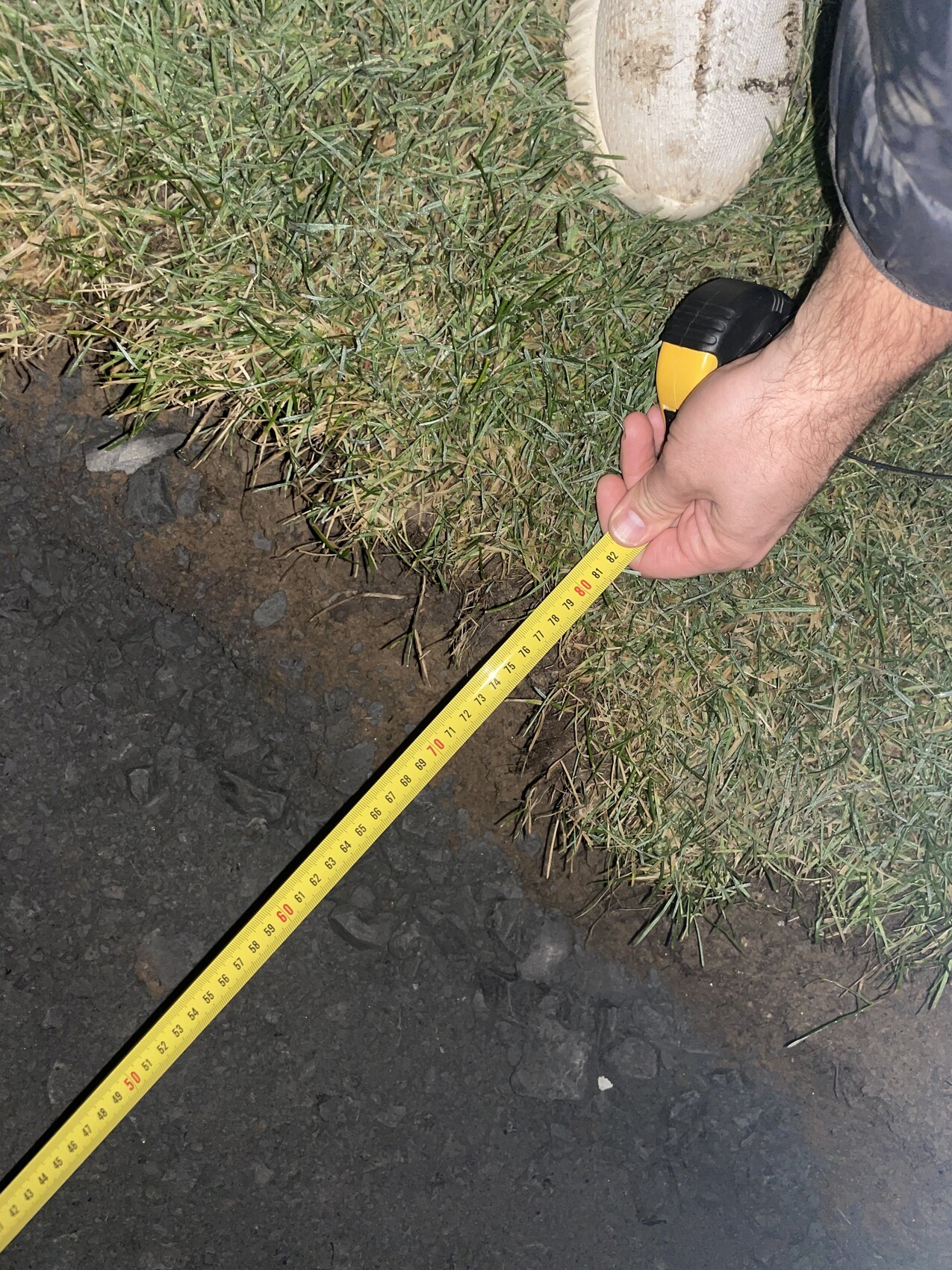
Our neighbors have just started building with a prefab house provider, supported by a salesperson who is overseeing and organizing the earthworks. Today I noticed that the excavator (who is also placing the L-shaped retaining blocks) has dumped and compacted a lot of gravel on my property. The first two L-blocks have already been set.
Now to the problem:
When I measure down from my lawn edge to the gravel layer, it’s only about 20-25 cm (8-10 inches) deep. From the property boundary into my land, however, between 40-100 cm (16-39 inches) of gravel has been laid.
Hardly anything will grow there, and deep-rooted plants won’t stand a chance, right? Let alone trees.
Also, the concrete wedge is on my side. Because of the maximum 25 cm (10 inches) depth and the additional concrete wedge (about 9 cm (3.5 inches) from the wedge to the top of the lawn), my grass will either dry out or constantly suffer from waterlogging, won’t it?
I’m generally okay with the neighbor laying gravel or placing the wedge on my side, but I would expect the gravel layer to start at least 50-60 cm (20-24 inches) deep. I suspect the L-blocks are too short or too small. Ones that extend deeper into the ground are needed.
Construction will continue tomorrow. What concerns can I raise and, above all, who is in the right here? I would like to express my concerns before it’s too late. How do you assess the situation?
The neighbor is the least responsible here. It’s more the excavation contractor’s fault. I have no objection as long as the gravel layer is at least 50-60 cm (20-24 inches) lower. I could live with that. But as it is, we are already limited in being able to plant anything reasonable there besides grass. I do not agree with that.
N
nordanney19 Dec 2025 10:03Spudder schrieb:
The neighbor is the least to blame here. It’s more an issue with the earthworks contractor. I don’t mind as long as the gravel layer is at least 50-60cm (20-24 inches) deeper. I could live with that. But as it is, we’re already limited in what we can reasonably plant there besides grass. I do not agree with that. The right is clearly on your side. You can easily present this to the neighbor as a construction error by the earthworks contractor (which it is) and request a correction. This is neither the neighbor’s problem nor yours. If it costs the earthworks contractor time and money — so be it; they have to deal with it.

nordanney schrieb:
The law is clearly on your side. That is true, but...
nordanney schrieb:
You can simply present this to the neighbor as a construction defect by the earthworks contractor (which it is) and ask for correction. This is neither the neighbor’s problem nor yours. ... the neighbor’s contractors were not required to verify whether the original poster (OP) had a building permit / planning permission. If they are wise, they have clearly addressed responsibility in their terms and conditions or at least noted it there.
The neighbor likely assumed that the retaining wall, built at the full “wall thickness” on their side of the boundary, was sufficient. Legally, it is correct that they should have obtained the OP’s permission for underpinning their property for the support angles. However, the OP is not significantly harmed, considering their trees should have been planted at a distance from the boundary anyway. At most, some bushes or similar vegetation, used to screen the retaining wall from view, may now be limited.
As a reasonable solution (and I suspect an arbitrator would think along the same lines), I would recommend the neighbor pay an overbuilding fee for the portion of the retaining wall they “use” and additionally cover the costs for a raised planter for the OP to reduce the visual impact of the "Eiger north face."
Unfortunately, situations like this can be expected where construction sites are developed on slopes and many builders prefer to terrace their building plots like rice paddies instead of working with the natural slope.
Of course, one could take legal action against the neighbor, but it would likely take five to eight years and a second legal instance to overturn a ruling requiring the neighbor to remove the structure due to proportionality. A court would probably first recommend arbitration, the likely outcome of which I have described.
https://www.instagram.com/11antgmxde/
https://www.linkedin.com/company/bauen-jetzt/
N
neo-sciliar19 Dec 2025 14:40Hi,
the (THE!) advantage of L-shaped blocks is that the load transfer is designed so they don’t need support or a foundation on the back side. Just install them correctly, and you won’t have any issues with the neighbor.
Although that is quite overly precise. Grass needs 3-5cm (1-2 inches) of topsoil to grow. And there was probably only grass there before anyway. So please.
Talking would help more than taking photos secretly at night.
the (THE!) advantage of L-shaped blocks is that the load transfer is designed so they don’t need support or a foundation on the back side. Just install them correctly, and you won’t have any issues with the neighbor.
Although that is quite overly precise. Grass needs 3-5cm (1-2 inches) of topsoil to grow. And there was probably only grass there before anyway. So please.
Talking would help more than taking photos secretly at night.
M
MachsSelbst19 Dec 2025 15:03The neighbor is responsible for everything that happens on their property, so it’s nonsense to say they aren’t accountable.
And as I already said, the foundation idea is completely ridiculous. For an 80cm (31.5 inches) high stone wall holding back 50cm (20 inches) of soil, I made a 40cm (16 inches) wide foundation, and that’s sufficient.
Grass might grow there, but if you want to plant a hedge or a flower bed, it won’t work. Honestly, do you really want to accept nearly a meter of gravel along your property boundary?
And as I already said, the foundation idea is completely ridiculous. For an 80cm (31.5 inches) high stone wall holding back 50cm (20 inches) of soil, I made a 40cm (16 inches) wide foundation, and that’s sufficient.
Grass might grow there, but if you want to plant a hedge or a flower bed, it won’t work. Honestly, do you really want to accept nearly a meter of gravel along your property boundary?
neo-sciliar schrieb:
The (THE!) advantage of L-shaped retaining wall blocks is that the load transfer is designed so they do not require support or a foundation on the rear side. Just install them correctly, and you won’t have any issues with your neighbor. The load to be supported is the earth pressure from the higher ground—in this case from the original poster—regardless of whether the elevation difference was caused by fill on the higher side or excavation on the lower side. Apparently, there are also inverse angles, meaning the base of the angle can face either the "pressing" or the "bearing" property, depending on whether the angle is loaded in compression or tension. If you think of a scale or a seesaw, the base of the angle functions as the shorter lever arm, so it makes sense, as is the case here, to load it with the weight. Physical laws and legal principles of responsibility often differ in interpretation. This point of contention is somewhat inherent to any hillside development—at least in the context of modern building practices. In the past, houses without foundations were not built in such areas.
https://www.instagram.com/11antgmxde/
https://www.linkedin.com/company/bauen-jetzt/
Similar topics