
ᐅ L-shaped retaining wall boundary construction / concrete wedge protrudes onto my property and fill height
Created on: 18 Dec 2025 23:29
S
SpudderGood evening everyone,
Our neighbors have just started building with a prefab house provider, supported by a salesperson who is overseeing and organizing the earthworks. Today I noticed that the excavator (who is also placing the L-shaped retaining blocks) has dumped and compacted a lot of gravel on my property. The first two L-blocks have already been set.
Now to the problem:
When I measure down from my lawn edge to the gravel layer, it’s only about 20-25 cm (8-10 inches) deep. From the property boundary into my land, however, between 40-100 cm (16-39 inches) of gravel has been laid.
Hardly anything will grow there, and deep-rooted plants won’t stand a chance, right? Let alone trees.
Also, the concrete wedge is on my side. Because of the maximum 25 cm (10 inches) depth and the additional concrete wedge (about 9 cm (3.5 inches) from the wedge to the top of the lawn), my grass will either dry out or constantly suffer from waterlogging, won’t it?
I’m generally okay with the neighbor laying gravel or placing the wedge on my side, but I would expect the gravel layer to start at least 50-60 cm (20-24 inches) deep. I suspect the L-blocks are too short or too small. Ones that extend deeper into the ground are needed.
Construction will continue tomorrow. What concerns can I raise and, above all, who is in the right here? I would like to express my concerns before it’s too late. How do you assess the situation?
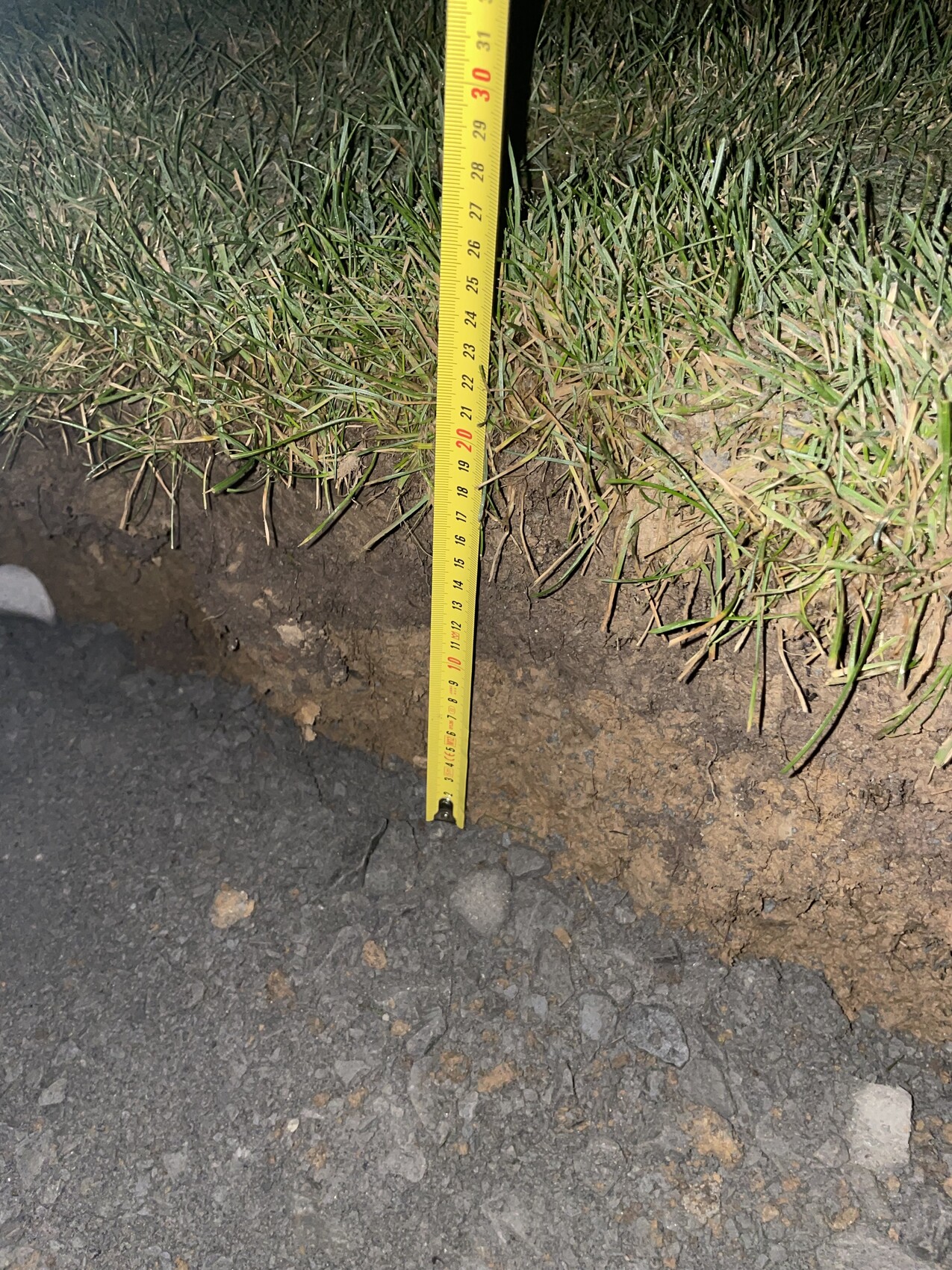
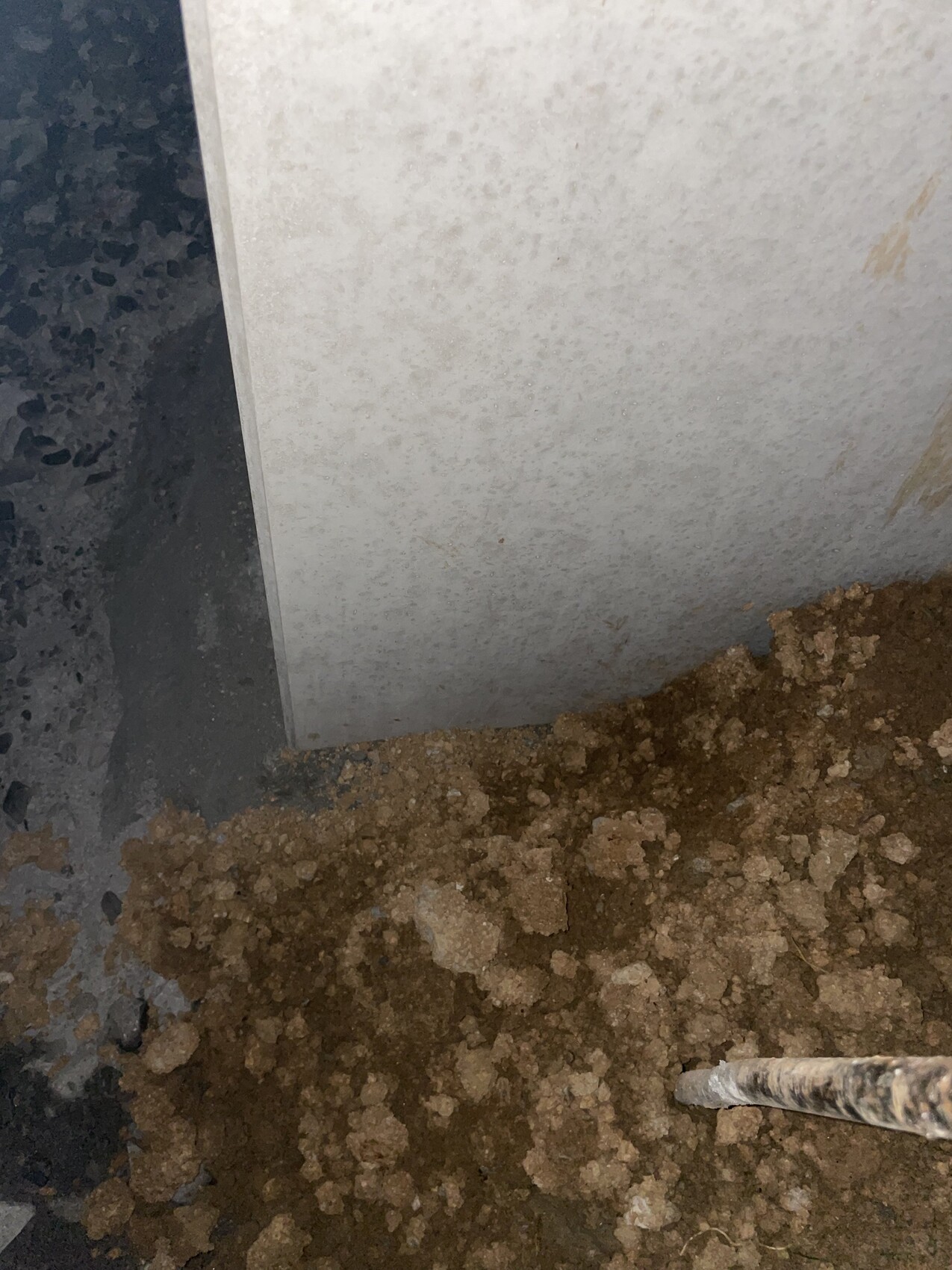
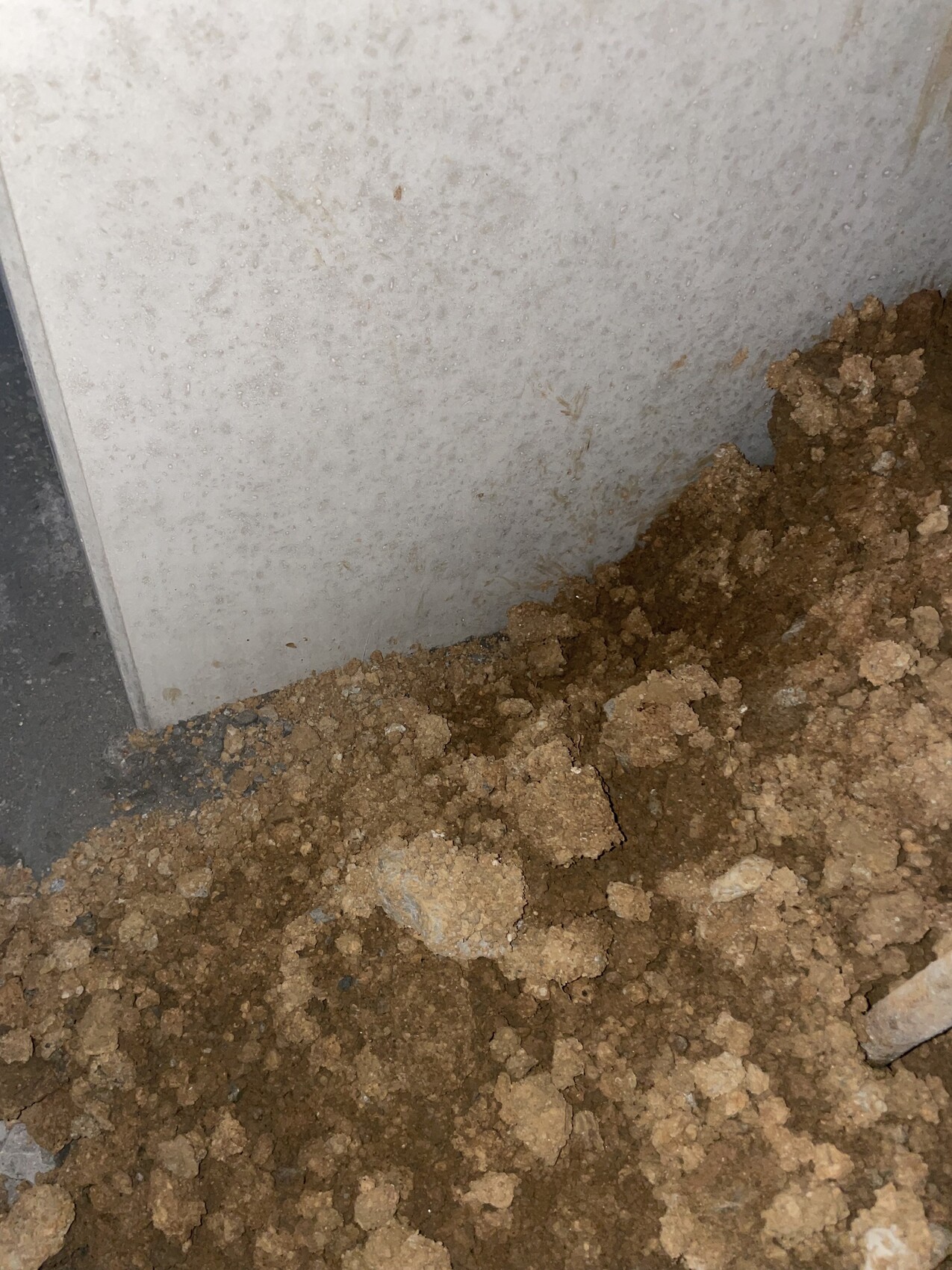
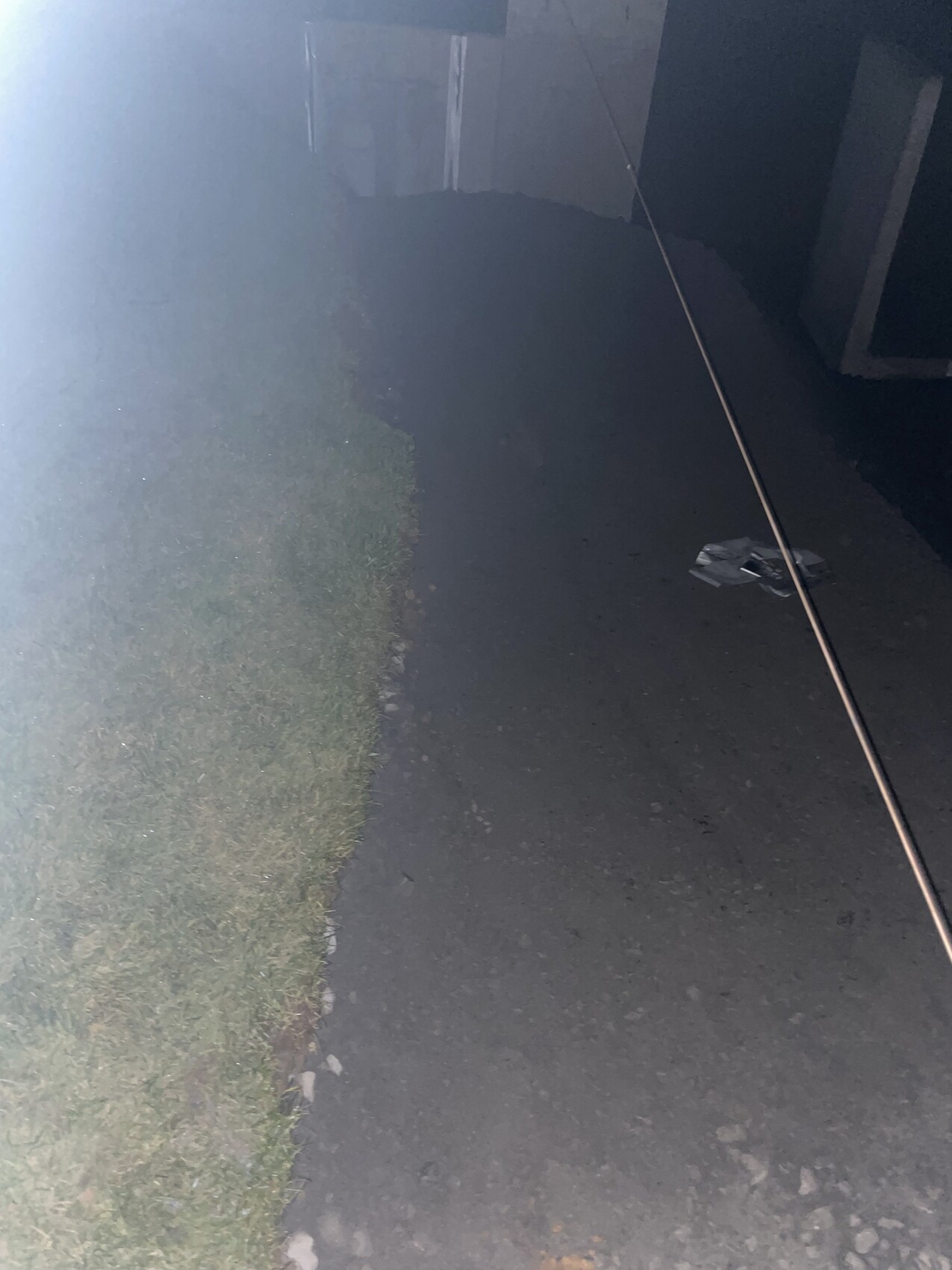
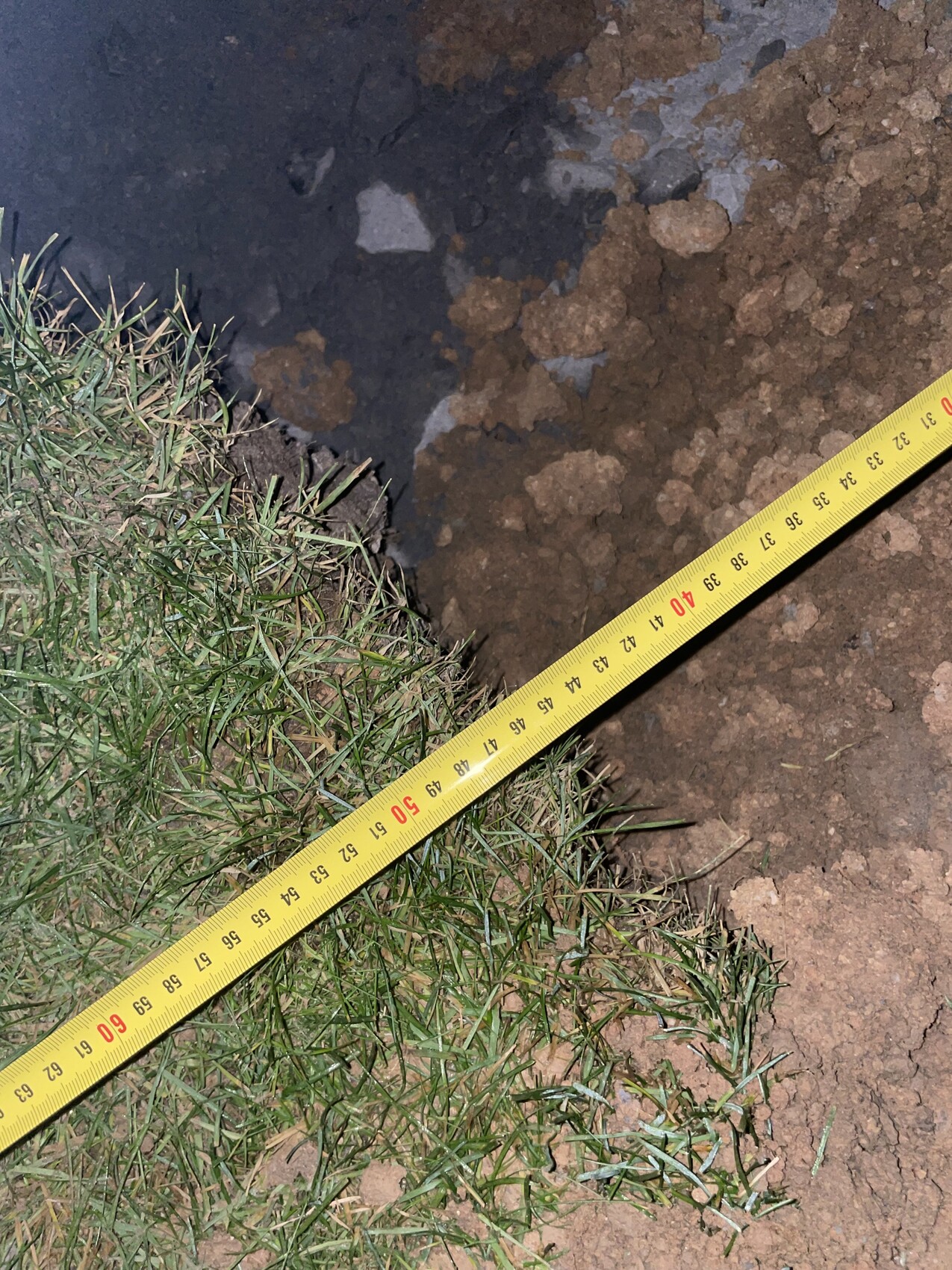
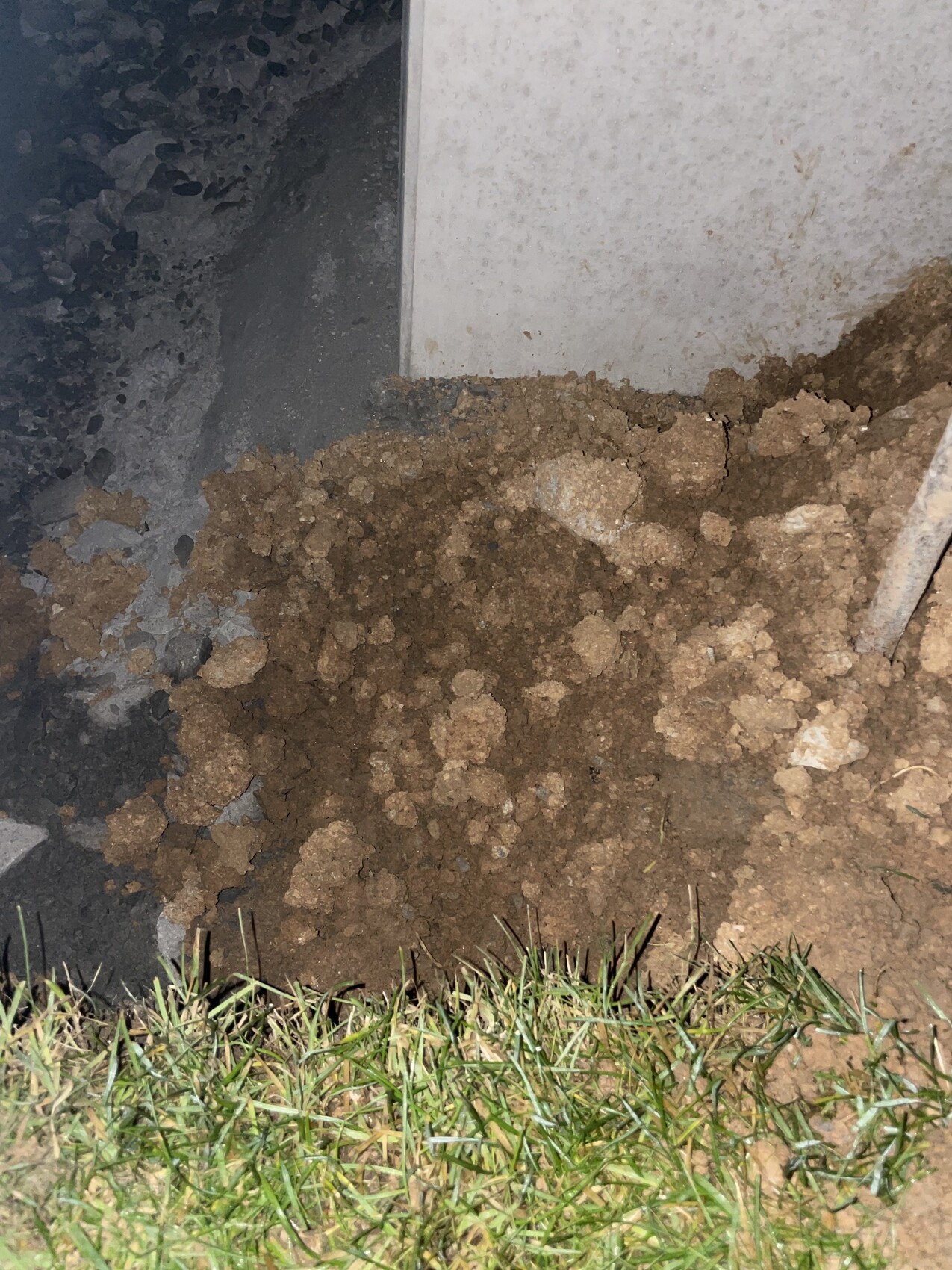
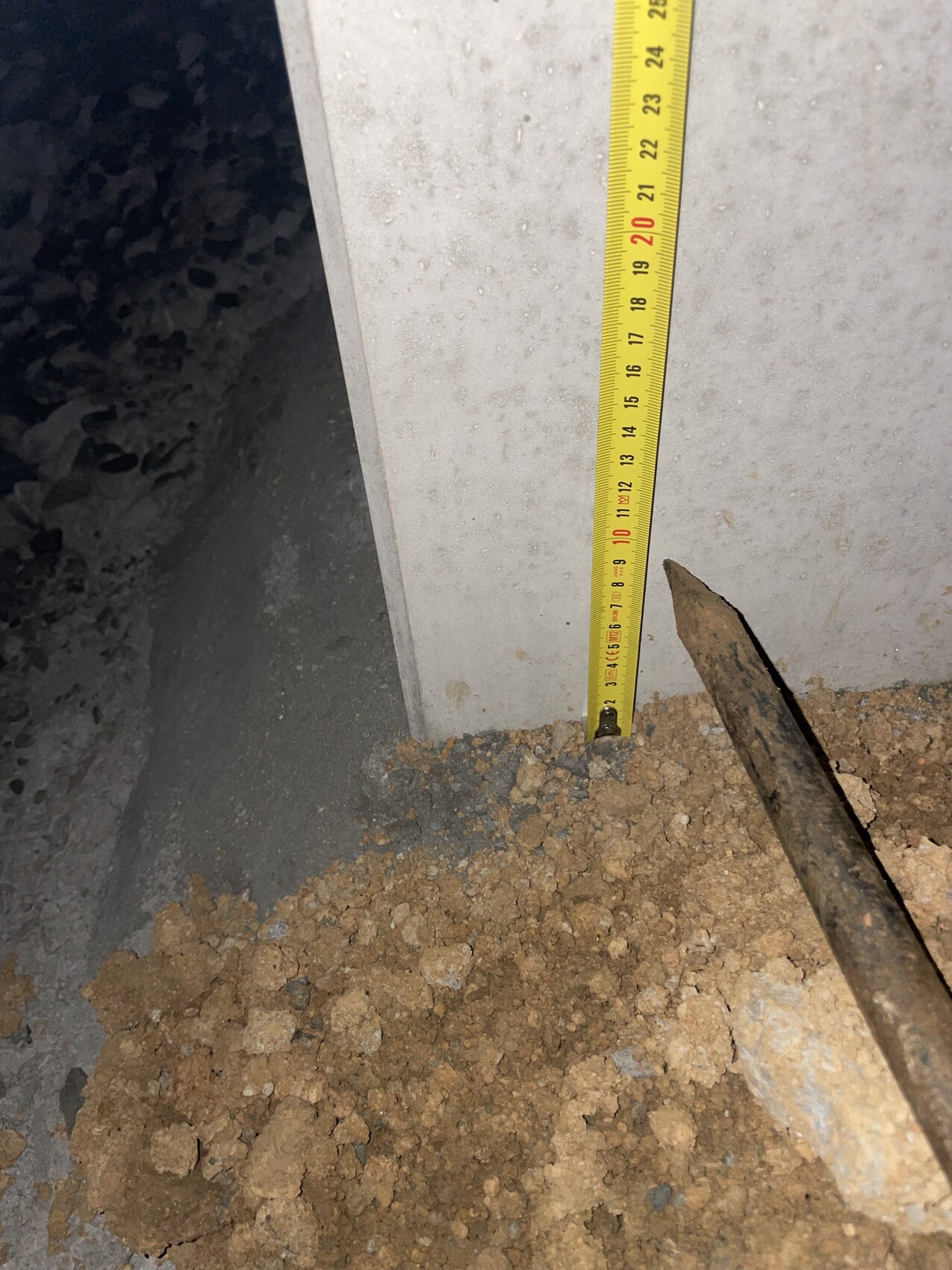
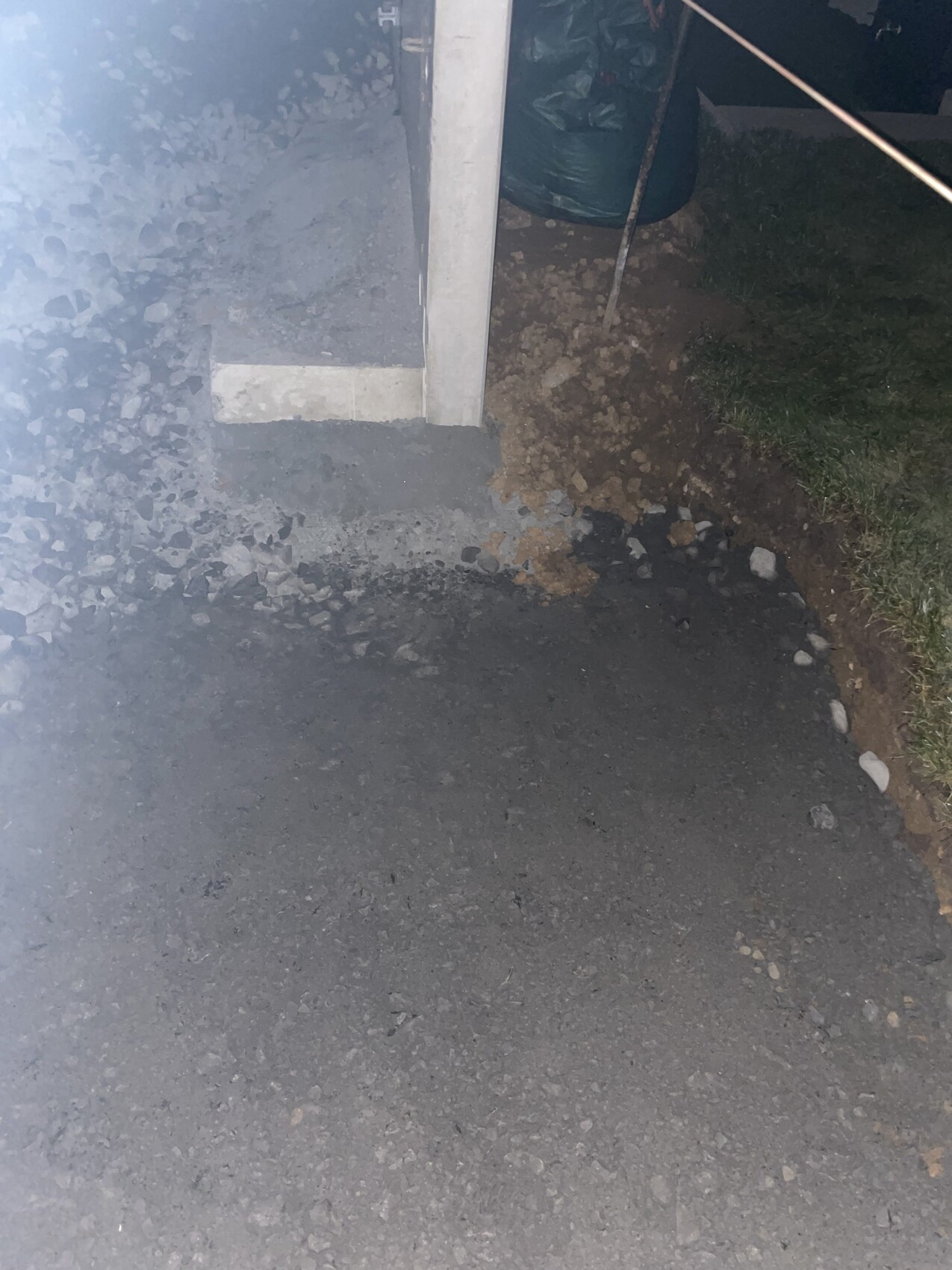
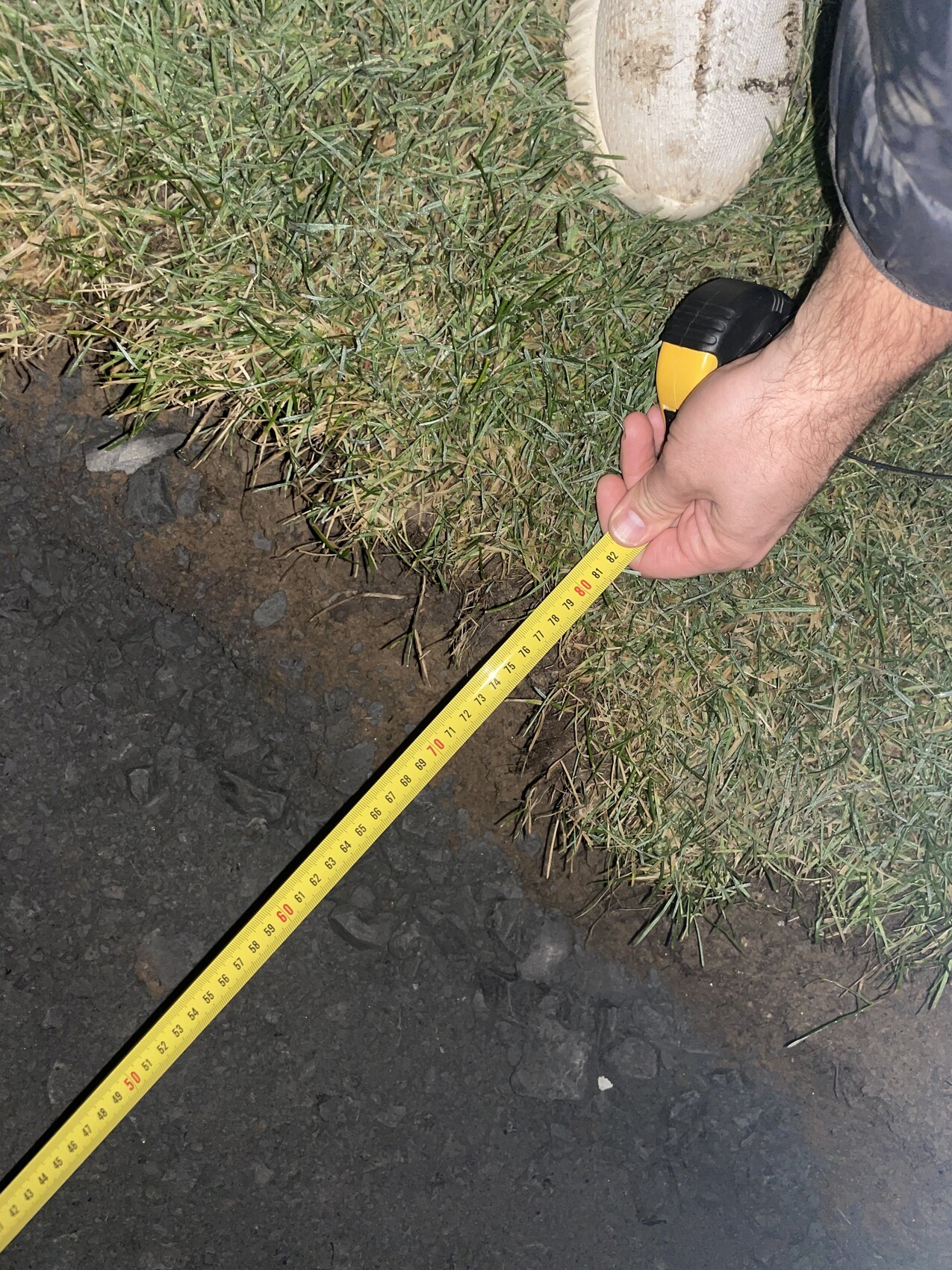
Our neighbors have just started building with a prefab house provider, supported by a salesperson who is overseeing and organizing the earthworks. Today I noticed that the excavator (who is also placing the L-shaped retaining blocks) has dumped and compacted a lot of gravel on my property. The first two L-blocks have already been set.
Now to the problem:
When I measure down from my lawn edge to the gravel layer, it’s only about 20-25 cm (8-10 inches) deep. From the property boundary into my land, however, between 40-100 cm (16-39 inches) of gravel has been laid.
Hardly anything will grow there, and deep-rooted plants won’t stand a chance, right? Let alone trees.
Also, the concrete wedge is on my side. Because of the maximum 25 cm (10 inches) depth and the additional concrete wedge (about 9 cm (3.5 inches) from the wedge to the top of the lawn), my grass will either dry out or constantly suffer from waterlogging, won’t it?
I’m generally okay with the neighbor laying gravel or placing the wedge on my side, but I would expect the gravel layer to start at least 50-60 cm (20-24 inches) deep. I suspect the L-blocks are too short or too small. Ones that extend deeper into the ground are needed.
Construction will continue tomorrow. What concerns can I raise and, above all, who is in the right here? I would like to express my concerns before it’s too late. How do you assess the situation?
Try checking it out during the weekend in natural daylight. It’s almost impossible to see anything if you’re not familiar with the plots.
Otherwise, I can say that even on gravel, grass, weeds, and plants will grow—especially deep-rooted ones. Tall trees don’t really belong near the edge of the plot anyway.
What kind of gravel did you use for your lawn edges?
Basically, in a new development where many people build at the same time or staggered over a period, a healthy tolerance and communication with neighbors during the years of house construction and garden landscaping is important.
Communication often falls short: there’s the “newcomer” who might not even realize how fortunate they are that work has already started; then the contractor who wants to finish quickly and relies on neighborly help or understanding; then the neighbor whose property is already finished, who might have quickly marked and fenced their boundary saying “First!”
And that neighbor no longer sees their former building challenges, but instead turns to forums for help instead of discussing things directly at home.
I bet no one means you any harm or wants to upset you.
It’s simply the “downside” of new developments that boundaries are established together. But many also see it as an advantage not to create strict boundaries in the first place (sometimes philosophy fits perfectly, doesn’t it?).
Why not offer your new neighbors some mulled wine by the fire this weekend? It might help to cool things down a bit.
Otherwise, I can say that even on gravel, grass, weeds, and plants will grow—especially deep-rooted ones. Tall trees don’t really belong near the edge of the plot anyway.
What kind of gravel did you use for your lawn edges?
Basically, in a new development where many people build at the same time or staggered over a period, a healthy tolerance and communication with neighbors during the years of house construction and garden landscaping is important.
Communication often falls short: there’s the “newcomer” who might not even realize how fortunate they are that work has already started; then the contractor who wants to finish quickly and relies on neighborly help or understanding; then the neighbor whose property is already finished, who might have quickly marked and fenced their boundary saying “First!”
And that neighbor no longer sees their former building challenges, but instead turns to forums for help instead of discussing things directly at home.
I bet no one means you any harm or wants to upset you.
It’s simply the “downside” of new developments that boundaries are established together. But many also see it as an advantage not to create strict boundaries in the first place (sometimes philosophy fits perfectly, doesn’t it?).
Why not offer your new neighbors some mulled wine by the fire this weekend? It might help to cool things down a bit.
Thank you for your reply. I don’t have lawn edging because the neighbor’s wall marks the boundary. The neighbor is the last one building in the residential area. All the others are already done. The boundary will be defined by his 1.20m (4 feet) L-shaped retaining wall with the points I mentioned, a high gravel fill, and a concrete wedge.
D
derdietmar19 Dec 2025 07:21Hello,
the legal situation is clear. The wedge does not belong on your property. If the neighbor wants this, they need a notarized release from you.
If it bothers you, have them move the wall. There is no other solution, as the facts are already established. However, I don’t think the lawn growth will be affected.
You can inform the neighbor about the property boundary violation and keep a lien. The builder is responsible for complying with the regulations on their construction site. Ignorance does not exempt from obligations. Those who start like this usually don’t stop.
Best regards
the legal situation is clear. The wedge does not belong on your property. If the neighbor wants this, they need a notarized release from you.
If it bothers you, have them move the wall. There is no other solution, as the facts are already established. However, I don’t think the lawn growth will be affected.
You can inform the neighbor about the property boundary violation and keep a lien. The builder is responsible for complying with the regulations on their construction site. Ignorance does not exempt from obligations. Those who start like this usually don’t stop.
Best regards
M
MachsSelbst19 Dec 2025 09:18You need to consider whether you can live with this situation permanently. Apart from the lawn, nothing else will really grow well—forget about hedges or flower beds.
I find this outrageous and would have the neighbor remove the foundation, which is also much too wide for this wall.
My neighbor also placed part of his concrete wedge on my property. Fortunately, we get along well, and we plan to remove part of it together next spring because it’s causing issues... but we’re talking about 10cm (4 inches) here.
Did they also cut out and throw away your lawn? Some civil contractors are so careless, it actually hurts physically...
I find this outrageous and would have the neighbor remove the foundation, which is also much too wide for this wall.
My neighbor also placed part of his concrete wedge on my property. Fortunately, we get along well, and we plan to remove part of it together next spring because it’s causing issues... but we’re talking about 10cm (4 inches) here.
Did they also cut out and throw away your lawn? Some civil contractors are so careless, it actually hurts physically...
Similar topics