
ᐅ Recommended Protective Measures When Removing Hot-Poured Bitumen Screed
Created on: 17 Feb 2021 18:16
C
chippy79
Hello everyone,
I would like to ask for your advice and tips regarding the proper removal of hot-poured asphalt screed (approximately 50 sqm (540 sq ft) area) in an apartment and the recommended safety measures.
I plan to break up this floor layer, about 2.5 cm (1 inch) thick, myself using an 18 kg (40 lbs) demolition hammer and then dispose of the debris in a rented container. Now, I am wondering how and if I need to protect myself properly. Do I require special protective clothing, such as a respirator, coveralls, gloves, goggles, etc.? Should I set up a clean/dirty area (decontamination zone) or similar?
The building was constructed in 1972, and the original building permit/planning permission states that cast asphalt was to be used. The floor covering in the rooms above is only floating parquet or laminate.
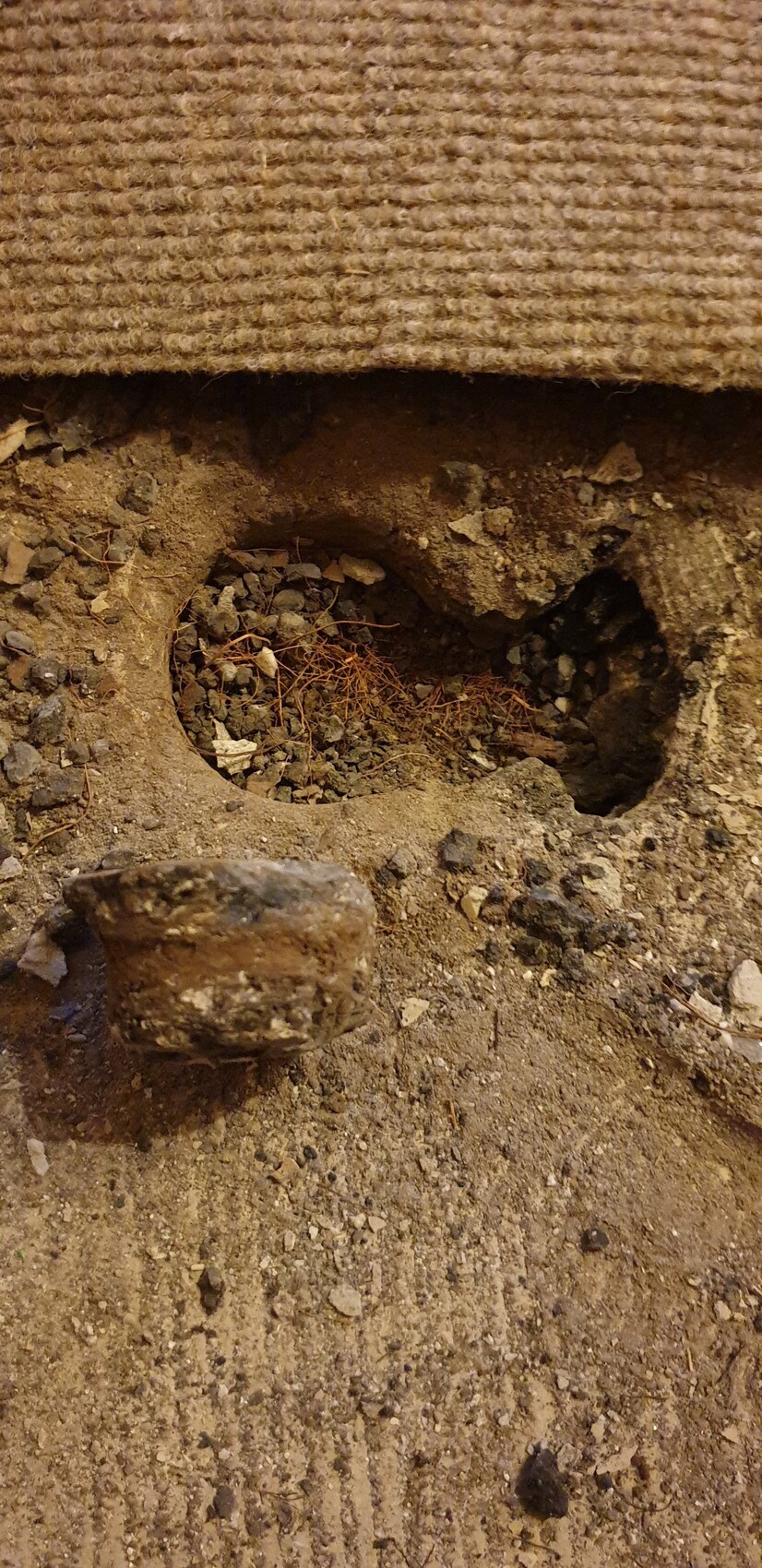
Image 1 – shows the test drilling.
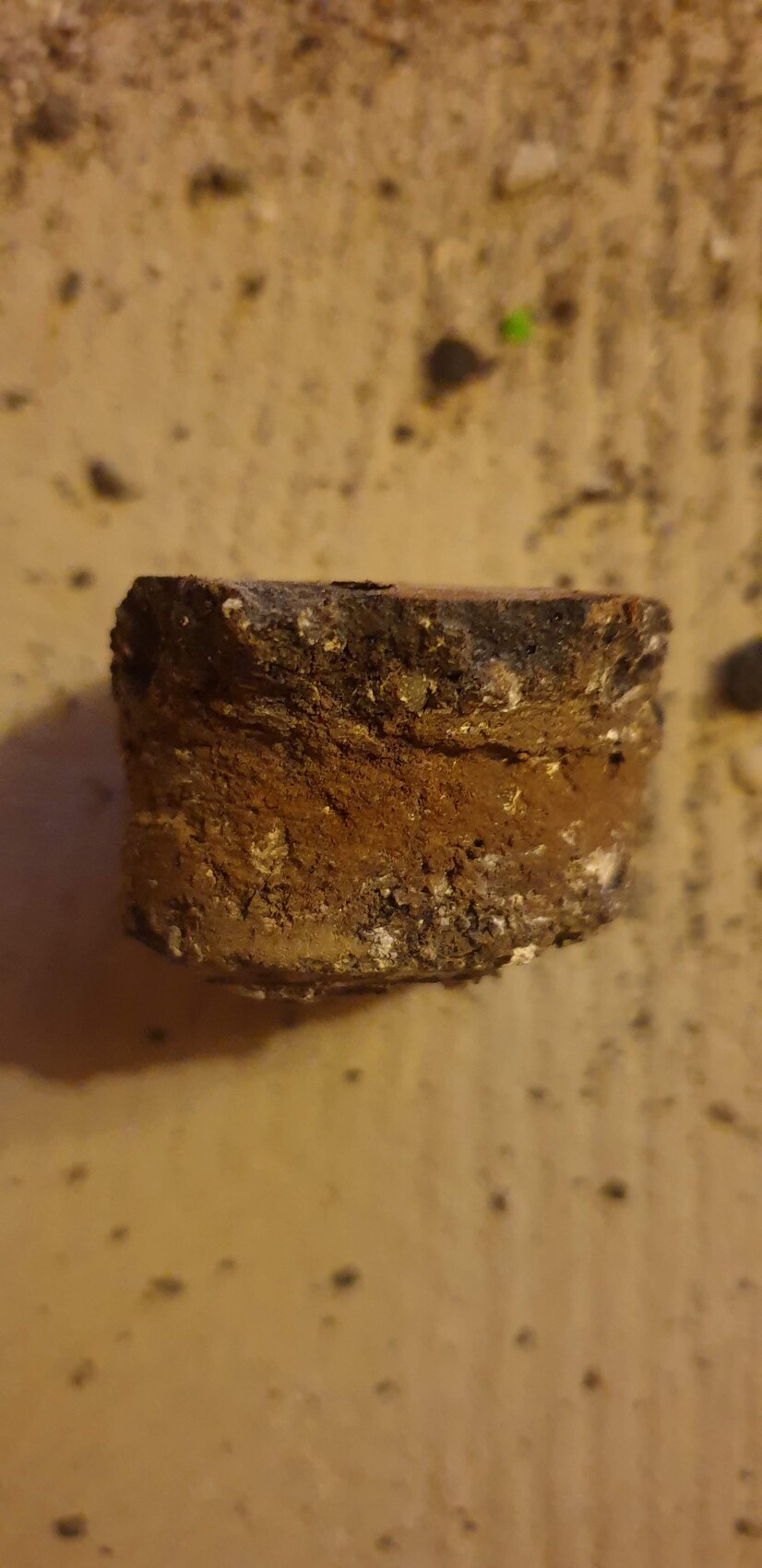
Image 2 – is the core sample of the screed – I believe it is cast asphalt.
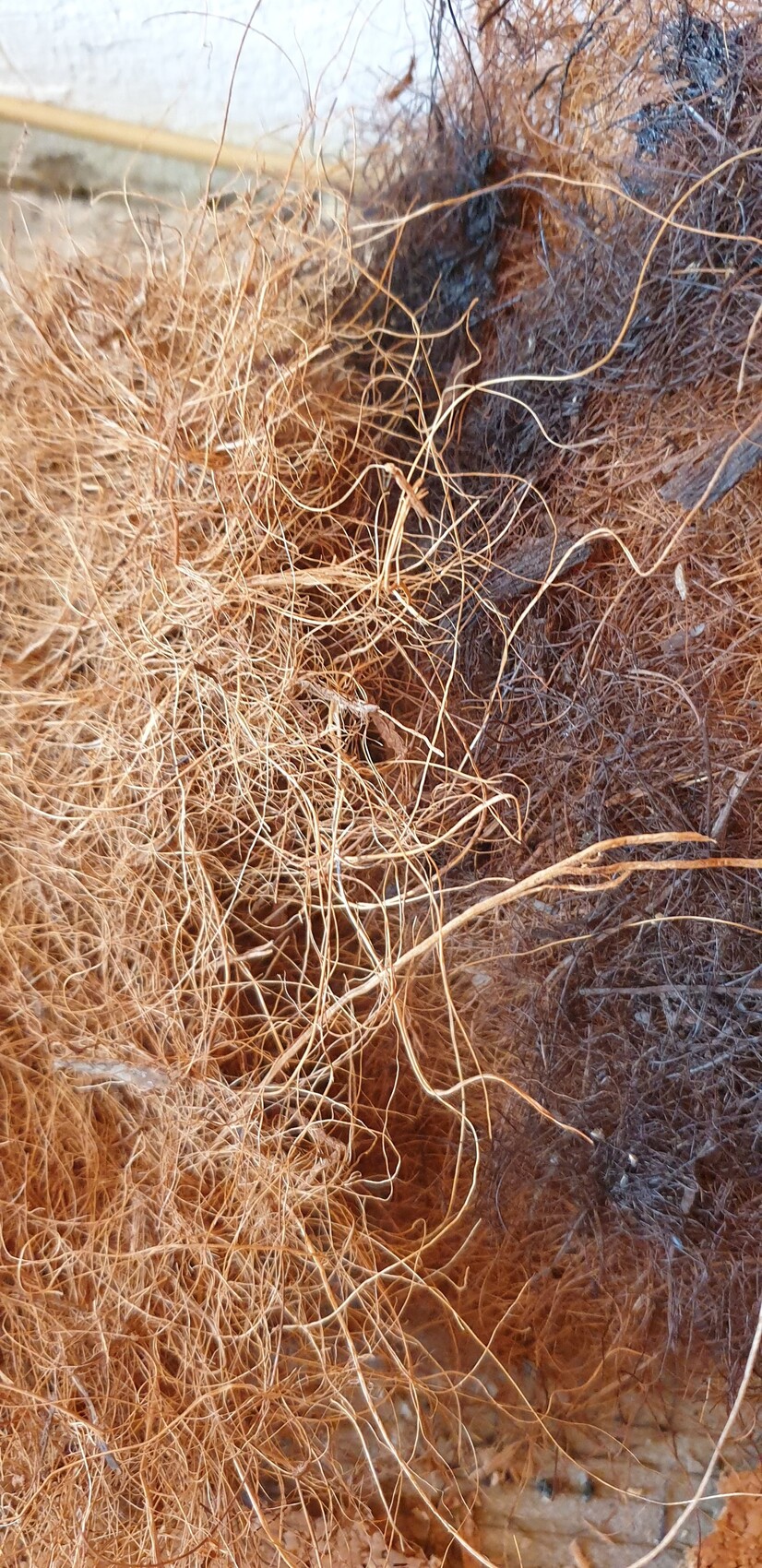
Image 3 – below the screed there appears to be a type of loose fill insulation made from coconut fibers.

What do you think?
Thanks for your tips.
Best regards,
chippy79
I would like to ask for your advice and tips regarding the proper removal of hot-poured asphalt screed (approximately 50 sqm (540 sq ft) area) in an apartment and the recommended safety measures.
I plan to break up this floor layer, about 2.5 cm (1 inch) thick, myself using an 18 kg (40 lbs) demolition hammer and then dispose of the debris in a rented container. Now, I am wondering how and if I need to protect myself properly. Do I require special protective clothing, such as a respirator, coveralls, gloves, goggles, etc.? Should I set up a clean/dirty area (decontamination zone) or similar?
The building was constructed in 1972, and the original building permit/planning permission states that cast asphalt was to be used. The floor covering in the rooms above is only floating parquet or laminate.
Image 1 – shows the test drilling.
Image 2 – is the core sample of the screed – I believe it is cast asphalt.
Image 3 – below the screed there appears to be a type of loose fill insulation made from coconut fibers.
What do you think?
Thanks for your tips.
Best regards,
chippy79
Okay, I have now performed a burn test on the dark-colored “building material.” After a short time, it started to smoke, and after about 1 minute under the flame, liquid black material was already dripping. It also smells tar-like, similar to freshly laid asphalt on a road. So, if it is NOT mastic asphalt, what other building material could it be? Any guesses?
Additionally, it smells somewhat tar-like when I hammer into the ground.
Does this burn test result change your assessment?
Thank you again for the advice 🙂
Additionally, it smells somewhat tar-like when I hammer into the ground.
Does this burn test result change your assessment?
Thank you again for the advice 🙂

Ok, thank you very much for the feedback.
If it is bitumen emulsion screed, would that affect the disposal methods or costs in any way?
Do I need to dispose of this material through a waste disposal company (container), or could I take it to a recycling center?
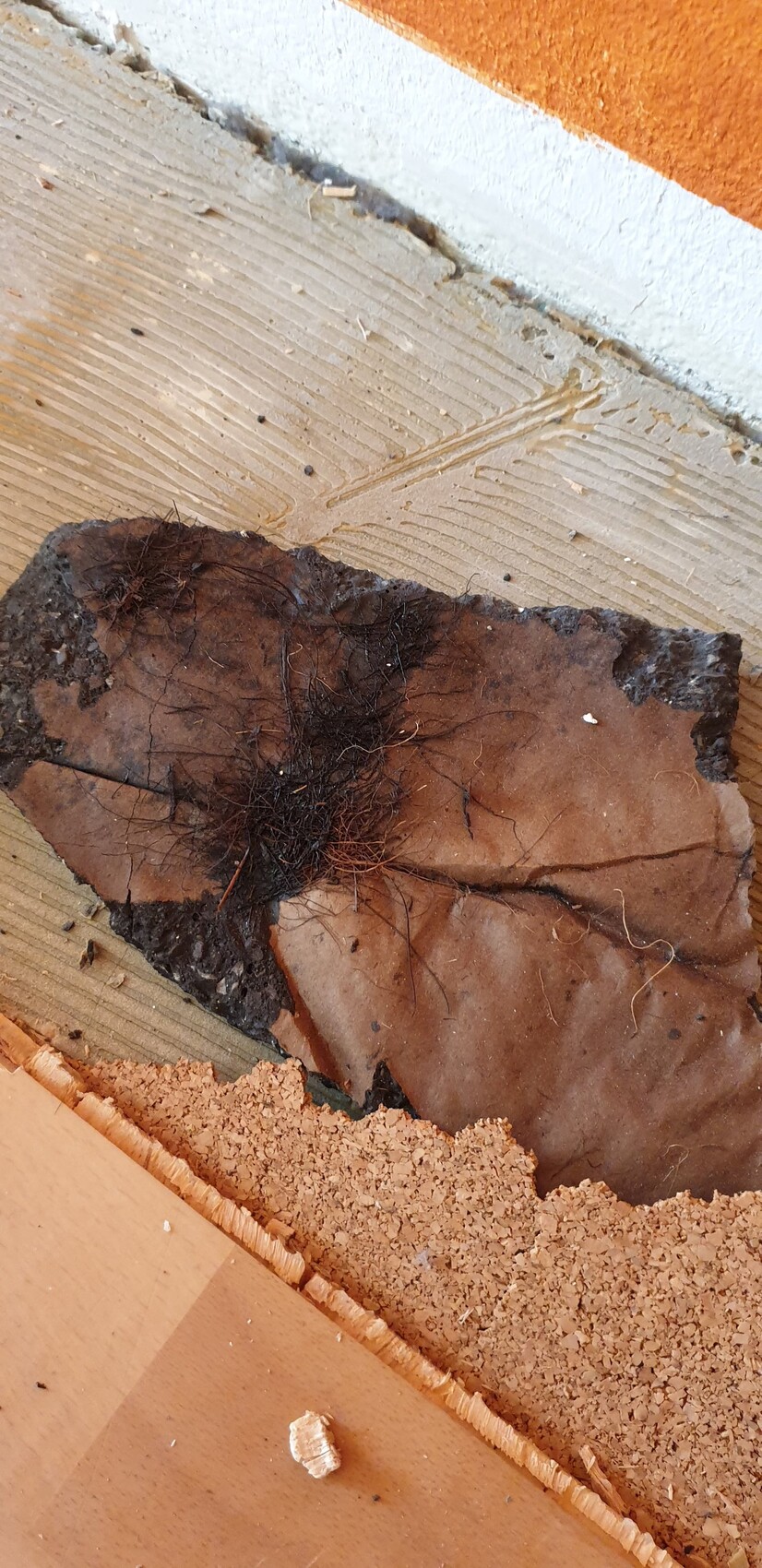
And could you possibly estimate what type of insulation is laid underneath and whether I could also dispose of that at the recycling center?
Many thanks.
If it is bitumen emulsion screed, would that affect the disposal methods or costs in any way?
Do I need to dispose of this material through a waste disposal company (container), or could I take it to a recycling center?
And could you possibly estimate what type of insulation is laid underneath and whether I could also dispose of that at the recycling center?
Many thanks.