
S
Superlights29 Sep 2022 21:20Good evening,
At work, we unfortunately have exposed pipes with uncovered insulation material. The company has been in business since 1986. I only recently noticed the open pipes and cannot determine whether the insulation is harmful, such as fiberglass. The manager refuses to acknowledge the issue and tells me to leave it alone.
I am not an expert either, but I would assume this is not acceptable. Does anyone have experience with this?
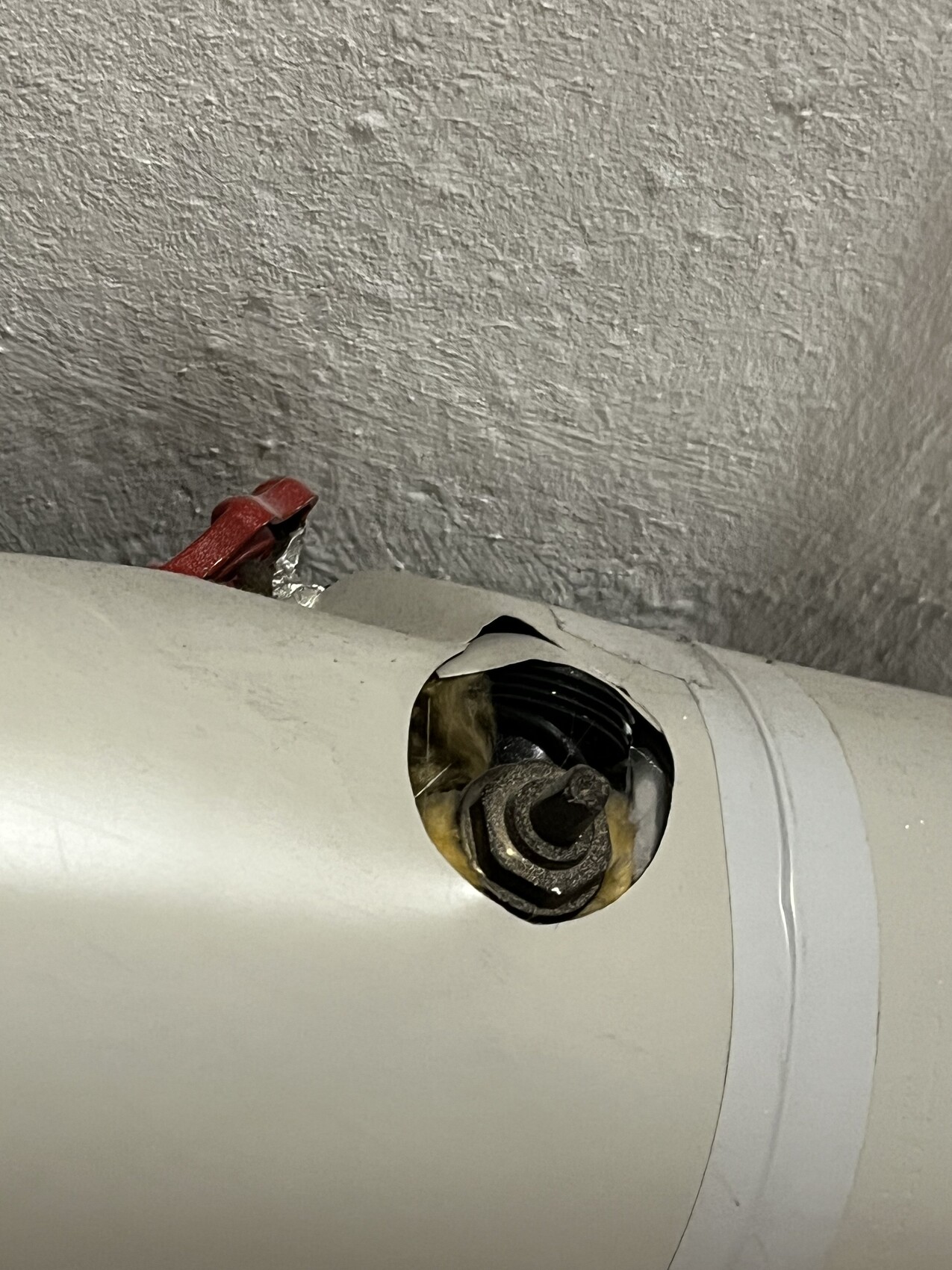
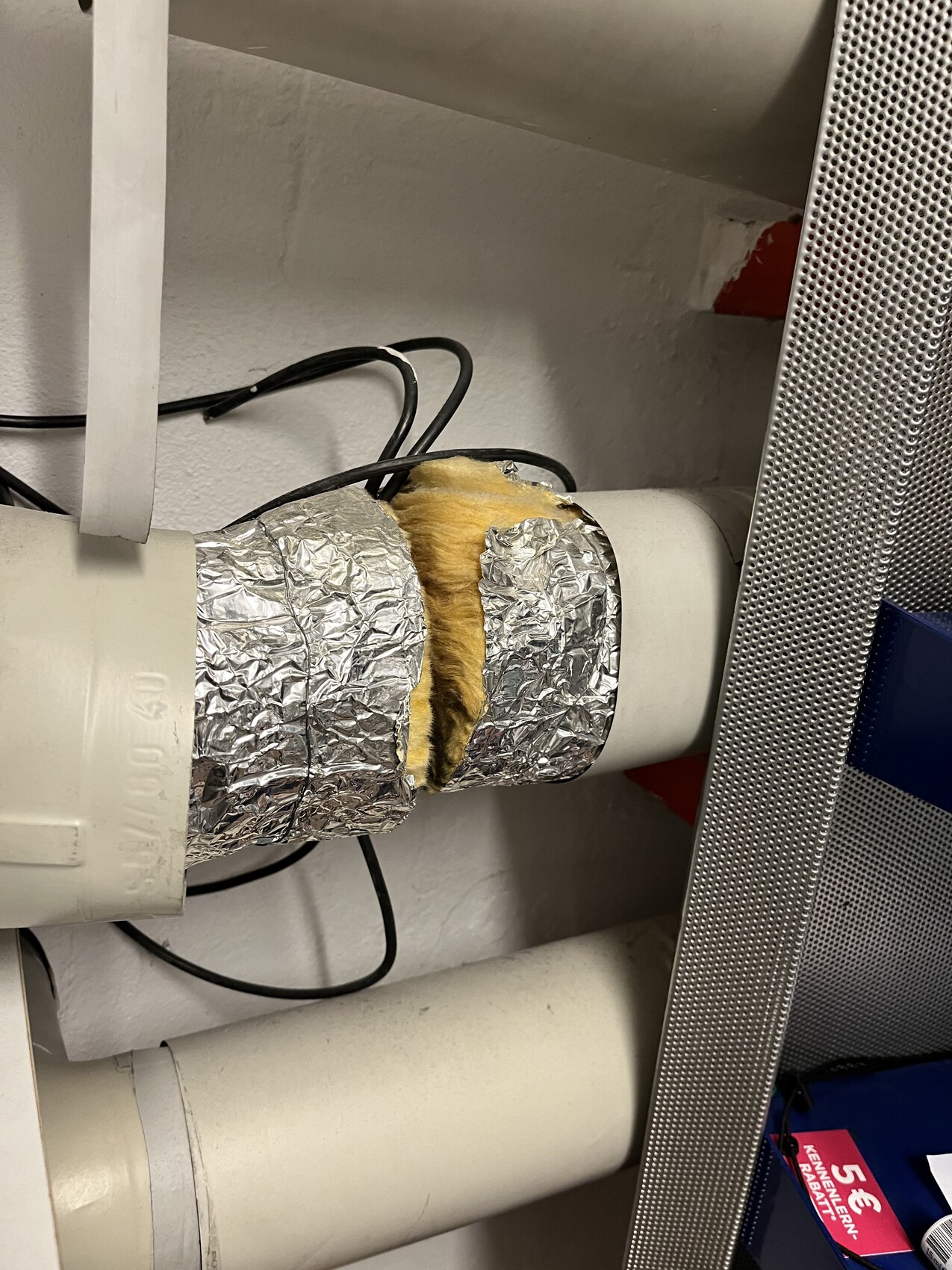
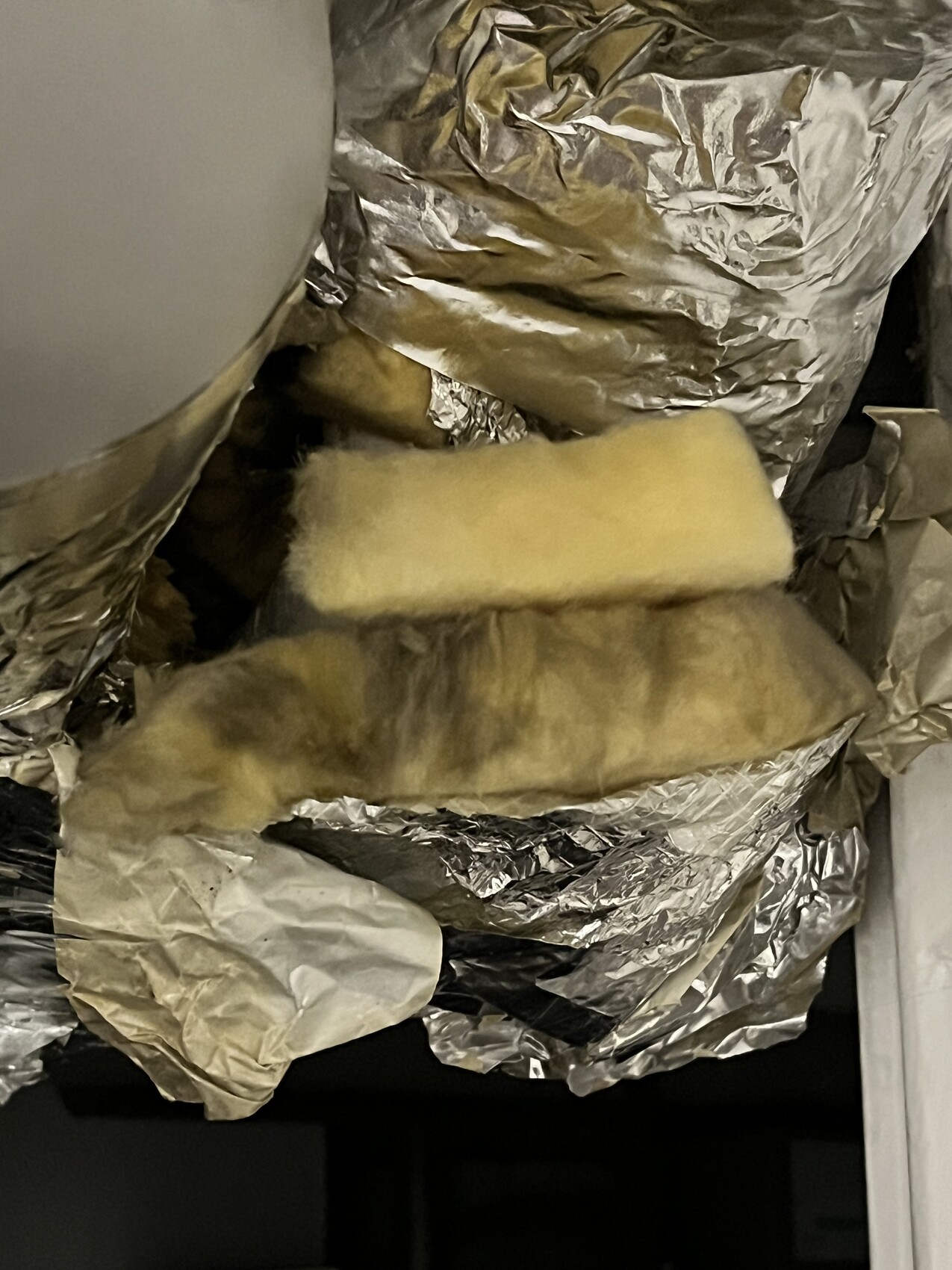
At work, we unfortunately have exposed pipes with uncovered insulation material. The company has been in business since 1986. I only recently noticed the open pipes and cannot determine whether the insulation is harmful, such as fiberglass. The manager refuses to acknowledge the issue and tells me to leave it alone.
I am not an expert either, but I would assume this is not acceptable. Does anyone have experience with this?
Stay calm, everything is fine.
This is a typical insulation of heating pipes using mineral wool, even without a cardboard or gypsum covering but wrapped with aluminum foil laminated with some kind of plastic. Definitely asbestos-free, this method is still in use today. Sometimes polyurethane (PU) jackets are used, but mineral wool is also common.
Mineral wool is not carcinogenic and can only be harmful (causing respiratory irritation) if handled without a mask or without gloves (causing skin irritation or itching) during installation. When the pipes are simply lying or hanging, it poses no risk.
The opening at the valve is necessary—you wouldn’t be able to access it otherwise. Nowadays, this is usually done with polystyrene shells (Styrofoam shells) tailored to the specific fitting, which can be removed. Where the insulation has been cut open, temperature sensors were apparently installed. It was probably temporary at first, and then no one closed it back—though it doesn’t cause any issues.
This is a typical insulation of heating pipes using mineral wool, even without a cardboard or gypsum covering but wrapped with aluminum foil laminated with some kind of plastic. Definitely asbestos-free, this method is still in use today. Sometimes polyurethane (PU) jackets are used, but mineral wool is also common.
Mineral wool is not carcinogenic and can only be harmful (causing respiratory irritation) if handled without a mask or without gloves (causing skin irritation or itching) during installation. When the pipes are simply lying or hanging, it poses no risk.
The opening at the valve is necessary—you wouldn’t be able to access it otherwise. Nowadays, this is usually done with polystyrene shells (Styrofoam shells) tailored to the specific fitting, which can be removed. Where the insulation has been cut open, temperature sensors were apparently installed. It was probably temporary at first, and then no one closed it back—though it doesn’t cause any issues.
S
Superlights30 Sep 2022 13:49dertill schrieb:
Stay calm, everything is fine.
This is common insulation on heating pipes using mineral wool, even without a cardboard/gypsum casing but wrapped with aluminum foil laminated with some kind of plastic. Definitely asbestos-free, this method is still used today. Sometimes polyurethane (PU) casings are used, but mineral wool is also common.
Mineral wool is not carcinogenic and can only cause harm (respiratory irritation) if handled without a mask or gloves (skin irritation, itching), meaning mainly during installation. When it’s just lying or hanging in place, it does not cause any issues.
The opening at the valve has to be there—you wouldn’t be able to access it otherwise. Today this is usually solved with polystyrene shells matched to the specific valve, which can be removed. And where it was cut open, temperature sensors were apparently installed. It was probably a temporary solution that was never closed again—but it doesn’t harm anyone. Ok, thank you very much! It helps to have experienced people take a look here.
The concern only arose because the company is so old that the insulation material used might be outdated, possibly posing a cancer or health risk.
Similar topics