
ᐅ New Construction Settlement Cracks in a Masonry Basement: What Is Still Considered "Normal"?
Created on: 1 Nov 2023 14:10
C
Claus001
Hello dear forum members, about six months ago we finally fulfilled our lifelong dream and bought an almost new architect-designed house (built in 2019 using solid construction). During the inspection, we already noticed settlement cracks in the basement. According to the seller at that time, he had this checked by a structural engineer and was told it was harmless. Unfortunately, contact with the seller has now been lost, and we cannot communicate with him on this matter anymore (according to his statement, divorce stress, and he no longer wants to deal with the issue). We know we should have been more critical back then, but unfortunately, that doesn’t help us now.
After about half a year, however, we have the impression that the cracks are becoming somewhat wider and longer. The crack width is currently between approximately 0.1 and 0.7 mm (0.004 and 0.03 inches). The cracks almost always run vertically and extend up to about three quarters of the wall height. This is especially noticeable around the window reveals (where the load distribution is already uneven due to the geometry) and the partition walls to the other basement rooms.
Now we are wondering whether this is still within a normal range. The house is only four years old, and the soil is clay. According to the building plans we still have, a strip footing with a somewhat thinner slab was constructed. Unfortunately, it is not clear whether there was a gravel layer or something similar. According to the seller’s information at the time, the walls themselves were made from concrete blocks filled with concrete and reinforced with steel.
So far, I have not been able to reach the architect. We still have time to file a complaint and submit a defect notice, as we are still within the five-year period. The question is, who is ultimately responsible if this is a defect? The architect? The basement or structural builder? Unfortunately, we do not know. Perhaps someone in this forum has had similar experiences or can provide valuable advice. It might also be that this is not a cause for concern.
Best regards, Claus
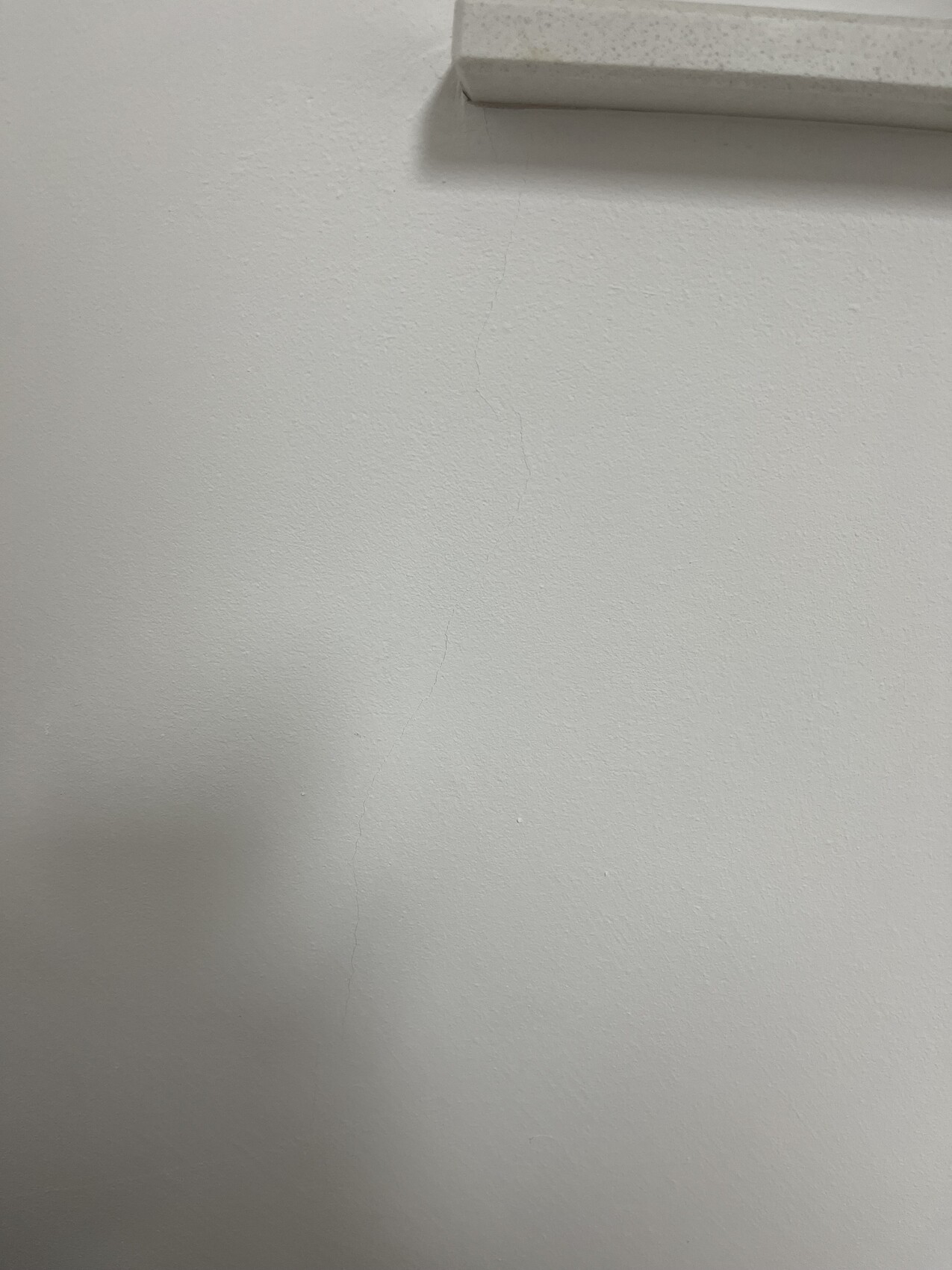
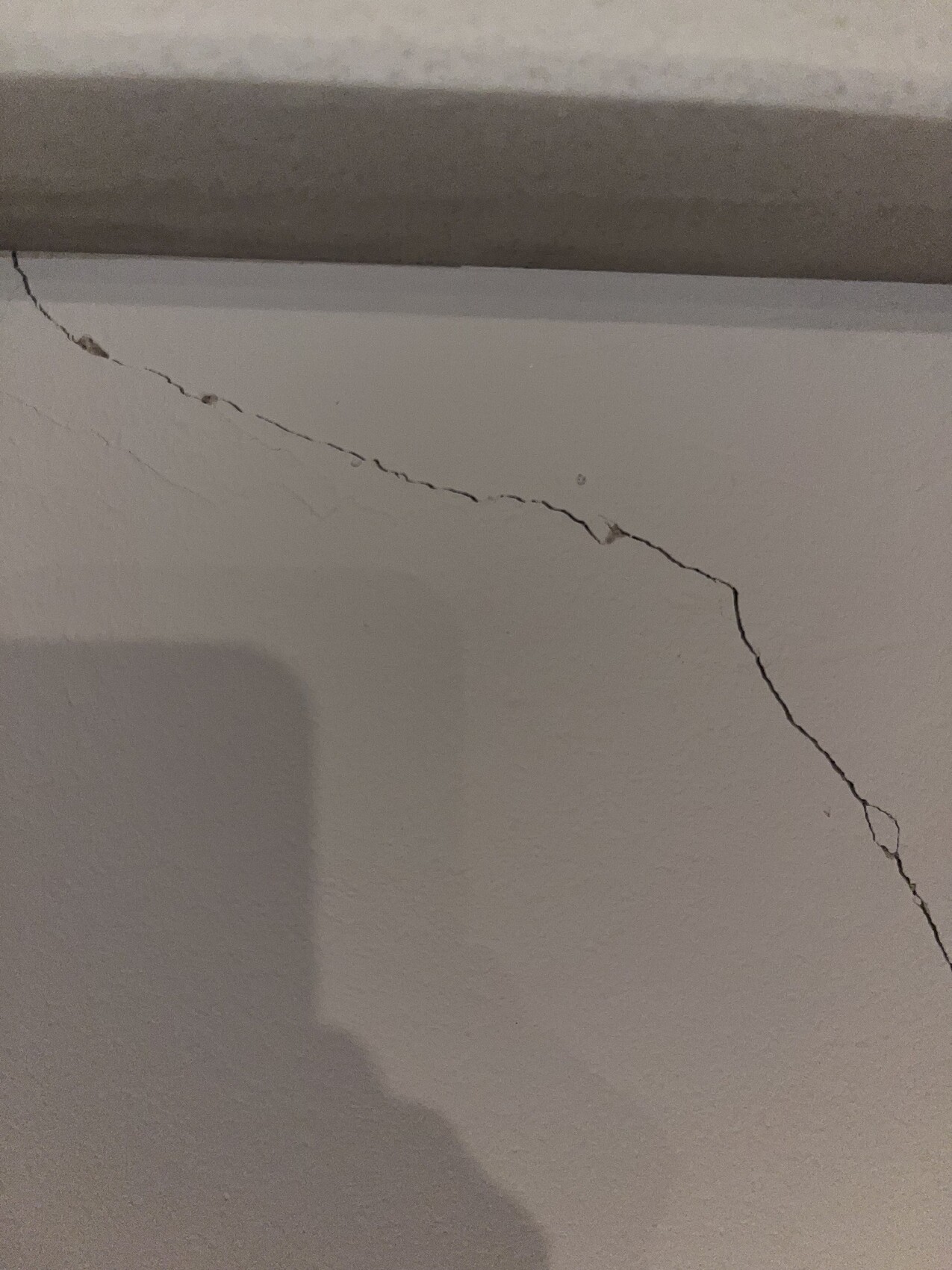
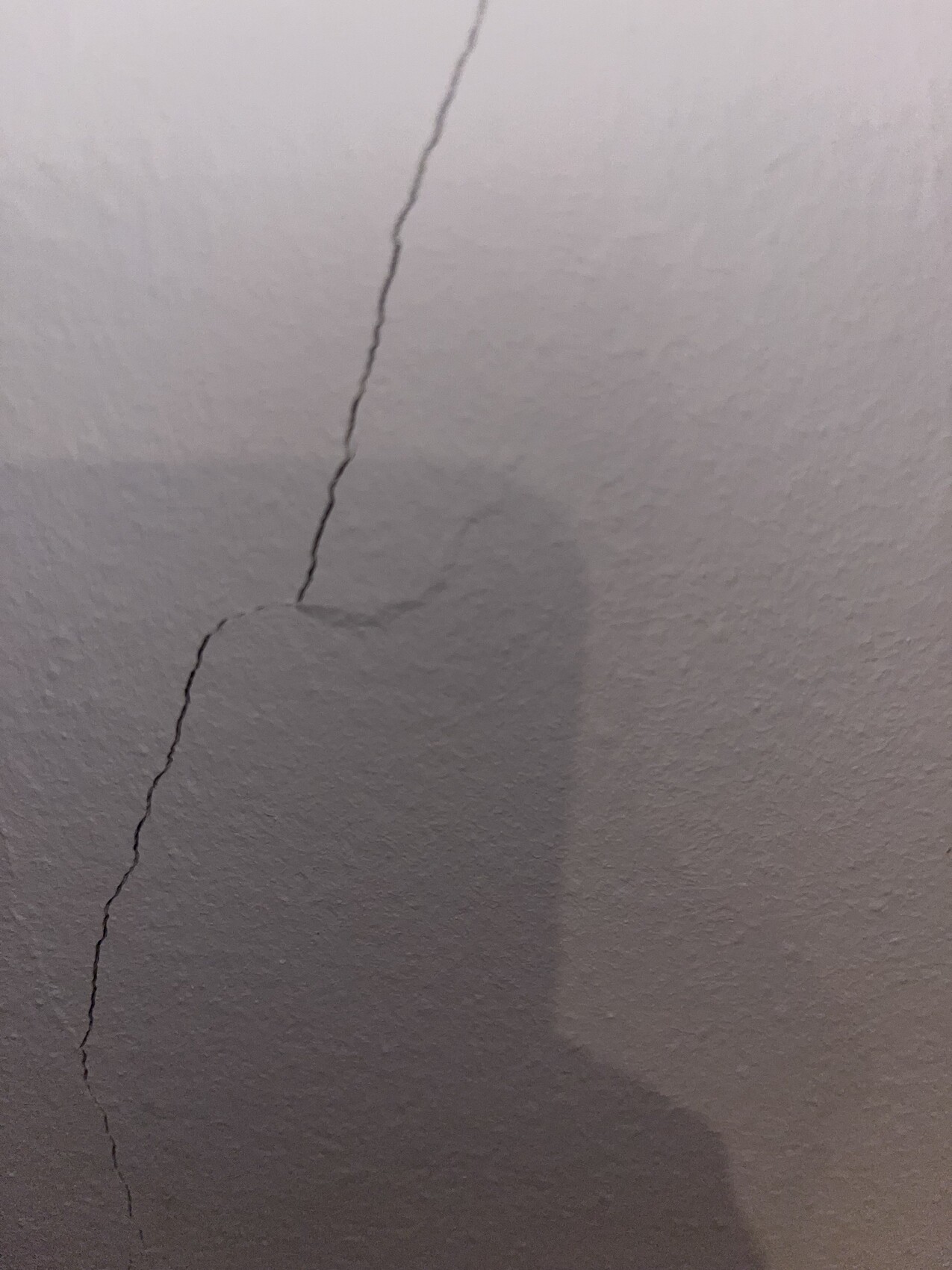
After about half a year, however, we have the impression that the cracks are becoming somewhat wider and longer. The crack width is currently between approximately 0.1 and 0.7 mm (0.004 and 0.03 inches). The cracks almost always run vertically and extend up to about three quarters of the wall height. This is especially noticeable around the window reveals (where the load distribution is already uneven due to the geometry) and the partition walls to the other basement rooms.
Now we are wondering whether this is still within a normal range. The house is only four years old, and the soil is clay. According to the building plans we still have, a strip footing with a somewhat thinner slab was constructed. Unfortunately, it is not clear whether there was a gravel layer or something similar. According to the seller’s information at the time, the walls themselves were made from concrete blocks filled with concrete and reinforced with steel.
So far, I have not been able to reach the architect. We still have time to file a complaint and submit a defect notice, as we are still within the five-year period. The question is, who is ultimately responsible if this is a defect? The architect? The basement or structural builder? Unfortunately, we do not know. Perhaps someone in this forum has had similar experiences or can provide valuable advice. It might also be that this is not a cause for concern.
Best regards, Claus
B
Buchsbaum1 Nov 2023 21:36Stay calm.
It is completely normal for masonry below the windows to develop cracks occasionally. Of course, no moisture should penetrate. The weight of your entire house rests on the lower walls, and there is no structural connection between the windows. In theory, a concrete anchor could be poured below the window opening to stabilize the wall. However, no one really does that.
Now just wait and see how the plaster reacts and whether the crack actually expands.
It is understandable to feel unsettled when something like this occurs—especially if you did not build it yourself.
It is completely normal for masonry below the windows to develop cracks occasionally. Of course, no moisture should penetrate. The weight of your entire house rests on the lower walls, and there is no structural connection between the windows. In theory, a concrete anchor could be poured below the window opening to stabilize the wall. However, no one really does that.
Now just wait and see how the plaster reacts and whether the crack actually expands.
It is understandable to feel unsettled when something like this occurs—especially if you did not build it yourself.