
ᐅ New Construction Settlement Cracks in a Masonry Basement: What Is Still Considered "Normal"?
Created on: 1 Nov 2023 14:10
C
Claus001
Hello dear forum members, about six months ago we finally fulfilled our lifelong dream and bought an almost new architect-designed house (built in 2019 using solid construction). During the inspection, we already noticed settlement cracks in the basement. According to the seller at that time, he had this checked by a structural engineer and was told it was harmless. Unfortunately, contact with the seller has now been lost, and we cannot communicate with him on this matter anymore (according to his statement, divorce stress, and he no longer wants to deal with the issue). We know we should have been more critical back then, but unfortunately, that doesn’t help us now.
After about half a year, however, we have the impression that the cracks are becoming somewhat wider and longer. The crack width is currently between approximately 0.1 and 0.7 mm (0.004 and 0.03 inches). The cracks almost always run vertically and extend up to about three quarters of the wall height. This is especially noticeable around the window reveals (where the load distribution is already uneven due to the geometry) and the partition walls to the other basement rooms.
Now we are wondering whether this is still within a normal range. The house is only four years old, and the soil is clay. According to the building plans we still have, a strip footing with a somewhat thinner slab was constructed. Unfortunately, it is not clear whether there was a gravel layer or something similar. According to the seller’s information at the time, the walls themselves were made from concrete blocks filled with concrete and reinforced with steel.
So far, I have not been able to reach the architect. We still have time to file a complaint and submit a defect notice, as we are still within the five-year period. The question is, who is ultimately responsible if this is a defect? The architect? The basement or structural builder? Unfortunately, we do not know. Perhaps someone in this forum has had similar experiences or can provide valuable advice. It might also be that this is not a cause for concern.
Best regards, Claus

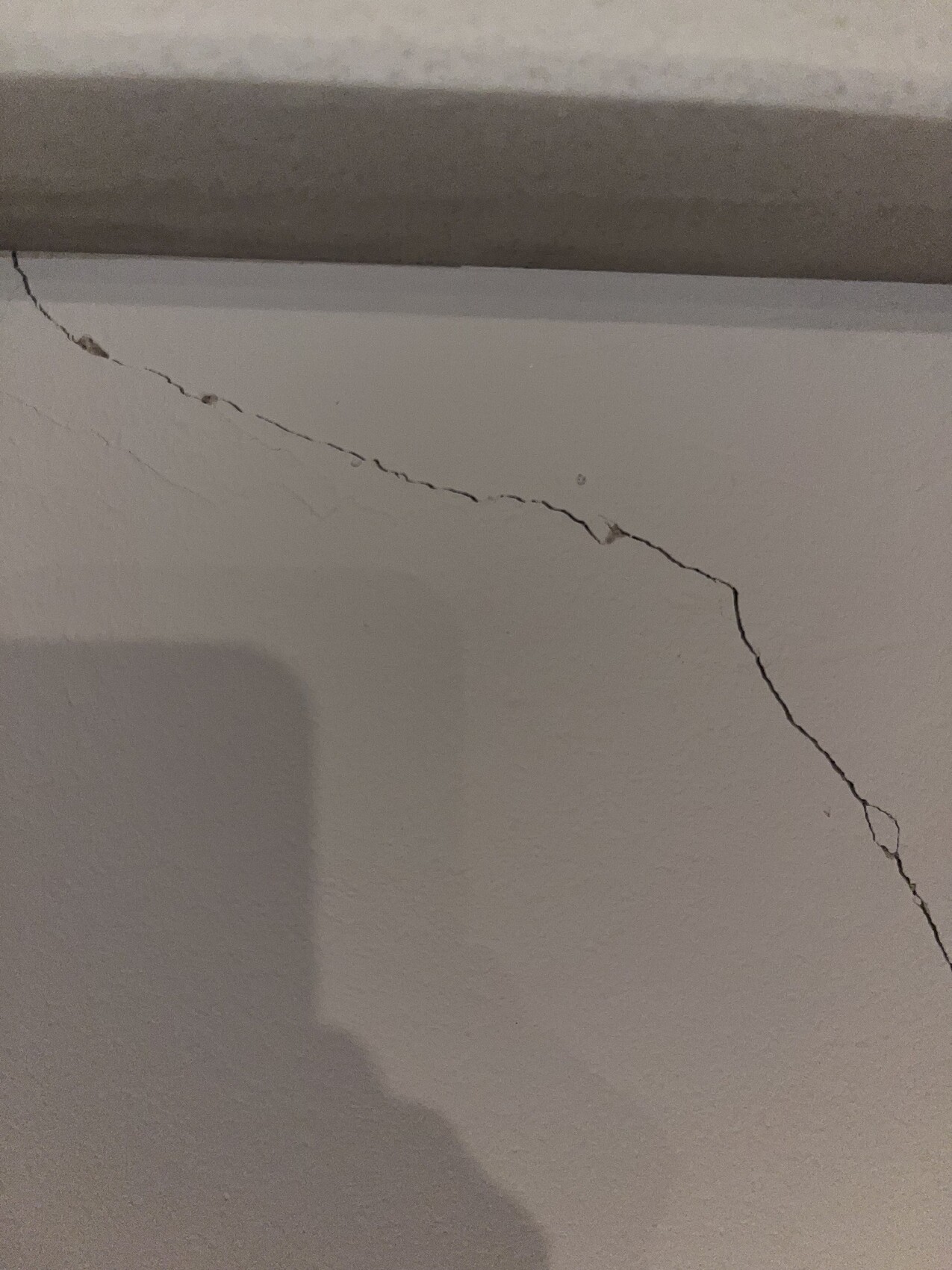
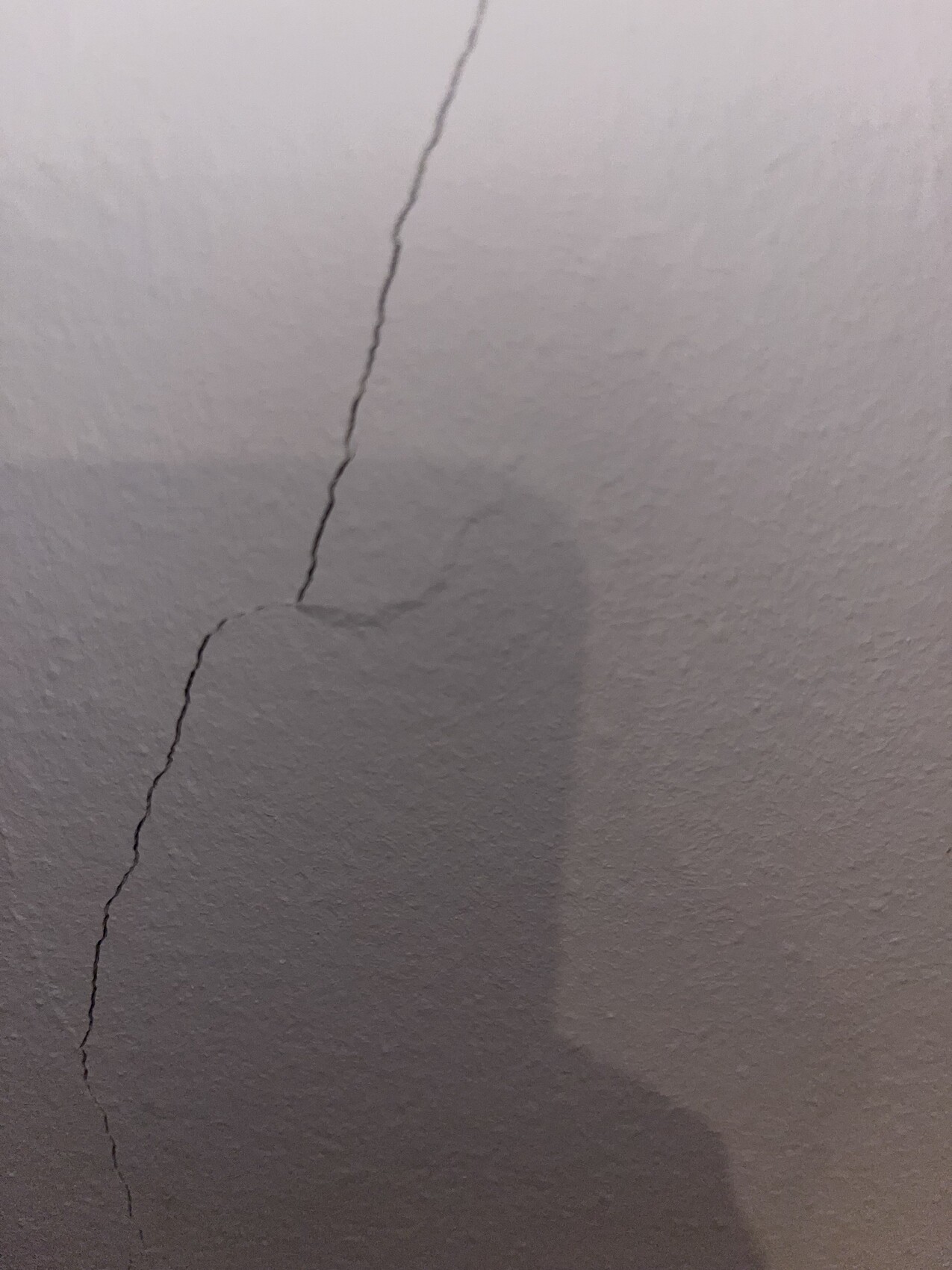
After about half a year, however, we have the impression that the cracks are becoming somewhat wider and longer. The crack width is currently between approximately 0.1 and 0.7 mm (0.004 and 0.03 inches). The cracks almost always run vertically and extend up to about three quarters of the wall height. This is especially noticeable around the window reveals (where the load distribution is already uneven due to the geometry) and the partition walls to the other basement rooms.
Now we are wondering whether this is still within a normal range. The house is only four years old, and the soil is clay. According to the building plans we still have, a strip footing with a somewhat thinner slab was constructed. Unfortunately, it is not clear whether there was a gravel layer or something similar. According to the seller’s information at the time, the walls themselves were made from concrete blocks filled with concrete and reinforced with steel.
So far, I have not been able to reach the architect. We still have time to file a complaint and submit a defect notice, as we are still within the five-year period. The question is, who is ultimately responsible if this is a defect? The architect? The basement or structural builder? Unfortunately, we do not know. Perhaps someone in this forum has had similar experiences or can provide valuable advice. It might also be that this is not a cause for concern.
Best regards, Claus
KarstenausNRW schrieb:
At first glance, it looks okay, so more of a cosmetic defect.
But since you are still within the warranty period, I would still have the contractor come out. Maybe he will offer some compensation. Hello Karsten,
Thanks. Let's proceed that way once we have the contact details of the architect.
Regards,
Claus
ypg schrieb:
For documentation, include a scale on the cracks. You should also identify the areas where they are located in case you need to assert your rights later on. Additionally, the documentation should show whether and to what extent the cracks change over time.
Was a soil survey conducted back then? Hello, thank you for the reply. We will still do a proper documentation. I applied plaster markers today.
Best regards,
Claus
Claus001 schrieb:
Hello, thank you for your reply. We will still prepare proper documentation. Today, I installed plaster profiles.
Regards,
Claus There was apparently a soil report. However, we do not have it.
Buchsbaum schrieb:
Why would someone sell an architect-designed house after such a short time? There might be some reasons, but it’s not common.
I would immediately suspect that something is wrong. Of course, there could be family reasons as well. Sure.
If I were in your position, I would first inspect the cracks myself. Remove the wallpaper and apply plaster markers. Then observe them over a few weeks. Place the plaster markers even on the smallest cracks.
If necessary, remove the plaster and examine the masonry. Possibly also check the floor and the connection to the wall. If the foundation is settling, this needs monitoring, but in that case, I would also expect cracks in the concrete slab.
However, you don’t need to worry too much. Cracks, especially below windows, often occur. Structurally, they are usually not a concern.
So, as I said, remove the wallpaper and put plaster on first. If that also cracks, which it will with even the smallest movements, then your house is still shifting. I’m not sure about the exact tolerances for such cracks, but I believe there are standard measurements. Hello, thank you for the reply. There is no wallpaper, only plaster. I applied the plaster markers today. According to relevant literature, 0.1 to 0.2 mm (0.004 to 0.008 inches) is considered harmless. We are above that, though. I cannot check the concrete slab. The basement is a living basement with underfloor heating and the floor coverings are already installed. What’s strange is that the cracks appear only in the basement. There are no cracks in the ground or upper floors. The basement was built with concrete blocks, as I mentioned, and the upper floors with brick.
Regards,
Claus
xMisterDx schrieb:
It's impressive what you can identify from these photo snippets, without floor plans, without knowledge of load-bearing walls, and so on.
In our case, even a 0.3mm (0.01 inch) crack in a non-load-bearing wall on the upper floor prompted the construction technician from the general contractor to come, because he said he couldn't assess it properly from a distance with just a few pictures.
Get a professional to inspect it on site; anything else is just guesswork. Thank you for the response. The cracks are only on load-bearing walls and only in the basement. We will probably consult a professional if we can’t make progress with the architect.
Regards,
Claus
schubert79 schrieb:
It was the same for us. After 3 years it stopped. Then we plastered and painted. Tip-top.Hello, thank you for your response. We have clay soil. This might mean it takes longer in our case. Of course, we also hope that it will eventually stop. Regards,
Claus
Similar topics