
Hello everyone,
We plan to start the exterior work on our property in autumn this year or spring next year.
We have an area of about 1200 sq m (12,917 sq ft) behind the house, mostly planted with grass. There is a hedge around the perimeter, along with some bushes, and a compost heap for green waste.
We want to install a carport there, as well as a small vegetable garden (~20-30 sq m (215-323 sq ft)).
Everything else, like play equipment for the children, will go on the lawn.
Now to our problem.
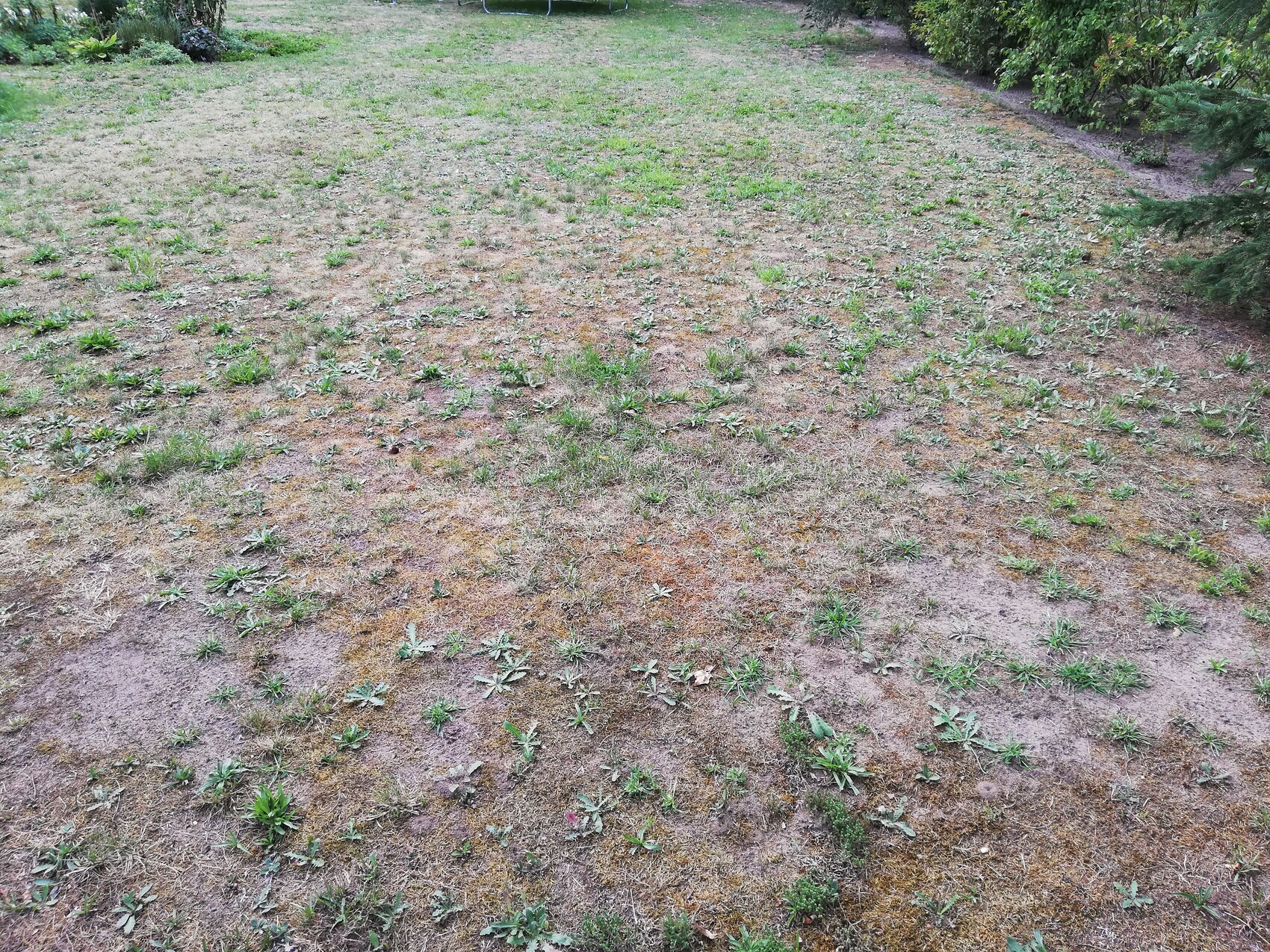
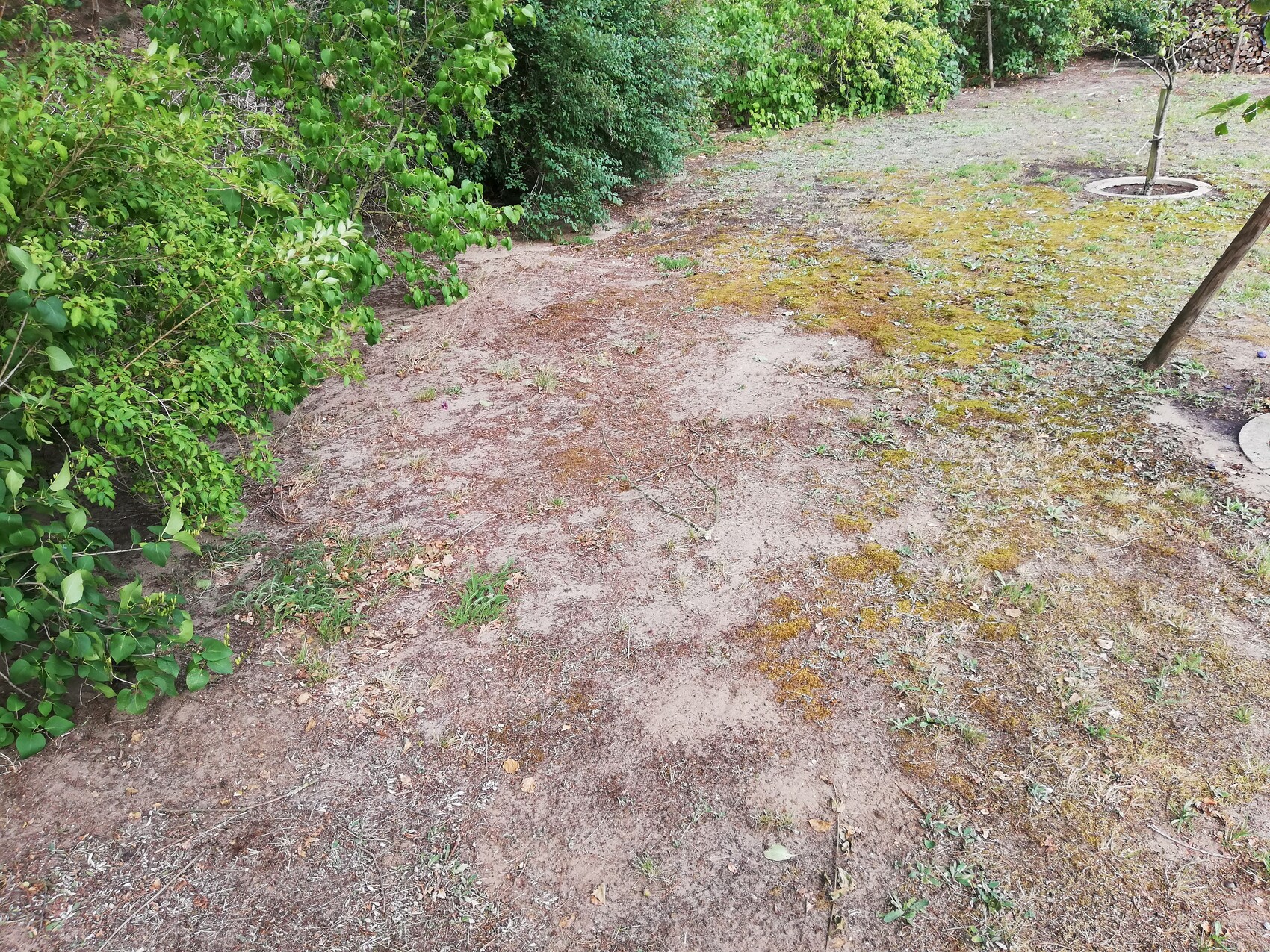
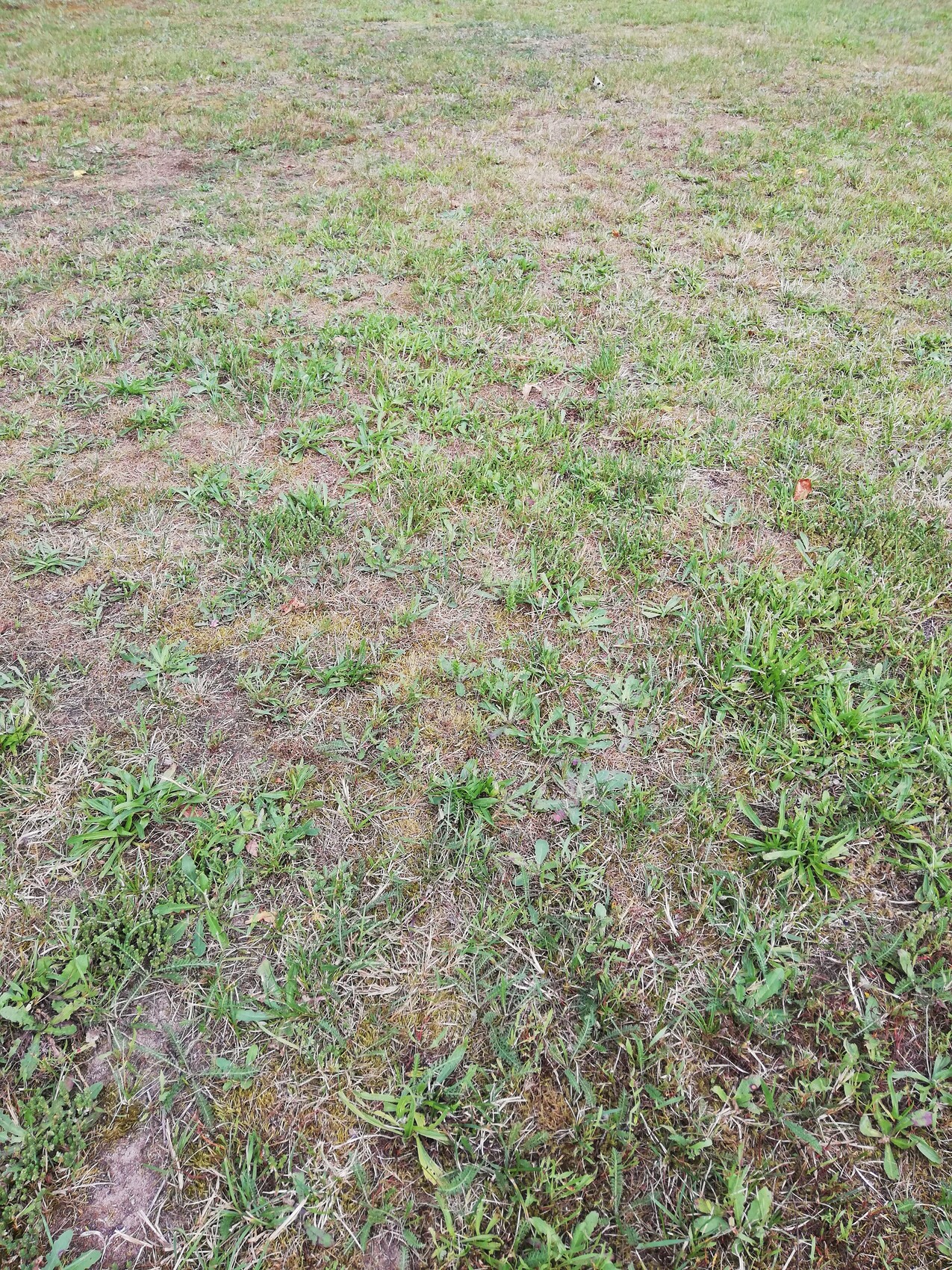
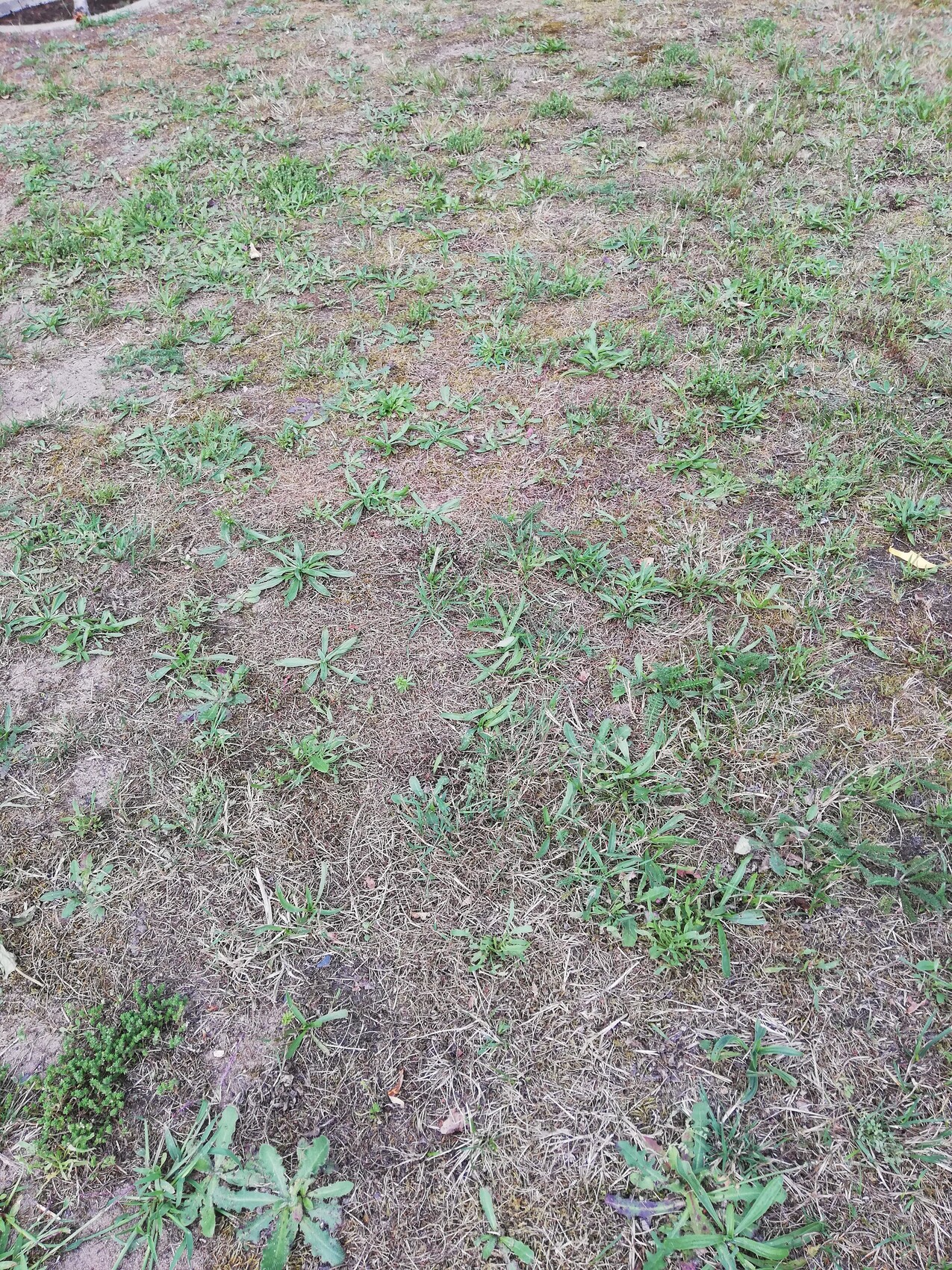
The lawn—or rather, there is hardly any grass left. Mostly weeds, moss, and patches of remaining turf.
We would now like to ask a farmer to plow the land so we can plant new grass.
Unfortunately, we don’t really know how to proceed and haven’t done much research yet.
We’d appreciate your opinion:
The area is estimated to be around 900-1000 sq m (9,688-10,764 sq ft). If we divide it and have the farmer plow 50% in autumn 2019, then plant grass—would that still be possible before winter?
Then do the other half in spring 2020?
Or is that nonsense?
We have also consulted a landscaping company about some things; they will include a quote for the area as well.
Could you tell us roughly what something like this costs and what would be a fair price?
The offer is not available yet.
Do you have any other tips on what to watch out for if we do everything ourselves?
Or would you approach it in a completely different way?
Thank you very much for your help!
We plan to start the exterior work on our property in autumn this year or spring next year.
We have an area of about 1200 sq m (12,917 sq ft) behind the house, mostly planted with grass. There is a hedge around the perimeter, along with some bushes, and a compost heap for green waste.
We want to install a carport there, as well as a small vegetable garden (~20-30 sq m (215-323 sq ft)).
Everything else, like play equipment for the children, will go on the lawn.
Now to our problem.
The lawn—or rather, there is hardly any grass left. Mostly weeds, moss, and patches of remaining turf.
We would now like to ask a farmer to plow the land so we can plant new grass.
Unfortunately, we don’t really know how to proceed and haven’t done much research yet.
We’d appreciate your opinion:
The area is estimated to be around 900-1000 sq m (9,688-10,764 sq ft). If we divide it and have the farmer plow 50% in autumn 2019, then plant grass—would that still be possible before winter?
Then do the other half in spring 2020?
Or is that nonsense?
We have also consulted a landscaping company about some things; they will include a quote for the area as well.
Could you tell us roughly what something like this costs and what would be a fair price?
The offer is not available yet.
Do you have any other tips on what to watch out for if we do everything ourselves?
Or would you approach it in a completely different way?
Thank you very much for your help!
Nordlys schrieb:
You won’t find any glyphosate residues in rapeseed oil, wheat, or beer. Bet on it? K:Better not bet against Stiftung Warentest and Ökotest – for example, they still found significant glyphosate residues in beer (through brewing barley) ....
Nordlys schrieb:
To all urban worriers:
Our family is heavily involved in agriculture. Real farmers who make a living from it.
There is a rapeseed field that has just been harvested. Since you can’t always grow rapeseed repeatedly, it’s time for crop rotation with wheat or malting barley. What to do? The Danish method: burn off the field, then plow the ashes into the soil. In Germany, this is not allowed because of CO2 regulations. The local method: one round of glyphosate, then plowing, then reseeding.
I ask those opposed to glyphosate for alternatives—but alternatives that actually work, without needing 50 workers to weed the wheat by hand just to remove the old rapeseed. How was it done without glyphosate? Rumor has it that wheat was already being grown in Germany in the 1970s.
You won’t find glyphosate residues in rapeseed oil, wheat, or beer. Bet on it? K: You lost that bet!
In the 1970s, burning off was also practiced here. Back then, different total herbicides were used. The application of glyphosate on genetically modified seeds that are glyphosate-resistant, after sowing but before harvest, is prohibited in our area. Glyphosate breaks down in the soil within a maximum of 21 days. So, if a field is sprayed clean before winter and planted in March, there is no residue left. K.