
Dear forum members,
Since I believe that other forum members might also be interested in how a basement from Germany’s leading manufacturer of prefabricated basements looks in our case, I have decided to share the following post.
We recently built a basement with the company Glatthaar Fertigkeller in the "Thermosafe" version (core insulation) with waterproofing against accumulating seepage water. We chose this option because, after the sales discussion, we believed the additional cost was justified due to:
- Retaining the concrete look inside and outside, which would have matched the house with natural wood cladding
- Savings from not having to plaster the interior or exterior walls, only applying a concrete stain paint
Unfortunately, this could not be realized for the following reasons:
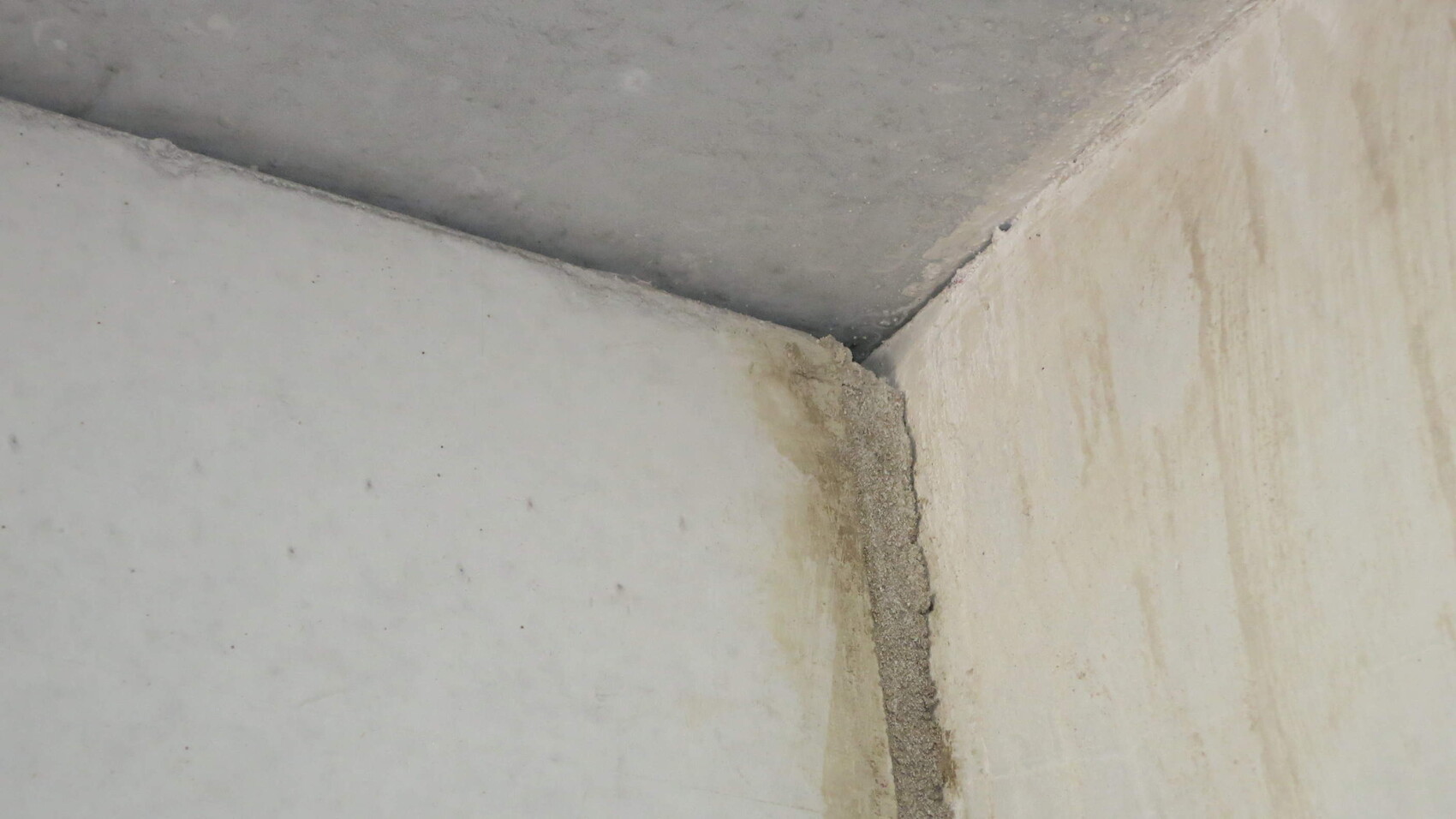
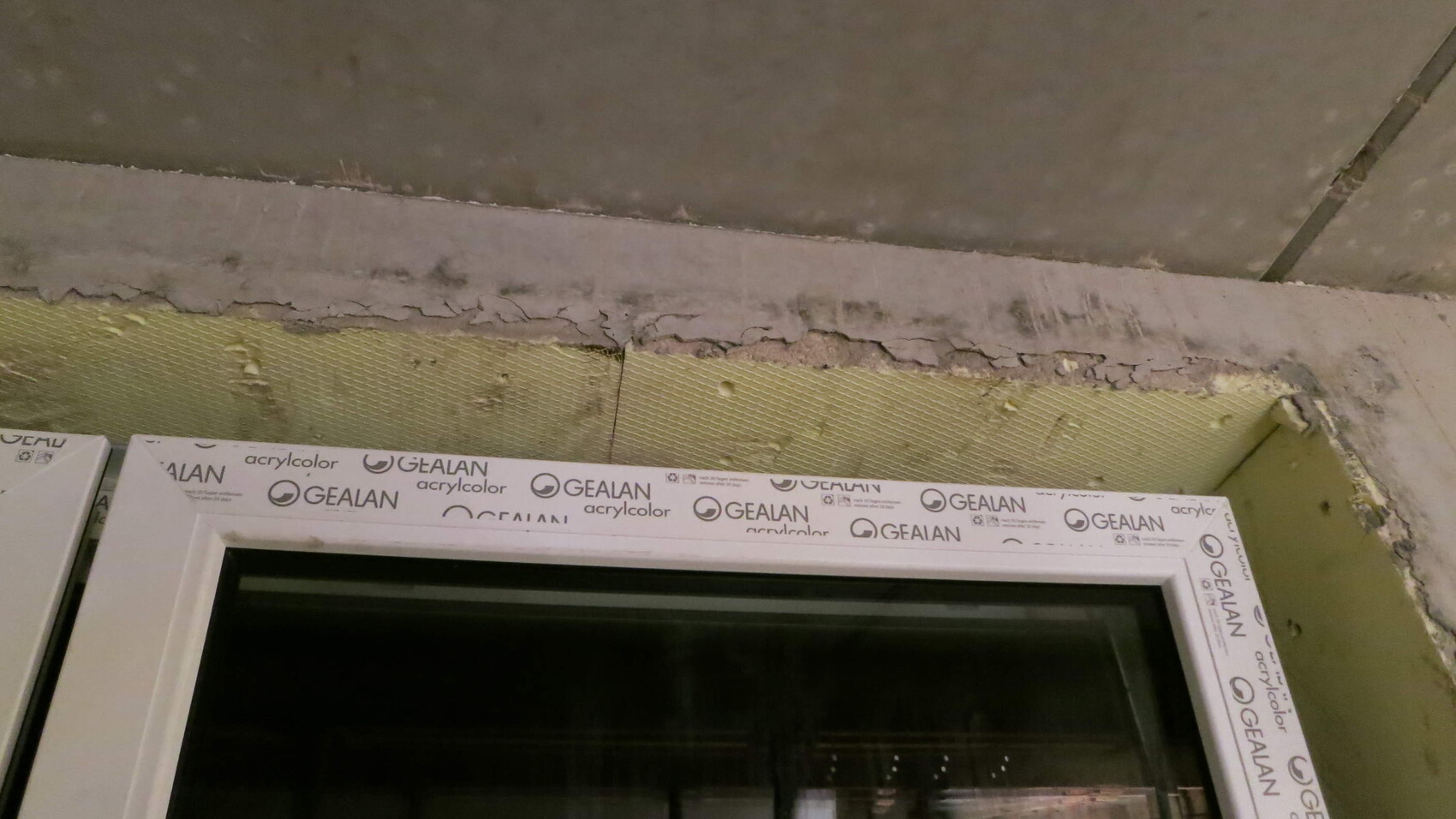
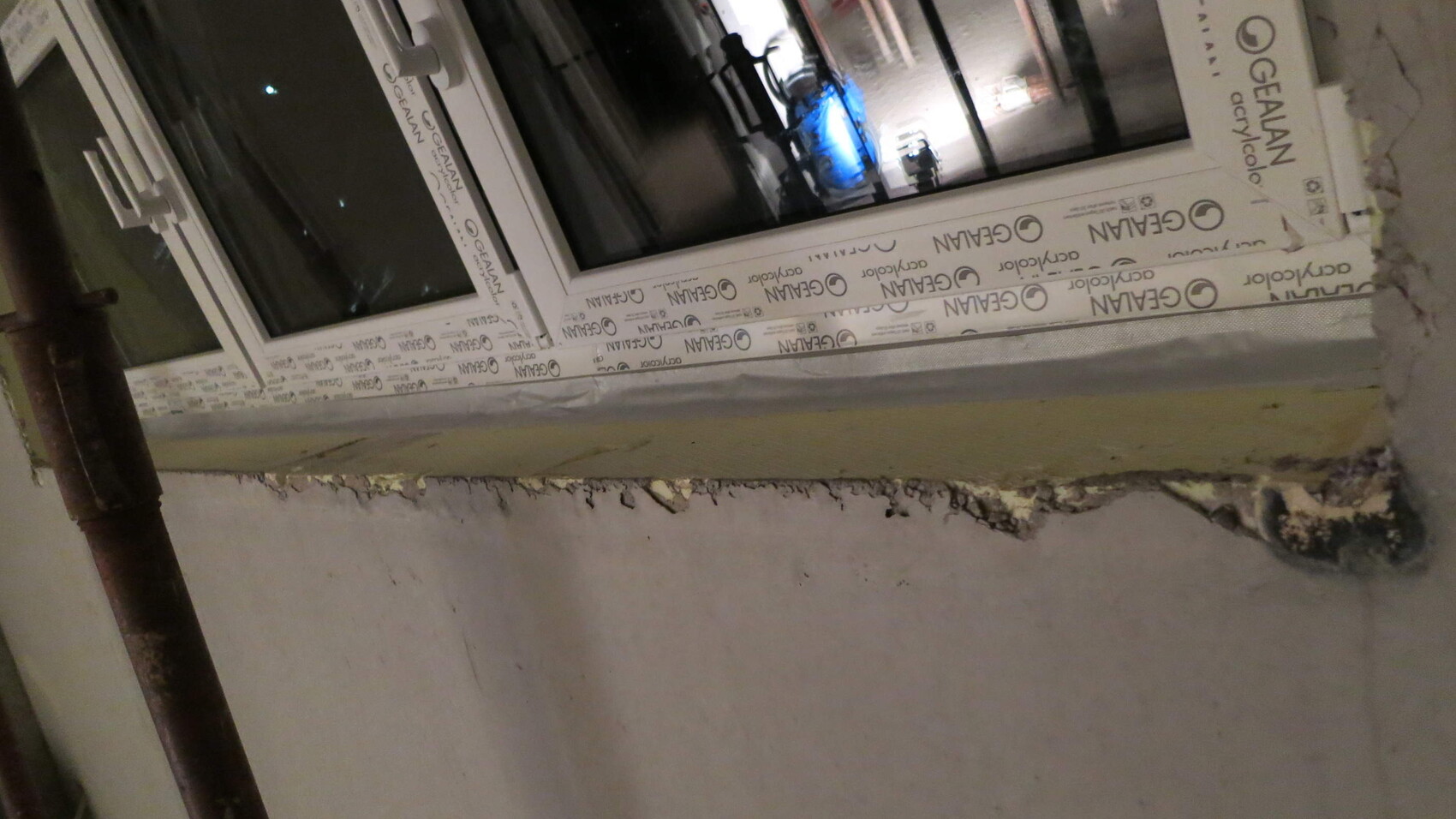
- Inside, the door and window reveals are designed in such a way that plastering the respective interior walls is practically unavoidable.
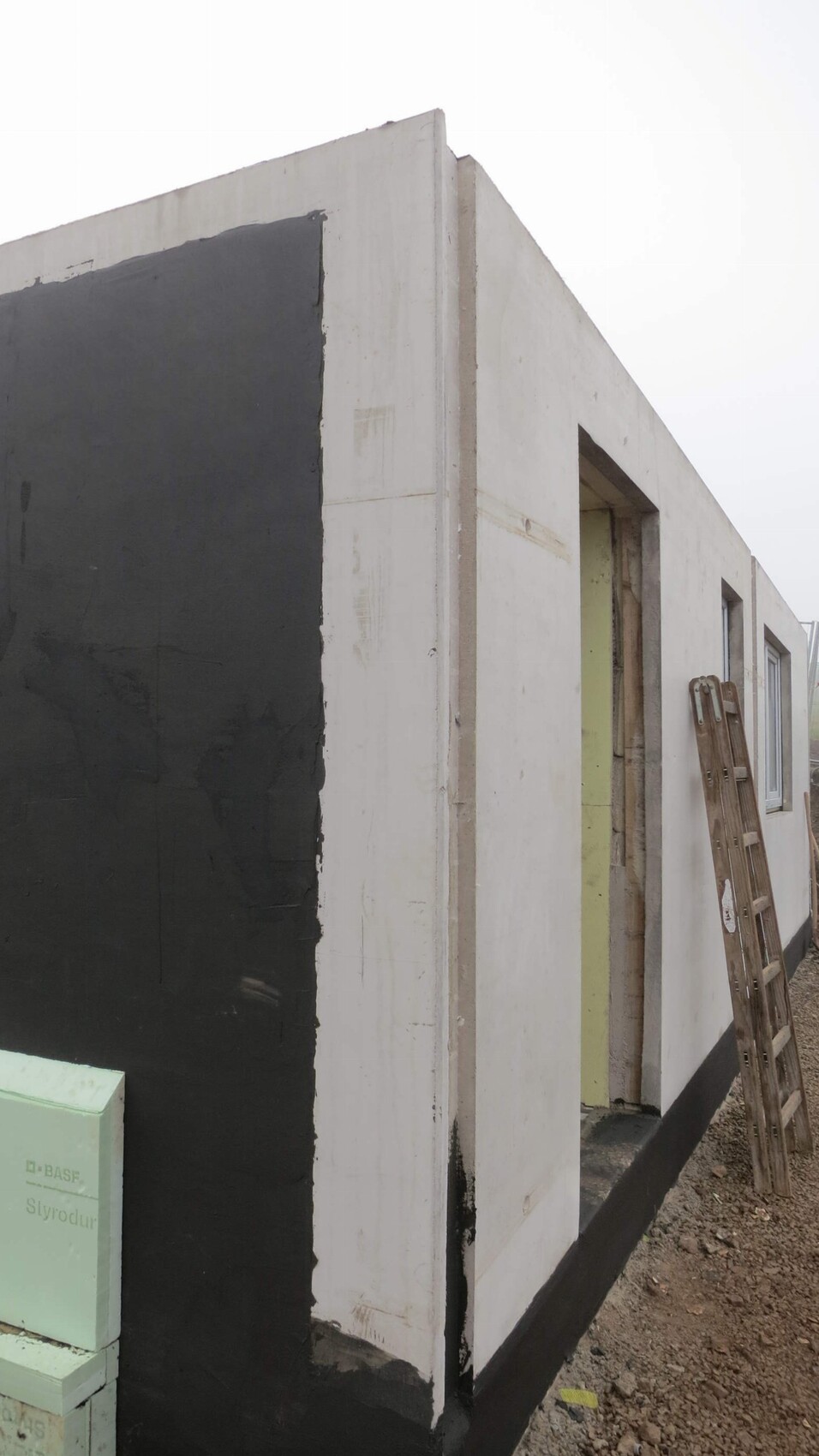
- Outside, the joints were executed in such a way that plastering is also necessary ("putty pockets" instead of butt joints, although otherwise agreed upon)
You can see both in the attached pictures.
To be fair, the company Glatthaar Fertigkeller agreed after discussion to plaster the exterior area. Unfortunately, this means the originally planned concrete look is no longer achievable. According to Glatthaar Fertigkeller, the interior execution is "normal," as shown in the pictures. Interested home builders can form their own opinion based on these images.
It should also be mentioned that despite the contractual agreement of "Q1 joint finishing," I only managed to put enough pressure on Glatthaar Fertigkeller to close the joints after consulting an expert. I have attached a photo as an example (this was before the joints were filled).
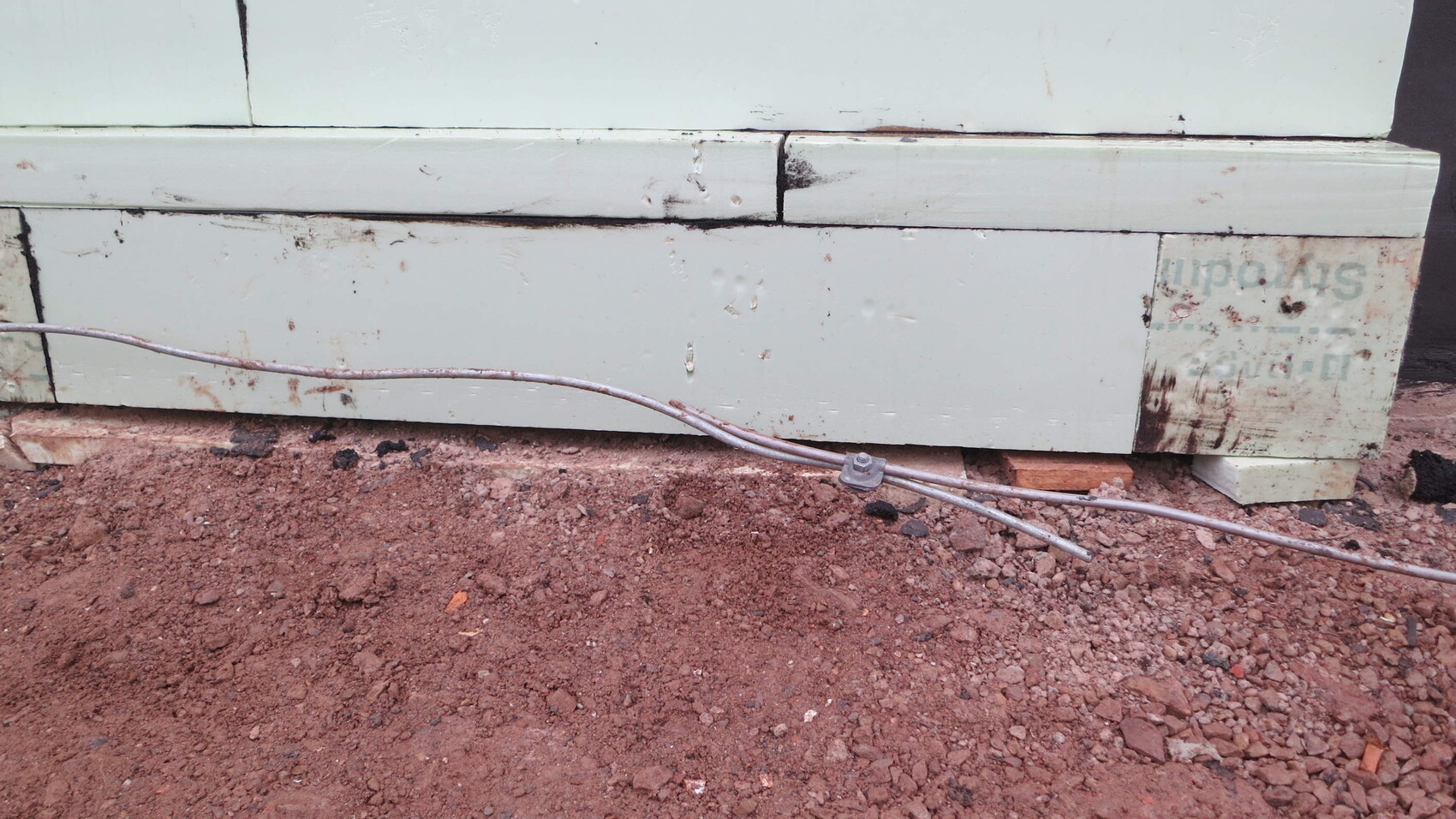
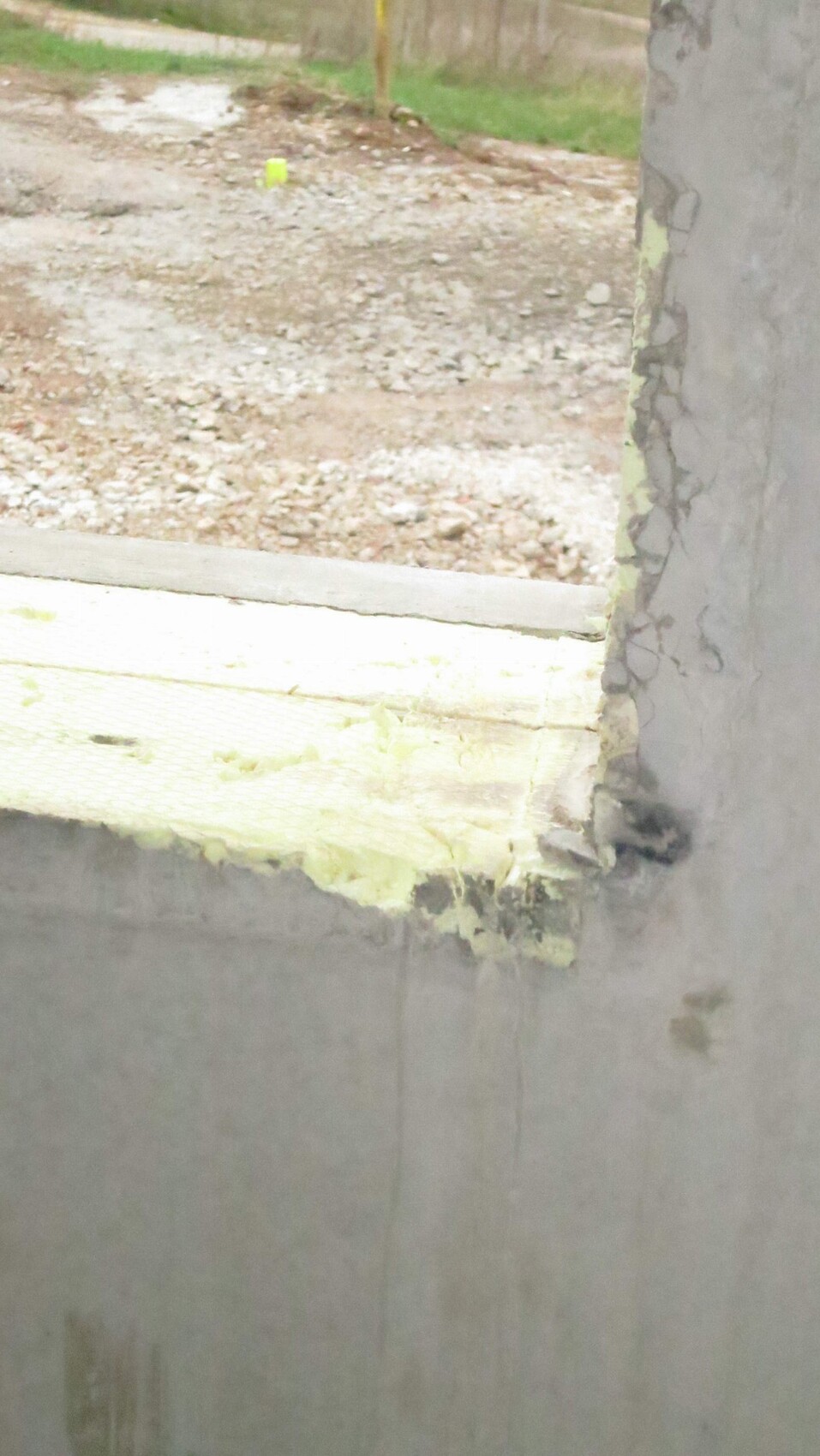
In addition, my experience with Glatthaar Fertigkeller includes that the base insulation was not properly connected to the slab insulation, which according to the expert is a clear technical defect and not compliant with standards (see photo). After an expert inspected my basement and pointed this out to me, Glatthaar Fertigkeller at least agreed to cover the costs of the subsequent sealing financially.
Furthermore, I want to mention that Glatthaar Fertigkeller did not have their own subcontractors install the dimpled membrane but verbally assigned this task to my earthworker without prior consultation
. To be fair, after some discussion, Glatthaar Fertigkeller covered the costs for this.
Based on the above and other experiences not described here, I can personally conclude that I regret choosing Glatthaar Fertigkeller. In my purely subjective assessment, I have never had similar problems and disputes with any other trade, nor have any of them cost me nearly as much stress.
Nonetheless, I wish you all an enjoyable building experience!
steffens
Since I believe that other forum members might also be interested in how a basement from Germany’s leading manufacturer of prefabricated basements looks in our case, I have decided to share the following post.
We recently built a basement with the company Glatthaar Fertigkeller in the "Thermosafe" version (core insulation) with waterproofing against accumulating seepage water. We chose this option because, after the sales discussion, we believed the additional cost was justified due to:
- Retaining the concrete look inside and outside, which would have matched the house with natural wood cladding
- Savings from not having to plaster the interior or exterior walls, only applying a concrete stain paint
Unfortunately, this could not be realized for the following reasons:
- Inside, the door and window reveals are designed in such a way that plastering the respective interior walls is practically unavoidable.
- Outside, the joints were executed in such a way that plastering is also necessary ("putty pockets" instead of butt joints, although otherwise agreed upon)
You can see both in the attached pictures.
To be fair, the company Glatthaar Fertigkeller agreed after discussion to plaster the exterior area. Unfortunately, this means the originally planned concrete look is no longer achievable. According to Glatthaar Fertigkeller, the interior execution is "normal," as shown in the pictures. Interested home builders can form their own opinion based on these images.
It should also be mentioned that despite the contractual agreement of "Q1 joint finishing," I only managed to put enough pressure on Glatthaar Fertigkeller to close the joints after consulting an expert. I have attached a photo as an example (this was before the joints were filled).
In addition, my experience with Glatthaar Fertigkeller includes that the base insulation was not properly connected to the slab insulation, which according to the expert is a clear technical defect and not compliant with standards (see photo). After an expert inspected my basement and pointed this out to me, Glatthaar Fertigkeller at least agreed to cover the costs of the subsequent sealing financially.
Furthermore, I want to mention that Glatthaar Fertigkeller did not have their own subcontractors install the dimpled membrane but verbally assigned this task to my earthworker without prior consultation
. To be fair, after some discussion, Glatthaar Fertigkeller covered the costs for this.
Based on the above and other experiences not described here, I can personally conclude that I regret choosing Glatthaar Fertigkeller. In my purely subjective assessment, I have never had similar problems and disputes with any other trade, nor have any of them cost me nearly as much stress.
Nonetheless, I wish you all an enjoyable building experience!
steffens
 Häuslebau3r10 Mar 2015 14:40
Bauexperte schrieb:
Since it’s not specified; how are you supposed to know? Besides, I can ask myself.
This is due to the production process. A few months ago, I visited a factory in Simmern where it was clearly explained why one side is smooth and the other is rough. Meanwhile, there are continuous strip mills that produce both sides equally smooth; however, this is still quite expensive.
On the other hand, I don’t think this is a big issue for a basement; after all, it’s not the main living area in the house, and even then, there are effective plastering techniques that can make such a wall look really good.
Regards, Bauexperte I can only agree with both points and confirm them. One side rests in the formwork support, while the other side is compacted with vibration, so one side is not completely flat or as smooth and clean as the other. And as you say, it is and remains just a basement.
The pictures from the original poster really shocked me, and what is even more surprising is that this quality seems to be accepted here or even presented as the ultimate standard.
L
ludwig88sta20 Dec 2019 14:00Phew, this definitely leans me towards the "formwork cellar" option when deciding between a "formed concrete cellar" and a precast cellar.
There shouldn’t be much of a price difference between the "brick-by-brick" cellar and the formed concrete variant, right? But with the formed concrete option, you’re more likely to be assured that the cellar is 100% waterproof.
Has anyone here from the forum taken on a Glatthaar precast cellar since 2015?
There shouldn’t be much of a price difference between the "brick-by-brick" cellar and the formed concrete variant, right? But with the formed concrete option, you’re more likely to be assured that the cellar is 100% waterproof.
Has anyone here from the forum taken on a Glatthaar precast cellar since 2015?
H
Häuschen34521 Sep 2023 14:55Hello, after a long time I have a question: Is the Thermosafe still watertight after all these years? Thanks for an answer. Good luck, H.