
Dear forum members,
Since I believe that other forum members might also be interested in how a basement from Germany’s leading manufacturer of prefabricated basements looks in our case, I have decided to share the following post.
We recently built a basement with the company Glatthaar Fertigkeller in the "Thermosafe" version (core insulation) with waterproofing against accumulating seepage water. We chose this option because, after the sales discussion, we believed the additional cost was justified due to:
- Retaining the concrete look inside and outside, which would have matched the house with natural wood cladding
- Savings from not having to plaster the interior or exterior walls, only applying a concrete stain paint
Unfortunately, this could not be realized for the following reasons:
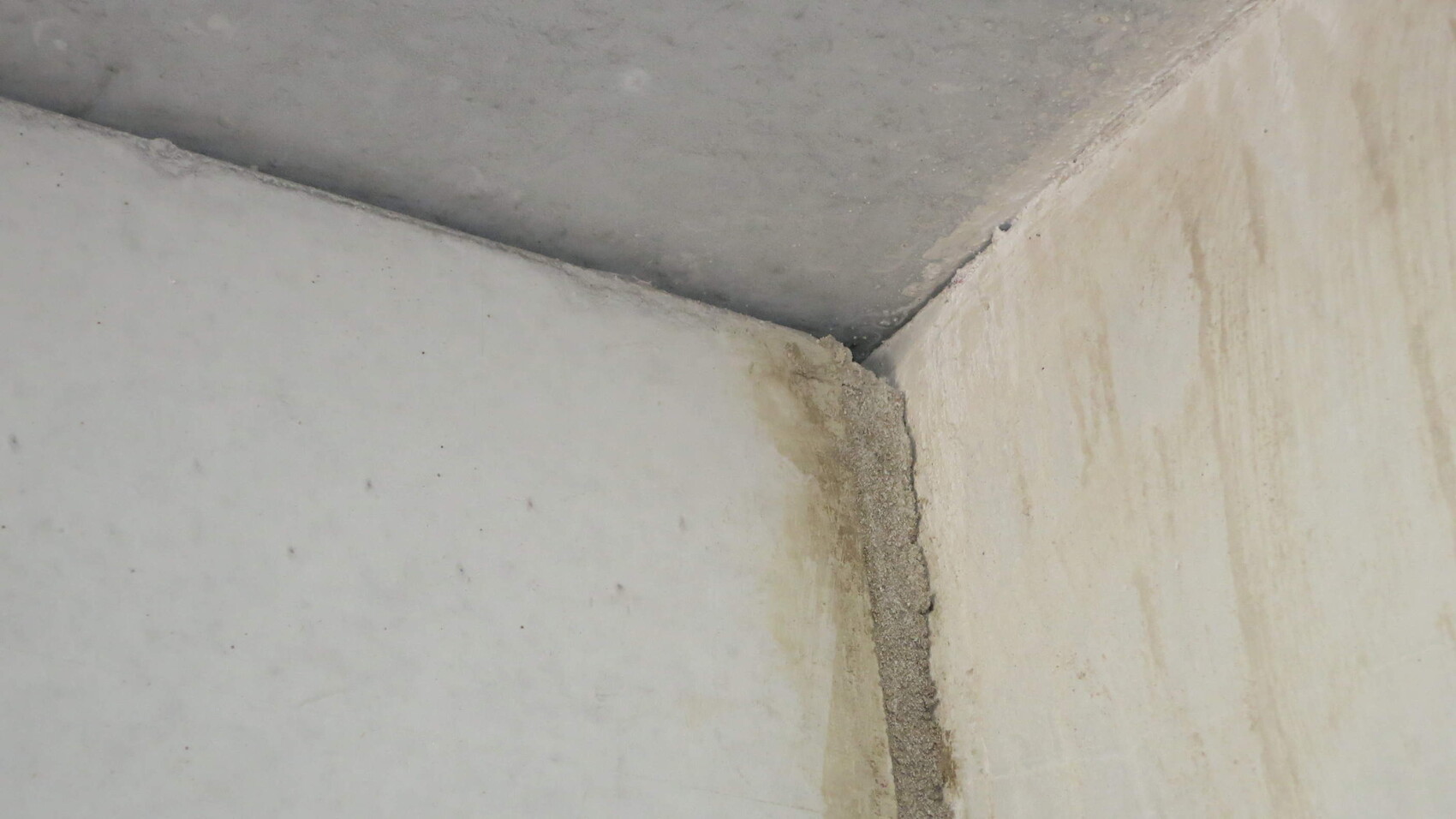
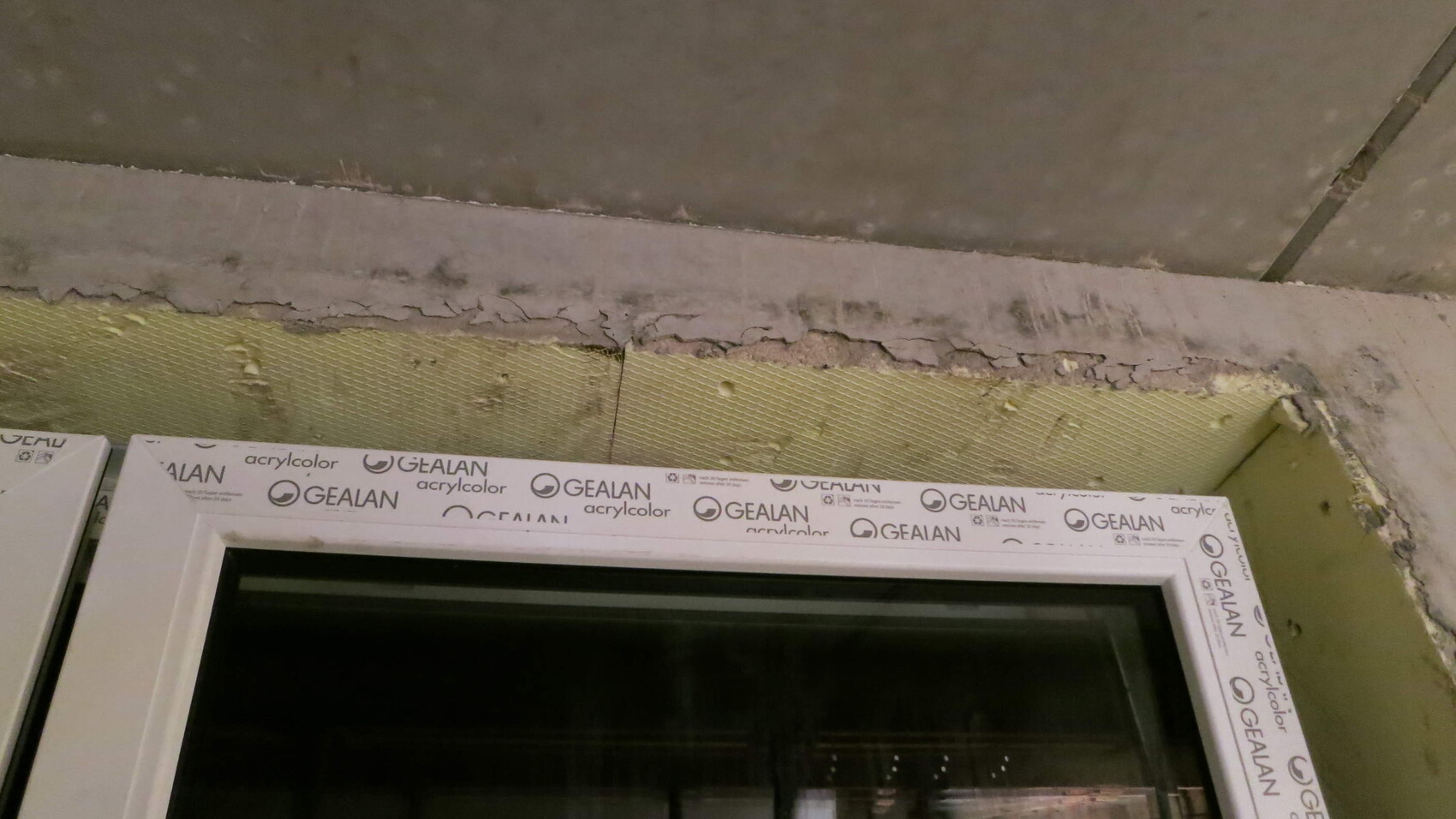
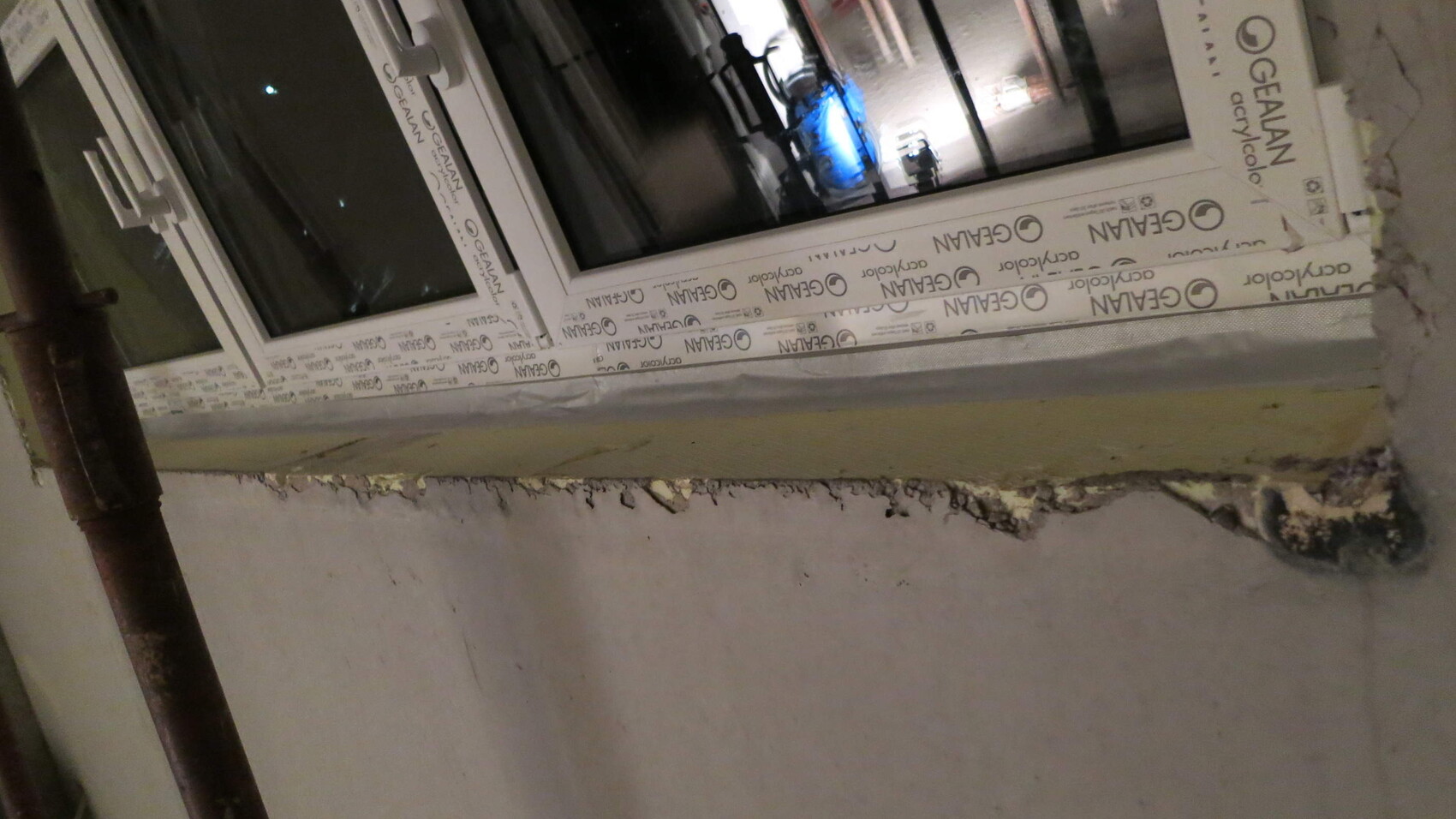
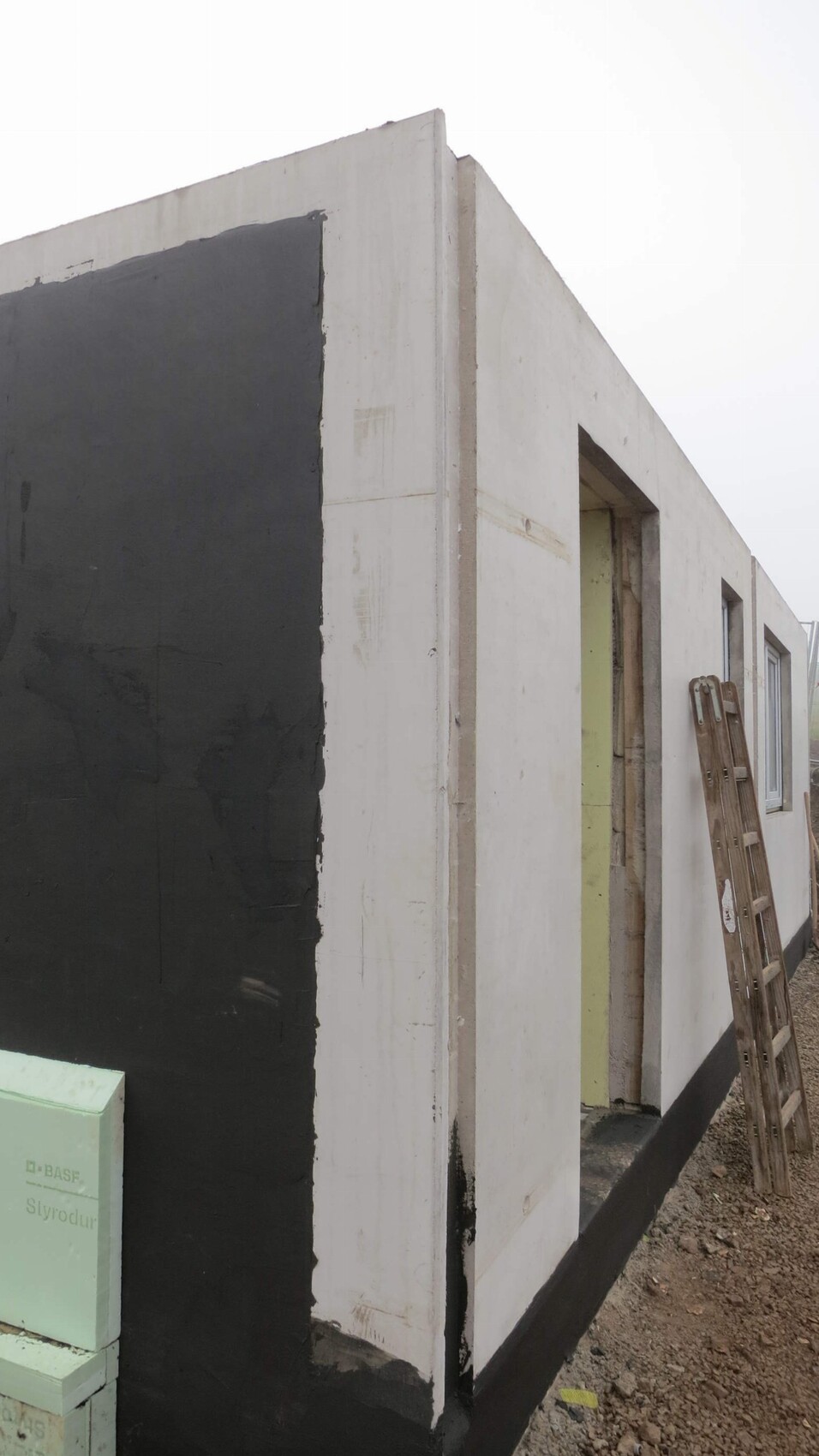
- Inside, the door and window reveals are designed in such a way that plastering the respective interior walls is practically unavoidable.
- Outside, the joints were executed in such a way that plastering is also necessary ("putty pockets" instead of butt joints, although otherwise agreed upon)
You can see both in the attached pictures.
To be fair, the company Glatthaar Fertigkeller agreed after discussion to plaster the exterior area. Unfortunately, this means the originally planned concrete look is no longer achievable. According to Glatthaar Fertigkeller, the interior execution is "normal," as shown in the pictures. Interested home builders can form their own opinion based on these images.
It should also be mentioned that despite the contractual agreement of "Q1 joint finishing," I only managed to put enough pressure on Glatthaar Fertigkeller to close the joints after consulting an expert. I have attached a photo as an example (this was before the joints were filled).
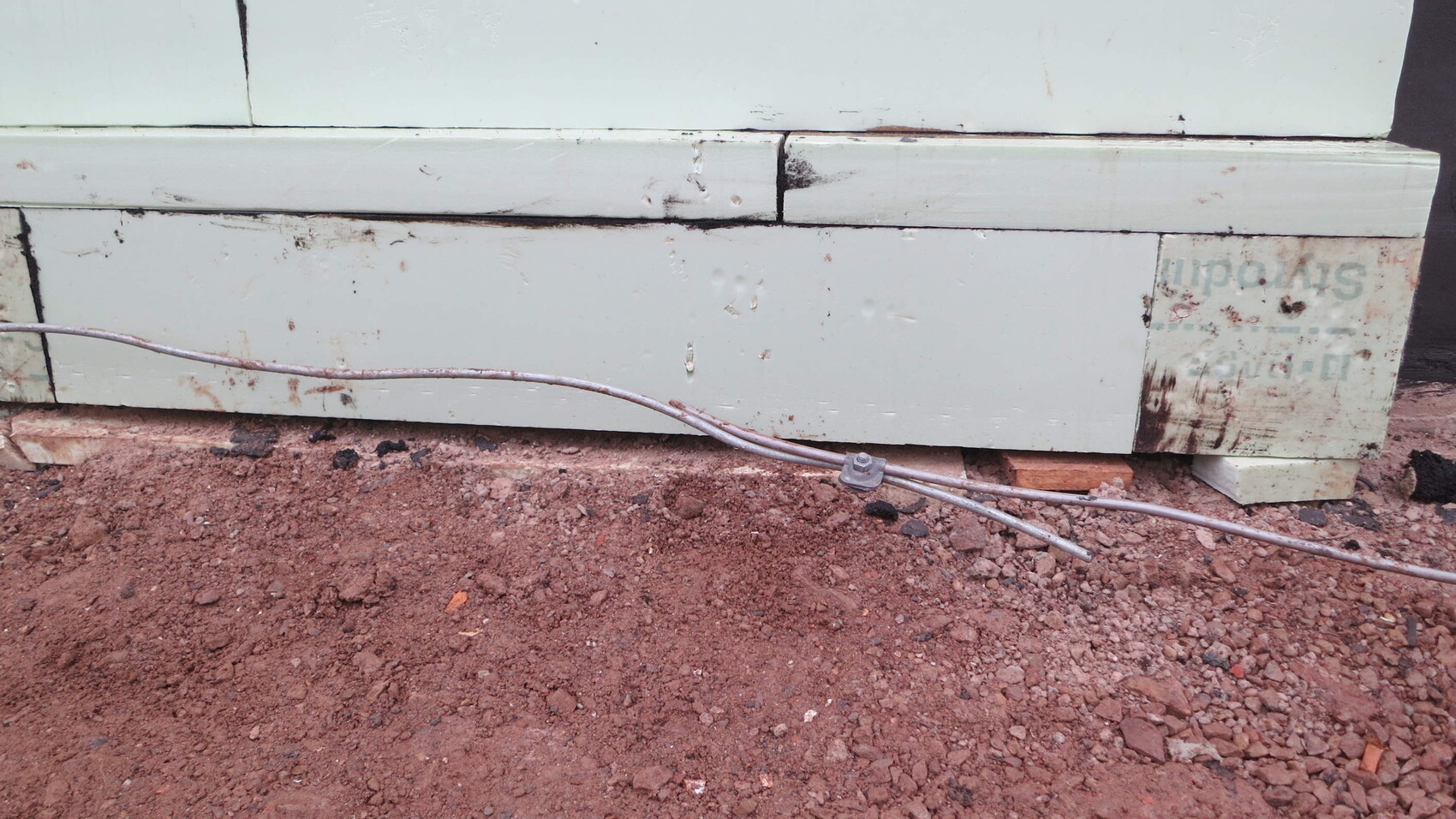
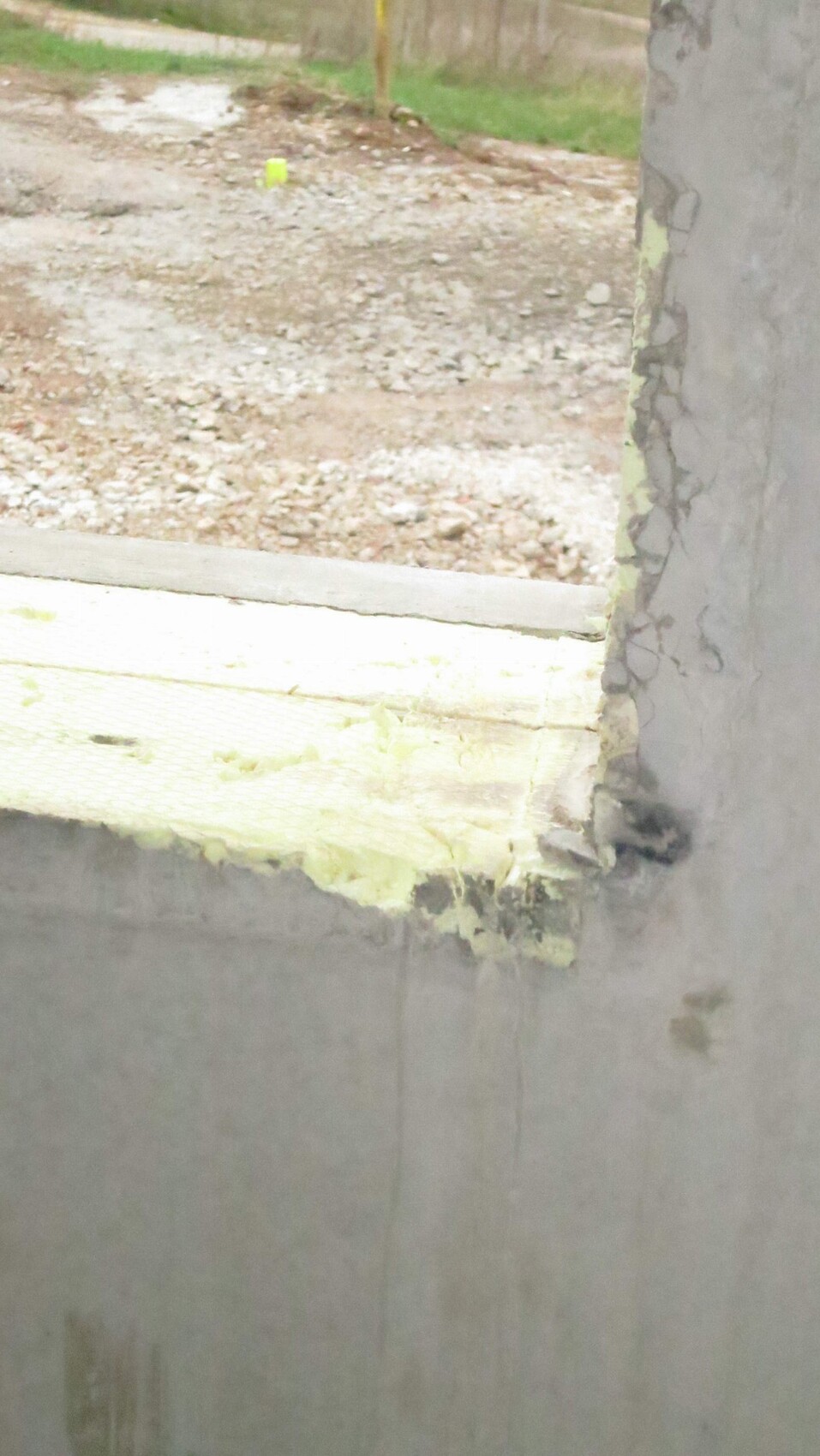
In addition, my experience with Glatthaar Fertigkeller includes that the base insulation was not properly connected to the slab insulation, which according to the expert is a clear technical defect and not compliant with standards (see photo). After an expert inspected my basement and pointed this out to me, Glatthaar Fertigkeller at least agreed to cover the costs of the subsequent sealing financially.
Furthermore, I want to mention that Glatthaar Fertigkeller did not have their own subcontractors install the dimpled membrane but verbally assigned this task to my earthworker without prior consultation
. To be fair, after some discussion, Glatthaar Fertigkeller covered the costs for this.
Based on the above and other experiences not described here, I can personally conclude that I regret choosing Glatthaar Fertigkeller. In my purely subjective assessment, I have never had similar problems and disputes with any other trade, nor have any of them cost me nearly as much stress.
Nonetheless, I wish you all an enjoyable building experience!
steffens
Since I believe that other forum members might also be interested in how a basement from Germany’s leading manufacturer of prefabricated basements looks in our case, I have decided to share the following post.
We recently built a basement with the company Glatthaar Fertigkeller in the "Thermosafe" version (core insulation) with waterproofing against accumulating seepage water. We chose this option because, after the sales discussion, we believed the additional cost was justified due to:
- Retaining the concrete look inside and outside, which would have matched the house with natural wood cladding
- Savings from not having to plaster the interior or exterior walls, only applying a concrete stain paint
Unfortunately, this could not be realized for the following reasons:
- Inside, the door and window reveals are designed in such a way that plastering the respective interior walls is practically unavoidable.
- Outside, the joints were executed in such a way that plastering is also necessary ("putty pockets" instead of butt joints, although otherwise agreed upon)
You can see both in the attached pictures.
To be fair, the company Glatthaar Fertigkeller agreed after discussion to plaster the exterior area. Unfortunately, this means the originally planned concrete look is no longer achievable. According to Glatthaar Fertigkeller, the interior execution is "normal," as shown in the pictures. Interested home builders can form their own opinion based on these images.
It should also be mentioned that despite the contractual agreement of "Q1 joint finishing," I only managed to put enough pressure on Glatthaar Fertigkeller to close the joints after consulting an expert. I have attached a photo as an example (this was before the joints were filled).
In addition, my experience with Glatthaar Fertigkeller includes that the base insulation was not properly connected to the slab insulation, which according to the expert is a clear technical defect and not compliant with standards (see photo). After an expert inspected my basement and pointed this out to me, Glatthaar Fertigkeller at least agreed to cover the costs of the subsequent sealing financially.
Furthermore, I want to mention that Glatthaar Fertigkeller did not have their own subcontractors install the dimpled membrane but verbally assigned this task to my earthworker without prior consultation
. To be fair, after some discussion, Glatthaar Fertigkeller covered the costs for this.
Based on the above and other experiences not described here, I can personally conclude that I regret choosing Glatthaar Fertigkeller. In my purely subjective assessment, I have never had similar problems and disputes with any other trade, nor have any of them cost me nearly as much stress.
Nonetheless, I wish you all an enjoyable building experience!
steffens
C
charlyuspoll9 Mar 2015 09:25Are these prices for the construction as a waterproof concrete shell, also known as WU concrete? I think you need to add around 5000 EUR on top of that, right?
D
Doc.Schnaggls9 Mar 2015 11:35Hello everyone,
sorry for the late reply – we moved on February 21 and the telecom provider still hasn’t managed to get our internet connection up and running...
To be honest, I’m quite surprised at how the walls and window reveals look in your build.
Ours looked like this from the very beginning:

Best regards,
Dirk
sorry for the late reply – we moved on February 21 and the telecom provider still hasn’t managed to get our internet connection up and running...
To be honest, I’m quite surprised at how the walls and window reveals look in your build.
Ours looked like this from the very beginning:
Best regards,
Dirk
B
Bauexperte9 Mar 2015 11:48Hello,
A “white tank” – I am always surprised that this term is still used nowadays, as it originally refers to a “basement within a basement system” – it is not defined solely by the type of concrete used.
WU concrete stands for WaterProof concrete; it is the most commonly used type of concrete for precast basements. To achieve the so-called white tank, a specific type of waterproofing (depending on the soil report) is required, as outlined in the relevant DIN standard. The costs can vary between EUR 5,000 and 10,000 (approx. USD 5,500 to 11,000), depending on the basement size and requirements.
Regards, Bauexperte
charlyuspoll schrieb:
Are these prices for a waterproof concrete basement, also known as a “white tank”?
A “white tank” – I am always surprised that this term is still used nowadays, as it originally refers to a “basement within a basement system” – it is not defined solely by the type of concrete used.
WU concrete stands for WaterProof concrete; it is the most commonly used type of concrete for precast basements. To achieve the so-called white tank, a specific type of waterproofing (depending on the soil report) is required, as outlined in the relevant DIN standard. The costs can vary between EUR 5,000 and 10,000 (approx. USD 5,500 to 11,000), depending on the basement size and requirements.
Regards, Bauexperte
 Häuslebau3r9 Mar 2015 12:47
@Doc.Schnaggls
You can already tell from a distance that the window reveal looks much neater. As mentioned on the other side, maybe there should have been some fuss made during installation, but I understand the schedules and time constraints—it's always easier to talk about it afterwards. Still, it's unfortunate to see again that exceptions prove the rule, and despite many good results, disputes keep happening.
Would it be possible, for example, to inspect the cellar elements at Glatthar's factory, to get an idea of the walls, and so on? That could also be a point to discuss topics in advance. May I ask which system you chose? Double-walled and filled on site with cast-in-place concrete? Are the walls really as sold, "smooth like plastered"? Maybe also the price per square meter? Of course, feel free to send that via PM.
@Bauexperte
You’ve described it perfectly again. I now see that the precast basements, thanks to the double-walled design and the on-site casting, are even more watertight, element to element. But as you said, the term "white tank" can be interpreted differently.
From a soil report, the manufacturer should be able to determine which variant (DIN standard) is required for a basement in the intended area, right?
You can already tell from a distance that the window reveal looks much neater. As mentioned on the other side, maybe there should have been some fuss made during installation, but I understand the schedules and time constraints—it's always easier to talk about it afterwards. Still, it's unfortunate to see again that exceptions prove the rule, and despite many good results, disputes keep happening.
Would it be possible, for example, to inspect the cellar elements at Glatthar's factory, to get an idea of the walls, and so on? That could also be a point to discuss topics in advance. May I ask which system you chose? Double-walled and filled on site with cast-in-place concrete? Are the walls really as sold, "smooth like plastered"? Maybe also the price per square meter? Of course, feel free to send that via PM.
@Bauexperte
You’ve described it perfectly again. I now see that the precast basements, thanks to the double-walled design and the on-site casting, are even more watertight, element to element. But as you said, the term "white tank" can be interpreted differently.
From a soil report, the manufacturer should be able to determine which variant (DIN standard) is required for a basement in the intended area, right?
B
Bauexperte9 Mar 2015 14:55Häuslebau3r schrieb:
we element by element. What does "element by element" mean?Häuslebau3r schrieb:
From a soil report, it should be clear to the manufacturer which variant (DIN standard) for a basement is required in the intended area, right?Of course. After the soil sampling, the expert prepares the analysis and then issues what is called a foundation recommendation; sometimes even several options. Trades that follow would do well to adhere to these recommendations.Regards, Bauexperte
D
Doc.Schnaggls9 Mar 2015 15:47Häuslebau3r schrieb:
Would it be possible, for example, to inspect the basement elements at Glatthar’s factory to get an idea of the walls, etc.? That would also be a good opportunity to discuss any topics in advance. May I ask which system you chose? Double-shell and poured on-site with cast-in-place concrete? Are the walls really as sold, "smooth like plastered"? Possibly also the price per square meter? Happy to receive details via PM, of course.Hello,
I’m not sure if it’s possible to inspect the walls at the factory. However, based on our experience with the company, I can’t imagine that such a visit wouldn’t be allowed.
Our basement consists of double-shell wall elements, which were then poured on-site.
One side of the wall was perfectly smooth (apart from the joints), so we could apply wallpaper directly; the backside, however, needed sanding – but we were informed about this beforehand.
I can’t give you an exact price. We ordered the basement as a Weberit basement directly from the house manufacturer, so the basement price of about EUR 50,000 (approximately USD 50,000) was included in the overall house price.
As a special feature, we have waterproofing against rising seepage water and external insulation. Within the approximately EUR 50,000 there is also underfloor heating installed in the hallway and guest room (about 24 m² (260 sq ft)), as well as floor coverings in the hallway and wall coverings in the hallway and stairwell, plus four doors.
Best regards,
Dirk
Similar topics