
B
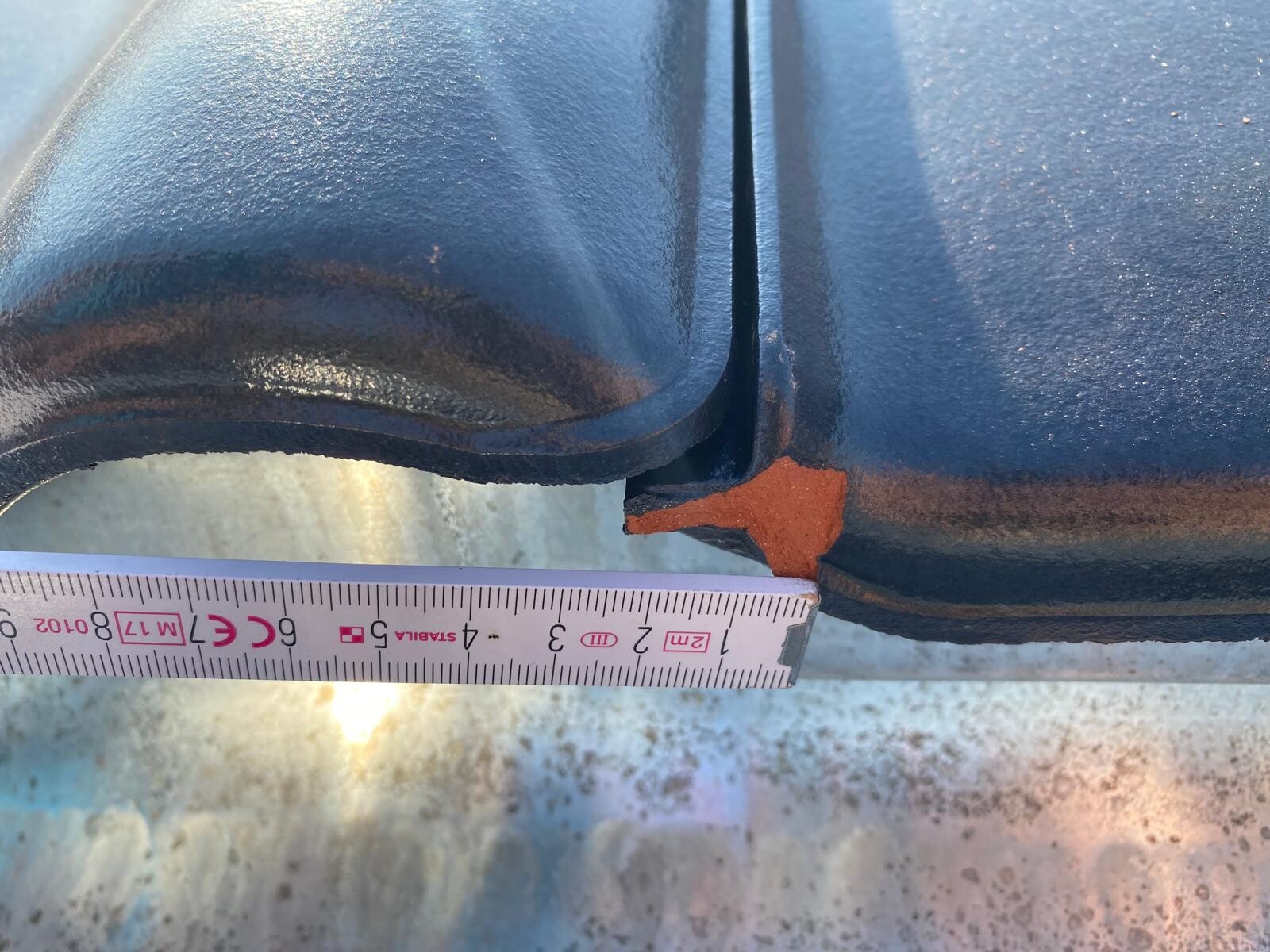
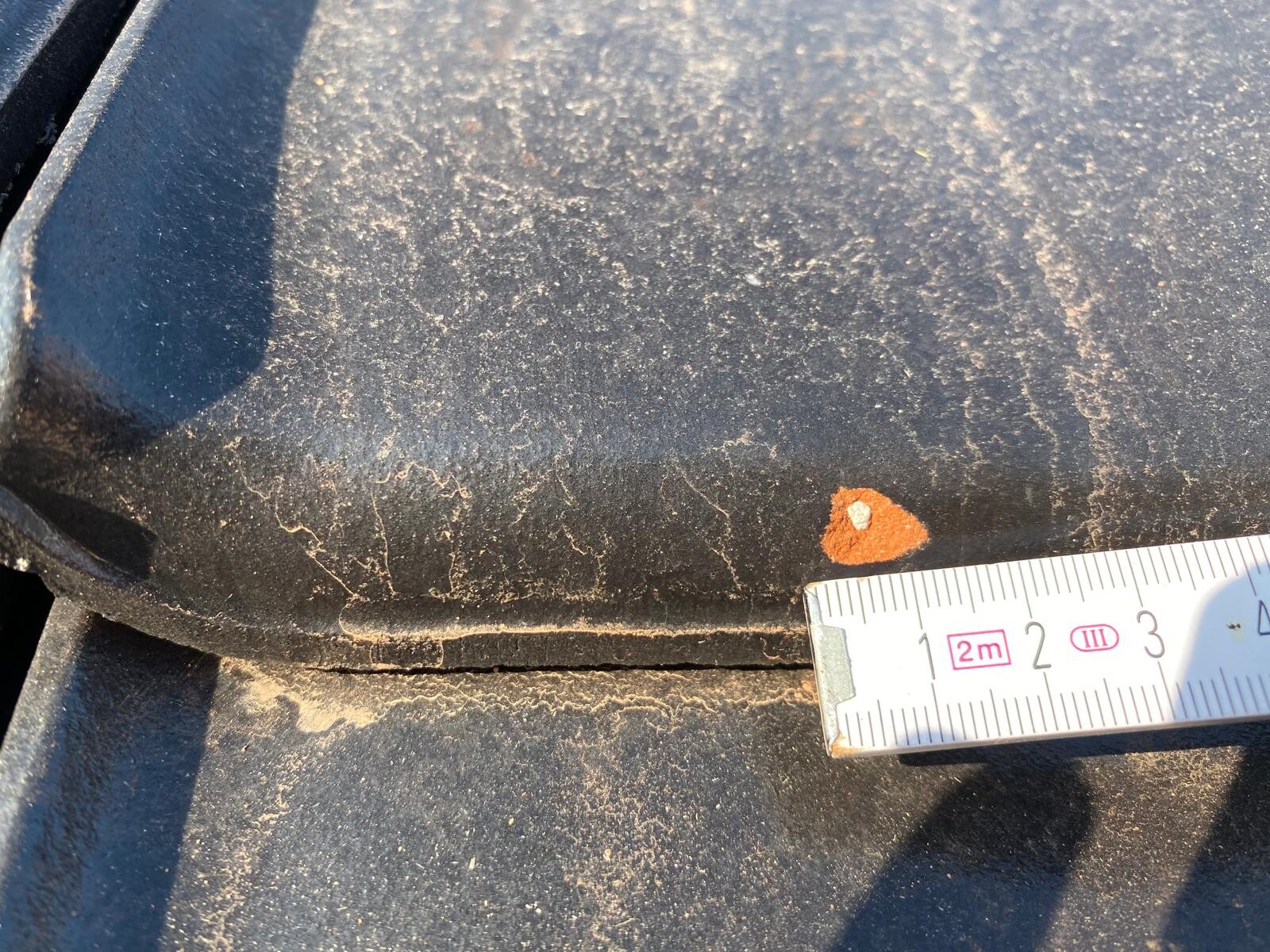
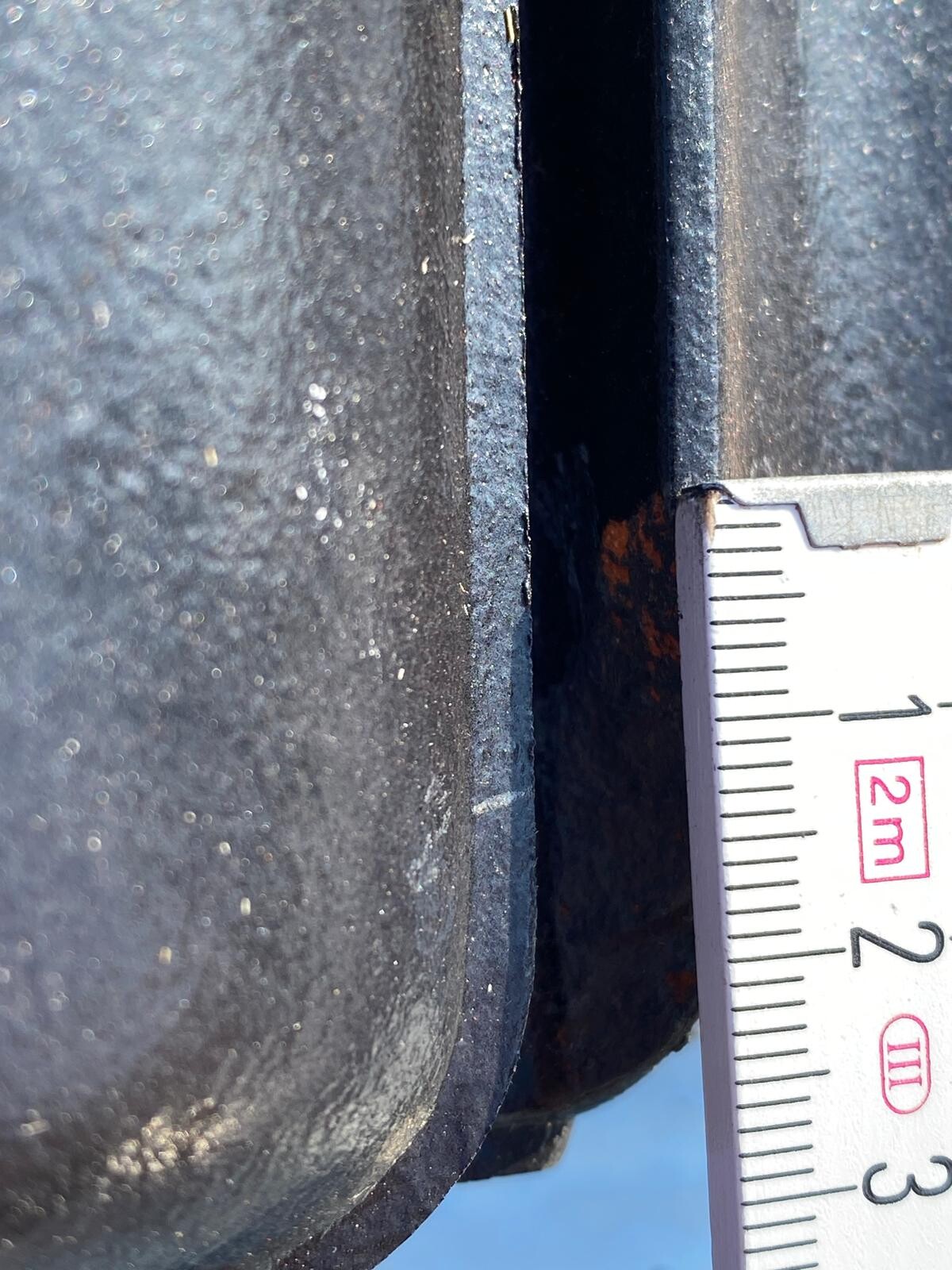
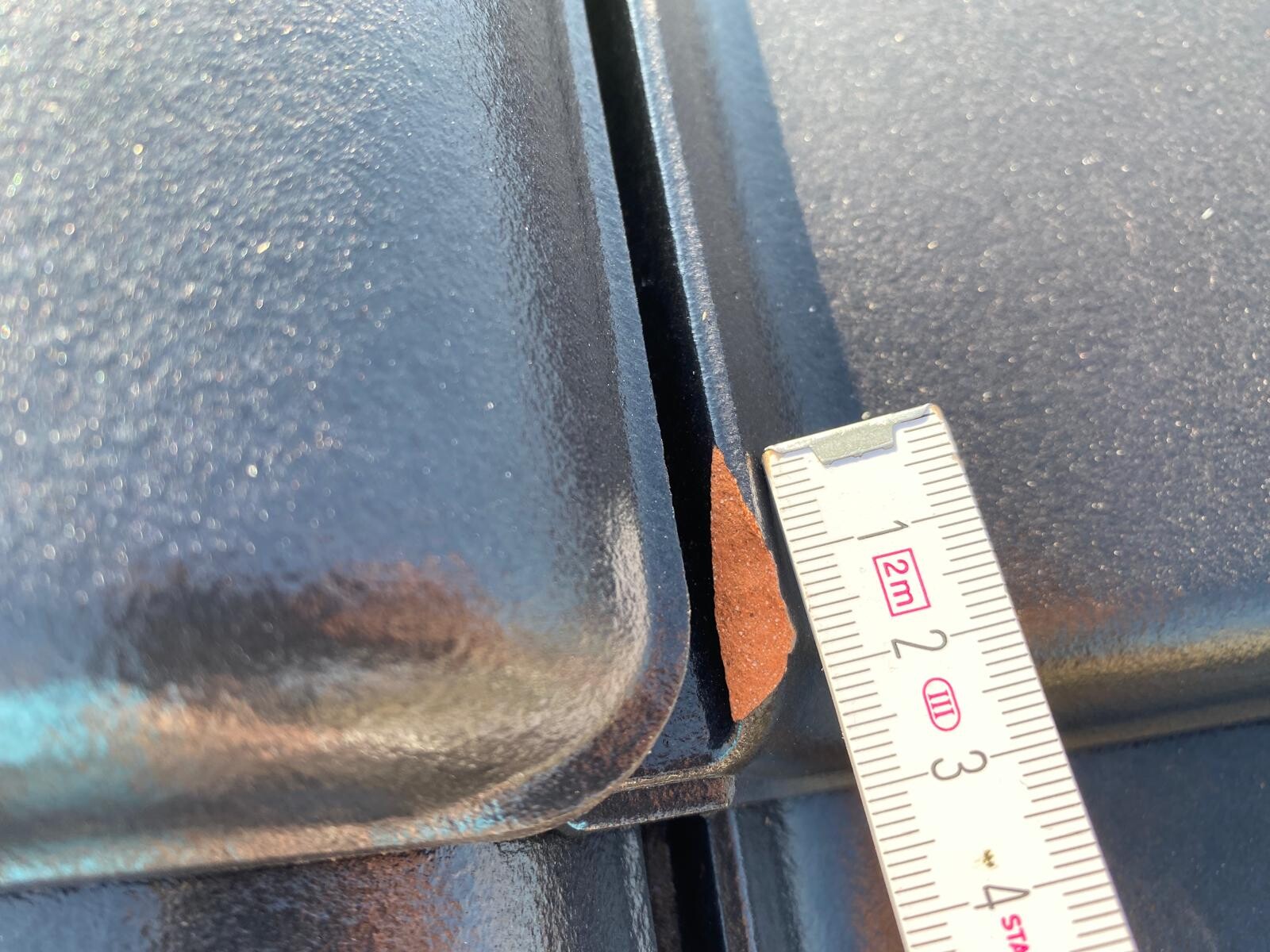
Bau_Schmitty13 Aug 2025 21:41Hello everyone, our roof has been covered. When we inspected the roof, we noticed quite a few tiles with minor to more significant damage (chips) (see attached examples). Our builder told us that roof tiles are classified as coarse ceramics, and chips up to the size of a 2 Euro coin are acceptable. The roofers now want to paint over these spots to make the damage less visible. Is this common practice, and do you know where I can find this regulation in writing?
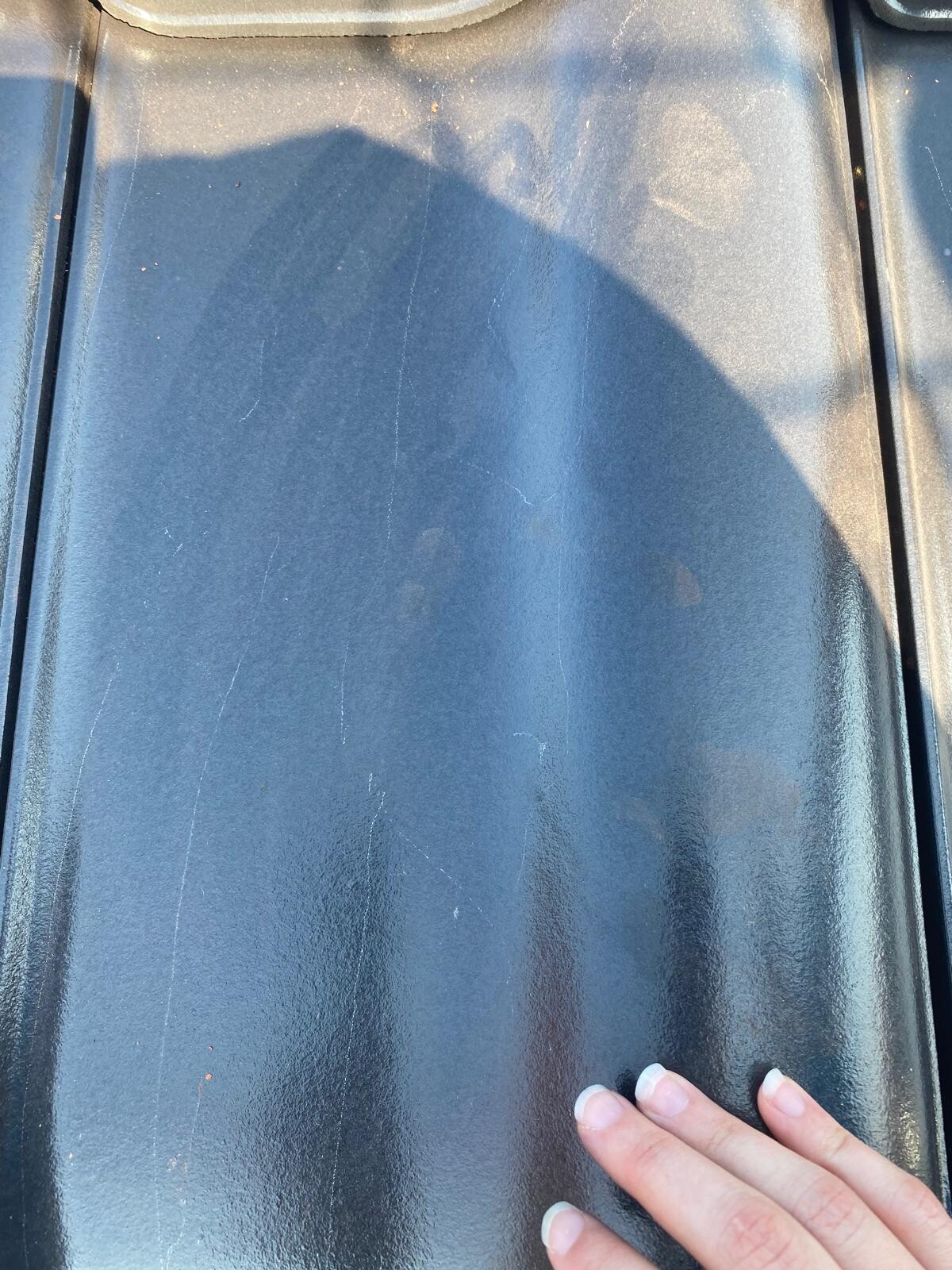
A
Allthewayup13 Aug 2025 22:30Are there so many bricks with large chips that repositioning them might not meet your expectations? I’ve done this myself on our roof. They rarely take care when handling them, which is frustrating. I quickly read somewhere about 7mm (0.3 inches) being a reference for chips, but I think that’s too general to be really applicable. Painting over them (with what?) probably won’t last very long either.
The question is, do you see these spots from the ground, or is your main concern the durability or the temporarily impaired coating properties?
Sure, moss tends to grow faster in those areas, but not significantly.
*Edit:
These “scratch marks from sliding” have to be accepted—they fade quickly.
The question is, do you see these spots from the ground, or is your main concern the durability or the temporarily impaired coating properties?
Sure, moss tends to grow faster in those areas, but not significantly.
*Edit:
These “scratch marks from sliding” have to be accepted—they fade quickly.
B
Bau_Schmitty13 Aug 2025 22:50Unfortunately, there are quite a lot of bricks affected (in some rows none are affected, in others almost every one), and it is visible even from the ground. However, our main concern is the durability. I am somewhat worried that the spalling may increase over the years, for example due to moisture and cold in winter, and that we will have to carry out repairs after every winter.
Similar topics