
ᐅ Condensation Moisture / Dew Water in a House Ready for Interior Finishing
Created on: 14 Feb 2021 08:51
D
DPelin1
Dear community,
Since I only have limited knowledge about this subject, I am reaching out to you. We have purchased a house finished up to the stage ready for interior work (basement, ground floor, upper floor, attic). During the last inspection to get a quote for a turnkey package, we noticed a damp wall in the attic corner (drywall, shaft). Additionally, there was dampness under a windowsill on the ground floor.
We immediately contacted the builder, who arrived within 2 hours and assured us that this issue was already known. A roofer ruled out any roof damage. The builder said it is condensation. According to him, all walls and related areas will be checked and replaced if necessary.
Naturally, we are now concerned about the house and would like to ask for your opinion.
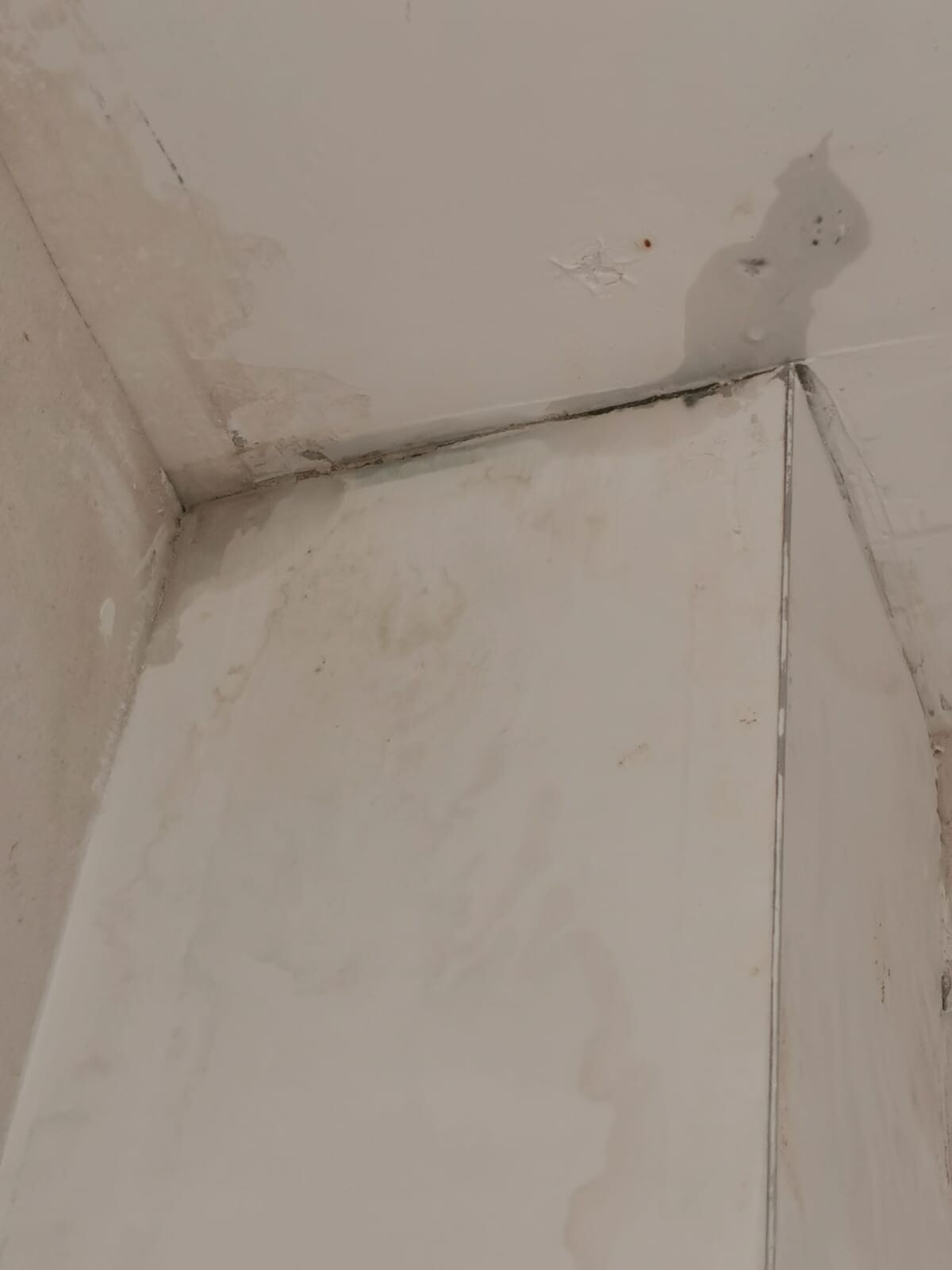
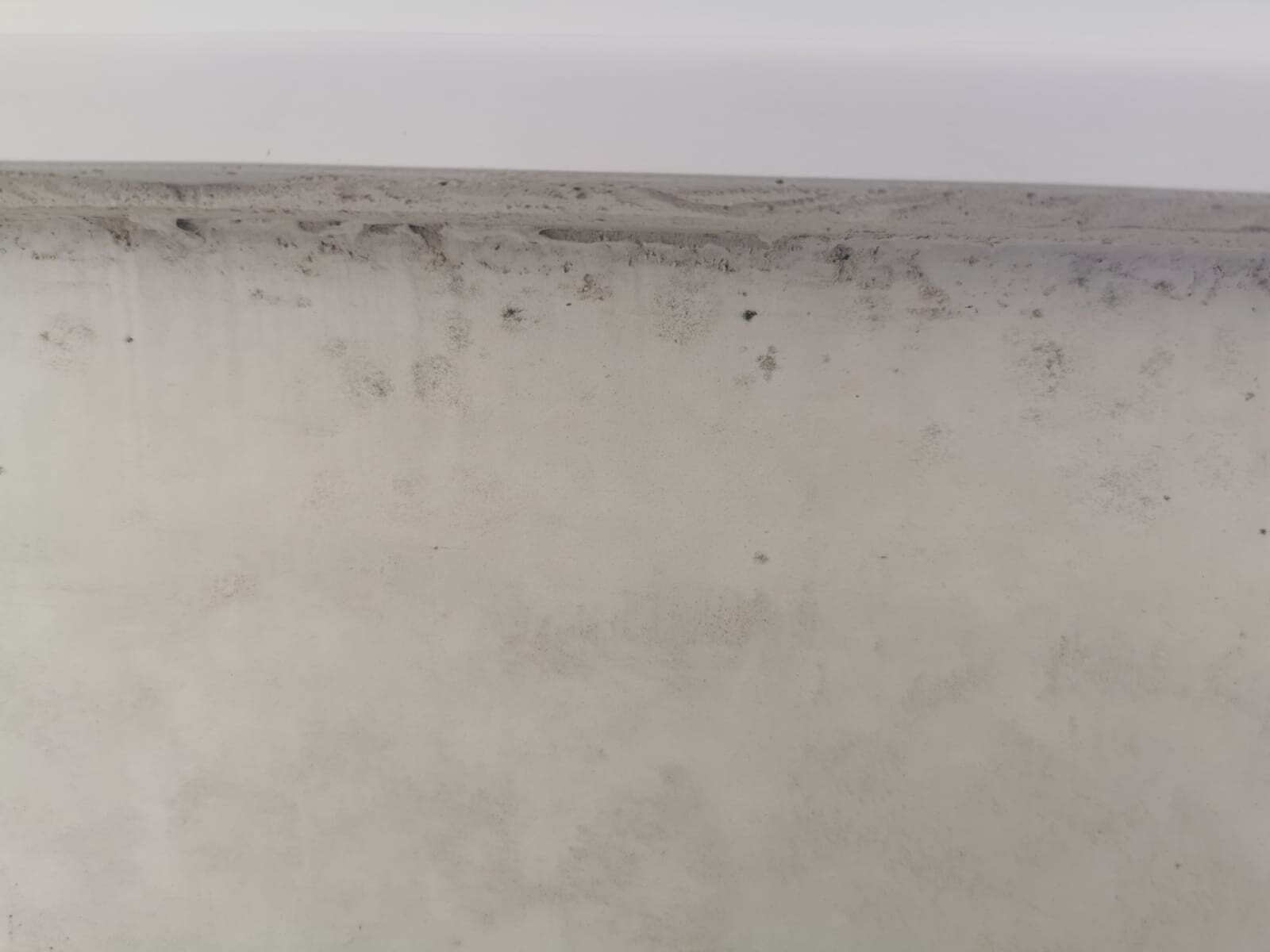
Since I only have limited knowledge about this subject, I am reaching out to you. We have purchased a house finished up to the stage ready for interior work (basement, ground floor, upper floor, attic). During the last inspection to get a quote for a turnkey package, we noticed a damp wall in the attic corner (drywall, shaft). Additionally, there was dampness under a windowsill on the ground floor.
We immediately contacted the builder, who arrived within 2 hours and assured us that this issue was already known. A roofer ruled out any roof damage. The builder said it is condensation. According to him, all walls and related areas will be checked and replaced if necessary.
Naturally, we are now concerned about the house and would like to ask for your opinion.
Hello,
as mentioned before, an exact assessment is difficult, but I can identify three things:
1) Condensation is rarely found at the wall-ceiling junction that penetrates into the room interior. Condensation caused by drying plaster and residual moisture, for example from the screed, usually settles evenly on the wall surface. This pattern is rather unusual.
2) The wall shows yellow discoloration with unclear streaks. This is a fairly clear sign of water ingress that has already dried out again and that comes from inside the building component. Condensation usually does not cause this type of discoloration. At least, I have only seen this damage pattern with typical water damage.
3) The ceiling appears to be painted or skim-coated, and the paint is already peeling off again. If this is condensation, the coating was applied too early.
Also: If the construction manager arrives on site within 2 hours suspecting condensation and says the problem is already known, I would be somewhat skeptical.
And another point: If the condensation is due to a thermal bridge, it should not be this severe even in an unheated building.
Best regards,
Jann
as mentioned before, an exact assessment is difficult, but I can identify three things:
1) Condensation is rarely found at the wall-ceiling junction that penetrates into the room interior. Condensation caused by drying plaster and residual moisture, for example from the screed, usually settles evenly on the wall surface. This pattern is rather unusual.
2) The wall shows yellow discoloration with unclear streaks. This is a fairly clear sign of water ingress that has already dried out again and that comes from inside the building component. Condensation usually does not cause this type of discoloration. At least, I have only seen this damage pattern with typical water damage.
3) The ceiling appears to be painted or skim-coated, and the paint is already peeling off again. If this is condensation, the coating was applied too early.
Also: If the construction manager arrives on site within 2 hours suspecting condensation and says the problem is already known, I would be somewhat skeptical.
And another point: If the condensation is due to a thermal bridge, it should not be this severe even in an unheated building.
Best regards,
Jann