
ᐅ Which garden and outdoor landscaping tasks can be completed before moving in?
Created on: 23 Apr 2022 11:56
P
Pinkiponk
Due to the nice weather and currently having a lot of free time, I would like to start with the first garden work. From your perspective, what makes sense to do before moving in, and what information do you need from me? Should some decisions already be made before moving in?
I have been experimenting with various free garden planning programs for about a year but have not found a satisfactory one. Do you know of any paid or free programs that you like?
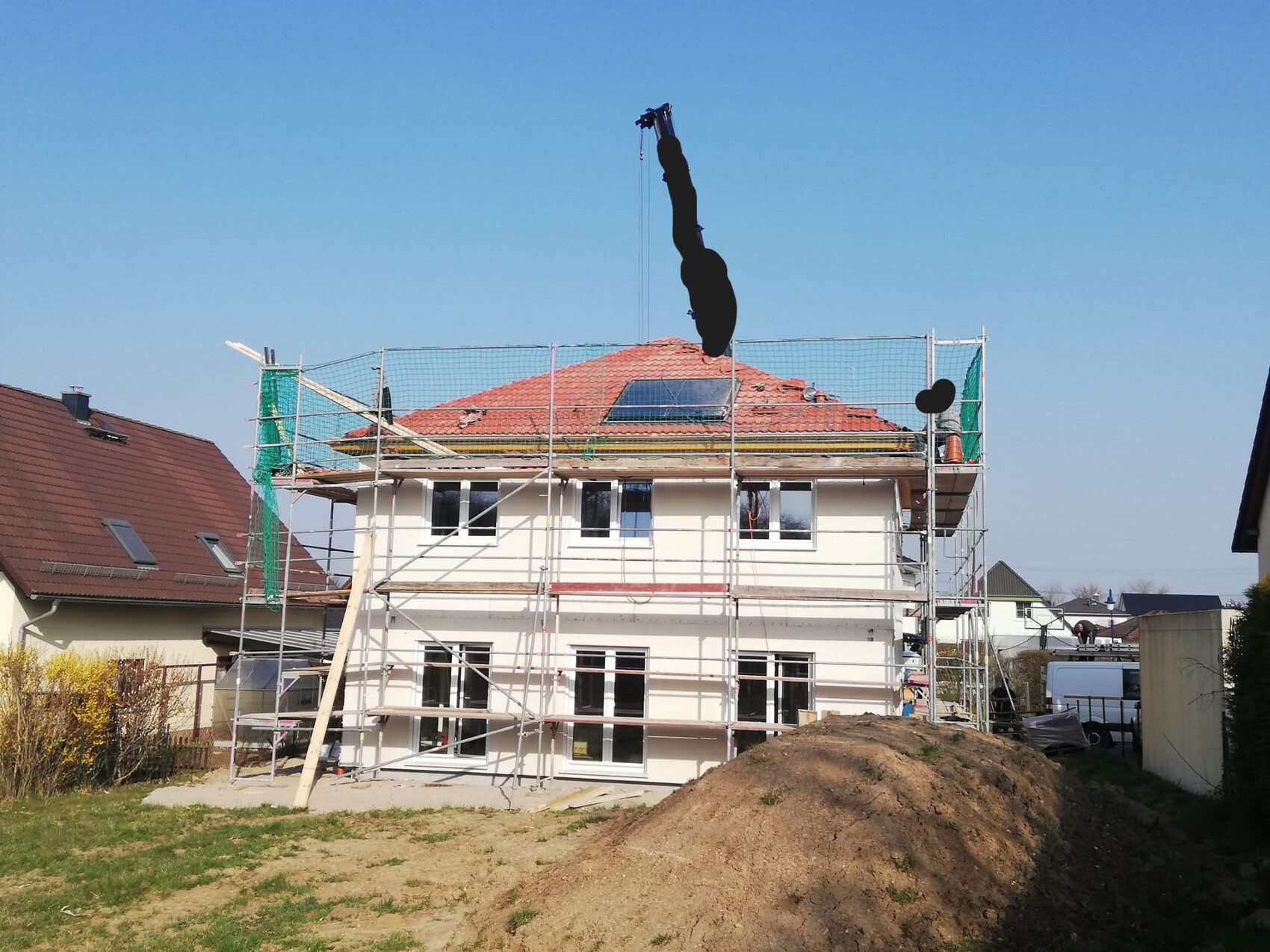
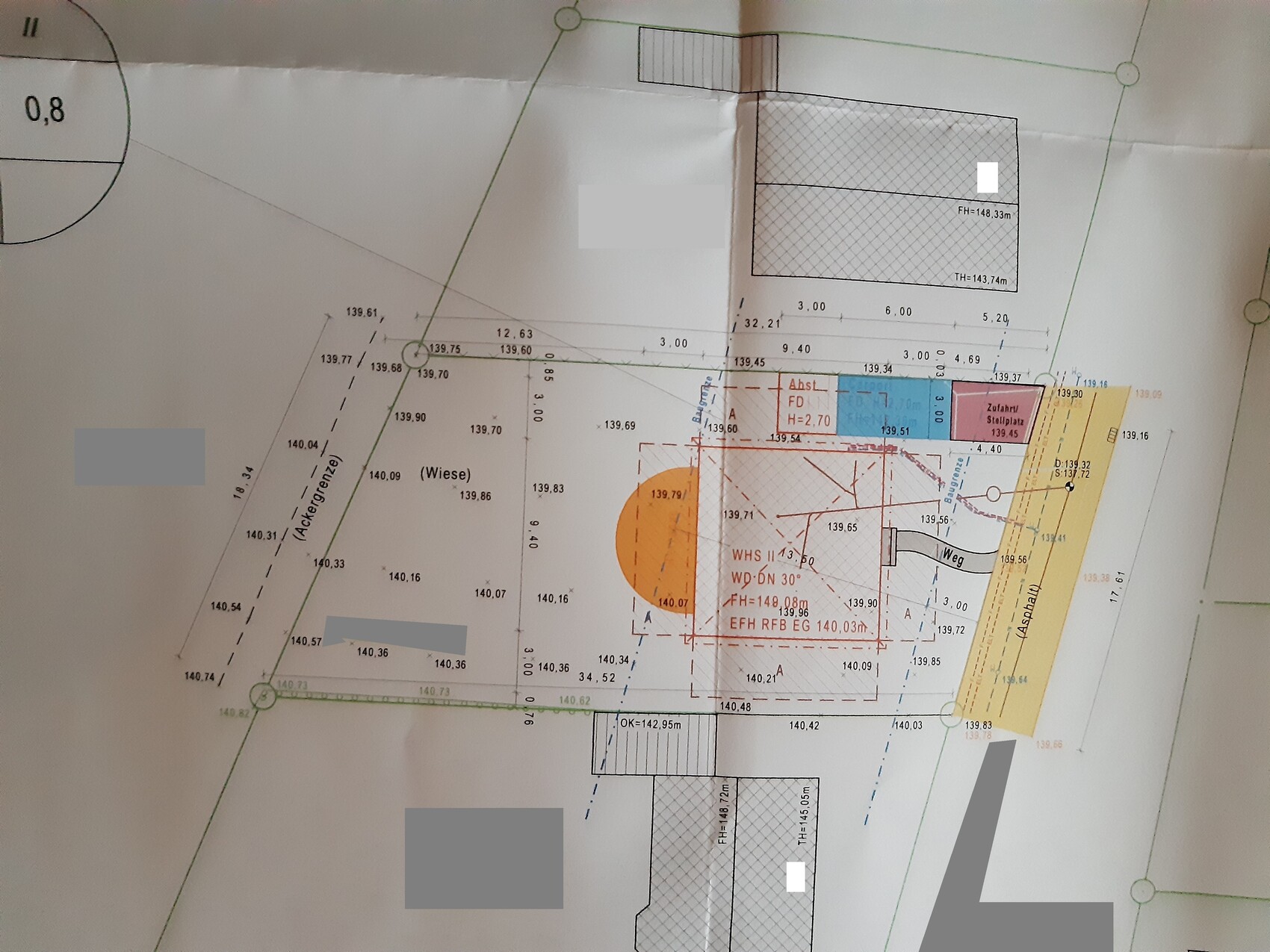
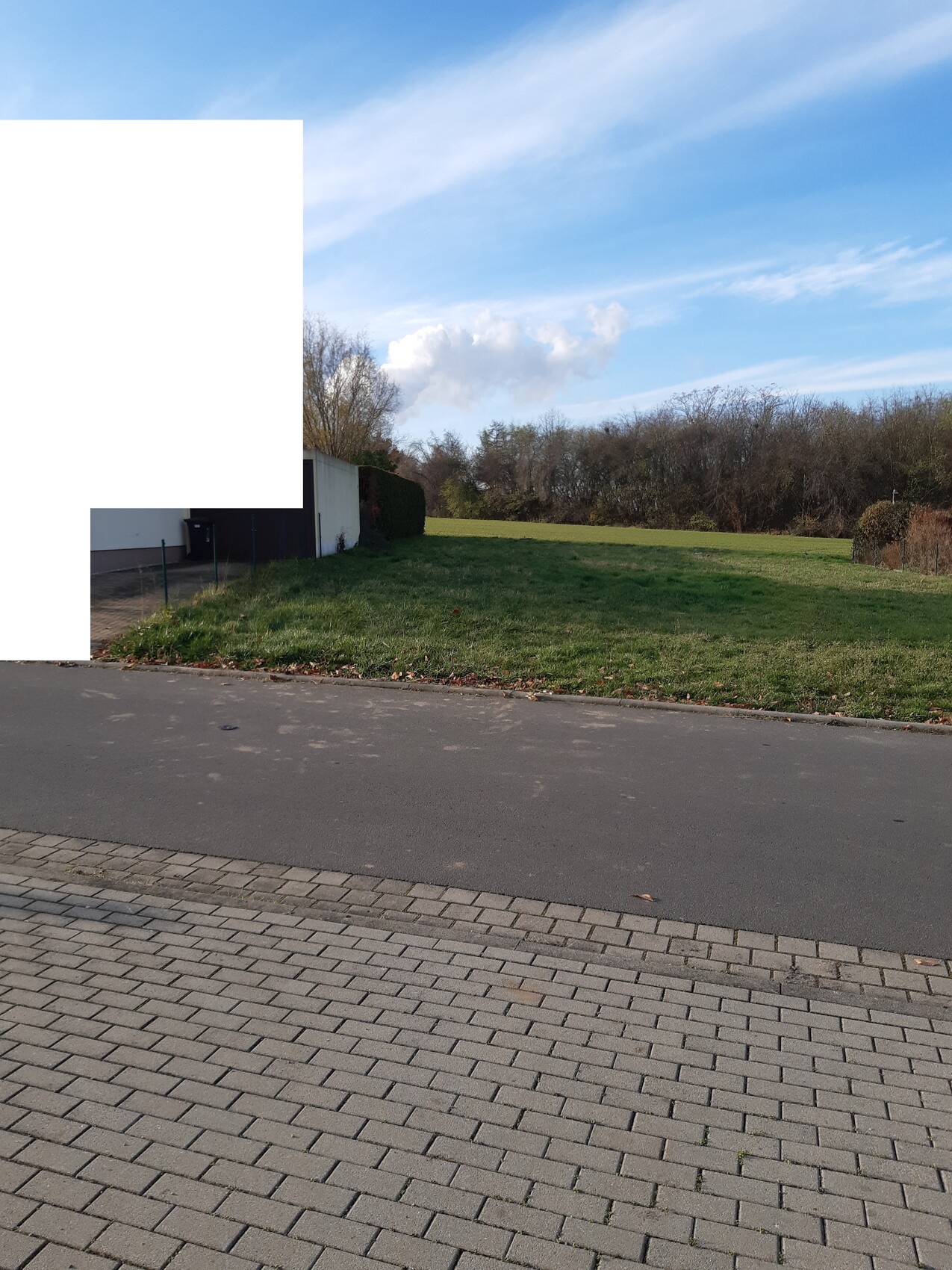
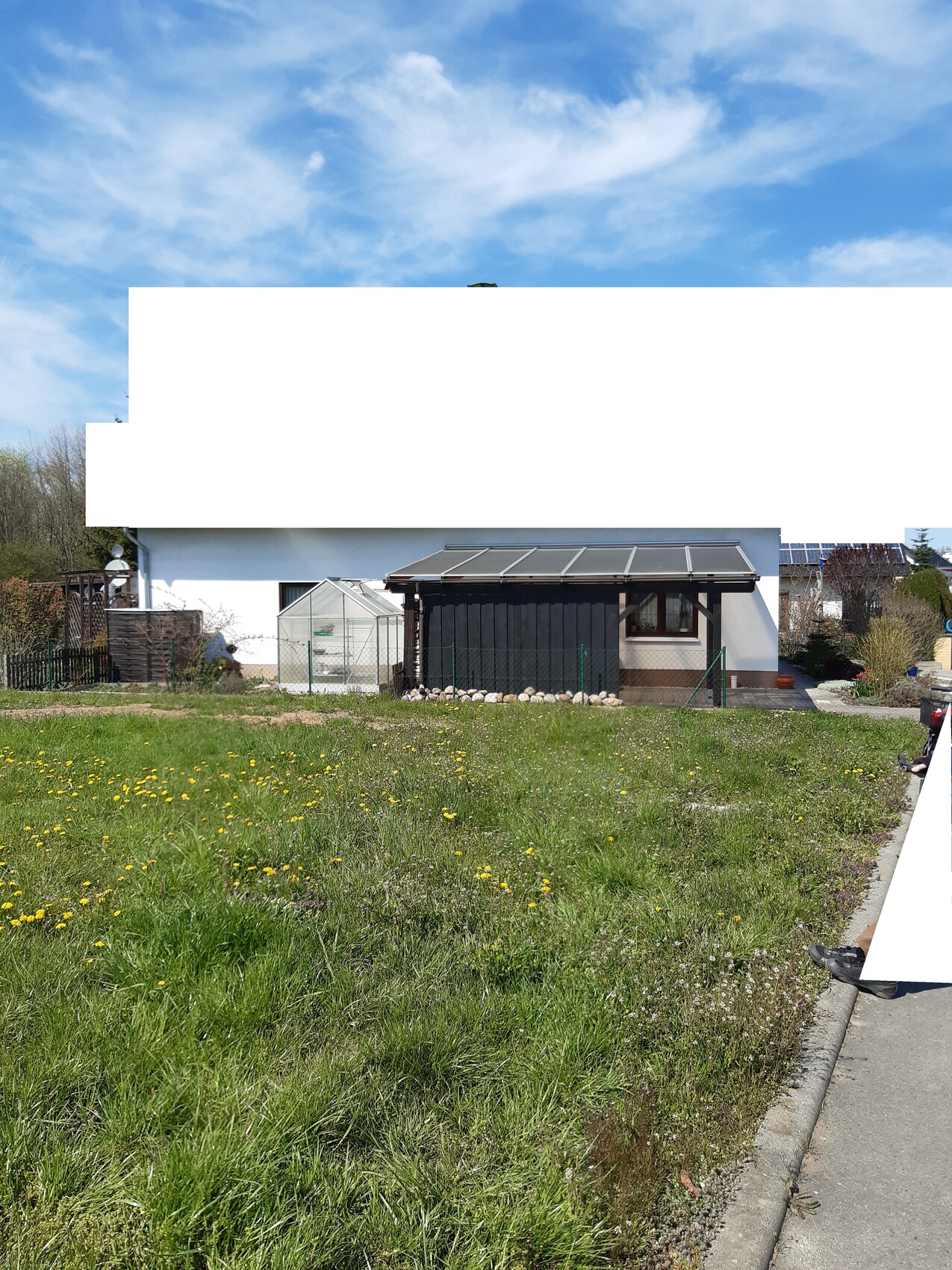
I have attached the site plan, photos of the neighboring plots on the left and right, and a photo showing a very large pile of soil, which I am not sure what to do with.
I have mentally given up on the larger, semicircular terrace behind the house. I would now prefer to create a charming, winding path that extends 3–5 m (10–16 ft) back/left/right, leading to a circular seating area or pavilion with possibly a fountain or something similar. From this pavilion, it should be possible to continue further back toward the field and create a small pavilion there as well. Between these areas, I want to plant various heights of plants so that both pavilions are not visible at the same time.
I would like to replace the storage room, if I can convince my husband, with a pentagonal garden shed that we will paint green ourselves, placed elsewhere on the property. The parking space would be reduced to one spot (later possibly a carport or a weatherproof pavilion used as a carport). Two parking spaces are required, but if we create a lawn area without plantings behind the parking spot, possibly with a few grass pavers, this should be acceptable as a temporary solution since we only have one car.
(On the neighbor's side with the Thuja hedge, as I have already explained in another thread, I would like to simply extend the Thuja hedge toward the street and hide the trash bins in a spiral at the street. I have checked, and the space is sufficient.)
One question I have is whether we should level the property or plant on the slope, except for the large pile of soil.
I have been experimenting with various free garden planning programs for about a year but have not found a satisfactory one. Do you know of any paid or free programs that you like?
I have attached the site plan, photos of the neighboring plots on the left and right, and a photo showing a very large pile of soil, which I am not sure what to do with.
I have mentally given up on the larger, semicircular terrace behind the house. I would now prefer to create a charming, winding path that extends 3–5 m (10–16 ft) back/left/right, leading to a circular seating area or pavilion with possibly a fountain or something similar. From this pavilion, it should be possible to continue further back toward the field and create a small pavilion there as well. Between these areas, I want to plant various heights of plants so that both pavilions are not visible at the same time.
I would like to replace the storage room, if I can convince my husband, with a pentagonal garden shed that we will paint green ourselves, placed elsewhere on the property. The parking space would be reduced to one spot (later possibly a carport or a weatherproof pavilion used as a carport). Two parking spaces are required, but if we create a lawn area without plantings behind the parking spot, possibly with a few grass pavers, this should be acceptable as a temporary solution since we only have one car.
(On the neighbor's side with the Thuja hedge, as I have already explained in another thread, I would like to simply extend the Thuja hedge toward the street and hide the trash bins in a spiral at the street. I have checked, and the space is sufficient.)
One question I have is whether we should level the property or plant on the slope, except for the large pile of soil.
K
karl.jonas24 Apr 2022 01:24It can be beneficial to cultivate the area with soil-improving plants for one growing season before starting the actual garden. This means using plants that break up compacted soil, loosen it, and enrich it with humus and/or nitrogen. Examples include lupines, mustard, or phacelia, which are available very cheaply from agricultural suppliers or cooperative stores where farmers buy their seeds. If a gardener first tills the soil with a large rotary tiller, the work required for sowing is minimal, and depending on the intended use, the gardener might also suggest how to incorporate the green manure into the soil afterwards (e.g., with a spading machine or a small plow). If you want to plow and are able to do so (or prefer to turn the soil manually instead of using a gym), winter frost decomposition produces wonderfully loose garden soil.
P
Pinkiponk24 Apr 2022 08:15karl.jonas schrieb:
It can be beneficial to plant soil-improving crops on the area for one season before starting the actual garden. These are plants that help to break up and loosen often compacted soil, enriching it with humus and/or nitrogen. Examples include lupins, mustard, or phacelia, which can be purchased very affordably from agricultural suppliers or cooperatives where farmers buy their seeds. If you have a gardener use a large rotary tiller on the property beforehand, the effort required for sowing is minimal, and depending on the intended use, the gardener might also suggest how to incorporate the green manure into the soil afterwards (for instance, using a spade machine or a small plow). If you want to plow and are able to do so (or prefer to dig with a spade yourself rather than go to the gym): frost tillage during winter creates wonderfully loose garden soil.Very good idea, thank you for your detailed response. I’ll start researching this right away. 🙂 I’ll have to look up the term frost tillage.K
karl.jonas24 Apr 2022 14:43I just checked myself what Google shows on this. Before you turn it into a scientific paper: The soil is roughly dug or plowed in late autumn and then left over the winter. Water that penetrates the soil clods freezes (multiple times) and loosens the soil, so in spring you find a nicely loose soil as if by magic.

I couldn’t find any suitable software tools for garden planning either. In the end, I bought A3 pads, one with graph paper and one with tracing paper, along with colored pencils. I traced my property and floor plan onto the tracing paper, and then I "designed" on the graph paper using pencil and colored pencils as best as I could as an amateur.
W
WilderSueden25 Apr 2022 16:29haydee schrieb:
A rough plan is enough.
With almost all plants, a size range is given, but they rarely stick to it. And even if they do, everything will look different in the next X years compared to the mature size anyway 😉