
ᐅ Rust under wallpaper (concrete panel beneath wallpaper), new construction; with pictures
Created on: 7 Feb 2021 19:41
B
BaugreenhornB
Baugreenhorn7 Feb 2021 19:41Hello everyone,
We are currently building a semi-detached house. Today, we noticed rust stains on the concrete panels at the construction site. Some areas are already wallpapered – the rust stains are showing through the wallpaper.
The building structure is as follows: concrete at the four corners, with calcium silicate bricks in between. The stains only appear on the concrete walls and partially on the ceilings.
Do you know what causes these stains or why there is rust, and what is usually done to prevent this? Should the surface be sealed before wallpapering? Should I be seriously concerned about the material or structural integrity (the reinforcement is not visible)?
Thank you very much for your help!
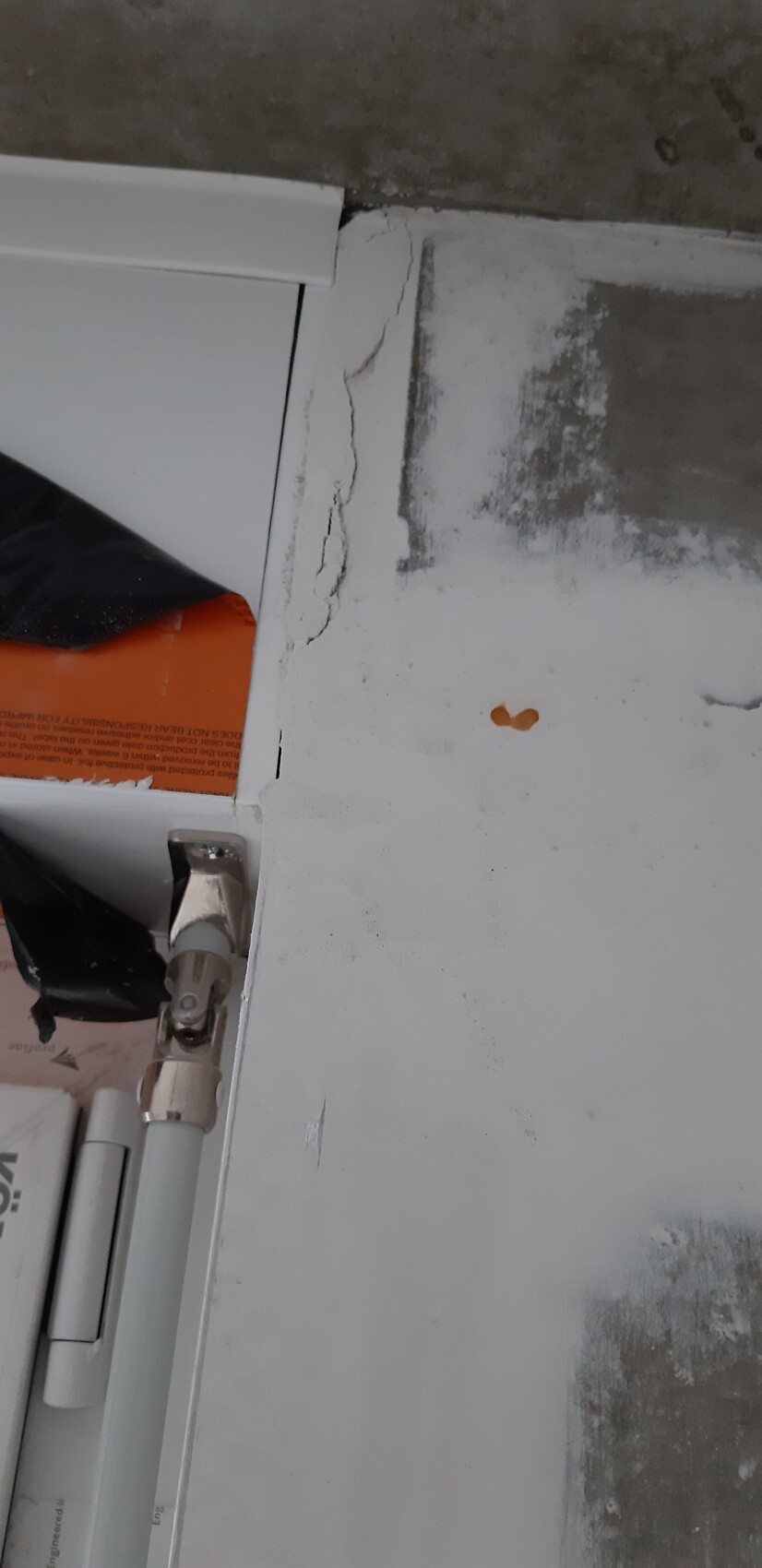
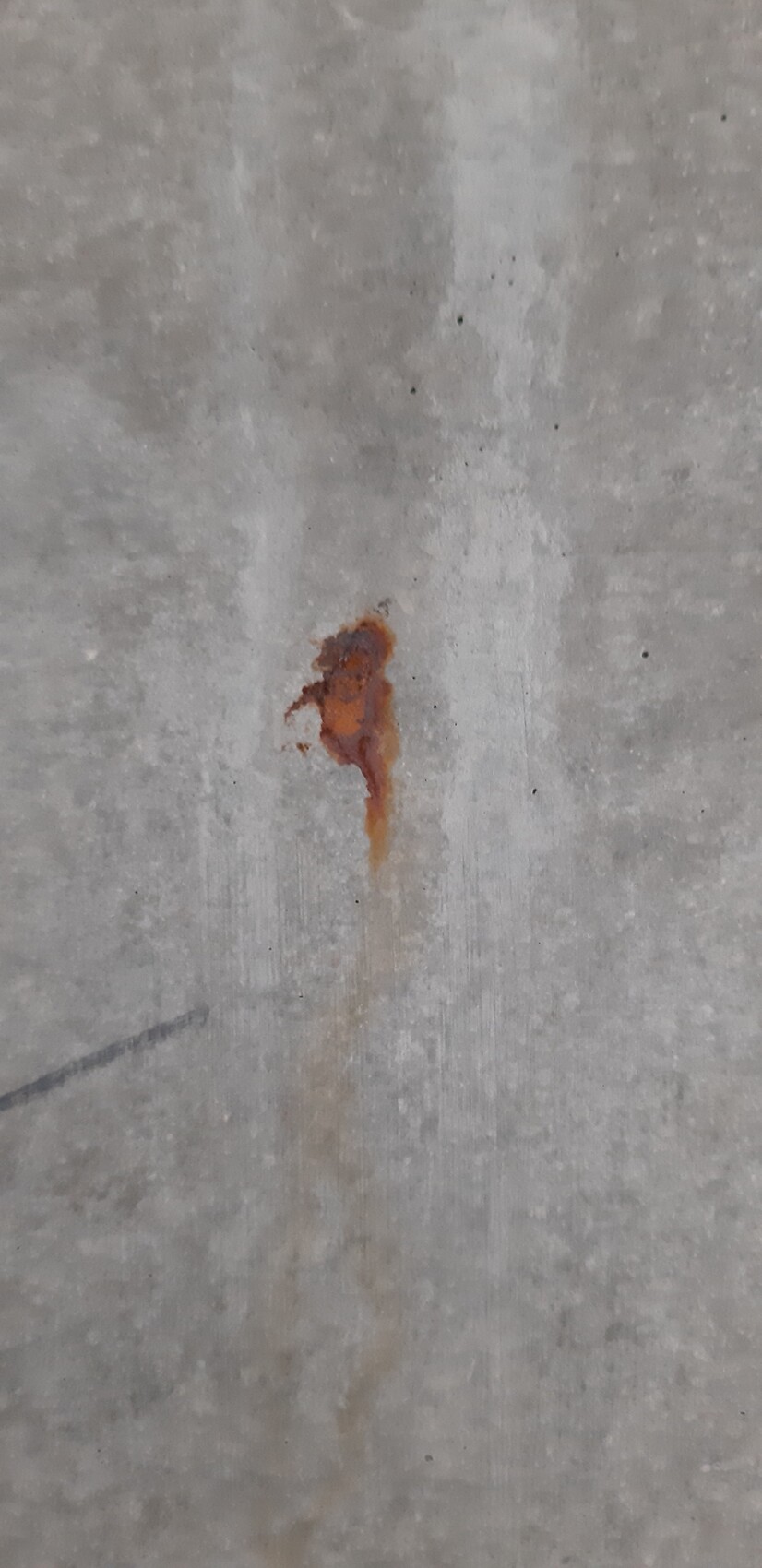
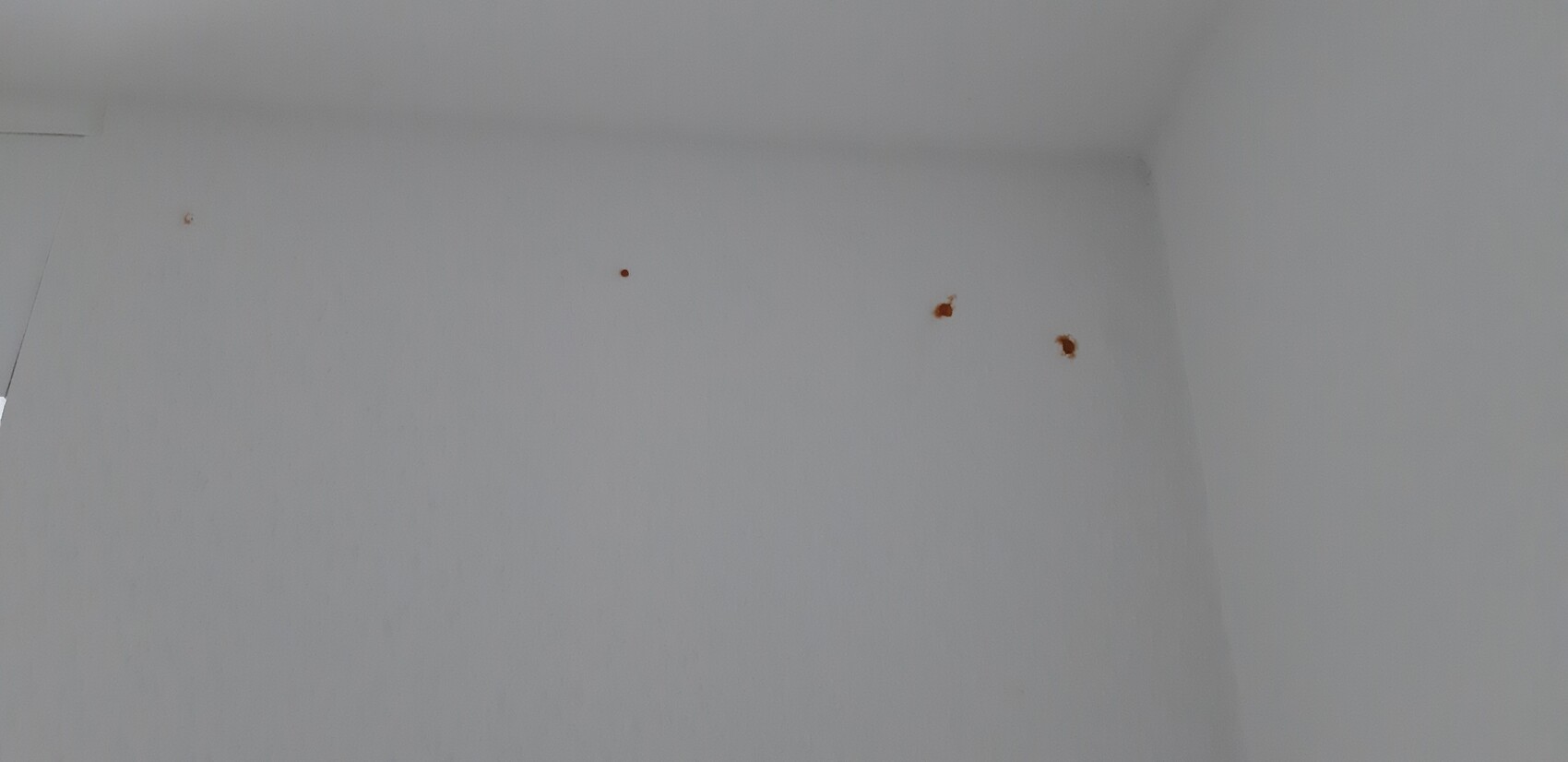
We are currently building a semi-detached house. Today, we noticed rust stains on the concrete panels at the construction site. Some areas are already wallpapered – the rust stains are showing through the wallpaper.
The building structure is as follows: concrete at the four corners, with calcium silicate bricks in between. The stains only appear on the concrete walls and partially on the ceilings.
Do you know what causes these stains or why there is rust, and what is usually done to prevent this? Should the surface be sealed before wallpapering? Should I be seriously concerned about the material or structural integrity (the reinforcement is not visible)?
Thank you very much for your help!
Hello,
Rust appearing in this form is actually quite rare.
The typical case is rust depositing on the formwork from the reinforcement, which remains visible after the concrete is poured. This rust does not look good and is considered discoloration during assessment, but it does not progress further. It can be ground off and then painted over with appropriate concrete paint.
This does not apply here.
The second case of rust is when the concrete cover is not maintained and the reinforcement is not sufficiently protected at voids (these holes in the concrete are called voids or honeycombs), allowing rust to form. You would need to open up the area to check if the reinforcement becomes quickly visible. If this is the case, the affected spots should be treated with suitable products (on the reinforcement). Furthermore, the concrete cover should be checked by random sampling. However, I assume this is not the case here because dark discoloration on the concrete generally appears if the reinforcement is very close to the surface. Otherwise, the concrete looks well finished.
The third case (which in my experience is rare, as we do not encounter this problem in Lower Saxony where I live) involves ferritic components in the concrete aggregate that begin to rust because they are located near the surface. This would explain the frequency and the circular shape of the rust spots. Therefore, I suspect this is your situation.
My recommendation would be to remove the concrete in these areas, remove the product (if the reinforcement is exposed, protect it), and then seal the spot again with the appropriate product.
Just visually preventing the rust, in my opinion, is not the right approach because (in the worst case) the rusting aggregate could be too close to the reinforcement and then also attack it.
Of course, a detailed assessment can only be made by an expert on site. If you live near Hannover in Lower Saxony, I’m happy to take a look at such issues.
Best regards,
Jann St (Concrete Engineer)
Rust appearing in this form is actually quite rare.
The typical case is rust depositing on the formwork from the reinforcement, which remains visible after the concrete is poured. This rust does not look good and is considered discoloration during assessment, but it does not progress further. It can be ground off and then painted over with appropriate concrete paint.
This does not apply here.
The second case of rust is when the concrete cover is not maintained and the reinforcement is not sufficiently protected at voids (these holes in the concrete are called voids or honeycombs), allowing rust to form. You would need to open up the area to check if the reinforcement becomes quickly visible. If this is the case, the affected spots should be treated with suitable products (on the reinforcement). Furthermore, the concrete cover should be checked by random sampling. However, I assume this is not the case here because dark discoloration on the concrete generally appears if the reinforcement is very close to the surface. Otherwise, the concrete looks well finished.
The third case (which in my experience is rare, as we do not encounter this problem in Lower Saxony where I live) involves ferritic components in the concrete aggregate that begin to rust because they are located near the surface. This would explain the frequency and the circular shape of the rust spots. Therefore, I suspect this is your situation.
My recommendation would be to remove the concrete in these areas, remove the product (if the reinforcement is exposed, protect it), and then seal the spot again with the appropriate product.
Just visually preventing the rust, in my opinion, is not the right approach because (in the worst case) the rusting aggregate could be too close to the reinforcement and then also attack it.
Of course, a detailed assessment can only be made by an expert on site. If you live near Hannover in Lower Saxony, I’m happy to take a look at such issues.
Best regards,
Jann St (Concrete Engineer)
Similar topics