
Hello everyone.
I just noticed that the right row of paving stones has slightly settled to the side... Somehow, there is hardly any jointing material left in the gaps... The path was laid only 5 months ago. The gravel base and everything else was properly compacted before and after installation.
Does anyone know what might be causing this?
Could it be due to the severe frost we’ve had in the last few days?
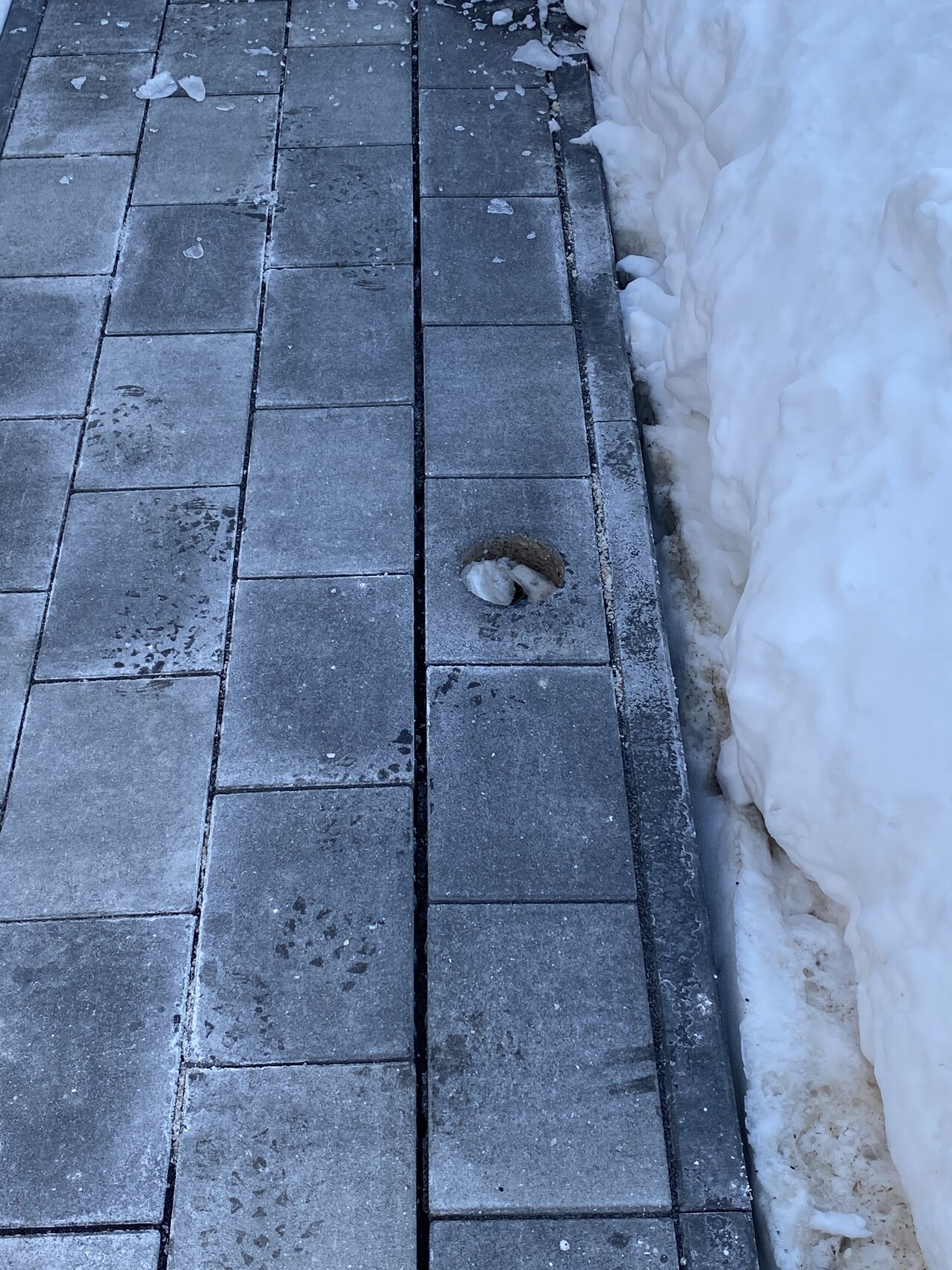
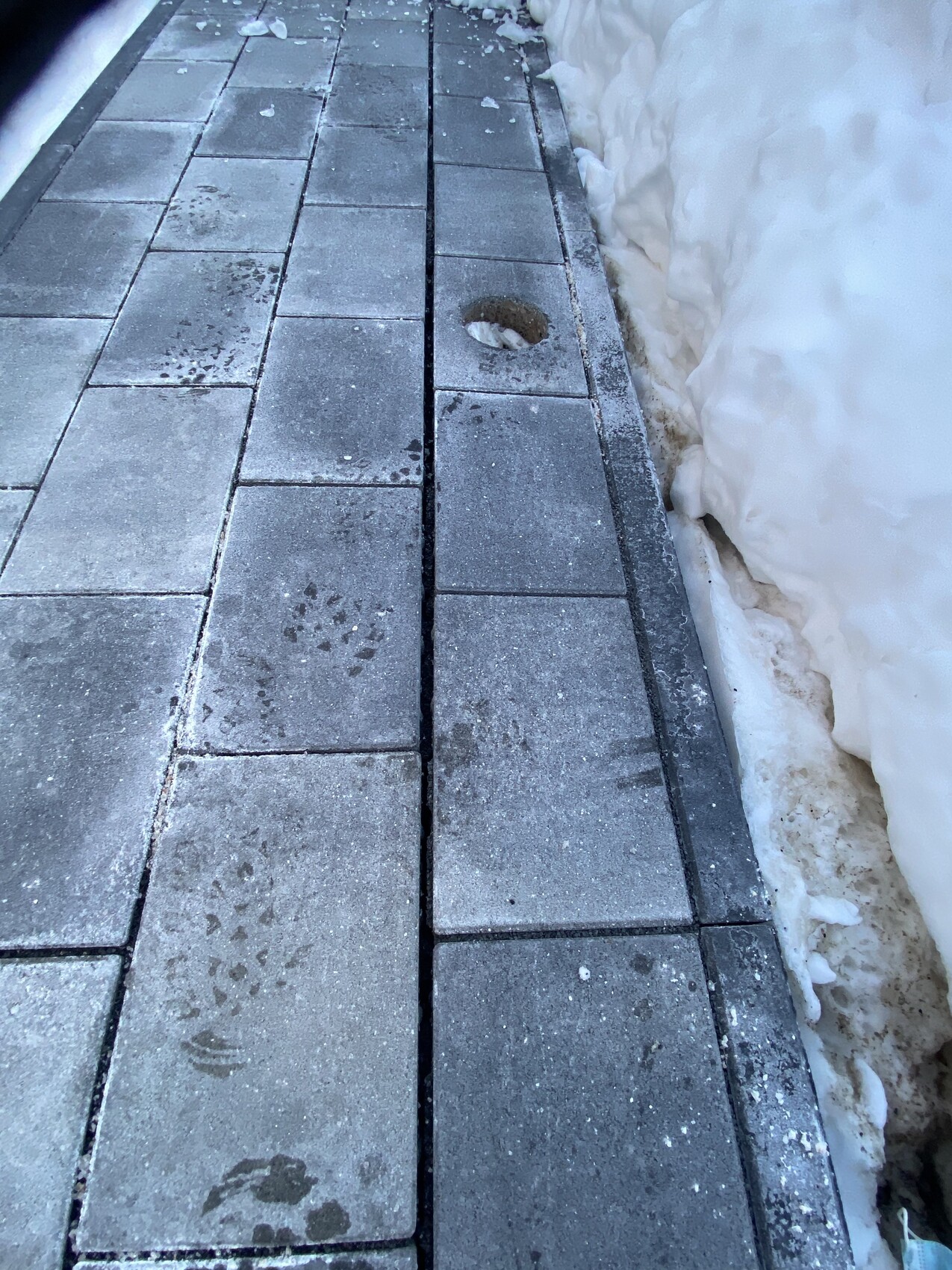
I just noticed that the right row of paving stones has slightly settled to the side... Somehow, there is hardly any jointing material left in the gaps... The path was laid only 5 months ago. The gravel base and everything else was properly compacted before and after installation.
Does anyone know what might be causing this?
Could it be due to the severe frost we’ve had in the last few days?
Yes, frost could be the cause. However, only if there were construction errors.
How deep is the curb foundation at the edge? This curb has sunk or been pushed out of place. It was probably not built correctly. This is not solely due to frost.
Take a photo of the surroundings. Is the house on the right?
File a complaint with the construction company.
How deep is the curb foundation at the edge? This curb has sunk or been pushed out of place. It was probably not built correctly. This is not solely due to frost.
Take a photo of the surroundings. Is the house on the right?
File a complaint with the construction company.
P
pagoni202014 Feb 2021 11:57With frost and temperature fluctuations, all materials move. Despite thorough compaction measures, settling can still occur, even if you pass over the area three times with a compactor.
We paved an area in front of our house, and after a few years, you could clearly see the edge where concrete was poured underneath versus the native and compacted soil. Under our patio slab, a cavity about 30cm (12 inches) wide formed over 30 years.
I would wait and see what happens next unless you have something like a limited warranty against this kind of settling.
For this reason, I am not a fan of laying directly on gravel (or crushed stone), as I have seen too many uneven spots despite earlier assurances to the contrary.
We paved an area in front of our house, and after a few years, you could clearly see the edge where concrete was poured underneath versus the native and compacted soil. Under our patio slab, a cavity about 30cm (12 inches) wide formed over 30 years.
I would wait and see what happens next unless you have something like a limited warranty against this kind of settling.
For this reason, I am not a fan of laying directly on gravel (or crushed stone), as I have seen too many uneven spots despite earlier assurances to the contrary.
N
Nice-Nofret14 Feb 2021 13:58.. and if you don’t have a warranty on it, then wait another 1-3 years before making any repairs, because there may still be further changes.