
H
hausbaudre15 May 2025 22:05Hello home builders,
I am renovating the attic (= 3rd floor) of our end-terrace house from 1956. It has solid concrete ceilings throughout (concrete joists 14 cm (5.5 inches) high spaced at 62.5 cm (25 inches), topped with a 5 cm (2 inches) concrete slab). I have noticed significant cracks. I removed the white "filling" since it was already cracked along the original cracks and feels quite loose, so it provides no real benefit. It doesn’t seem to be gypsum, I suspect lime with a bit of cement. This was applied either during the first renovation in the 1990s or even earlier. So the cracks are not new.
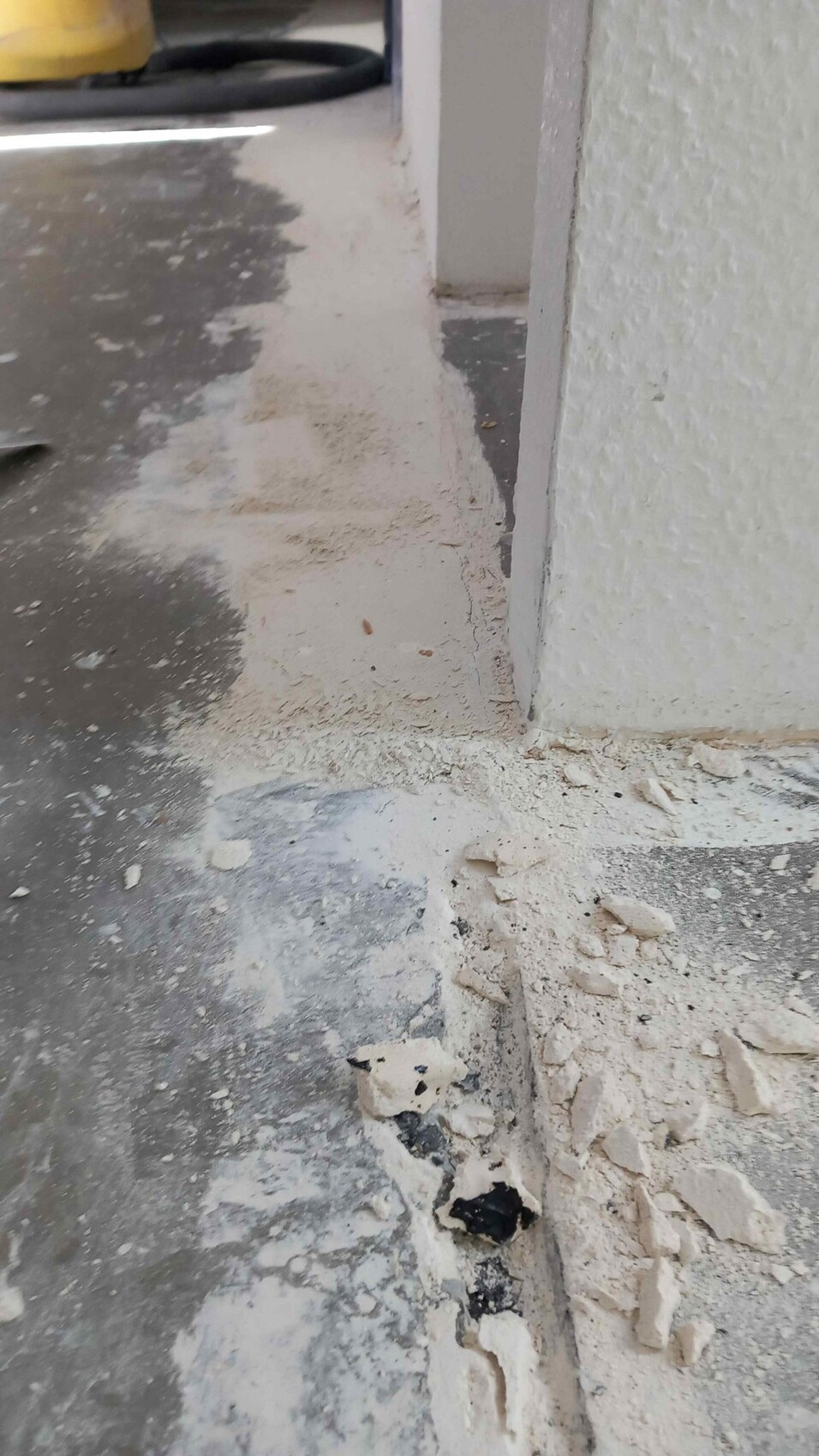
While chiseling, I realized how extensive the cracks and holes really are. Although we also had cracks on the 1st floor (renovated last year), they were neither as numerous nor as pronounced as these. Back then, I wouldn’t have noticed cracks visible on the ceiling of the upper floor. The largest crack is located exactly above or at a supporting wall below.
From what I have read in the forum so far, I am uncertain ("cracks in concrete are normal" versus "a specialist should check it"), so I am attaching a few pictures to indicate the extent.
Thank you for your help, here are my questions:
1. How critical are such cracks and what risks might they pose?
2. Based on that: Is the injection of concrete staples and resin sufficient, or should a specialized professional company handle this?
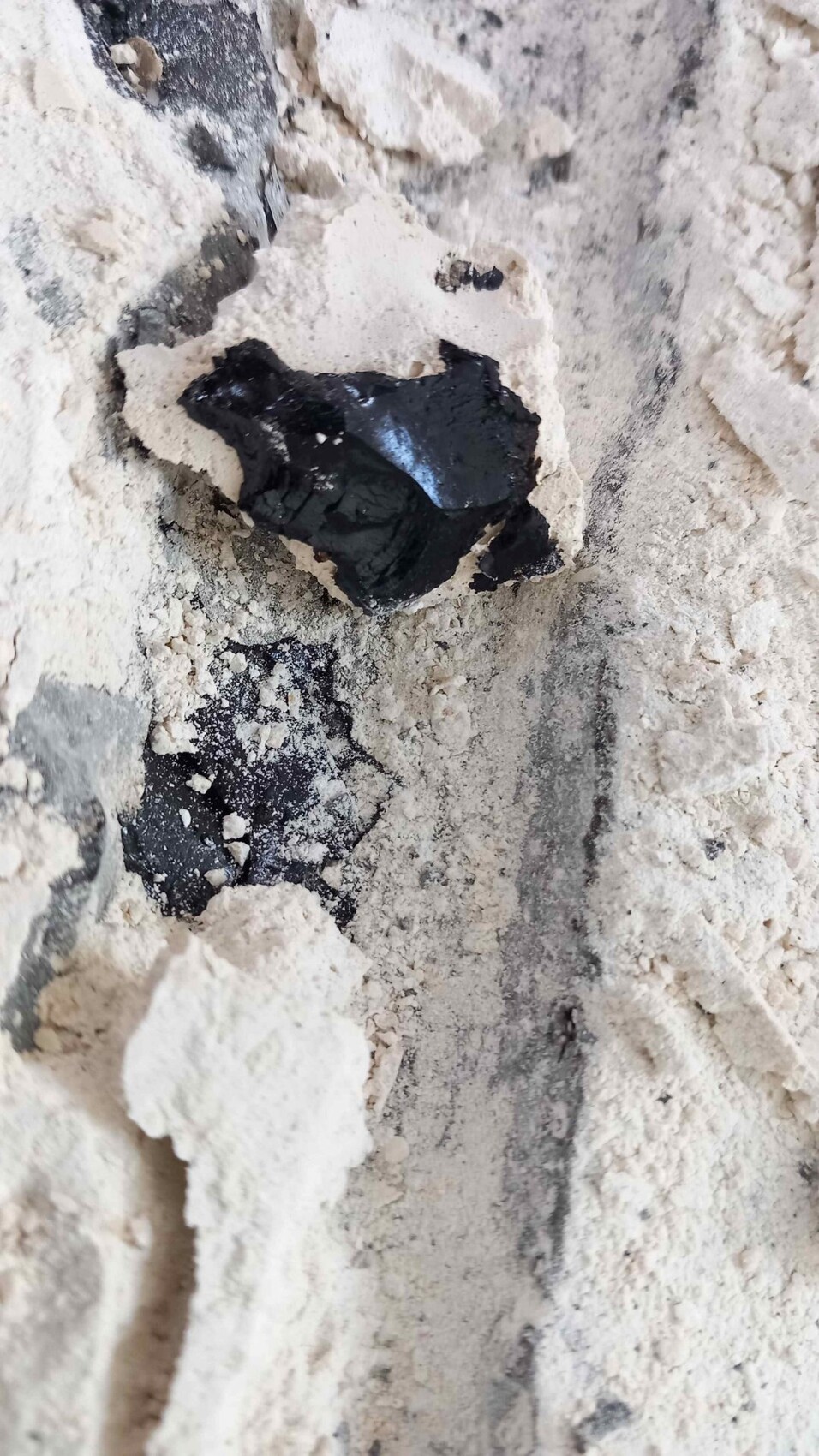
3. In the photos, there is a black substance visible. I cannot identify it, possibly tar? Was sealing cracks with tar and then applying lime a common practice?
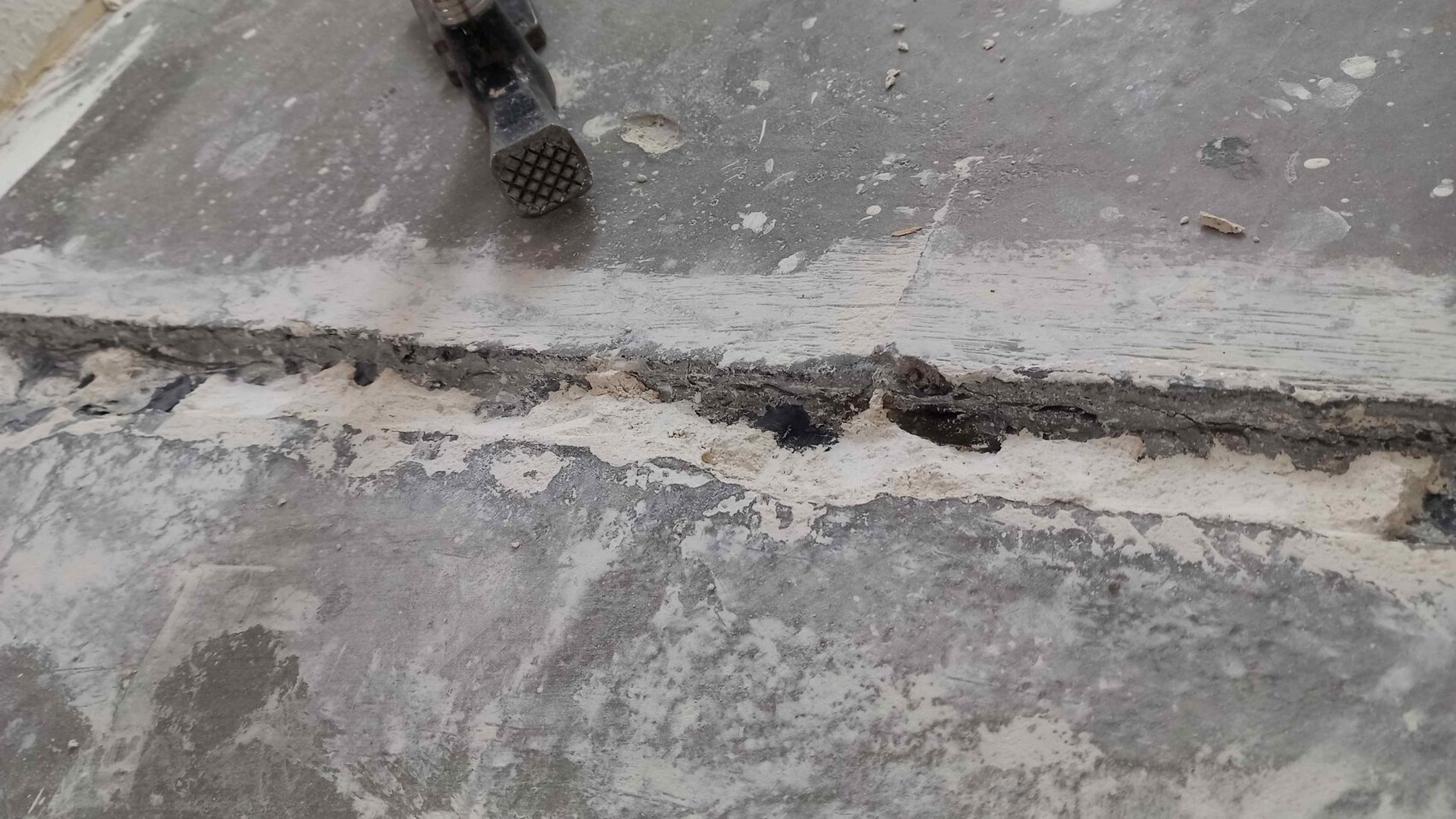
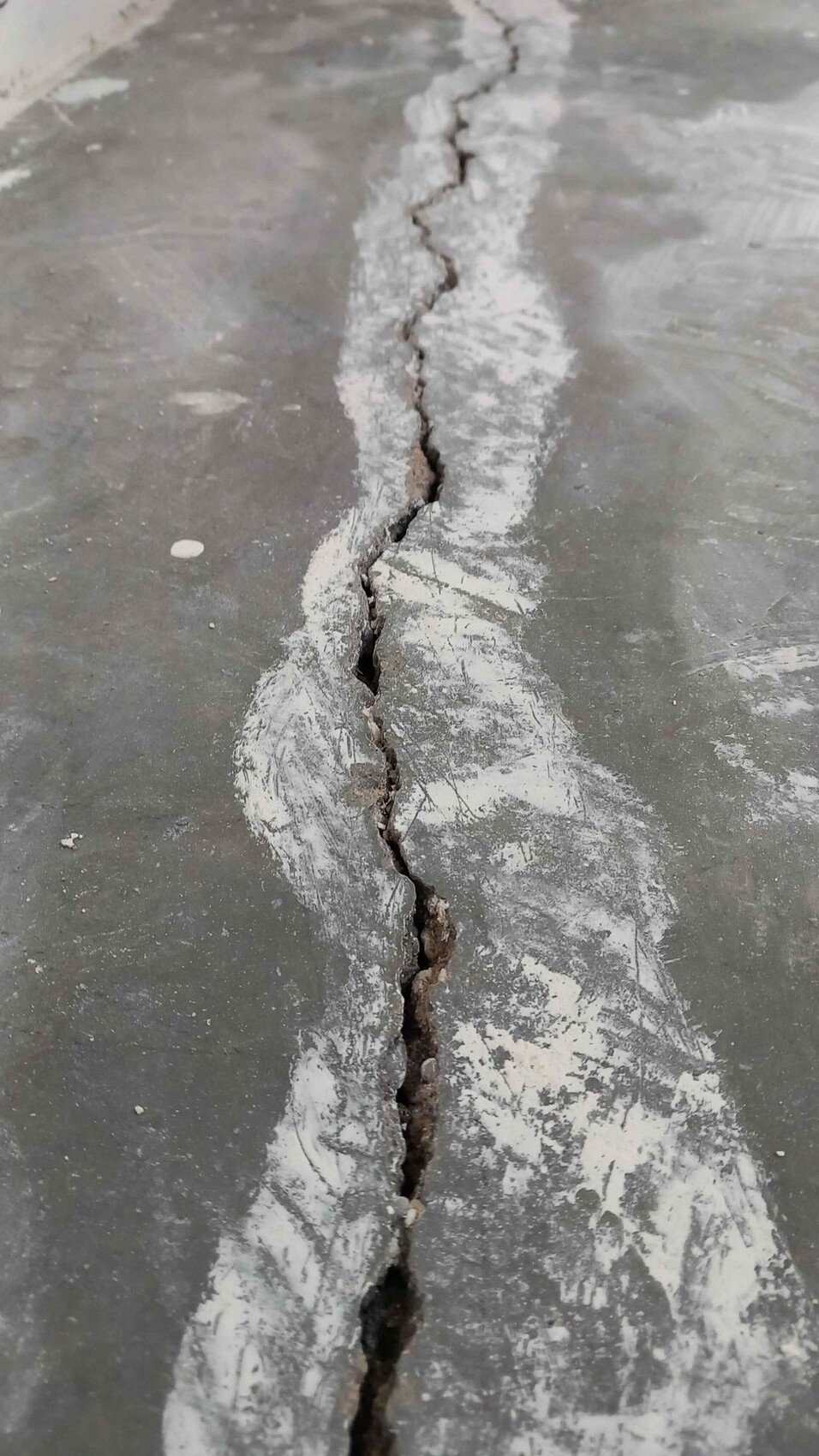
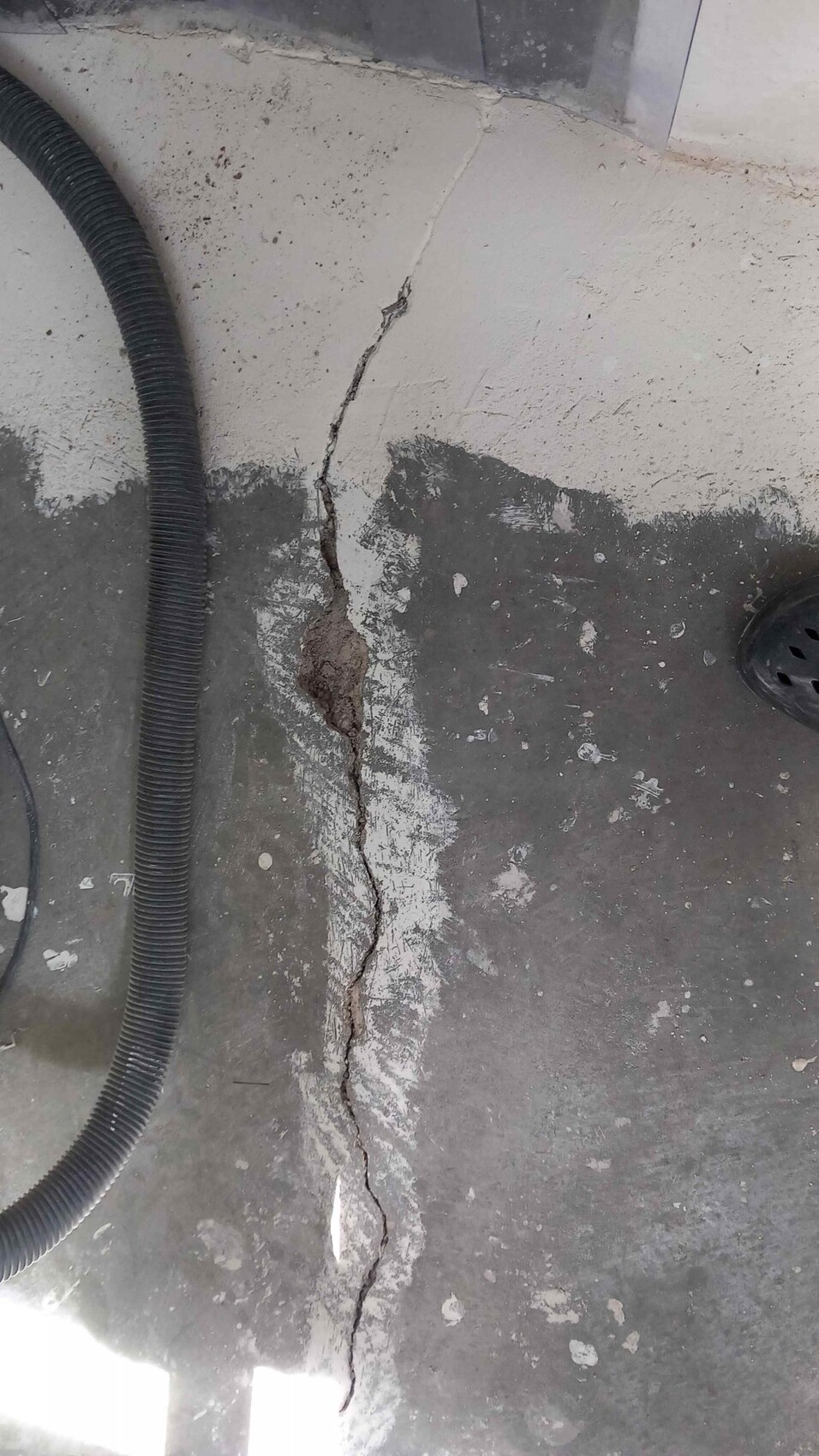
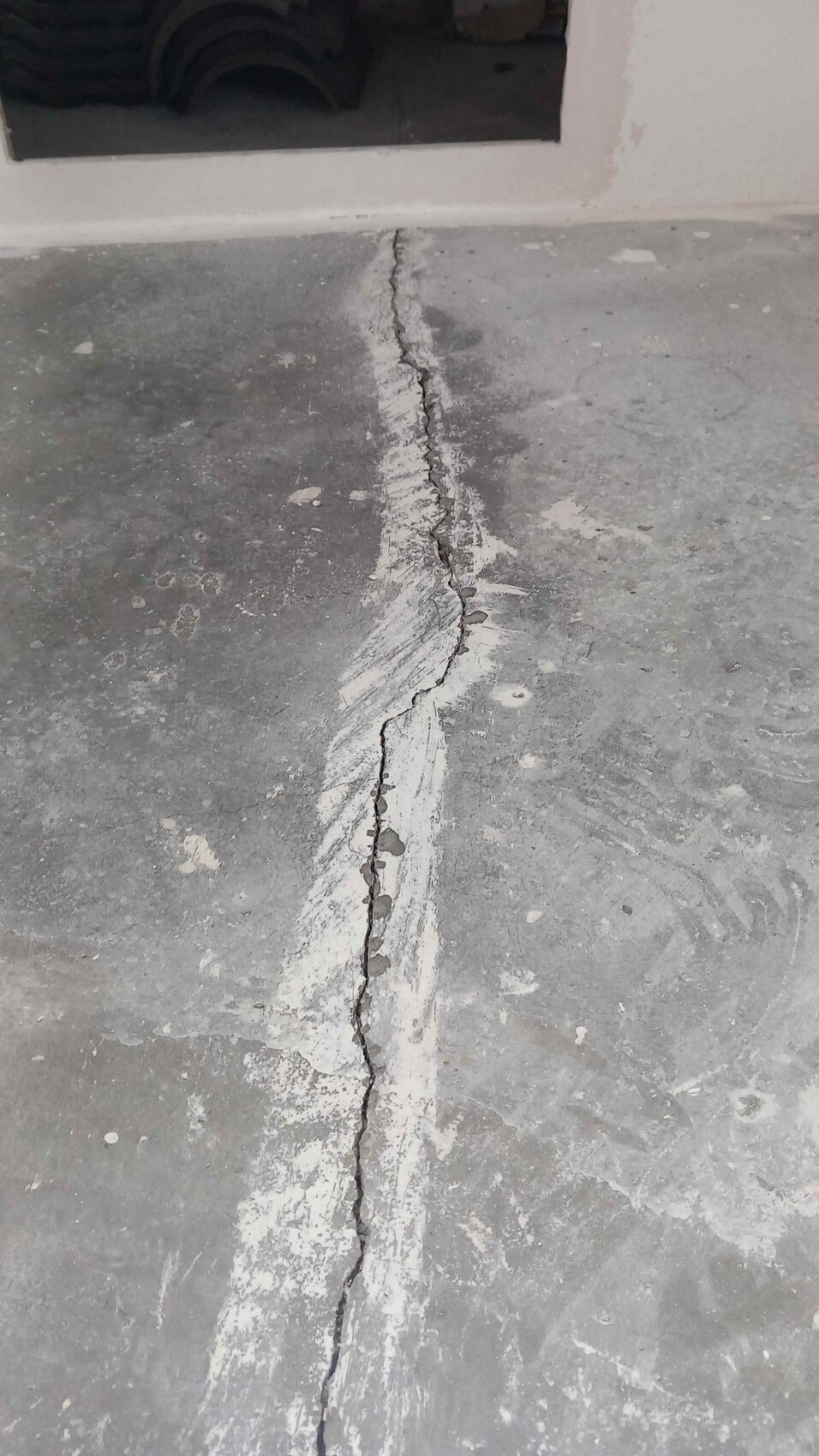
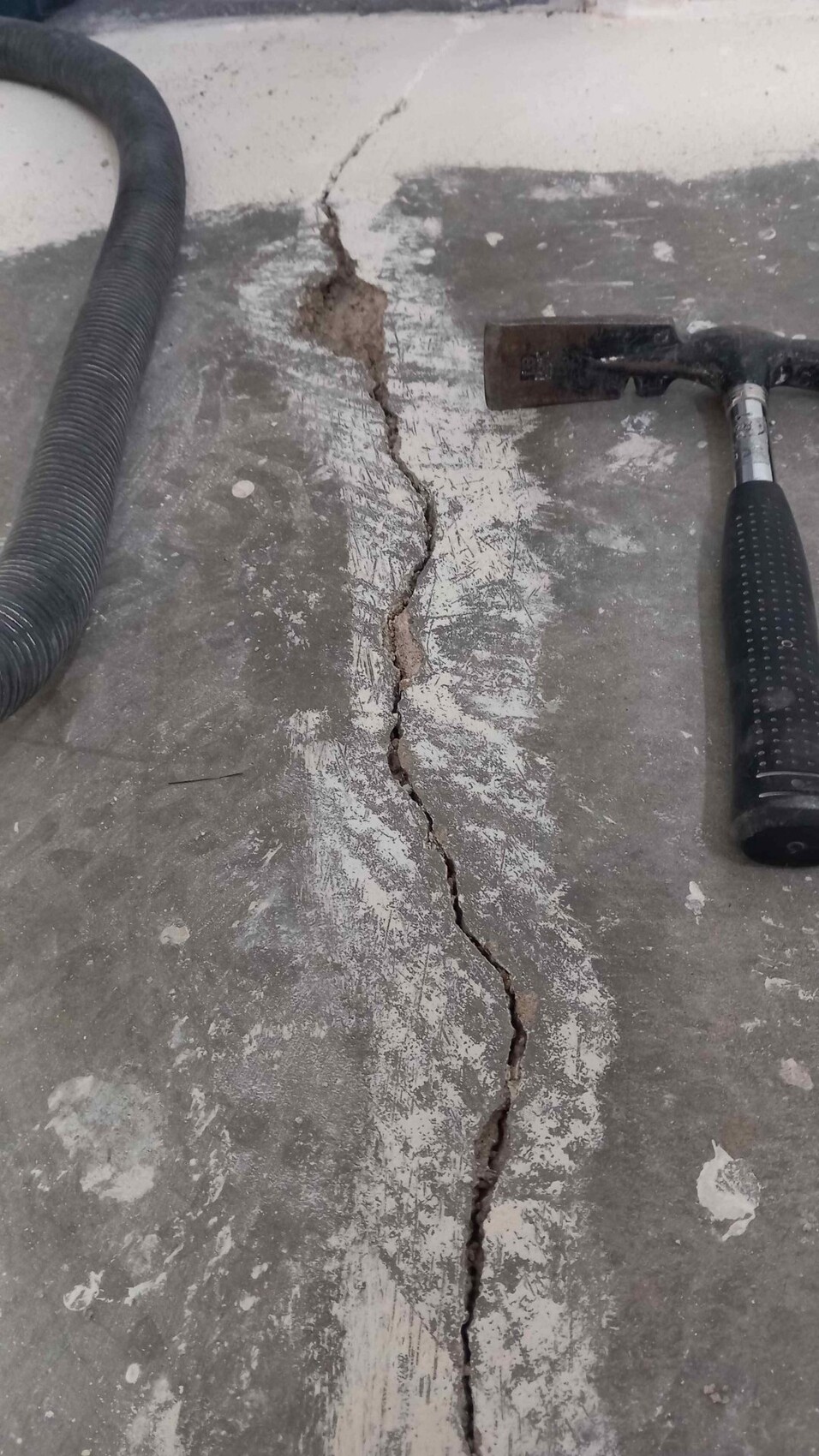
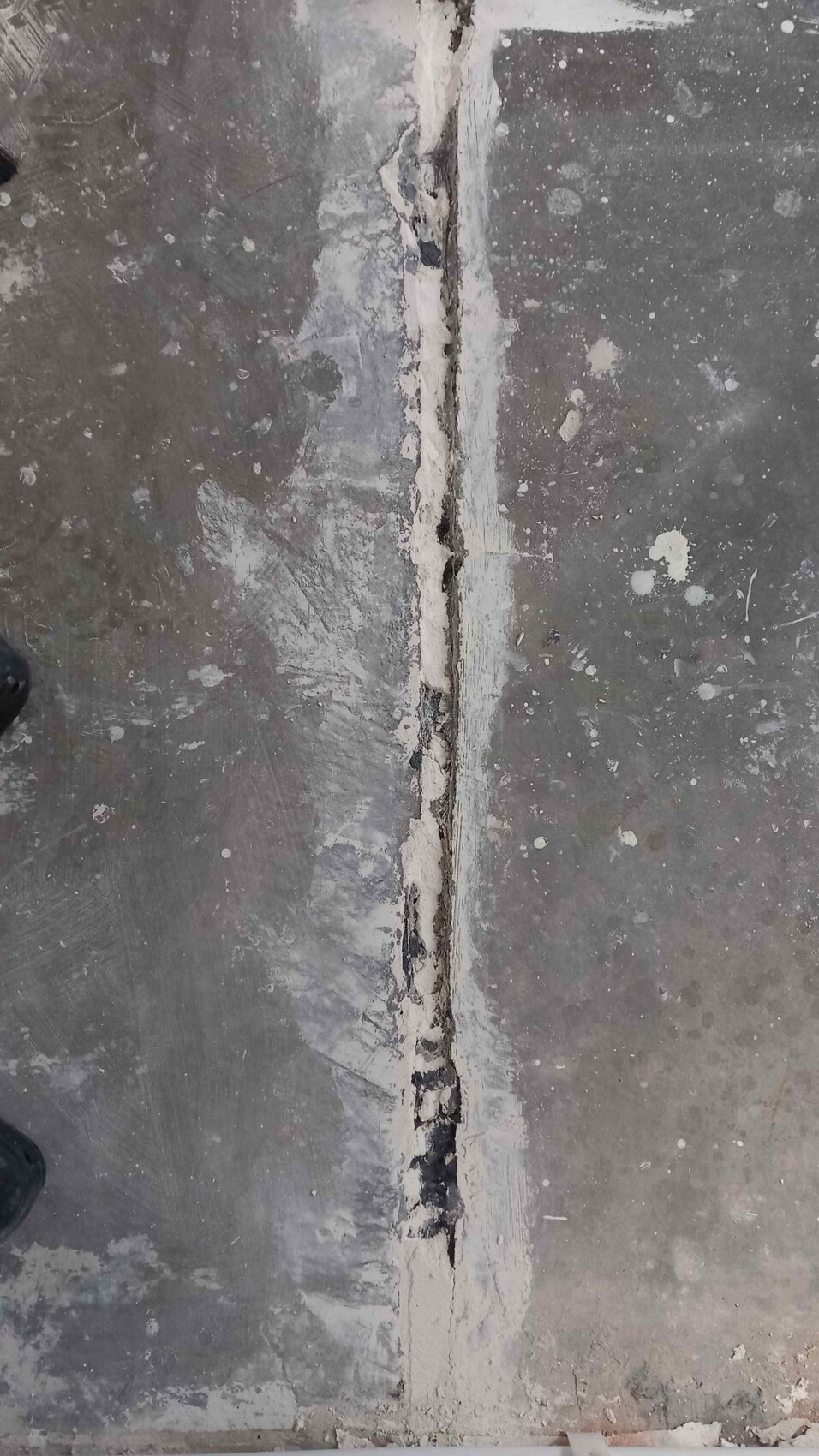

I am renovating the attic (= 3rd floor) of our end-terrace house from 1956. It has solid concrete ceilings throughout (concrete joists 14 cm (5.5 inches) high spaced at 62.5 cm (25 inches), topped with a 5 cm (2 inches) concrete slab). I have noticed significant cracks. I removed the white "filling" since it was already cracked along the original cracks and feels quite loose, so it provides no real benefit. It doesn’t seem to be gypsum, I suspect lime with a bit of cement. This was applied either during the first renovation in the 1990s or even earlier. So the cracks are not new.
While chiseling, I realized how extensive the cracks and holes really are. Although we also had cracks on the 1st floor (renovated last year), they were neither as numerous nor as pronounced as these. Back then, I wouldn’t have noticed cracks visible on the ceiling of the upper floor. The largest crack is located exactly above or at a supporting wall below.
From what I have read in the forum so far, I am uncertain ("cracks in concrete are normal" versus "a specialist should check it"), so I am attaching a few pictures to indicate the extent.
Thank you for your help, here are my questions:
1. How critical are such cracks and what risks might they pose?
2. Based on that: Is the injection of concrete staples and resin sufficient, or should a specialized professional company handle this?
3. In the photos, there is a black substance visible. I cannot identify it, possibly tar? Was sealing cracks with tar and then applying lime a common practice?