
P
Pokerfan0213 Sep 2023 13:28Hello everyone,
we recently bought a new apartment and had it completely renovated.
Four weeks ago, a company sanded and oiled the existing maple parquet flooring. We had agreed that the original parquet would be fully restored. Previously, the original parquet was also lacquered and smooth. When the company finished, the result looked very nice. After a few days, we started cleaning quickly and noticed that the freshly renovated parquet was no longer smooth. It was rather rough. When we asked the company again, they said that we had not mentioned this during the consultation, so no lacquer was applied. There was some back and forth. The company claimed we hadn’t mentioned it, while we argued that the original parquet had also been smooth and no one told us that the newly sanded floor would be so rough. I was surprised that I would even have to mention this during the first meeting. We couldn’t even mop the floor without the broom getting caught on the rough surface. When moving furniture, you could see small marks on the parquet, and no matter how often we cleaned, the floor always looked dirty.
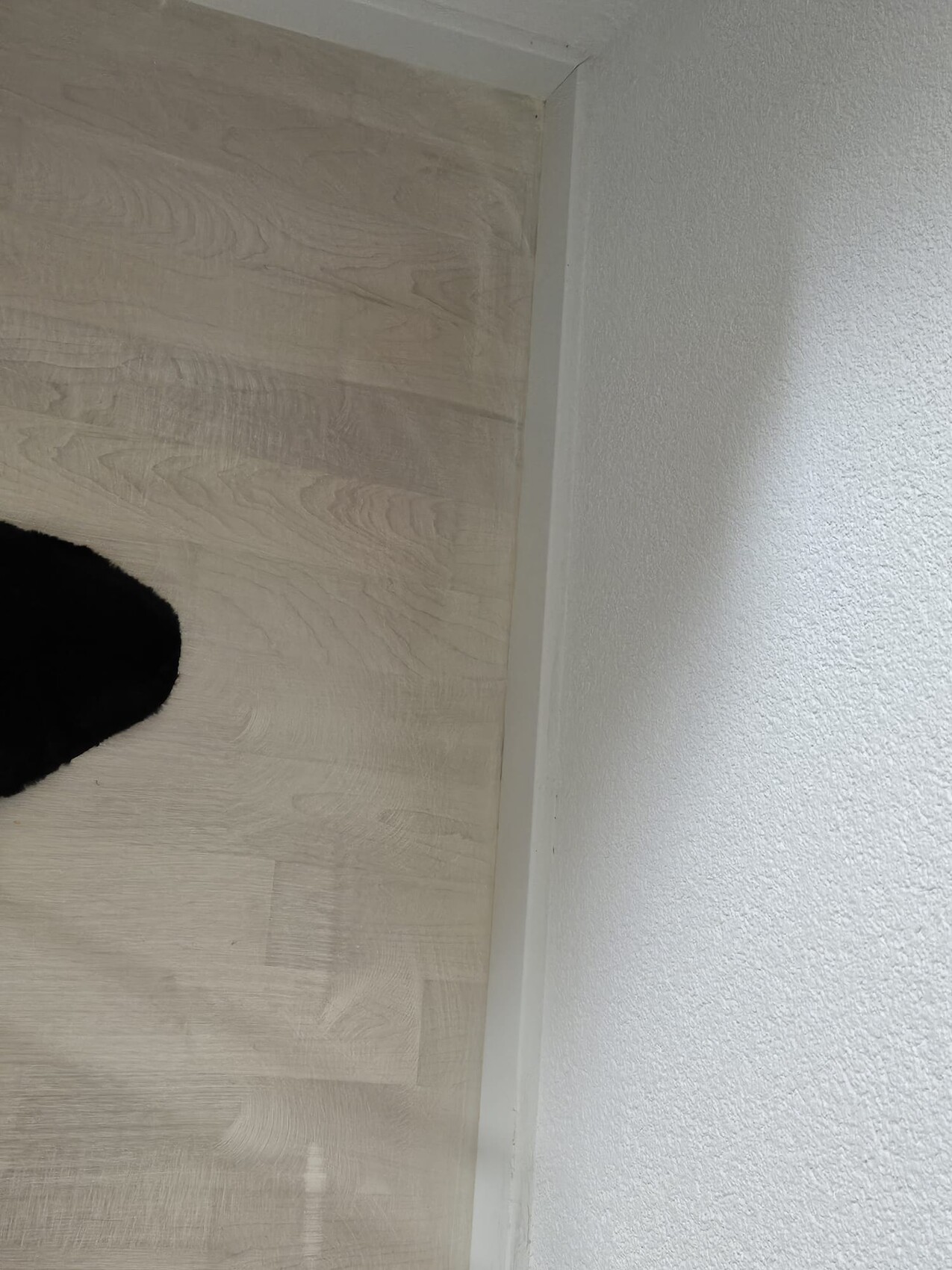
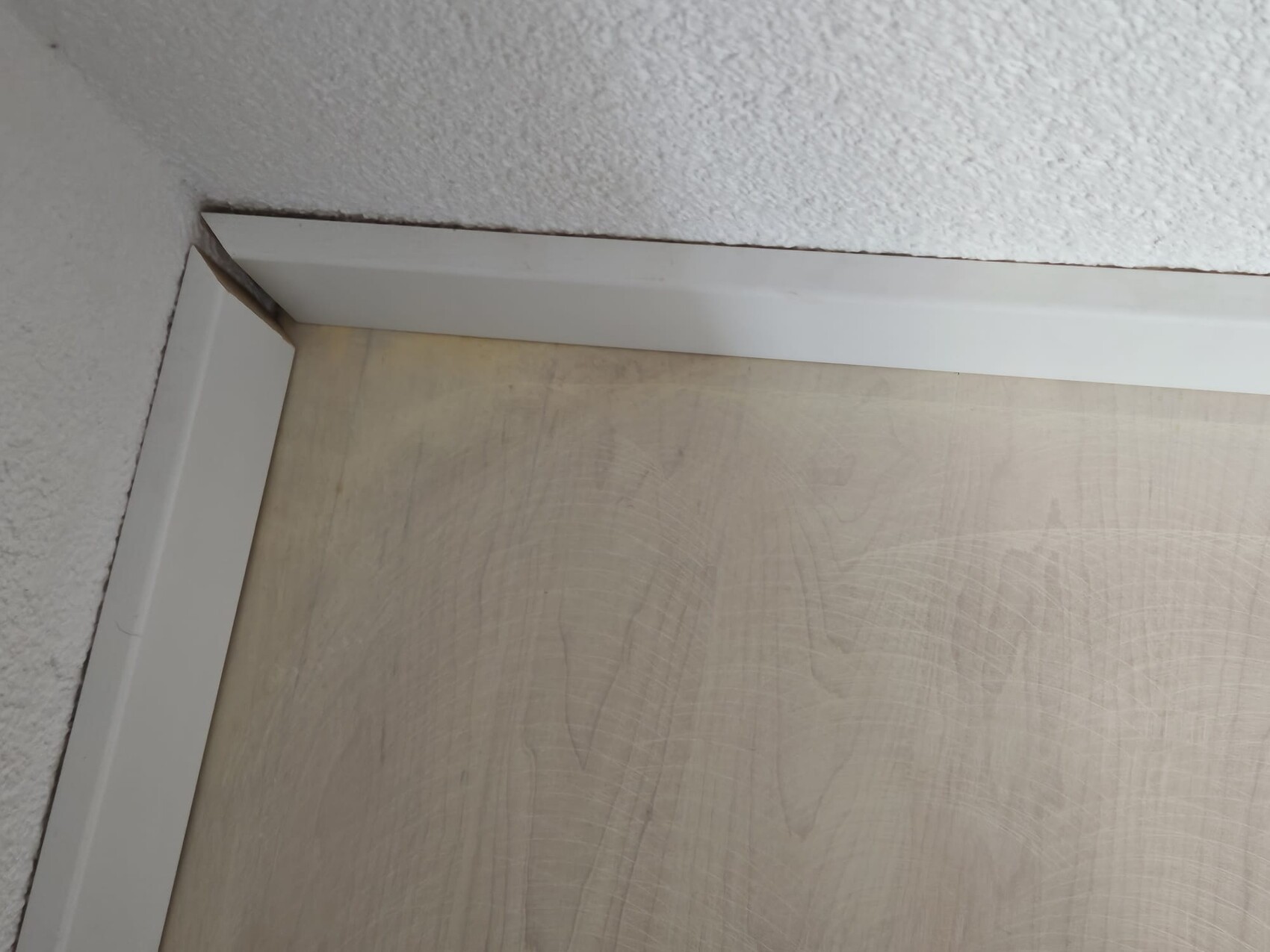
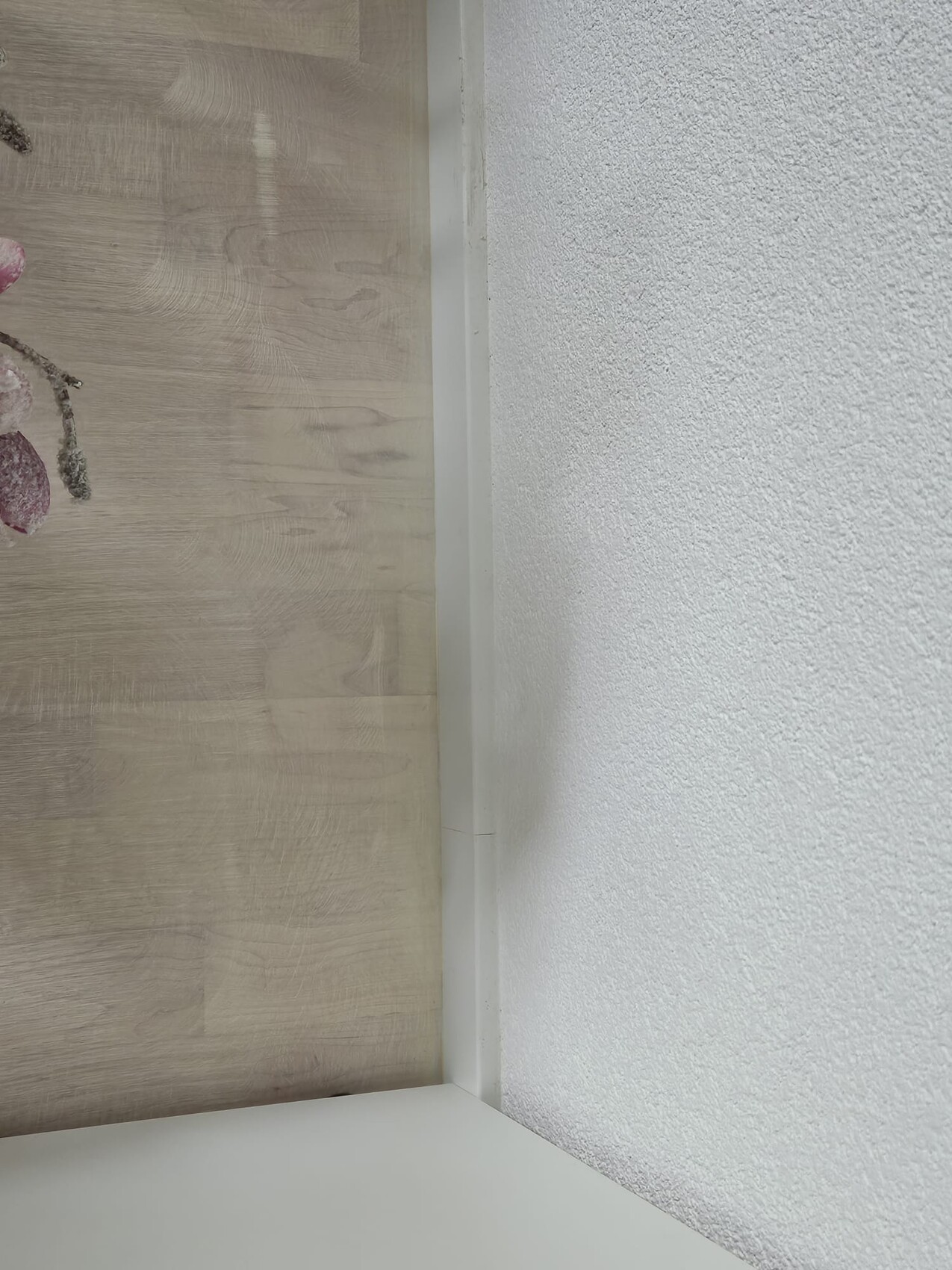
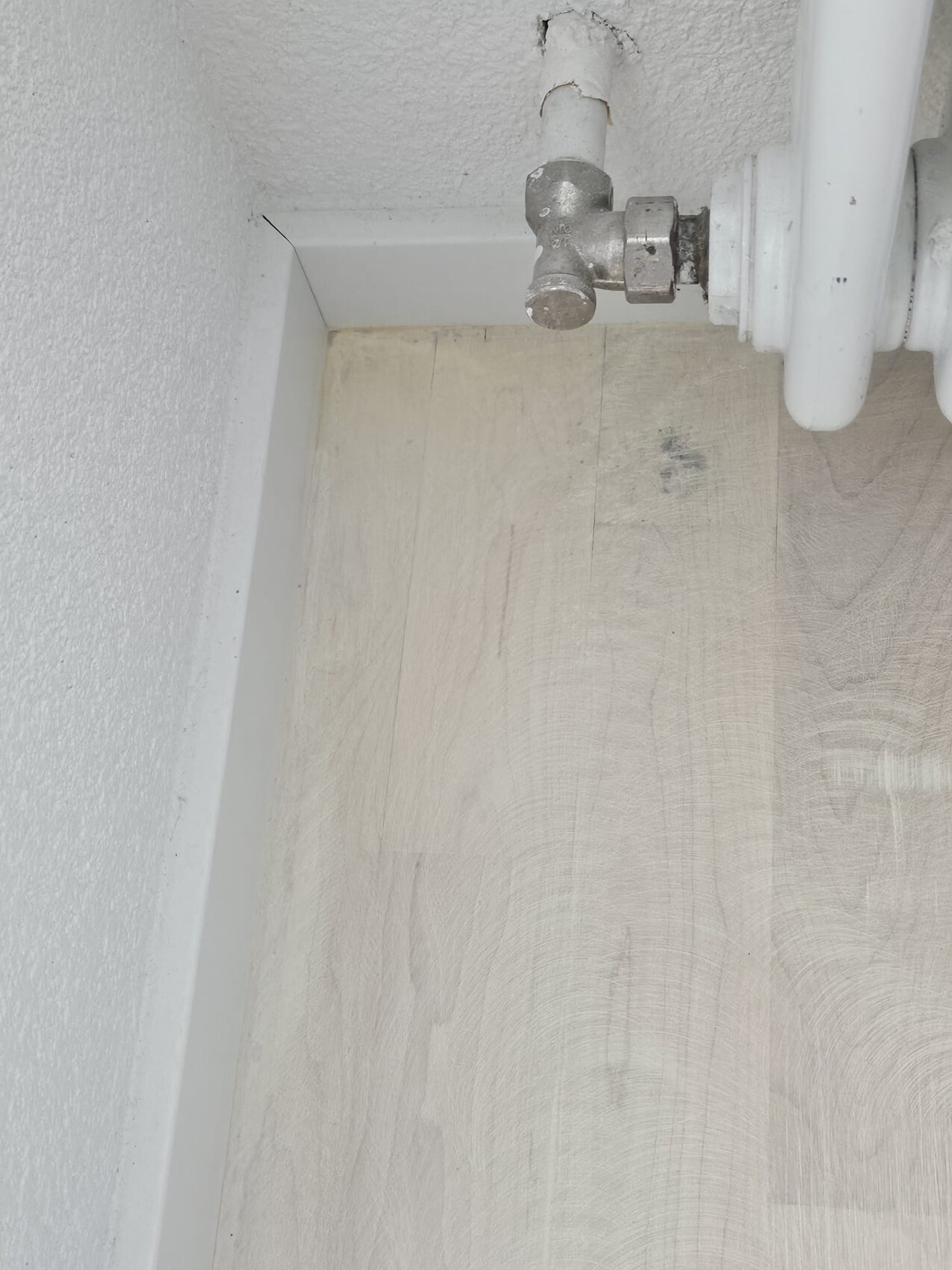
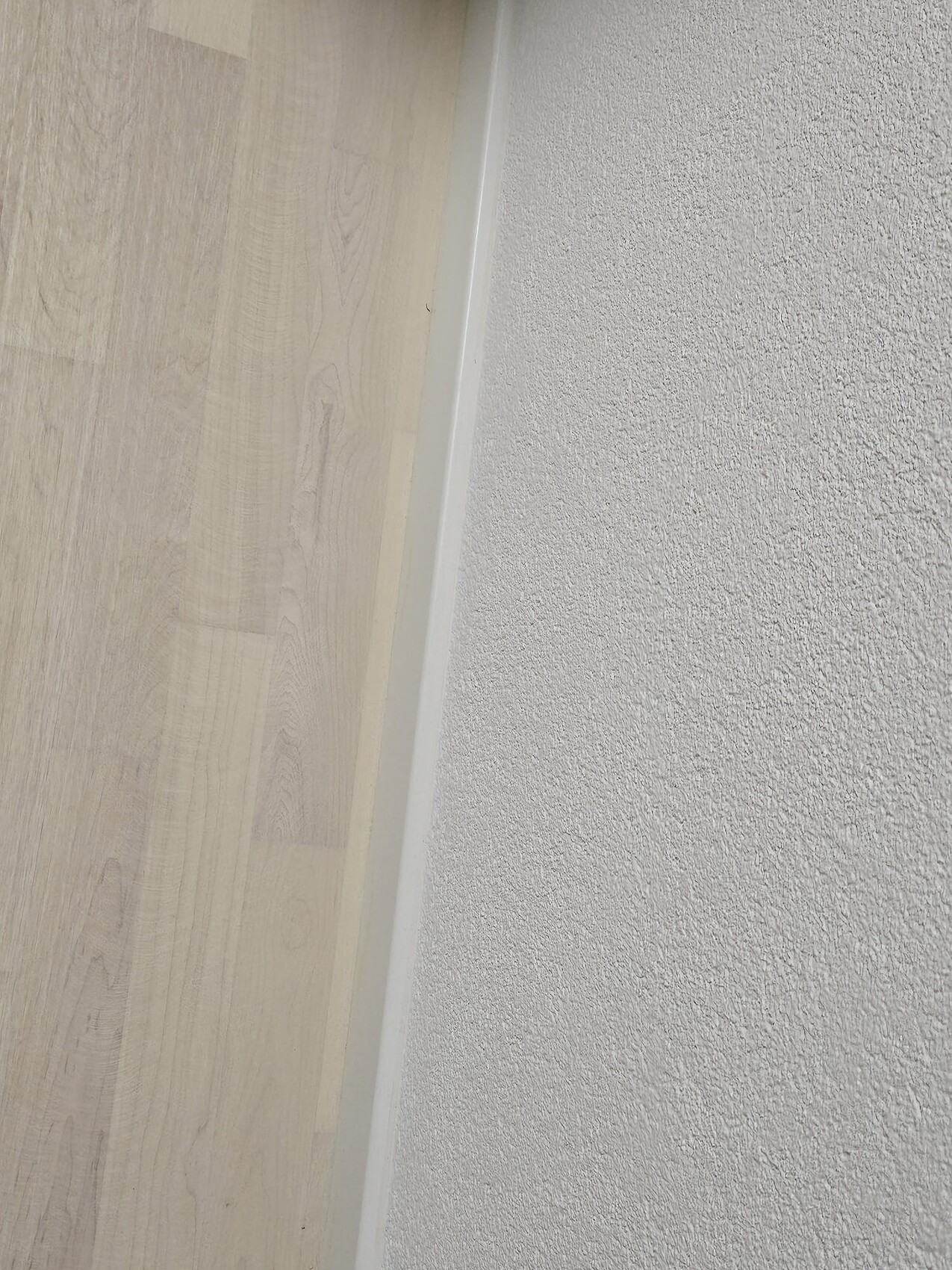
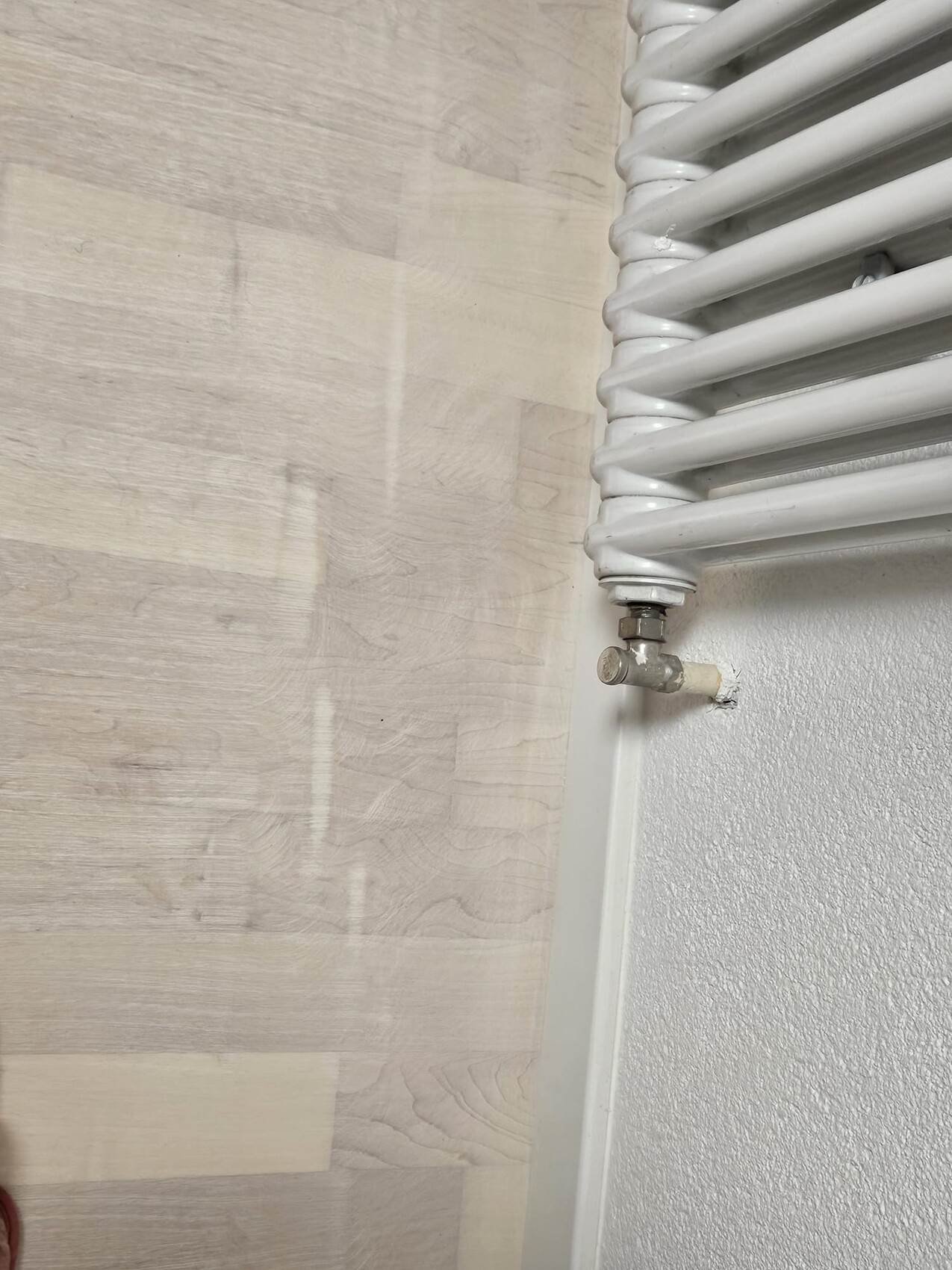
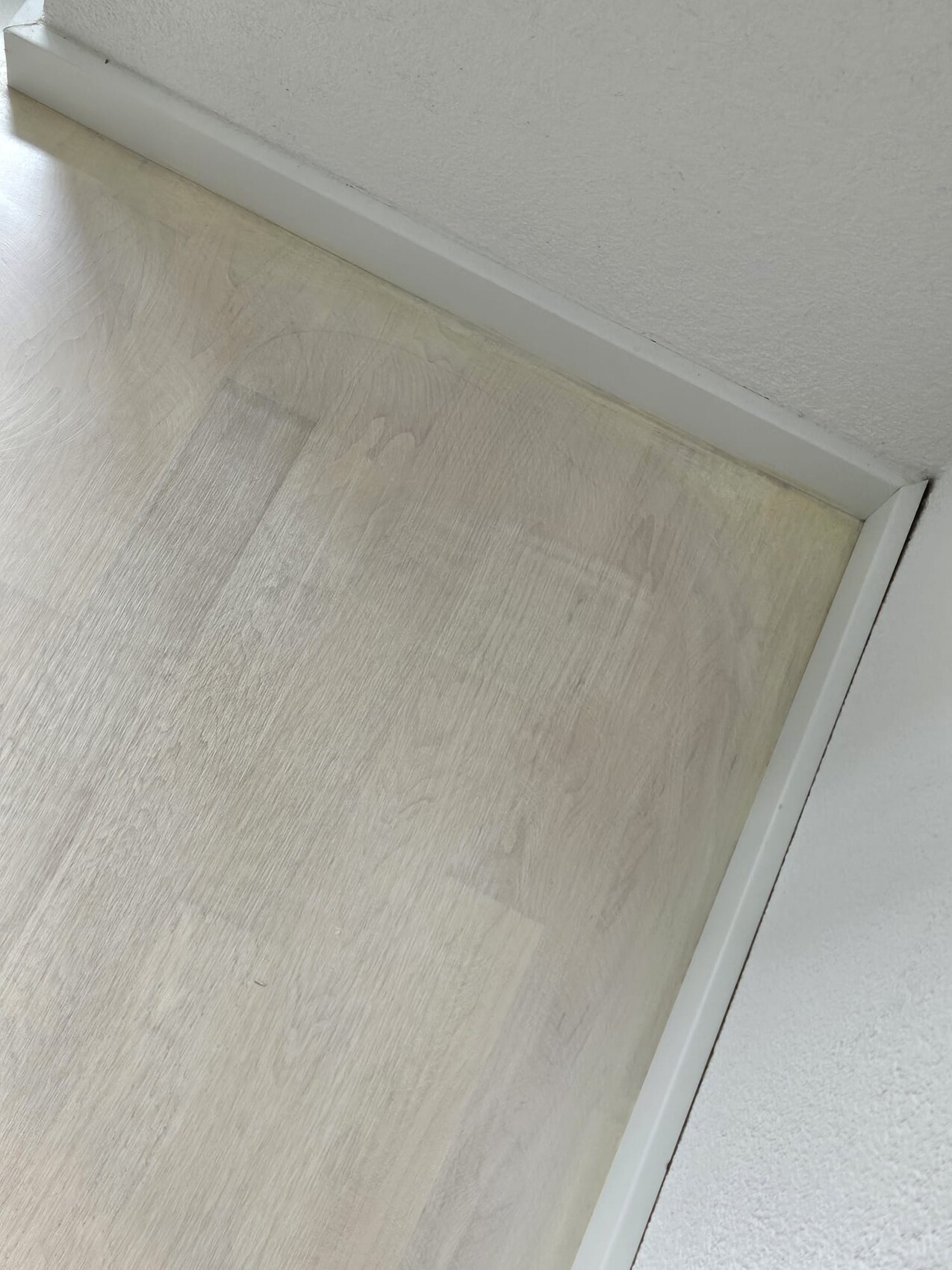
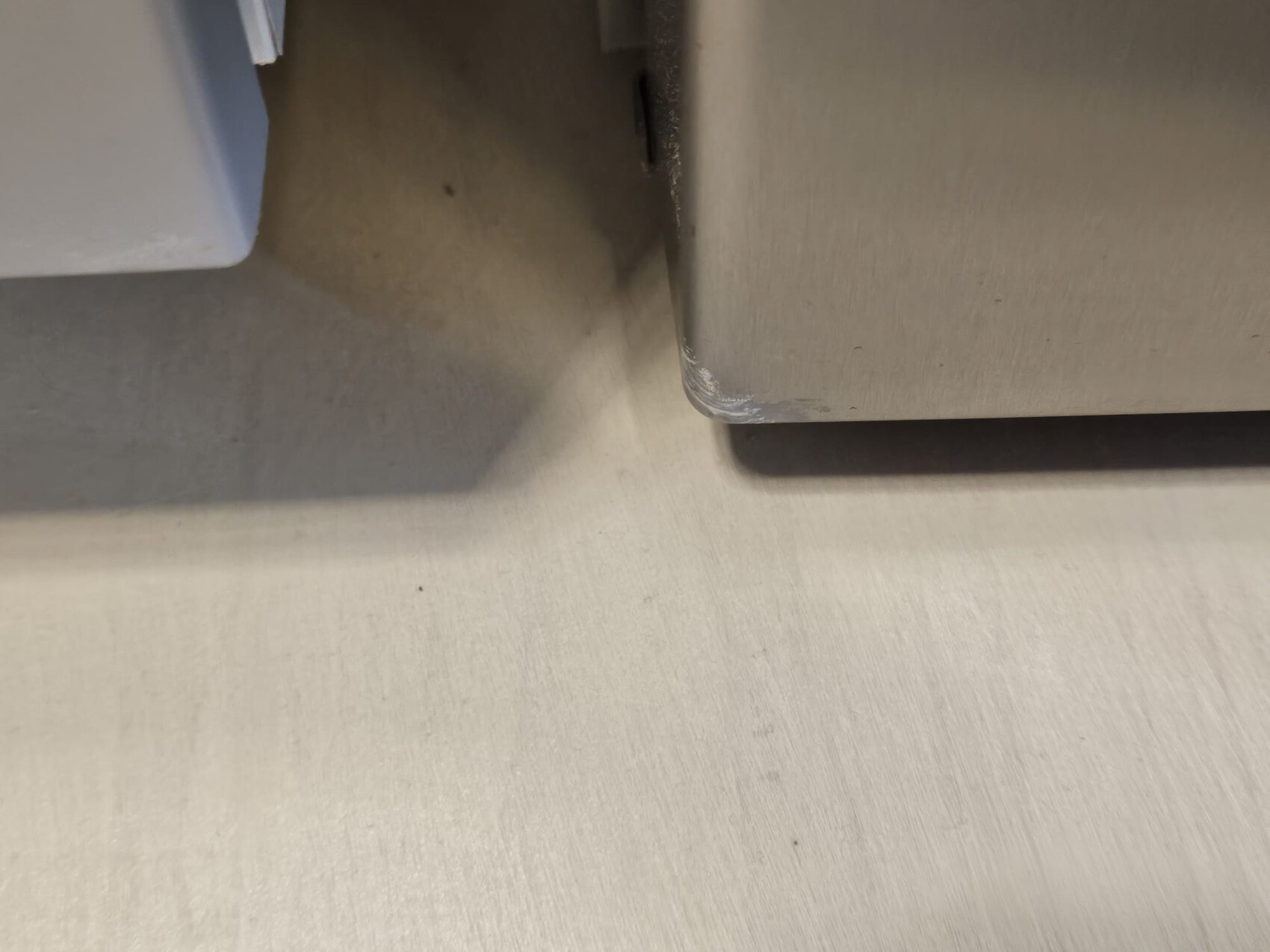
We then agreed to have the floor re-treated for an extra charge of 500 Euro (for oil and lacquer). I personally would have gone straight to a lawyer and never paid the 500 Euro, but my wife was fed up. The company said that the time since the last oiling was too long and that the entire parquet had to be sanded, oiled, and then lacquered again, otherwise the lacquer would not adhere properly. They carried this out, and now we see a yellowish tint along almost all the edges. The company said this is normal from the lacquer and should disappear within a few weeks. By the way, after the second treatment of the floor, you can also see streaks from sanding or the machine in some spots. I posted a photo of this. This was not visible after the first treatment.
I’m sure there are some experts here – what do you think? Attached are a few pictures… by now, I’m at my wit’s end and the whole process has cost about 6000 Euro. The floor is now smooth after lacquering, just as we wanted in the beginning.
Thanks and best regards,
Poki
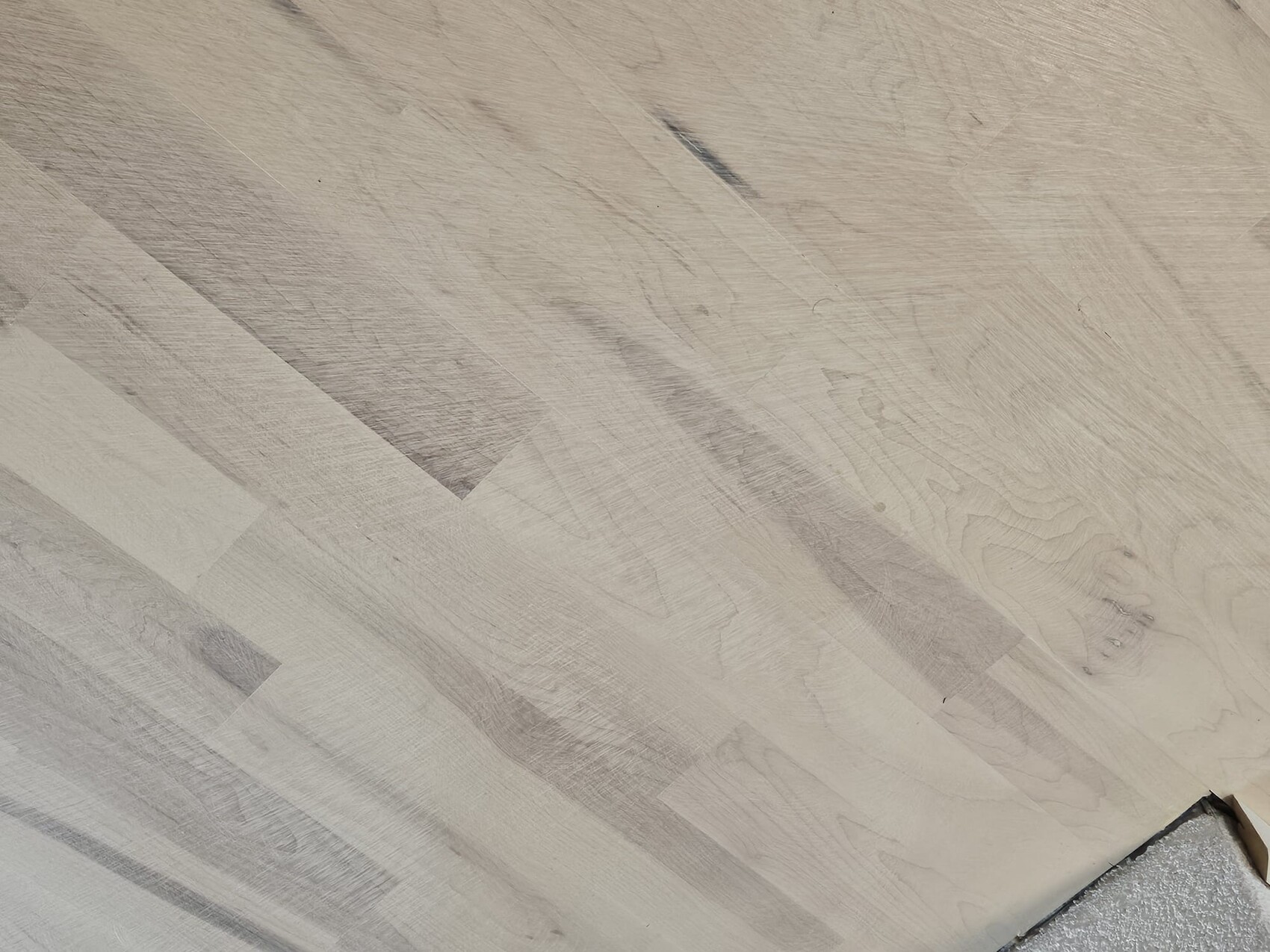
we recently bought a new apartment and had it completely renovated.
Four weeks ago, a company sanded and oiled the existing maple parquet flooring. We had agreed that the original parquet would be fully restored. Previously, the original parquet was also lacquered and smooth. When the company finished, the result looked very nice. After a few days, we started cleaning quickly and noticed that the freshly renovated parquet was no longer smooth. It was rather rough. When we asked the company again, they said that we had not mentioned this during the consultation, so no lacquer was applied. There was some back and forth. The company claimed we hadn’t mentioned it, while we argued that the original parquet had also been smooth and no one told us that the newly sanded floor would be so rough. I was surprised that I would even have to mention this during the first meeting. We couldn’t even mop the floor without the broom getting caught on the rough surface. When moving furniture, you could see small marks on the parquet, and no matter how often we cleaned, the floor always looked dirty.
We then agreed to have the floor re-treated for an extra charge of 500 Euro (for oil and lacquer). I personally would have gone straight to a lawyer and never paid the 500 Euro, but my wife was fed up. The company said that the time since the last oiling was too long and that the entire parquet had to be sanded, oiled, and then lacquered again, otherwise the lacquer would not adhere properly. They carried this out, and now we see a yellowish tint along almost all the edges. The company said this is normal from the lacquer and should disappear within a few weeks. By the way, after the second treatment of the floor, you can also see streaks from sanding or the machine in some spots. I posted a photo of this. This was not visible after the first treatment.
I’m sure there are some experts here – what do you think? Attached are a few pictures… by now, I’m at my wit’s end and the whole process has cost about 6000 Euro. The floor is now smooth after lacquering, just as we wanted in the beginning.
Thanks and best regards,
Poki
L
LustigerFrosch13 Sep 2023 14:27How many square meters are we talking about here?
Unfortunately, I don’t have any personal experience to share. However, what I have heard from several craftsmen and salespeople is that it’s usually better to install a new floor rather than sanding down the old one.
In some areas, it looks to me like stains or wear have penetrated deeper into the top layer than what can be sanded off. From my point of view, you shouldn't be able to see any sanding marks. In those cases, the machine was either placed down improperly or operated unevenly / with too much pressure.
I paid about €6000.00 to have roughly 120 square meters (1300 square feet) of Haro parquet flooring installed.
Unfortunately, I don’t have any personal experience to share. However, what I have heard from several craftsmen and salespeople is that it’s usually better to install a new floor rather than sanding down the old one.
In some areas, it looks to me like stains or wear have penetrated deeper into the top layer than what can be sanded off. From my point of view, you shouldn't be able to see any sanding marks. In those cases, the machine was either placed down improperly or operated unevenly / with too much pressure.
I paid about €6000.00 to have roughly 120 square meters (1300 square feet) of Haro parquet flooring installed.
P
Pokerfan0213 Sep 2023 14:30In the end, there were about 80 m² (860 sq ft) of parquet flooring. The problem was that it probably would have been more expensive if I had removed the old parquet. The old parquet, which was replaced, had been glued down, and removing it would have cost several thousand, so we decided to keep the old flooring...
I am still wondering what I can do about the yellow spots?
I am still wondering what I can do about the yellow spots?
Steffi33 schrieb:
I would wrap fine sandpaper around a block and sand those spots by hand. They seem to be the areas that the sander didn’t reach.I wouldn’t do this myself; the craftsman should handle it. Another problem is that the sanding marks are in the wood itself and are covered by the finish… In my opinion, the work wasn’t done properly. The yellow areas look like the finish might be thicker there, maybe it needs more drying time.
Were the baseboards removed for the work? It’s not necessary, but it does make working at the edges easier.
PS: I’m not an expert, just someone who has refinished parquet flooring myself.

Although I was not asked here:
It is common for wood fibers to raise on the surface after parquet floor refinishing.
However, it is also common practice to wipe the parquet briefly with a damp cloth after the second-to-last sanding to raise the fibers.
During the final fine sanding, these raised wood fibers are automatically removed.
Now regarding the surface protection:
Originally, it was a surface-sealed plank (according to the information provided).
However, – at least in two of the photos visible to me – the baseboard was not removed during the sanding work.
This is necessary in order for the work to be carried out properly!
One of the photos shows that only machine sanding was performed.
The same applies here: where the machine cannot be used, manual sanding with a sanding block is required!
To avoid damaging the (not removed) baseboards with the machine, the worker stayed slightly away from them.
This means that in areas where no sanding took place (but oiling was still done), an oil film formed that remained in a certain thickness after polishing. The parquet oil cannot penetrate the wood pores due to the remaining sealant residues.
It is important to note that such oil/wax mixtures must be thoroughly buffed because curing takes place oxidatively, i.e., with atmospheric oxygen.
If a non-buffed oil/wax film remains, as in the edge areas, it oxidizes with the oxygen in the air – turning yellowish.
And this is exactly the reason for the “yellow edge areas” which we also find in places inaccessible to machines.
Conclusion:
No, the work was not carried out as carefully as can be expected professionally!
Technical solution:
Manual touch-up sanding with a sanding block in the edge areas.
Machine “buffing” with a sanding screen on the main surface.
This falls under a so-called remediation, for which the contractor has the right (here more a duty).
In a legal evidence hearing, any expert in the relevant trade (here: parquet work) would come to this conclusion.
If the questioner, however, starts sanding at any point on their own, his or her claim is probably forfeited legally.
Legal solution:
- Send a registered letter to the contractor.
- Reference line: Notice of defect with request for remediation within 2 weeks of receipt of this letter.
- Brief explanation that the work as carried out does not comply with recognized professional standards because .....
---------------------
Greetings to all: KlaRa
It is common for wood fibers to raise on the surface after parquet floor refinishing.
However, it is also common practice to wipe the parquet briefly with a damp cloth after the second-to-last sanding to raise the fibers.
During the final fine sanding, these raised wood fibers are automatically removed.
Now regarding the surface protection:
Originally, it was a surface-sealed plank (according to the information provided).
However, – at least in two of the photos visible to me – the baseboard was not removed during the sanding work.
This is necessary in order for the work to be carried out properly!
One of the photos shows that only machine sanding was performed.
The same applies here: where the machine cannot be used, manual sanding with a sanding block is required!
To avoid damaging the (not removed) baseboards with the machine, the worker stayed slightly away from them.
This means that in areas where no sanding took place (but oiling was still done), an oil film formed that remained in a certain thickness after polishing. The parquet oil cannot penetrate the wood pores due to the remaining sealant residues.
It is important to note that such oil/wax mixtures must be thoroughly buffed because curing takes place oxidatively, i.e., with atmospheric oxygen.
If a non-buffed oil/wax film remains, as in the edge areas, it oxidizes with the oxygen in the air – turning yellowish.
And this is exactly the reason for the “yellow edge areas” which we also find in places inaccessible to machines.
Conclusion:
No, the work was not carried out as carefully as can be expected professionally!
Technical solution:
Manual touch-up sanding with a sanding block in the edge areas.
Machine “buffing” with a sanding screen on the main surface.
This falls under a so-called remediation, for which the contractor has the right (here more a duty).
In a legal evidence hearing, any expert in the relevant trade (here: parquet work) would come to this conclusion.
If the questioner, however, starts sanding at any point on their own, his or her claim is probably forfeited legally.
Legal solution:
- Send a registered letter to the contractor.
- Reference line: Notice of defect with request for remediation within 2 weeks of receipt of this letter.
- Brief explanation that the work as carried out does not comply with recognized professional standards because .....
---------------------
Greetings to all: KlaRa
Similar topics