
ᐅ Windows with transom or without? Transom with awning sash or fixed?
Created on: 17 Oct 2023 21:39
B
Benutzer207
Hello,
we are currently renovating a house. The old windows all have a top transom and also a tilt window at the top. The house is going to be rented out and will be divided into two apartments.
Questions:
I know everyone wants to save money, but there are quite a few windows, and in my opinion it is worth considering whether some features are really necessary. We don’t have an energy consultant or subsidies, etc. The house received its first insulation during this renovation. Previously it was only a brick wall. Now interior insulation has been added between a double wall.
Best regards
Rolltür
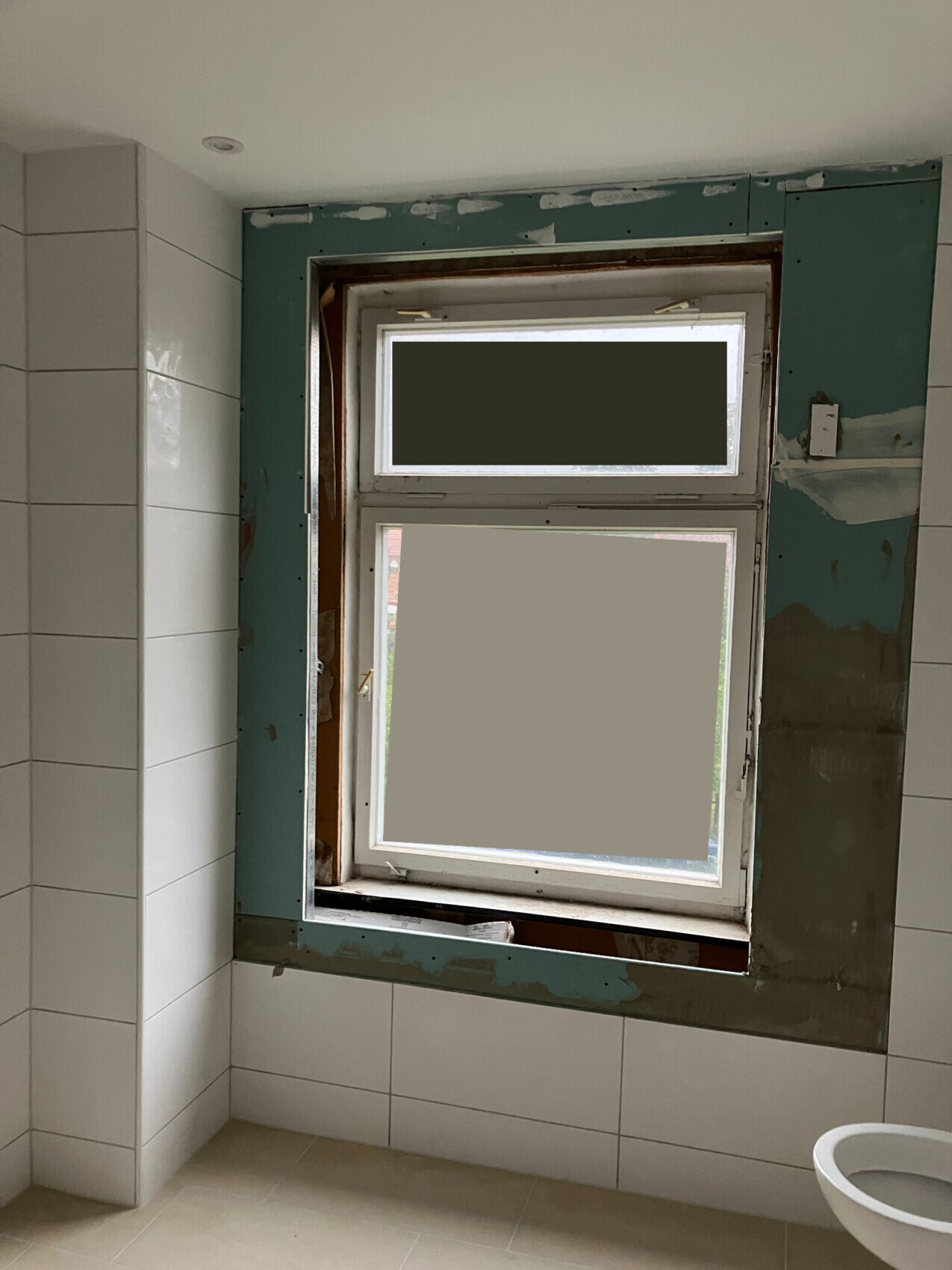
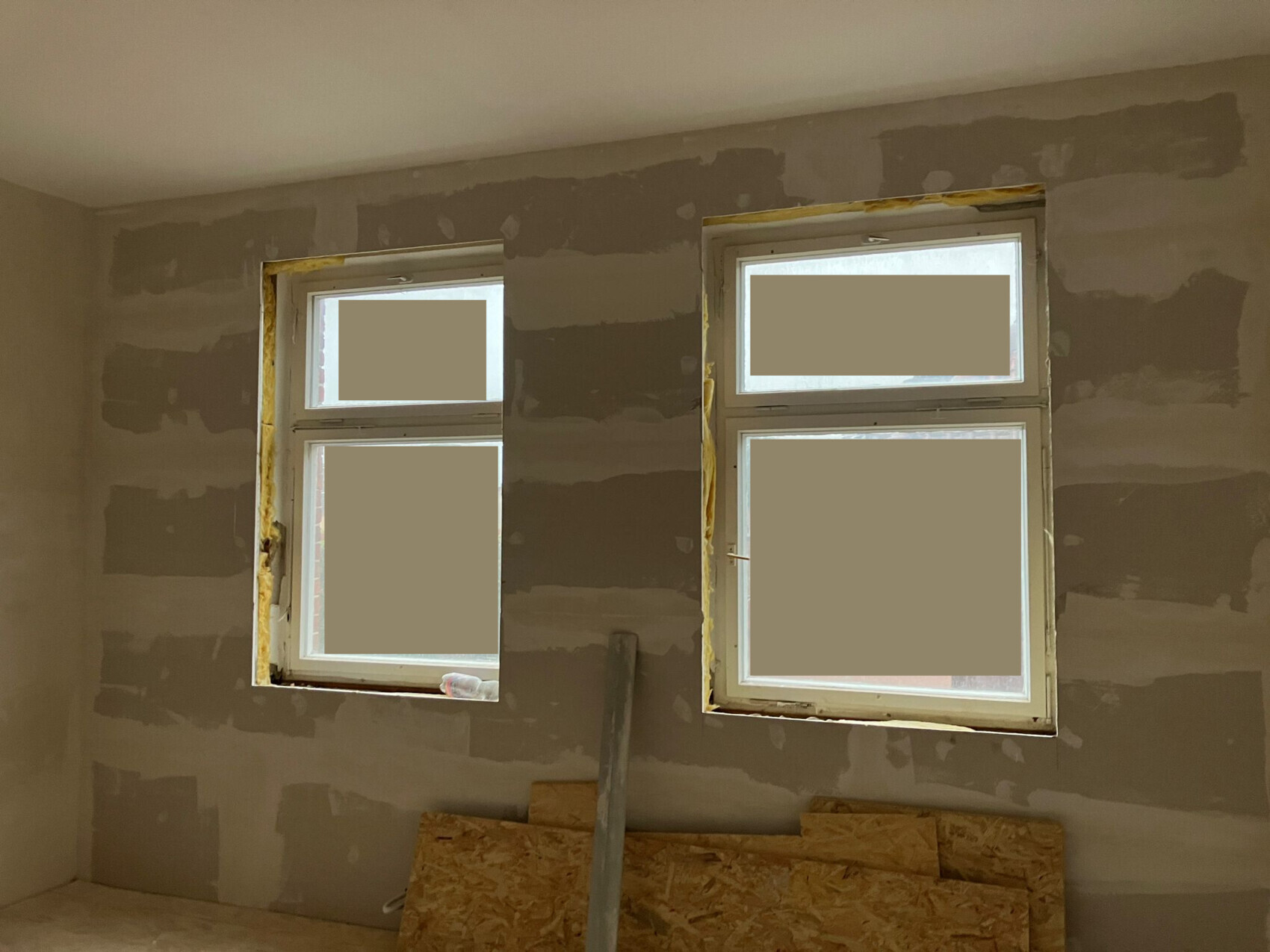
we are currently renovating a house. The old windows all have a top transom and also a tilt window at the top. The house is going to be rented out and will be divided into two apartments.
Questions:
- Is the transom in the window purely an aesthetic feature? Could you simply install one large window instead? (Cheaper) Dimensions vary from height: 1820 - 1600 millimeters (72 - 63 inches), width 1150 - 1080 millimeters (45 - 42 inches). Maybe these are just too large and a transom makes sense?
- If we want a transom: The old windows have a tilt window in the transom. You can tilt open the transom. Is it advisable to order the transom with a tilt function? I’m unsure if tenants will actually use or notice this. Could you just fix the transom in place and order the lower window with a tilt-and-turn function? (Cheaper)
I know everyone wants to save money, but there are quite a few windows, and in my opinion it is worth considering whether some features are really necessary. We don’t have an energy consultant or subsidies, etc. The house received its first insulation during this renovation. Previously it was only a brick wall. Now interior insulation has been added between a double wall.
Best regards
Rolltür
Benutzer207 schrieb:
And a large window without a transom (tilt-and-turn) is not an option? Yes, of course.
Benutzer207 schrieb:
Or does it just not look good aesthetically? Well, these aren’t windows with curves or fancy details.
I assume back then it was more practical for continuous ventilation. You didn’t have to save energy. The idea of quick cross-ventilation only became common knowledge with the internet 😉 And continuous ventilation is something landlords may want to prevent in rented warm apartments.
I would give you the “go ahead” for a casement unit if you’re waiting for that 🙂
Benutzer207 schrieb:
We do not have an energy consultant.Benutzer207 schrieb:
An internal insulation was installed afterwards between a double wall.Do you mean that a stud frame/slats/spacers were installed from the inside, filled with mineral wool, and then drywall panels were attached in front? This method is possible but technically challenging and prone to errors. Since it’s already installed, it’s essential to seal all penetrations and connections airtight and with a vapor retarder. Especially use only airtight sockets designed for this purpose and, besides simply plugging and screwing them in, seal around the mounting with acrylic or sealant. All edges at top and bottom should be sealed by the hopefully installed vapor retarder using appropriate sealing tape (not just baseboards). Internal insulation based on mineral wool combined with drywall is feasible but can backfire if too much indoor air and moisture reach behind it.
Benutzer207 schrieb:
And a large window without a transom (tilt-and-turn) is no option? Or does it simply not look good aesthetically? At the moment, with the transom and white plastic frame, it looks more like a 1960s building – a classroom or government office. I’m a fan of muntins. Simple windows without divisions always look like black holes from the outside.
I would choose a sash window, but break it up with applied muntins on both the inside and outside (NO muntins between the glass panes – that looks awful).
In terms of size, muntins arranged in a "T" shape would fit without making the window look cluttered. This is overall cheaper than a transom with a sash window and also easier to clean since you can open the whole sash inward.
Edit: I just rechecked the dimensions. At those sizes, you could also use double sashes with a mullion, which looks nicer than a single large window, and the sashes are narrower – so the hardware will be less stressed.
And I would suggest thinking differently, perhaps a fixed lower parapet element with a window sash in the upper third. This has the convenient advantage that decorative window elements can usually remain in place while ventilating. Additionally, the parapet height doesn’t appear too high, which can positively impact kitchen design since a countertop can be extended into the window reveal against the frame, providing at least 6 cm (2.4 inches) more working height.
Our window niches have a height of 160 cm (63 inches), the lower frame is about 7 cm (3 inches), and the bottom edge of the window sash is 48 cm (19 inches) above the windowsill.
The single-sash windows are about 95 cm (37 inches) wide and separated by applied muntins in the upper section. The window niches for the double-sash windows are just under 150 cm (59 inches) wide.
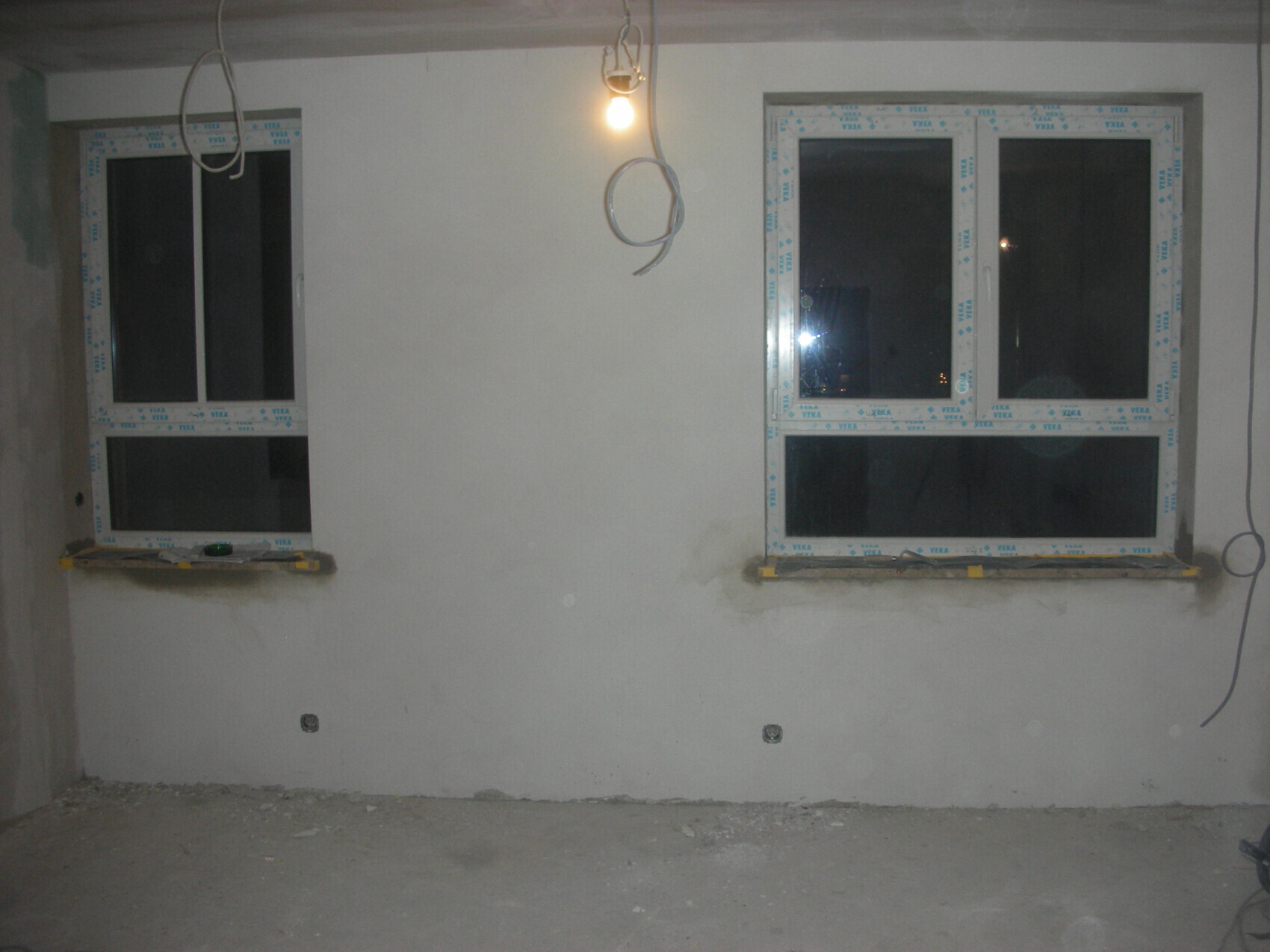
From the outside, it can look like this:
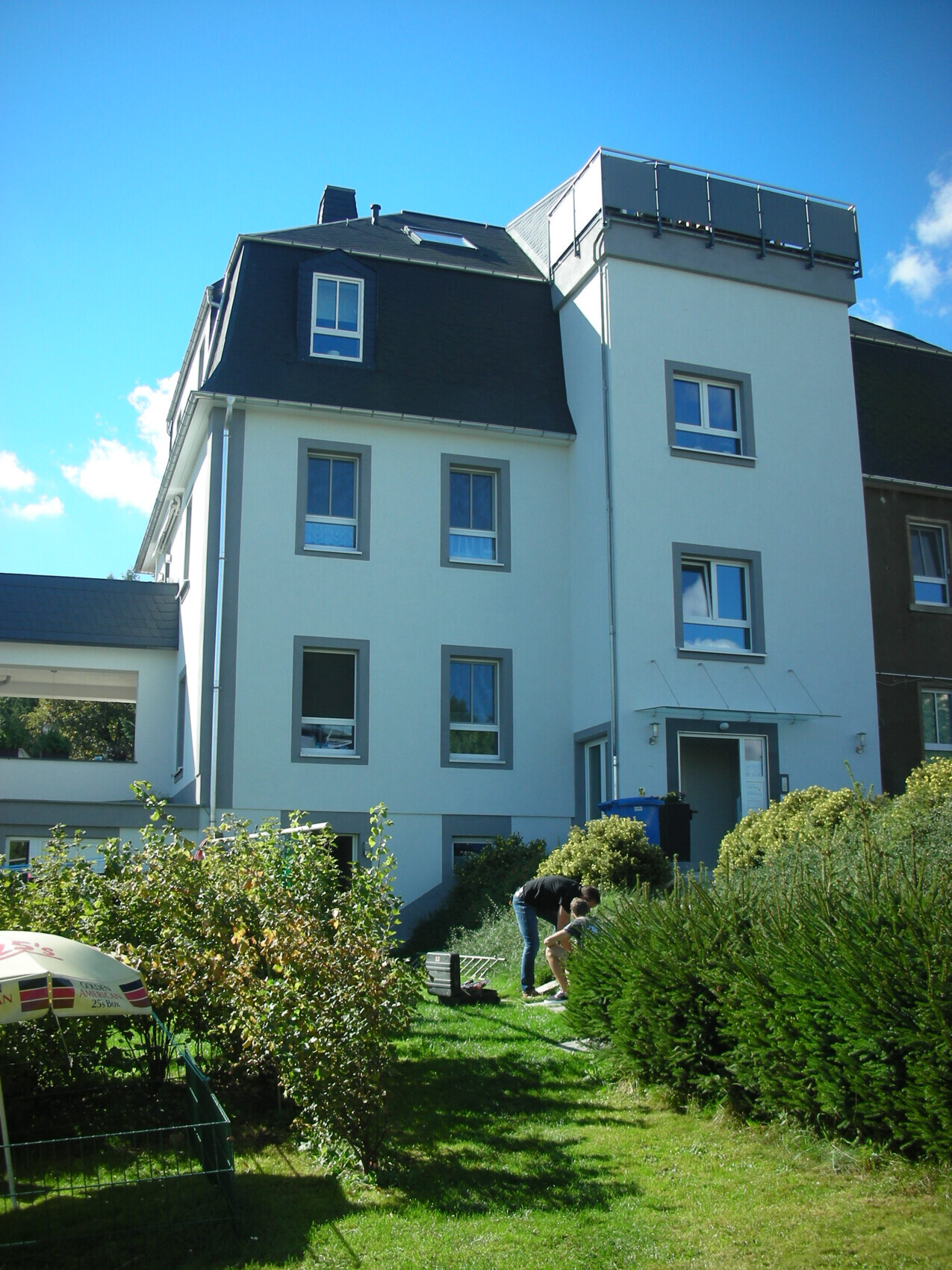
This also solves the issue of window cleaning.
Our window niches have a height of 160 cm (63 inches), the lower frame is about 7 cm (3 inches), and the bottom edge of the window sash is 48 cm (19 inches) above the windowsill.
The single-sash windows are about 95 cm (37 inches) wide and separated by applied muntins in the upper section. The window niches for the double-sash windows are just under 150 cm (59 inches) wide.
From the outside, it can look like this:
This also solves the issue of window cleaning.
Similar topics