
T
Tourer477815 May 2023 07:20Hello everyone, I recently had a new front door and windows installed in the entrance area. I received a window sill connection strip, and now I’m wondering, isn’t that a thermal bridge?
I have triple glazing and I believe the window frame is 88mm (3.5 inches) thick, and the narrow strip seems to compromise a lot of the insulation. Outside there is an aluminum window sill, and inside a granite window sill was installed in front of the strip.
I’m just asking out of curiosity, since I can’t make many changes at this point anyway.
I have triple glazing and I believe the window frame is 88mm (3.5 inches) thick, and the narrow strip seems to compromise a lot of the insulation. Outside there is an aluminum window sill, and inside a granite window sill was installed in front of the strip.
I’m just asking out of curiosity, since I can’t make many changes at this point anyway.
The connection profiles are a weak point that should be considered.
Monolithic masonry with an interior granite windowsill and exterior aluminum is the least favorable option.
In new constructions with external thermal insulation composite systems (ETICS), it is important to ensure that the insulation is not only applied within the reveals but also that appropriate wedges are used beneath the windowsill. This approach is also sensible for monolithic constructions without ETICS.
For existing buildings, exterior windowsills can be supplemented with insulation underneath, while on the interior side it is better to choose a wooden windowsill or a thin granite sill, which should also be insulated underneath with materials such as XPS (extruded polystyrene) or PU (polyurethane).
There are also some connection profiles made from PU with PE reinforcement that inherently provide high thermal protection, but most are simply PE ribbed elements.
Monolithic masonry with an interior granite windowsill and exterior aluminum is the least favorable option.
In new constructions with external thermal insulation composite systems (ETICS), it is important to ensure that the insulation is not only applied within the reveals but also that appropriate wedges are used beneath the windowsill. This approach is also sensible for monolithic constructions without ETICS.
For existing buildings, exterior windowsills can be supplemented with insulation underneath, while on the interior side it is better to choose a wooden windowsill or a thin granite sill, which should also be insulated underneath with materials such as XPS (extruded polystyrene) or PU (polyurethane).
There are also some connection profiles made from PU with PE reinforcement that inherently provide high thermal protection, but most are simply PE ribbed elements.
T
Tourer477815 May 2023 09:20Yes, I had a feeling about that. I think it’s a pity that nobody points this out. Selling a great window but ignoring the frame.
But I am also partly to blame for addressing it too late.
Thank you
But I am also partly to blame for addressing it too late.
Thank you
We installed our aluminum windows on so-called "warm window sills." This needs to be taken into account during the planning phase. The floor-to-ceiling windows also rest on specially designed Klinaryt bases. These provide much better insulation than common widespread profiles and can support very high loads (lift-and-slide door window 5000mm (197 inches) with over 550kg (1213 lbs)).
Attached is an example of a "warm window sill"
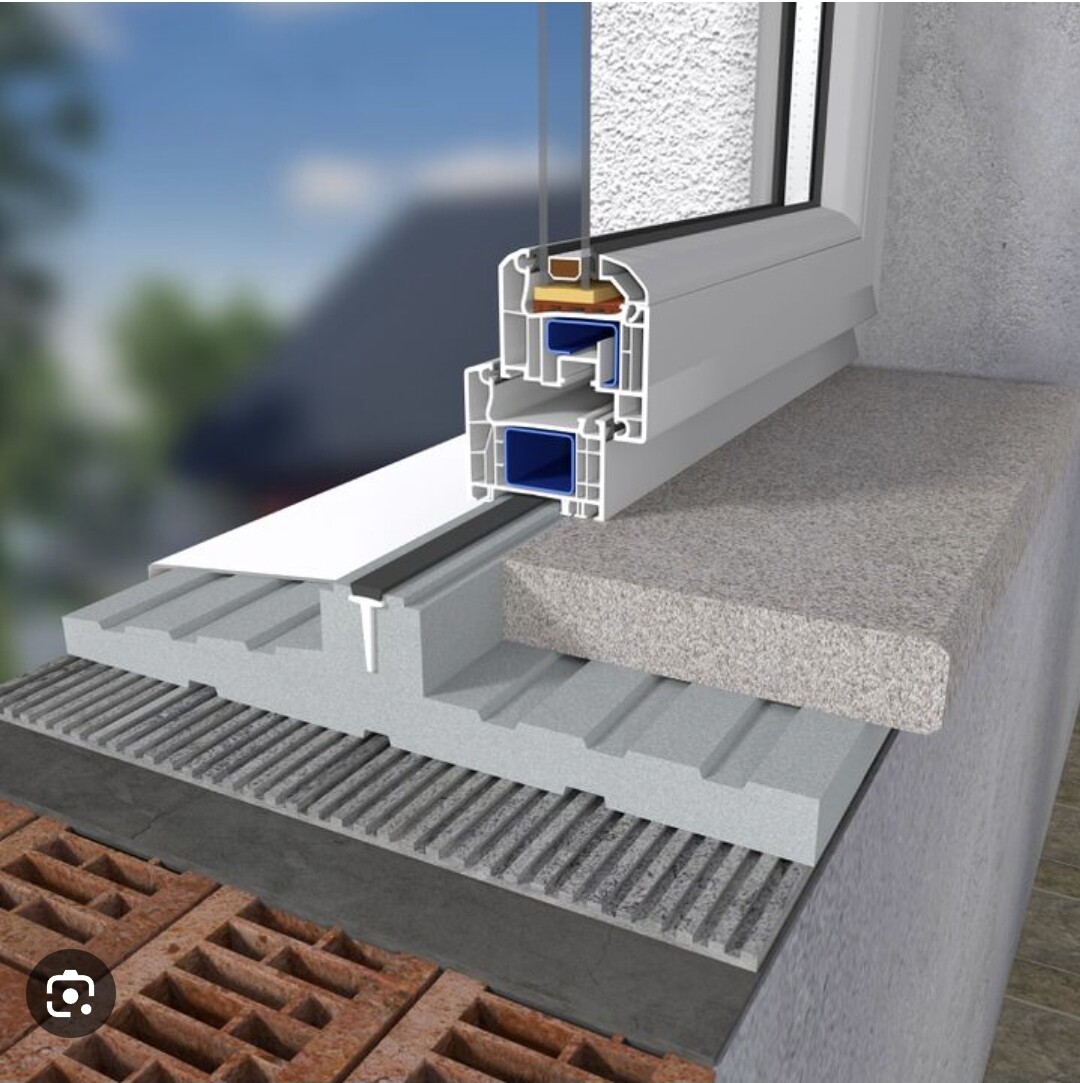
Attached is an example of a "warm window sill"
H
HoisleBauer2218 May 2023 21:46Kati2022 schrieb:
Klinaryt baseIf you google that, you only get Polish websites… Is there no German product like that? Or is it just something the Polish do? I’ve never heard of it before…By the way...
@12ant, as an expert, could you contribute something on this topic?
Why are warm window sills and floor connection profiles made of Purenit or Klinaryt so rare in this country? For example, in Poland, they are almost a standard. Do they have any disadvantages?
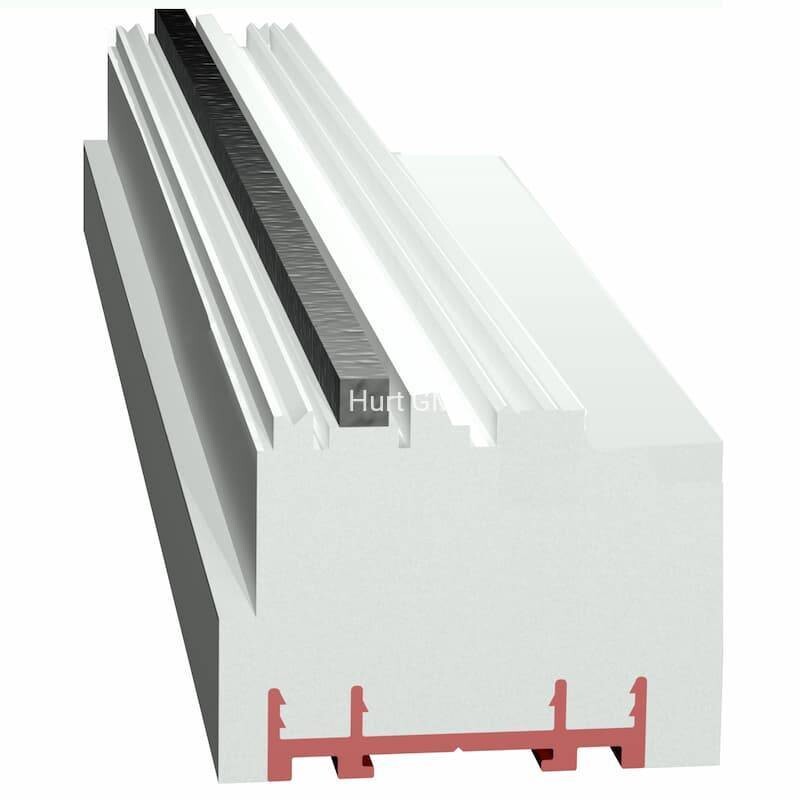
This is how our Klinaryt profiles look for floor-to-ceiling windows. Each window profile has a matching groove.

@12ant, as an expert, could you contribute something on this topic?
Why are warm window sills and floor connection profiles made of Purenit or Klinaryt so rare in this country? For example, in Poland, they are almost a standard. Do they have any disadvantages?
This is how our Klinaryt profiles look for floor-to-ceiling windows. Each window profile has a matching groove.
Similar topics