
Hello everyone,
The windows were installed by the window installer, and after I was somewhat surprised by the quality of the work, I had an inspector sent out who identified several defects.
Unfortunately, I only have a negative example from my construction site. So my question is: what does a proper airtight tape installation look like? The inspector said it should be sealed airtight on the inside reveal. Does that mean the tape runs continuously on each side and lies completely flat against the wall?
Here’s more or less what it looks like in my case:
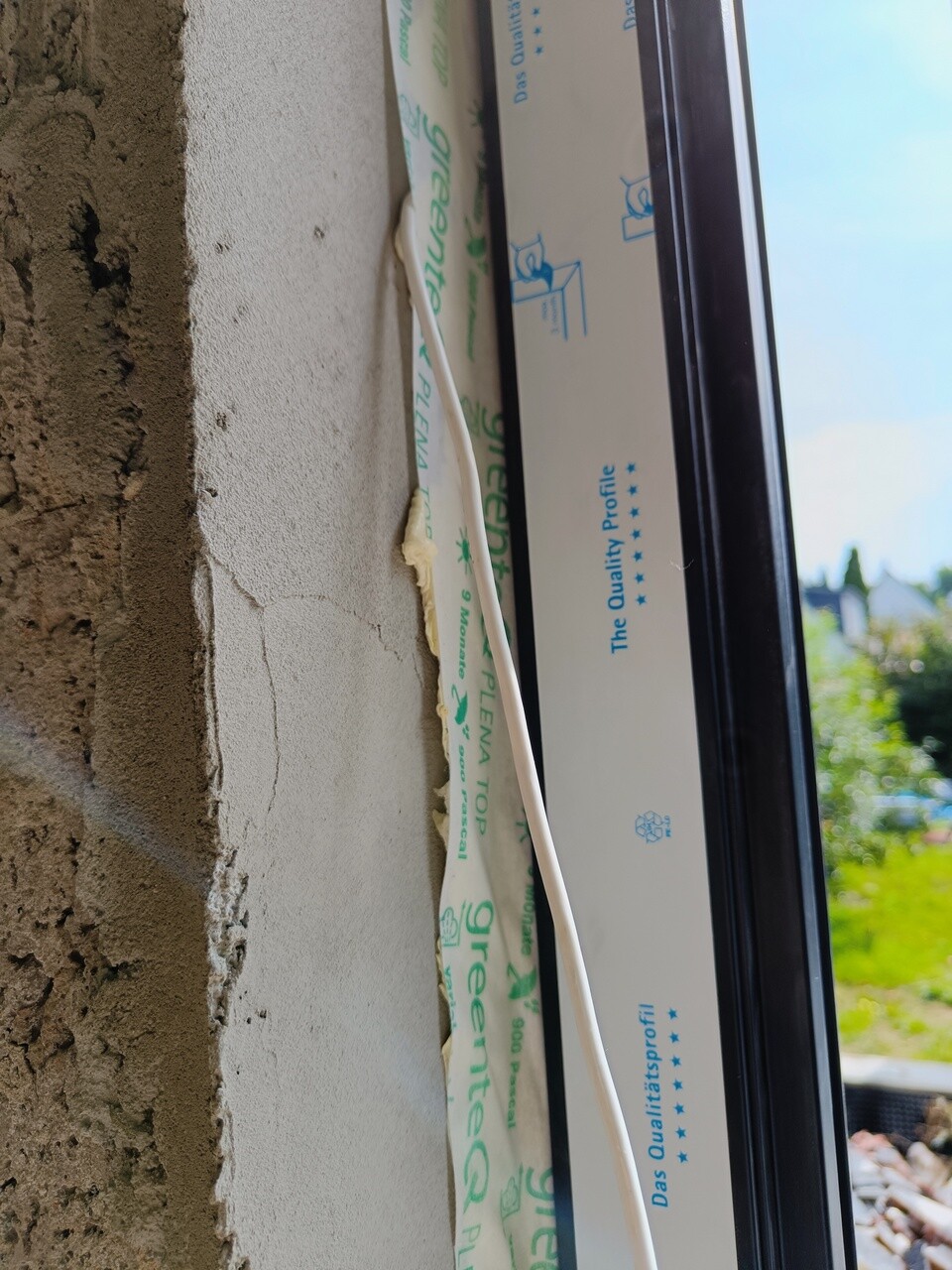
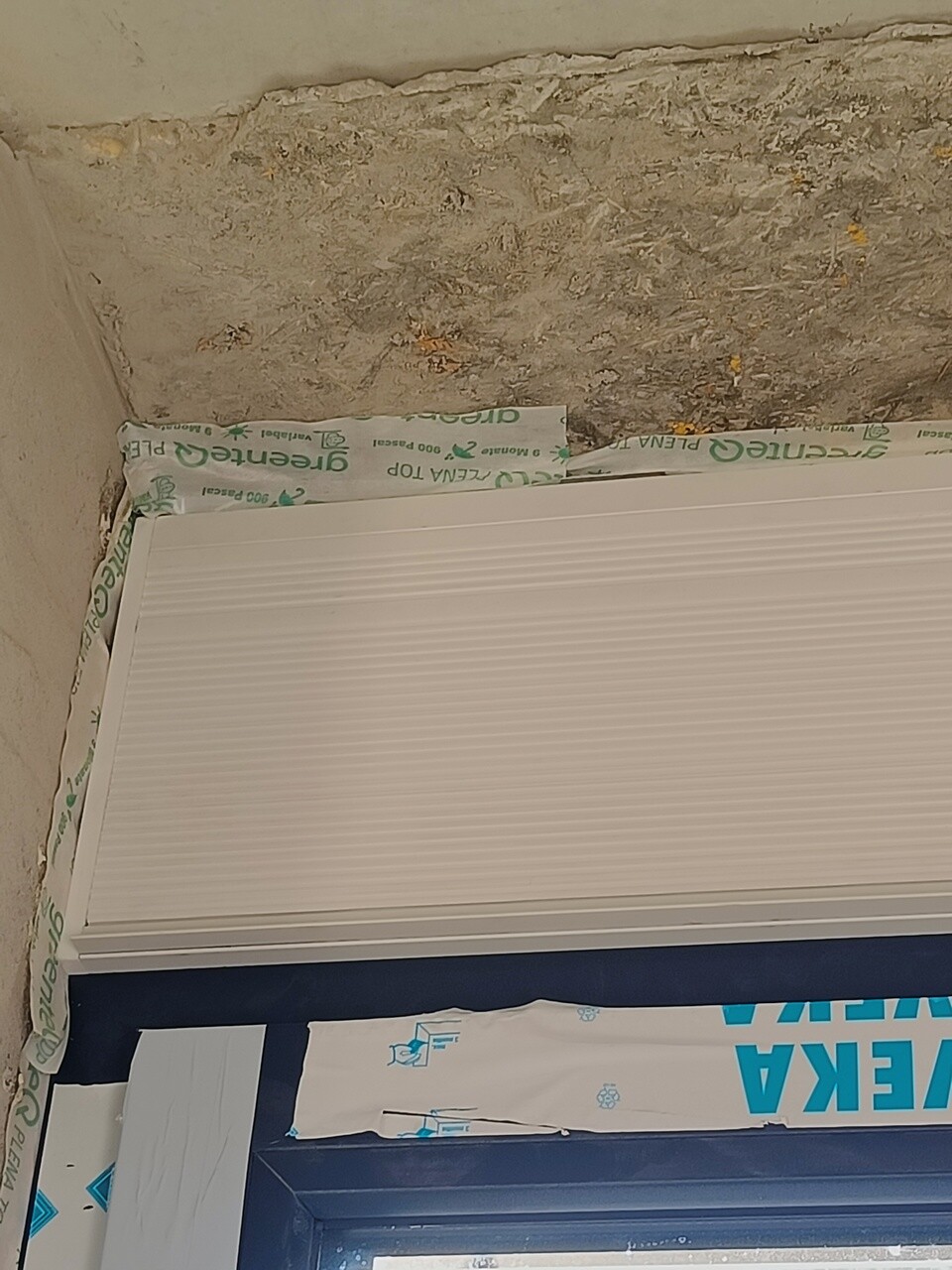
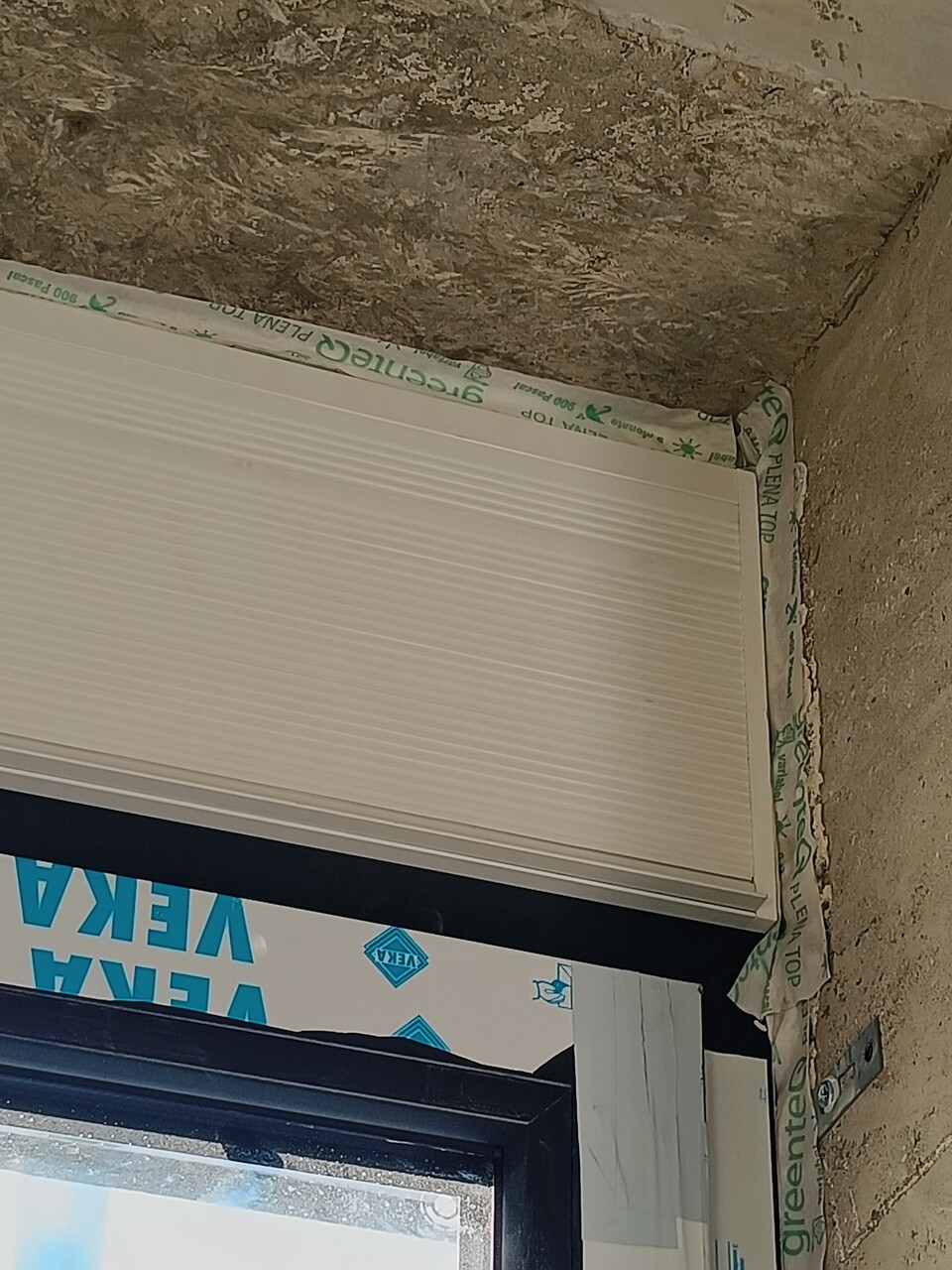
The good thing is that the installer understands that this is not acceptable. How to correct this without removing all the windows again (some were installed using a crane) is something we will try to clarify tomorrow on site. Would it be an option to add another overlapping layer of tape?
I would appreciate any advice.
The windows were installed by the window installer, and after I was somewhat surprised by the quality of the work, I had an inspector sent out who identified several defects.
Unfortunately, I only have a negative example from my construction site. So my question is: what does a proper airtight tape installation look like? The inspector said it should be sealed airtight on the inside reveal. Does that mean the tape runs continuously on each side and lies completely flat against the wall?
Here’s more or less what it looks like in my case:
The good thing is that the installer understands that this is not acceptable. How to correct this without removing all the windows again (some were installed using a crane) is something we will try to clarify tomorrow on site. Would it be an option to add another overlapping layer of tape?
I would appreciate any advice.
B
Buchsbaum7 Sep 2023 22:27Everything has been done correctly. It doesn’t look very neat visually right now, but it functions well.
There are self-adhesive sealing tapes that are also breathable. This tape seems to be more plastic-like. The adhesive was applied a bit too thickly on the wall. It does not appear to be self-adhesive. However, since this tape will be covered with plaster, it will be hidden underneath. If you want to apply another overlapping layer on top, the plasterer will probably get frustrated because the plaster won’t adhere properly.
Leave it as it is. Except for the transitions, you could do some touch-up work and cover the gaps with tape. Otherwise, leave it like this and coordinate with the plasterer. As mentioned, it already seals properly since it seems to be well adhered to the window frame.
There are self-adhesive sealing tapes that are also breathable. This tape seems to be more plastic-like. The adhesive was applied a bit too thickly on the wall. It does not appear to be self-adhesive. However, since this tape will be covered with plaster, it will be hidden underneath. If you want to apply another overlapping layer on top, the plasterer will probably get frustrated because the plaster won’t adhere properly.
Leave it as it is. Except for the transitions, you could do some touch-up work and cover the gaps with tape. Otherwise, leave it like this and coordinate with the plasterer. As mentioned, it already seals properly since it seems to be well adhered to the window frame.
X
xMisterDx7 Sep 2023 22:27I would say remove all the windows, apply new sealing tape to the frames, and then fully seal them to the masonry using the appropriate adhesive.
X
xMisterDx7 Sep 2023 22:29Buchsbaum schrieb:
Everything was done correctly. It doesn’t look very good visually now, but functionally it’s fine.
(...) With all due respect, anyone who calls this correct has clearly never seen professionally installed windows. This is a mess; the excessive use of expanding foam alone already shows that it is far from airtight.
Take a look at a video from Hornbach on YouTube about how to do this properly. THIS definitely does not look like the right result.
So the sealing tape is definitely self-adhesive. What is oozing out there is excess expanding foam. This was also criticized by the building inspector.
I think the segmented application of the tape at the top part of the windows is because the windows were probably installed first and then the cover boxes, for whatever reason.
I am quite sure that the window installer will not agree to a complete replacement of (almost) all the windows. What would be an acceptable repair? Removing the sealing tape from the reveal, removing the excess foam, and then either reattaching the tape with adhesive or applying another layer of tape on top?
I think the segmented application of the tape at the top part of the windows is because the windows were probably installed first and then the cover boxes, for whatever reason.
I am quite sure that the window installer will not agree to a complete replacement of (almost) all the windows. What would be an acceptable repair? Removing the sealing tape from the reveal, removing the excess foam, and then either reattaching the tape with adhesive or applying another layer of tape on top?
X
xMisterDx7 Sep 2023 23:30You have an inspector. Why are you paying for that if you have to ask for proper corrective measures in an online forum?
This is how I understand it:
You stick the sealing tape onto the frame, there it is self-adhesive. Then a thick bead of adhesive, for example from Illbruck, is applied to the reveal, and the sealing tape is pressed into it. If you have ever held a cartridge like that, you can tell by the nozzle that a substantial amount of adhesive needs to be applied; this has nothing to do with the 3mm (1/8 inch) gaps familiar from silicone.
Masonry is not a perfectly smooth surface, so how could self-adhesive tape ever be airtight there? At best, it might compensate for 0.1mm (0.004 inches), if that.
Foam has no place there.
This is how I understand it:
You stick the sealing tape onto the frame, there it is self-adhesive. Then a thick bead of adhesive, for example from Illbruck, is applied to the reveal, and the sealing tape is pressed into it. If you have ever held a cartridge like that, you can tell by the nozzle that a substantial amount of adhesive needs to be applied; this has nothing to do with the 3mm (1/8 inch) gaps familiar from silicone.
Masonry is not a perfectly smooth surface, so how could self-adhesive tape ever be airtight there? At best, it might compensate for 0.1mm (0.004 inches), if that.
Foam has no place there.
Similar topics