
ᐅ White tank transition/joint between concrete slab partially unfilled
Created on: 21 Aug 2016 19:00
H
HugGisHello everyone,
In our terraced house, which is being built by a developer, it seems that the concrete was not properly poured when filling the concrete shells, so you can see the reinforcement as well as the joint sealing tape. This is visible once along about 2.5 meters (8 feet) and once over approximately 40 cm (16 inches). I have attached a few pictures to help illustrate the situation. The green layer of algae currently indicates the groundwater level.
The proposed solution is apparently to fill the gap from the outside and then apply a waterproof membrane over the joint. However, I am now wondering if this is the correct approach, or if there is no concrete at the bottom, then where exactly is it within the wall? What alternative repair options exist? The pit is scheduled to be backfilled within the next three weeks. How would you proceed from here to ensure protection against potential consequential damage, etc.?
Thank you very much for your advice!
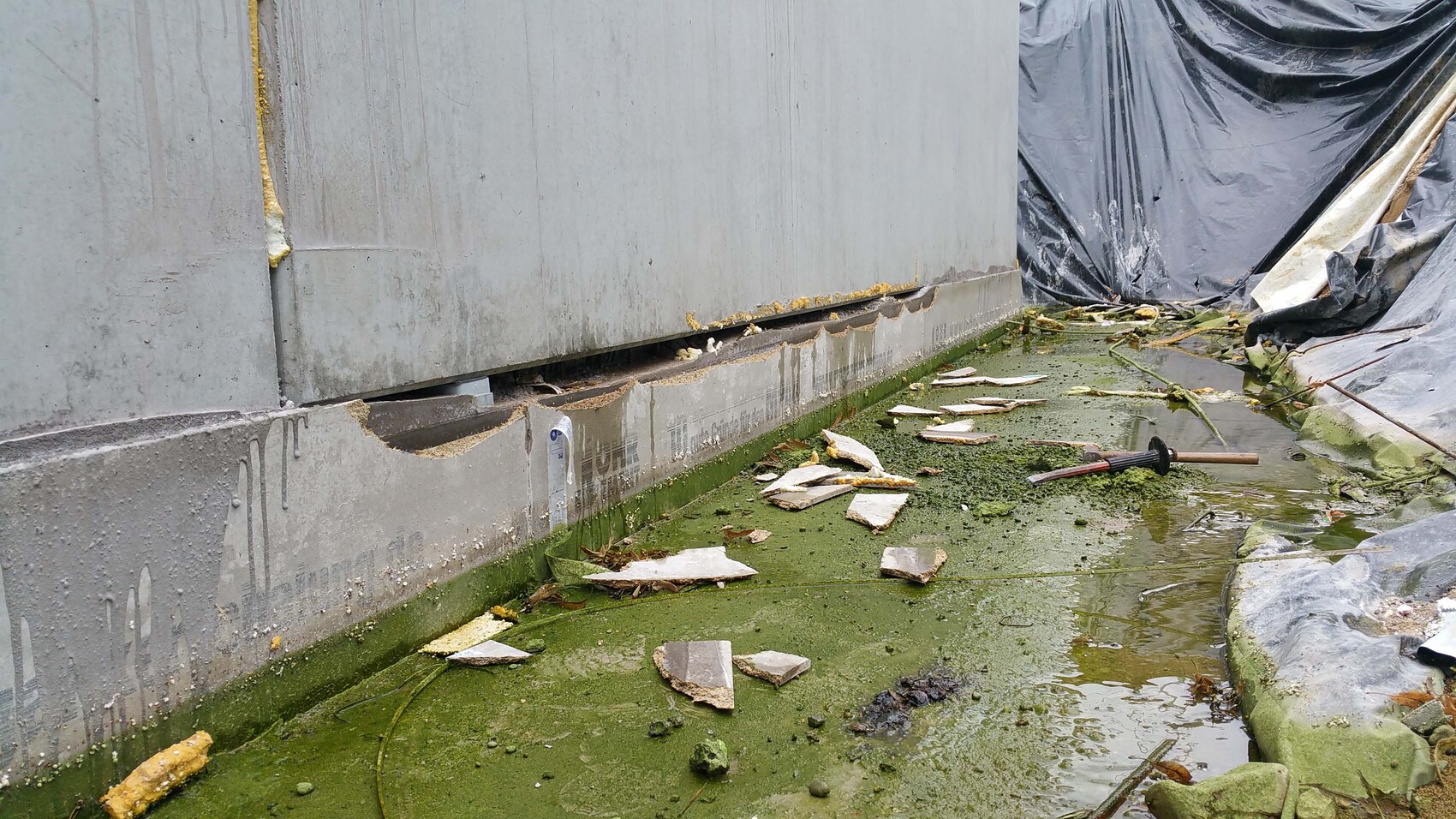
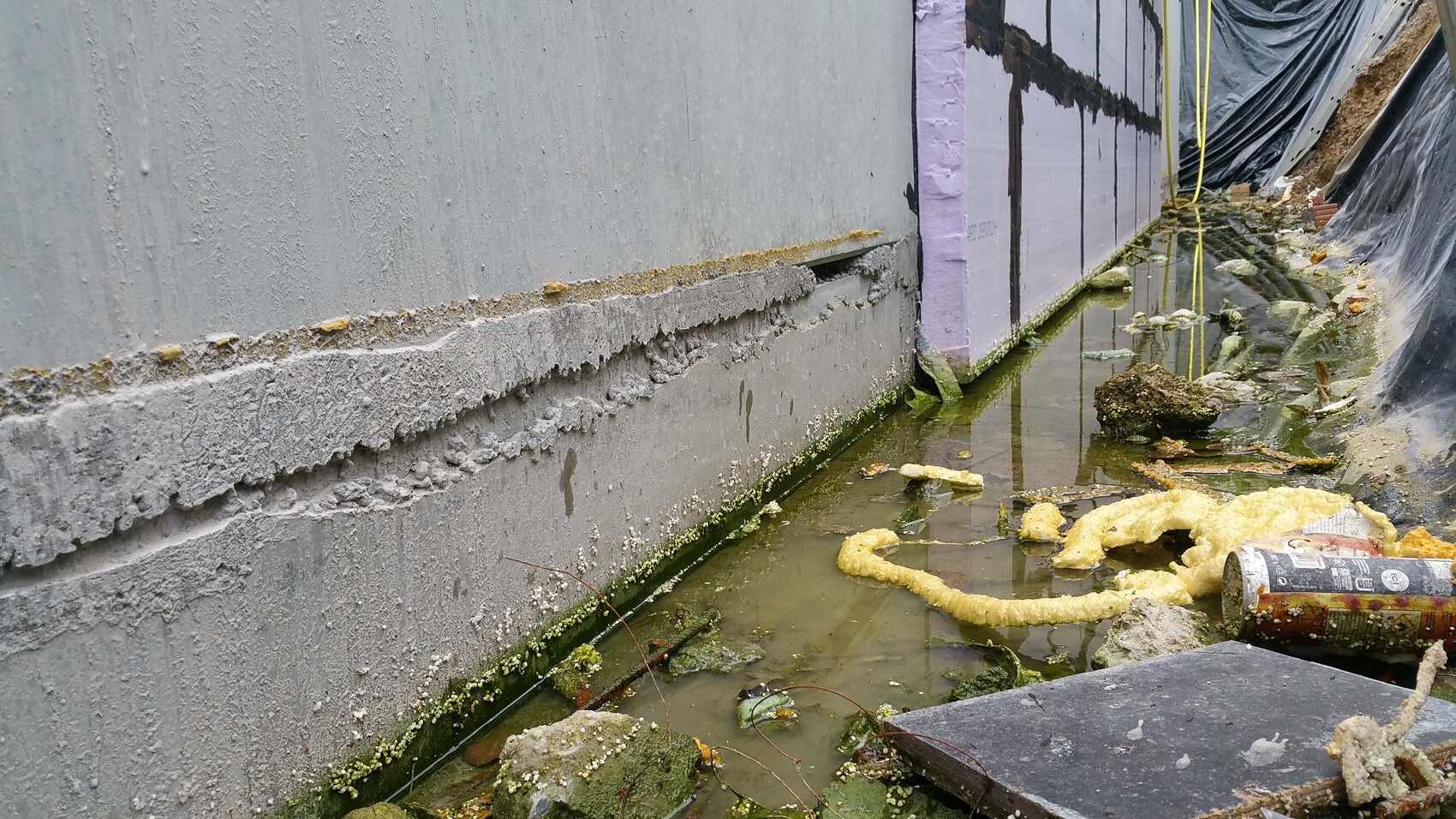
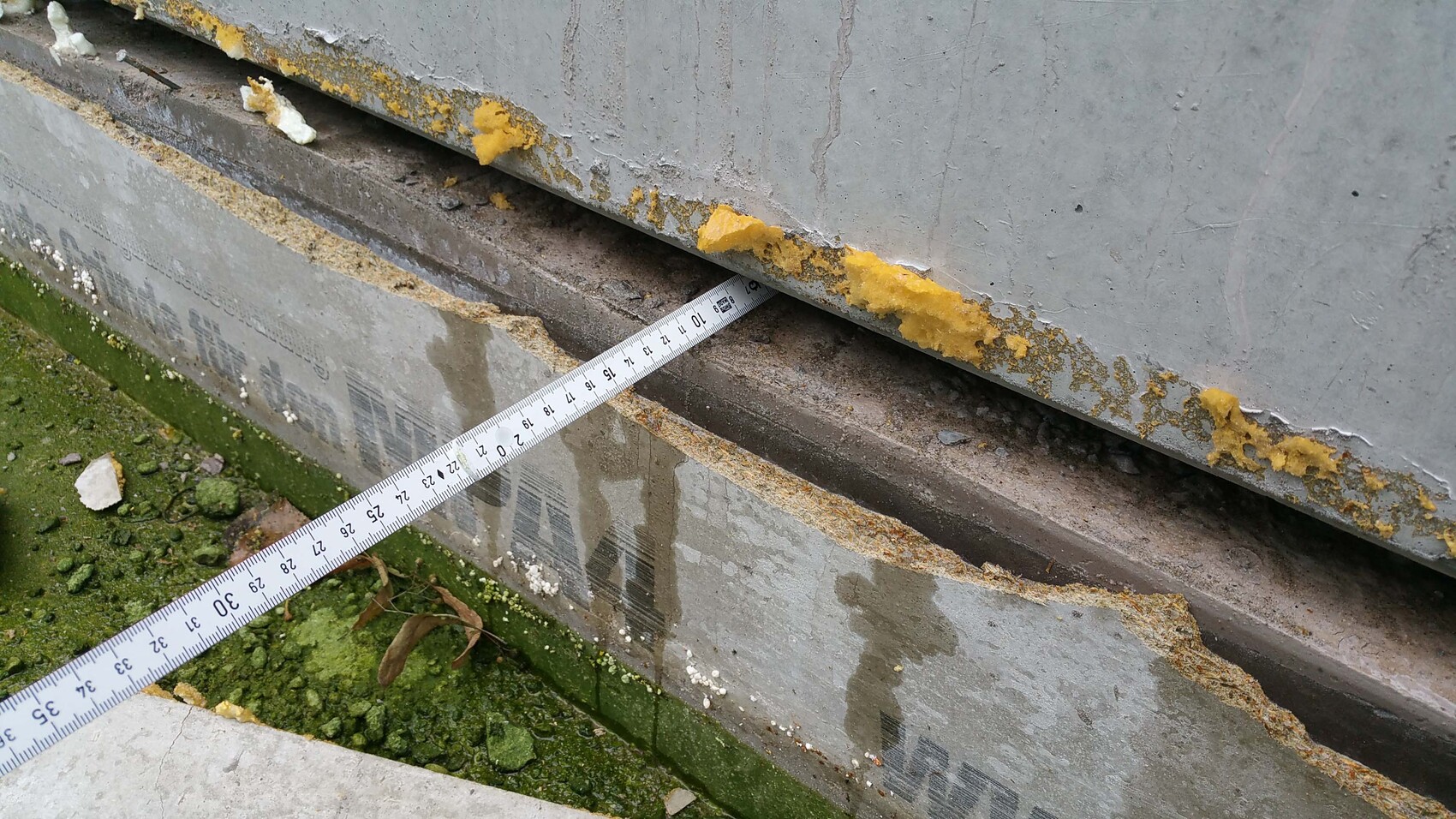
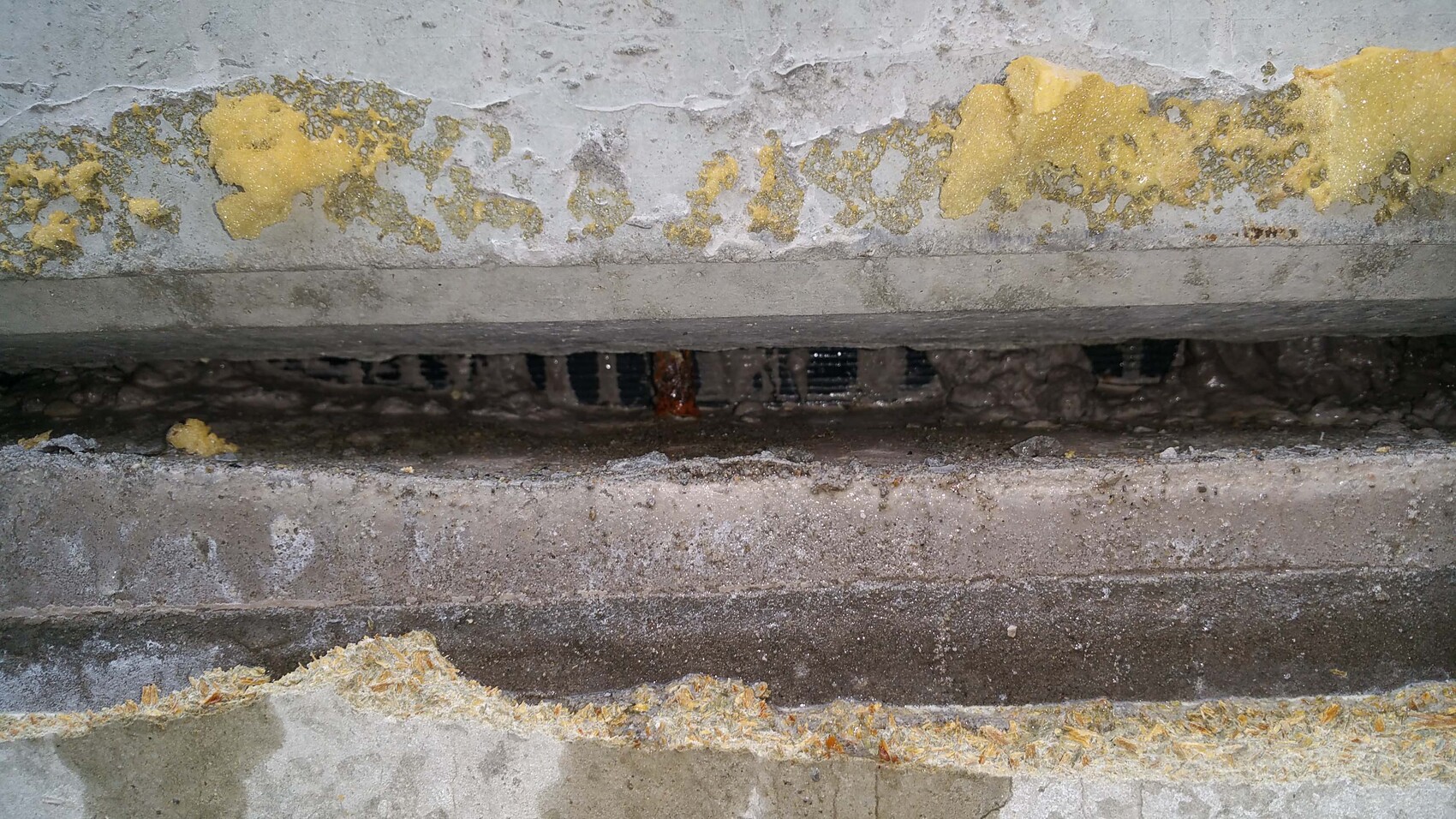
In our terraced house, which is being built by a developer, it seems that the concrete was not properly poured when filling the concrete shells, so you can see the reinforcement as well as the joint sealing tape. This is visible once along about 2.5 meters (8 feet) and once over approximately 40 cm (16 inches). I have attached a few pictures to help illustrate the situation. The green layer of algae currently indicates the groundwater level.
The proposed solution is apparently to fill the gap from the outside and then apply a waterproof membrane over the joint. However, I am now wondering if this is the correct approach, or if there is no concrete at the bottom, then where exactly is it within the wall? What alternative repair options exist? The pit is scheduled to be backfilled within the next three weeks. How would you proceed from here to ensure protection against potential consequential damage, etc.?
Thank you very much for your advice!
All I can say is: have a specialist in this field (an expert) advise you whether this is acceptable or will work. In my opinion, it looks bad; if there is already water on the sealing tape, it will definitely leak through.
And it would also rust away if it’s not completely watertight above it.
Sent from mobile
And it would also rust away if it’s not completely watertight above it.
Sent from mobile
D
Doc.Schnaggls22 Aug 2016 14:33Hello,
I completely agree with @Saruss on this!
A concrete construction expert should take a look and assess the situation.
These are precast concrete walls that were poured on site, right?
If nothing has reached the bottom yet, I would also have it checked whether the walls themselves are properly filled...
In my amateur opinion, the concrete might not have been adequately vibrated—or what is the term for the process where a vibrating needle is inserted into the freshly poured walls?
Could it be that the installed insulation boards (picture 2) are already absorbing moisture, or is it just surface-level algae deposits along the bottom edge?
You should definitely be willing to spend "a few dollars" on an expert here—the follow-up costs for a damp basement are certainly much higher...
Best regards,
D
I completely agree with @Saruss on this!
A concrete construction expert should take a look and assess the situation.
These are precast concrete walls that were poured on site, right?
If nothing has reached the bottom yet, I would also have it checked whether the walls themselves are properly filled...
In my amateur opinion, the concrete might not have been adequately vibrated—or what is the term for the process where a vibrating needle is inserted into the freshly poured walls?
Could it be that the installed insulation boards (picture 2) are already absorbing moisture, or is it just surface-level algae deposits along the bottom edge?
You should definitely be willing to spend "a few dollars" on an expert here—the follow-up costs for a damp basement are certainly much higher...
Best regards,
D
Hello,
with a waterproof concrete basement shell ("white tank"), the concrete must be poured continuously without joints. In addition, a metal upstand at least 10cm (4 inches) high (so-called waterstop profiles) must be installed between the floor slab and the wall to create a watertight connection at the joint surface between the floor slab and the wall (construction joint).
From what I can see, this is not the case in your situation. In my opinion, this clearly calls for an expert assessment and possibly a construction stop to prevent potentially more costly demolition later on.
with a waterproof concrete basement shell ("white tank"), the concrete must be poured continuously without joints. In addition, a metal upstand at least 10cm (4 inches) high (so-called waterstop profiles) must be installed between the floor slab and the wall to create a watertight connection at the joint surface between the floor slab and the wall (construction joint).
From what I can see, this is not the case in your situation. In my opinion, this clearly calls for an expert assessment and possibly a construction stop to prevent potentially more costly demolition later on.
Similar topics