
ᐅ What type of flooring is this? Are there any harmful substances present?
Created on: 9 Jul 2023 21:27
R
robinadarR
robinadar9 Jul 2023 21:27Hello dear community,
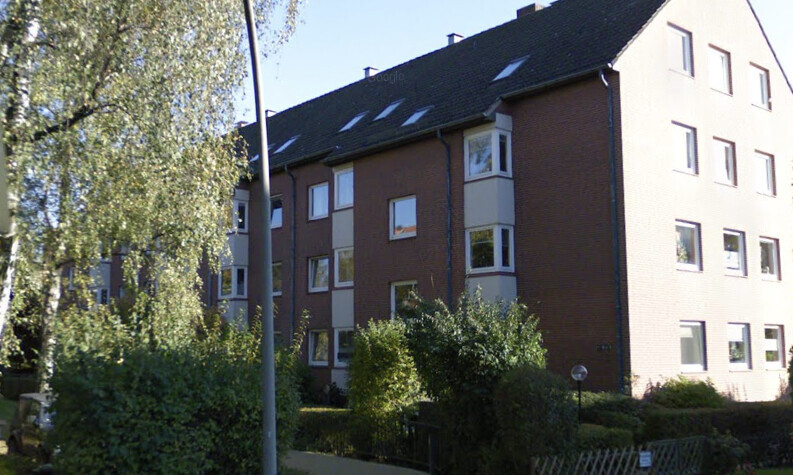
A friend of mine has found an apartment. The building might date back to the 1970s. The apartment is located in the attic.
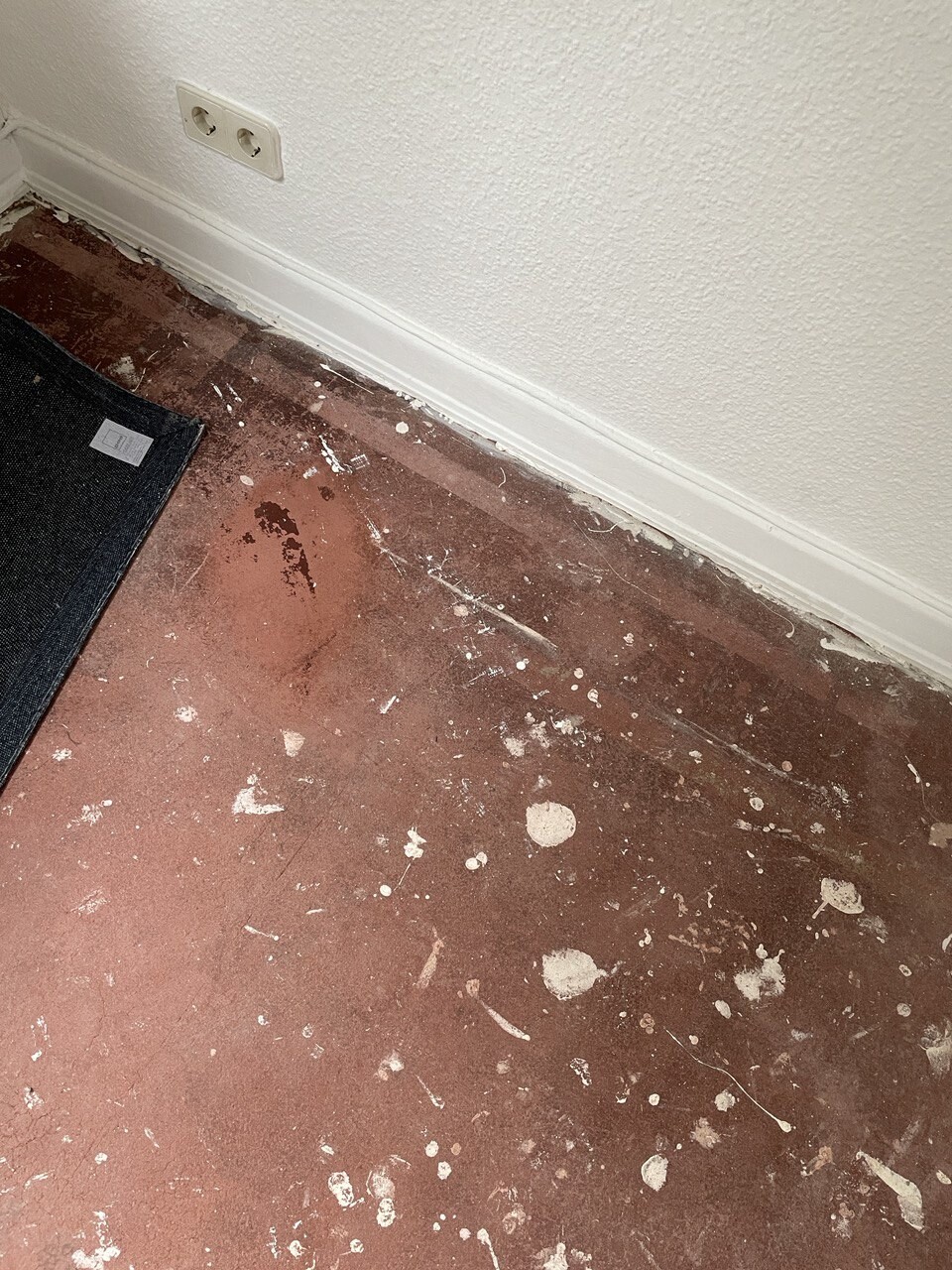
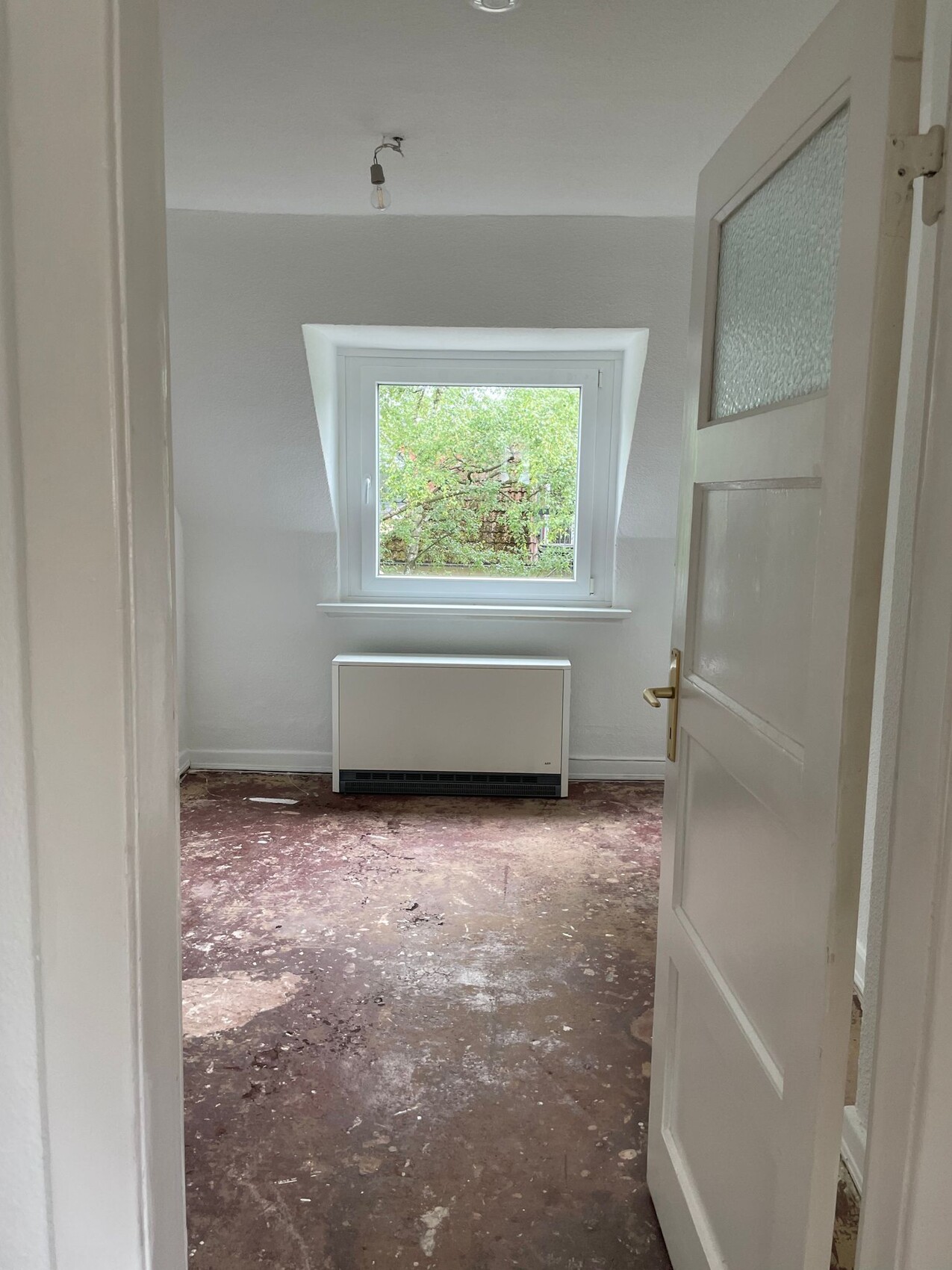
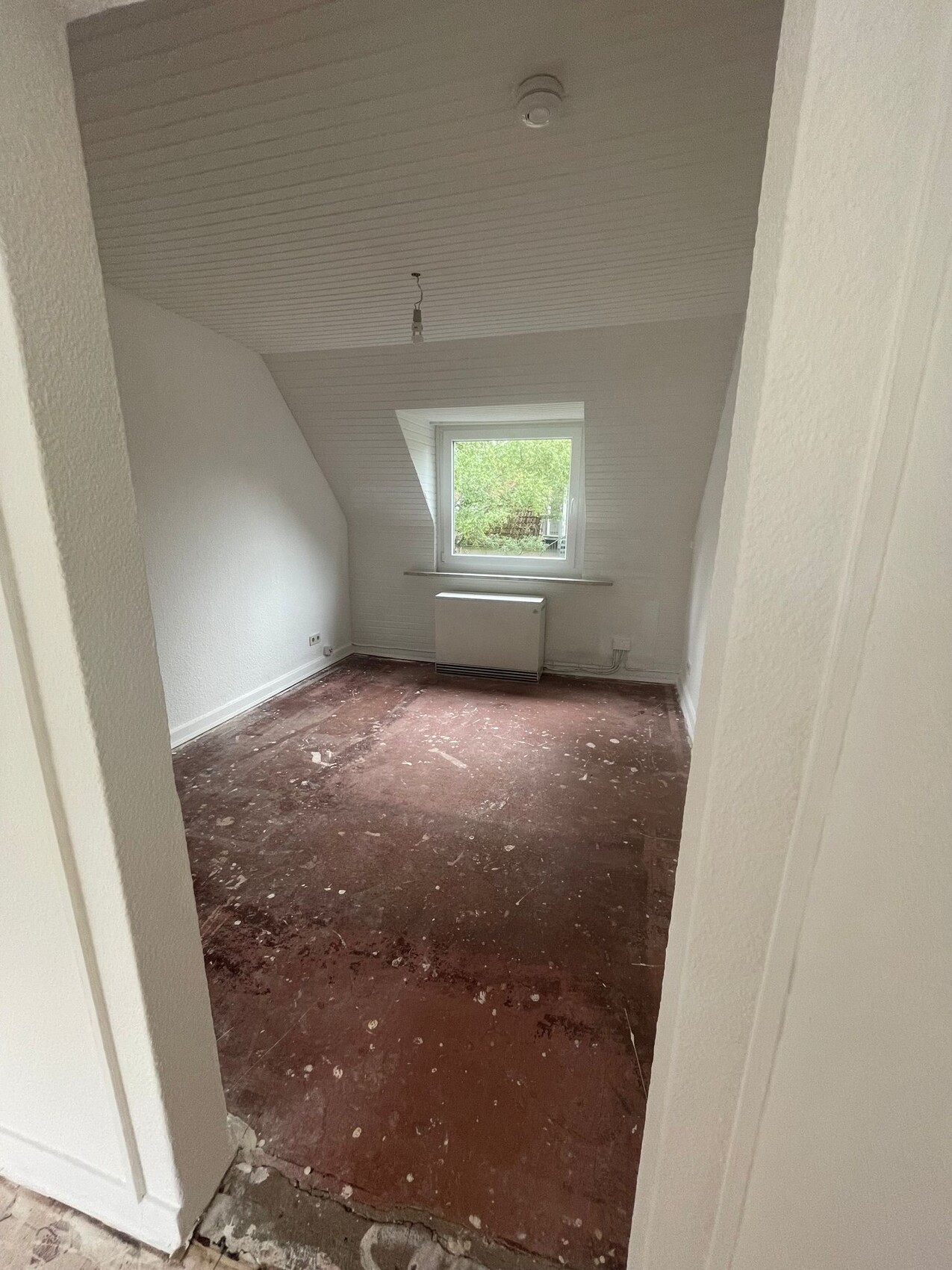
However, the apartment was handed over without a finished floor. Inside, there is only this red stone floor. It is quite dusty. When it gets wet, it stains heavily and takes longer to dry. What kind of floor is this? Is it screed? The floor is not dangerous, is it?
My friend has considered leaving the floor as is for the look and using rugs on top. How could the floor be treated easily and cost-effectively so that it doesn’t stain as much? Preferably something non-destructive since it is not a condominium.

Kind regards and many thanks!
A friend of mine has found an apartment. The building might date back to the 1970s. The apartment is located in the attic.
However, the apartment was handed over without a finished floor. Inside, there is only this red stone floor. It is quite dusty. When it gets wet, it stains heavily and takes longer to dry. What kind of floor is this? Is it screed? The floor is not dangerous, is it?
My friend has considered leaving the floor as is for the look and using rugs on top. How could the floor be treated easily and cost-effectively so that it doesn’t stain as much? Preferably something non-destructive since it is not a condominium.
Kind regards and many thanks!
B
Buchsbaum9 Jul 2023 22:30I would say it’s old linoleum. The house is probably from the 1950s. The flooring is weathered, and the plasticizers have worn out.
It’s not dangerous. If it were my property, I would remove it, but since it’s not, I’d leave it as is and put something on top.
It is likely glued to the screed and rather difficult to remove. The adhesive residue will probably need to be sanded off. No one really wants to do that job.
It’s not dangerous. If it were my property, I would remove it, but since it’s not, I’d leave it as is and put something on top.
It is likely glued to the screed and rather difficult to remove. The adhesive residue will probably need to be sanded off. No one really wants to do that job.
R
robinadar10 Jul 2023 00:00Buchsbaum schrieb:
I would say it’s old linoleum. The house is probably from the 1950s. The floor covering is just weathered; the plasticizers have evaporated.
It’s not dangerous. If it were my property, I would remove it; otherwise, leave it in place and put something over it.
It’s certainly glued to the screed and likely difficult to remove. The adhesive residue would probably need to be sanded off. Nobody really wants to do that kind of work. Hmm… it does look quite pebbly. But yes, maybe if the plasticizers are gone. Could it be sealed somehow in a simple way?

I think it will probably be a cement-based screed with wood aggregate. Be aware that those from the 1950s to 1970s could contain asbestos. It’s best to take a sample and have it analyzed.
Linoleum does not contain plasticizers.
As a tenant, I would just lay laminate flooring over it. Even if there is asbestos, as long as you don’t break or drill it, nothing will be released.
Linoleum does not contain plasticizers.
As a tenant, I would just lay laminate flooring over it. Even if there is asbestos, as long as you don’t break or drill it, nothing will be released.
B
Buchsbaum10 Jul 2023 10:31It is probably not linoleum, but rather a PVC flooring. In everyday language, people often refer to it as linoleum.
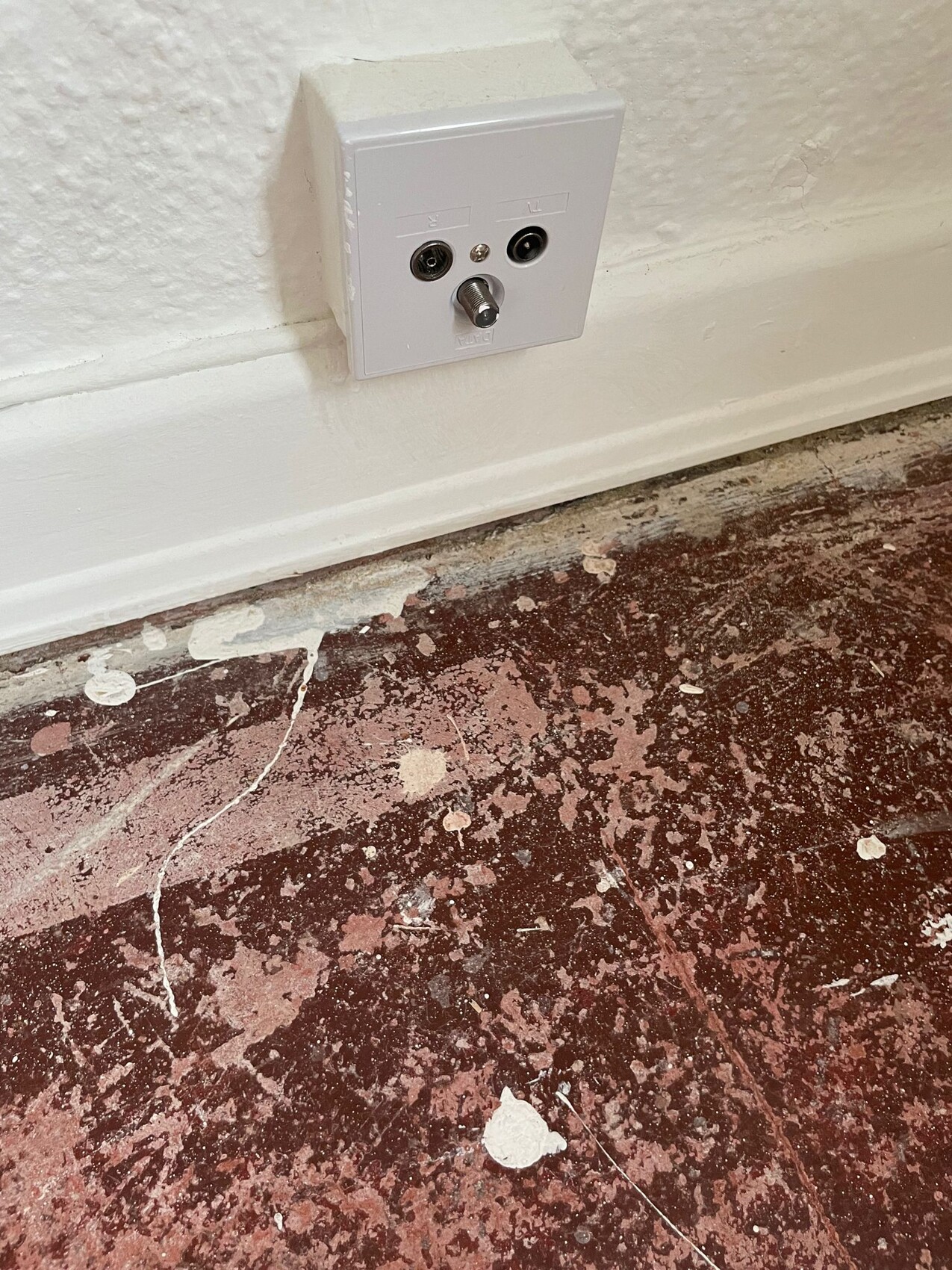
In picture 2, the one with the antenna outlet, you can see a straight weld seam, which indicates a PVC covering. It was welded by hand or machine using hot air with a welding bead. This method is still used today. Anyway, when the plasticizers have evaporated, the surface starts to degrade, becoming sticky or wearing off.
In picture 2, the one with the antenna outlet, you can see a straight weld seam, which indicates a PVC covering. It was welded by hand or machine using hot air with a welding bead. This method is still used today. Anyway, when the plasticizers have evaporated, the surface starts to degrade, becoming sticky or wearing off.
I haven’t heard of anyone referring to PVC flooring as linoleum. It’s more likely that someone doesn’t know the difference or assumes it’s linoleum when it’s actually PVC.
I wouldn’t follow your interpretation of the picture. The “weld seam” doesn’t even run all the way to the wall and, in my opinion, looks more like a groove or a scratch. Even if it did continue, it could be an expansion joint, which you would expect to find in screed.
The last image looks to me like screed. PVC usually appears as tiles or sheets.
Anyway, it’s hard to tell from a distance, and even PVC from that period could contain asbestos. Therefore, the original poster (or their girlfriend) should either simply cover it with something and add an extra PE (polyethylene) sheet under the final floor covering or, if renovating, send a sample to a testing laboratory beforehand.
I wouldn’t follow your interpretation of the picture. The “weld seam” doesn’t even run all the way to the wall and, in my opinion, looks more like a groove or a scratch. Even if it did continue, it could be an expansion joint, which you would expect to find in screed.
The last image looks to me like screed. PVC usually appears as tiles or sheets.
Anyway, it’s hard to tell from a distance, and even PVC from that period could contain asbestos. Therefore, the original poster (or their girlfriend) should either simply cover it with something and add an extra PE (polyethylene) sheet under the final floor covering or, if renovating, send a sample to a testing laboratory beforehand.
Similar topics