
ᐅ Wall Opening/Demolition of a Non-Load-Bearing Wall – What to Consider?
Created on: 11 Mar 2016 12:07
K
KailiesHello everyone,
We would like to completely remove a non-load-bearing wall (which has been checked by a structural engineer) between the living room and the kitchen, see the picture.
The following preparations have been made: a container for debris has been arranged, masks and other protective gear are available, plastic sheeting for covering has been obtained, and a Hilti rotary hammer, sledgehammer, hammer, and chisel are ready for use.
My question is whether we as non-professionals can just start hammering away, or is there anything in particular to watch out for (especially at the sides and ceiling)? A lintel shouldn't be necessary for a non-load-bearing wall, right? We will turn off the power beforehand since there are still outlets and light switches in the wall.
Maybe someone here has already removed a wall and has some tips for us?
Thank you in advance!
Kailies
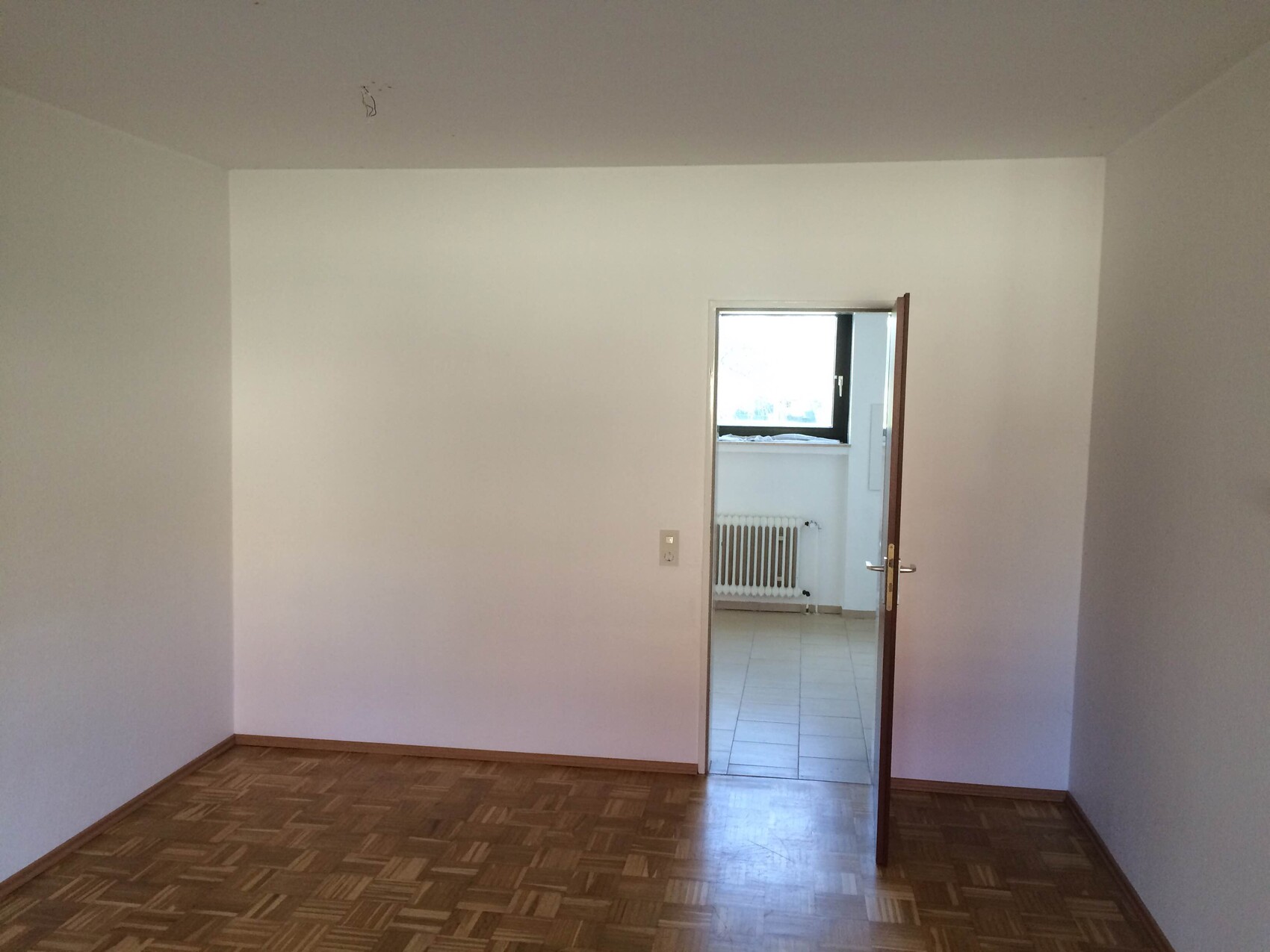
We would like to completely remove a non-load-bearing wall (which has been checked by a structural engineer) between the living room and the kitchen, see the picture.
The following preparations have been made: a container for debris has been arranged, masks and other protective gear are available, plastic sheeting for covering has been obtained, and a Hilti rotary hammer, sledgehammer, hammer, and chisel are ready for use.
My question is whether we as non-professionals can just start hammering away, or is there anything in particular to watch out for (especially at the sides and ceiling)? A lintel shouldn't be necessary for a non-load-bearing wall, right? We will turn off the power beforehand since there are still outlets and light switches in the wall.
Maybe someone here has already removed a wall and has some tips for us?
Thank you in advance!
Kailies

Hello
If the wall is non-load-bearing and also not bracing,
I would completely cut through the connections with a cut and break method to avoid damage to
the walls that will remain in place.
Then proceed as planned with the large hammer.
Olli
Oh yes..... You should know in advance what is planned for the existing floor and act accordingly.
If the wall is non-load-bearing and also not bracing,
I would completely cut through the connections with a cut and break method to avoid damage to
the walls that will remain in place.
Then proceed as planned with the large hammer.
Olli
Oh yes..... You should know in advance what is planned for the existing floor and act accordingly.
Hello and thank you for the responses.
Since there is currently no "Cut n Break" tool available, we will first remove the inside of the wall using the mentioned tools. We will need to get additional tools for the transitions.
The tiles in the kitchen will be removed, and the parquet flooring will be taken out to a depth of 1 meter (3.3 feet). However, we have carefully covered the parquet again using boards, cardboard, and OSB panels. An industrial vacuum cleaner is ready to help reduce the dust somewhat.
I will upload a photo once we are done...
Best regards
Since there is currently no "Cut n Break" tool available, we will first remove the inside of the wall using the mentioned tools. We will need to get additional tools for the transitions.
The tiles in the kitchen will be removed, and the parquet flooring will be taken out to a depth of 1 meter (3.3 feet). However, we have carefully covered the parquet again using boards, cardboard, and OSB panels. An industrial vacuum cleaner is ready to help reduce the dust somewhat.
I will upload a photo once we are done...
Best regards
Similar topics