
Hello everyone,
I’m posting this topic here because I’m not sure where else to put it.
We built with Suckfüll. We have a basement with an external door and a garage also with an external door.
Currently, the connection is sealed only with insulation covered by a bituminous thick coating.
How should I proceed with this?
Should I put a metal flashing over it, just some kind of drip edge, or go straight for a stone angle?
Will that also be watertight?
Who would do this for me?
Can I do it myself?
To help explain, I’ve attached some pictures.
Thank you very much for your answers.
Best regards,
Albtail (Volker)
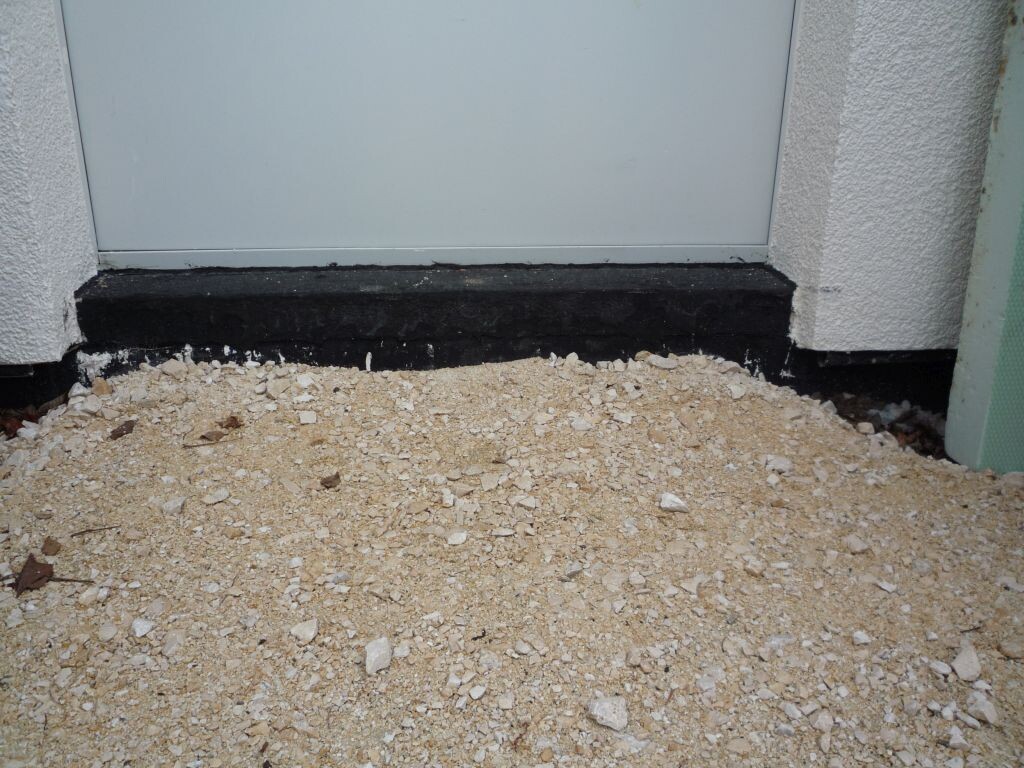
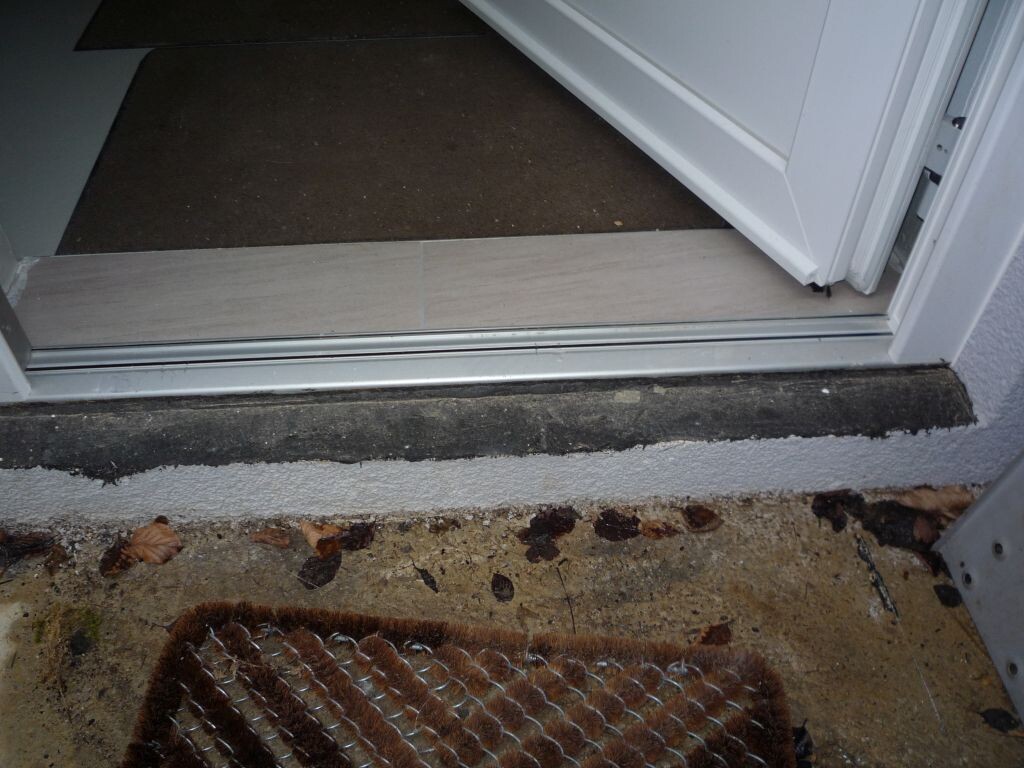
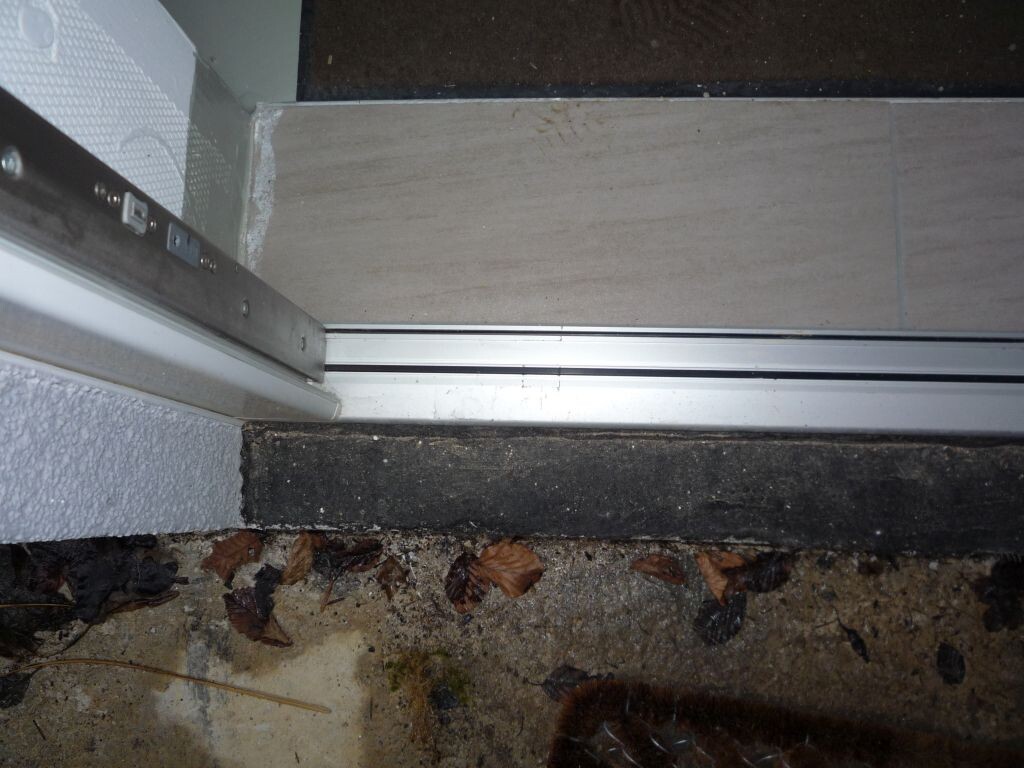
I’m posting this topic here because I’m not sure where else to put it.
We built with Suckfüll. We have a basement with an external door and a garage also with an external door.
Currently, the connection is sealed only with insulation covered by a bituminous thick coating.
How should I proceed with this?
Should I put a metal flashing over it, just some kind of drip edge, or go straight for a stone angle?
Will that also be watertight?
Who would do this for me?
Can I do it myself?
To help explain, I’ve attached some pictures.
Thank you very much for your answers.
Best regards,
Albtail (Volker)
S
Sebastian7911 Apr 2016 12:00Nothing is sealed at all because it was just smeared on afterwards!
In the basement entrance, it might not matter if it is covered and protected from the weather – but the front door appears to be at ground level without a step. We also didn’t seal anything in the garage – that doesn’t bother me either since there is paving there...
You need to use sealing tapes (e.g., EPDM) to connect to the frame – but before applying the plaster! Otherwise, the entire assembly will get water behind it...
In the basement entrance, it might not matter if it is covered and protected from the weather – but the front door appears to be at ground level without a step. We also didn’t seal anything in the garage – that doesn’t bother me either since there is paving there...
You need to use sealing tapes (e.g., EPDM) to connect to the frame – but before applying the plaster! Otherwise, the entire assembly will get water behind it...
S
Sebastian7911 Apr 2016 14:11Normally, this is done by the roofer.
For the basement entrance in our case, I skipped it because there is a garage above.
The door is installed first, then the sealing tape is applied from the door profile to the connection between the masonry/concrete, where it is bonded to the existing waterproofing.
Only after that is the plaster or similar applied – which is often done incorrectly in many brick buildings and with floor-to-ceiling windows.
For the basement entrance in our case, I skipped it because there is a garage above.
The door is installed first, then the sealing tape is applied from the door profile to the connection between the masonry/concrete, where it is bonded to the existing waterproofing.
Only after that is the plaster or similar applied – which is often done incorrectly in many brick buildings and with floor-to-ceiling windows.
Similar topics