
ᐅ Excess Moisture in a Single-Family Home After Installing the Screed? Risk of Mold?
Created on: 1 Jan 2022 18:33
D
Der_Hansi1968
Hello dear forum members,
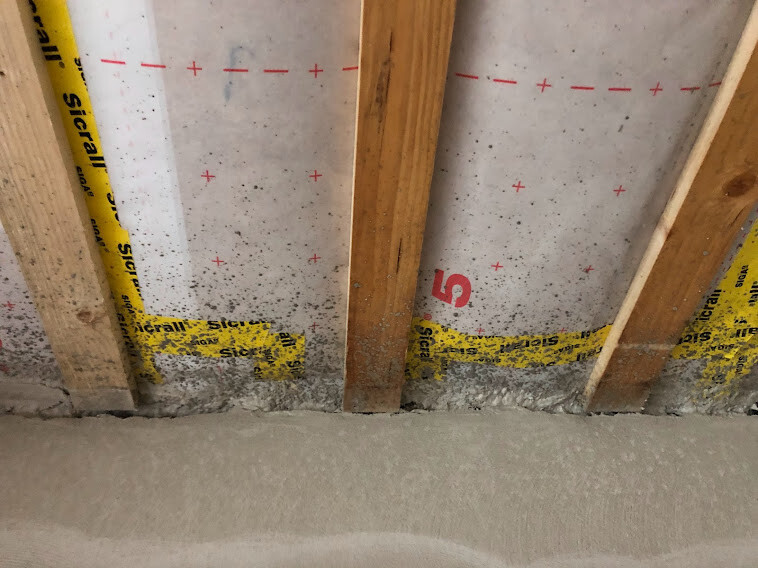
On December 13th/14th, the screed was installed in our detached house/KfW55/controlled ventilation/gas heating/1.5 stories/185sqm (1990 sqft). We have been ventilating as instructed until today. When I took a closer look today, I unfortunately noticed that
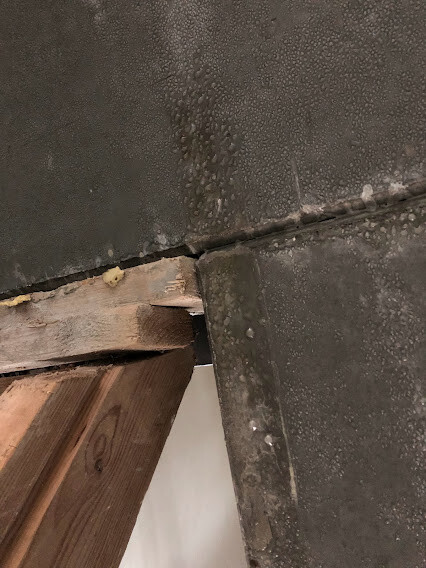
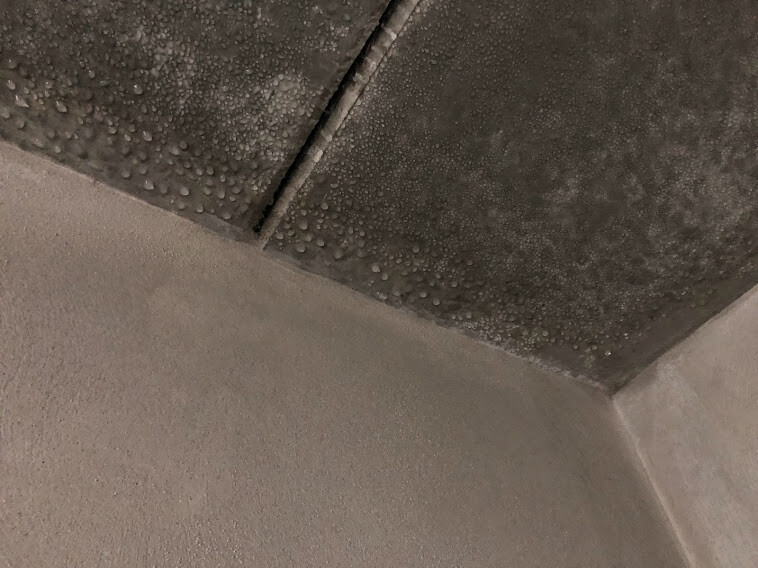
- there are water droplets on the ceiling of the ground floor at some spots,
- some wooden rafters are slowly absorbing moisture again,
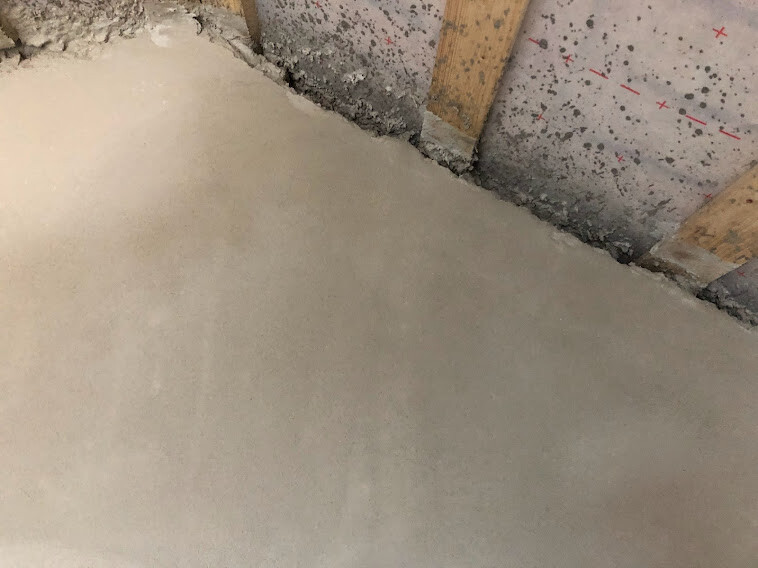
- quite a few already dry wall surfaces appear wet or damp again, and
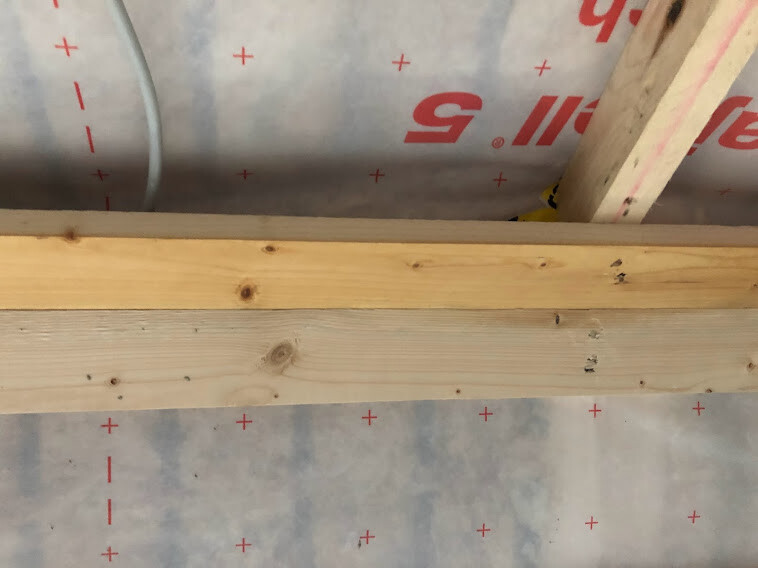
- the foil in the upper floor/attic is damp in most places.
The hygrometer has shown humidity levels between 85-95% in recent days, especially higher in the attic, of course.
On January 10th, the gas heating will be connected to start drying the screed. So far, we have not used any construction dryers or similar equipment.
Questions:
1.) Is this amount of moisture in the house normal at this stage of construction and at this time of year?
2.) If not, in your opinion, is there already a risk of mold? Or is it more likely that after the heating phase by the end of January everything will dry out and be resolved?
3.) Would you recommend setting up construction dryers temporarily as an additional measure?
I am a layperson and have no idea if this is "normal" or if we are heading toward a serious mold problem. My builder won’t be back from vacation until next week, and I want to be prepared with your assessments/comments. Otherwise, all the moisture might be sealed behind drywall quickly, and we could face big problems later. Attached are some photos. By the way, my builder is really great and very cooperative, but as mentioned not currently available.
Thank you for your input and Happy New Year 2022!

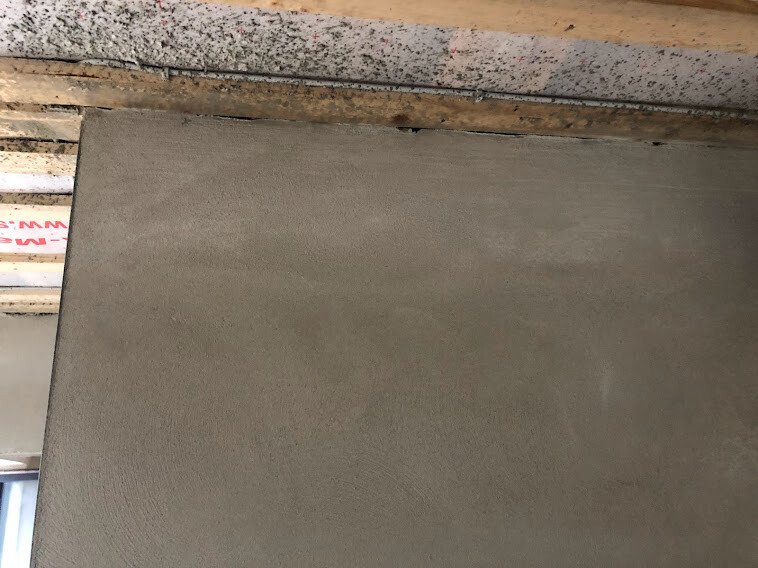
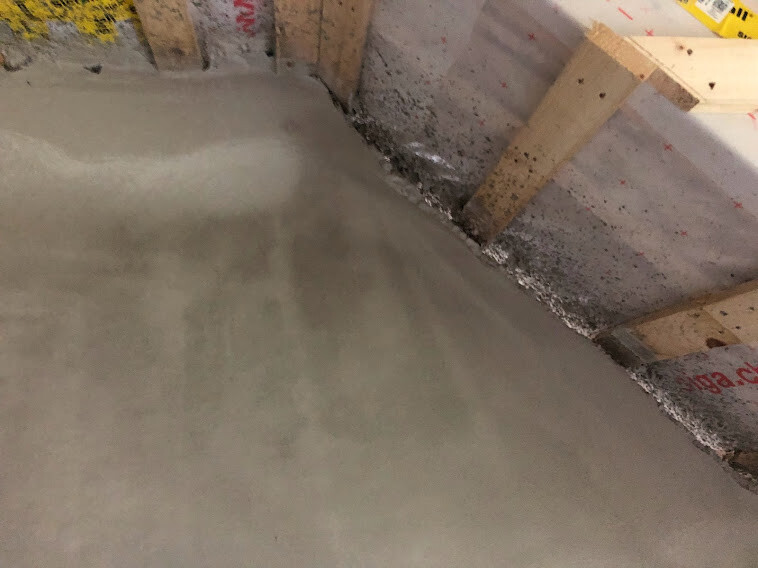
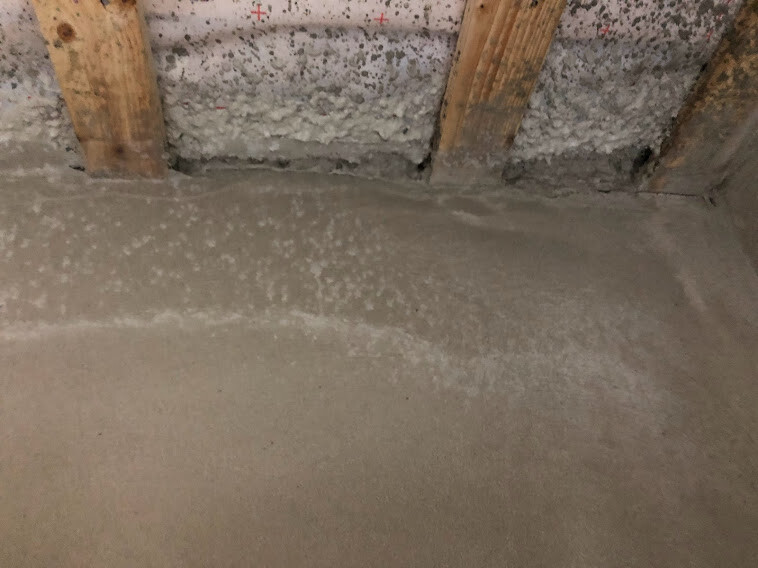
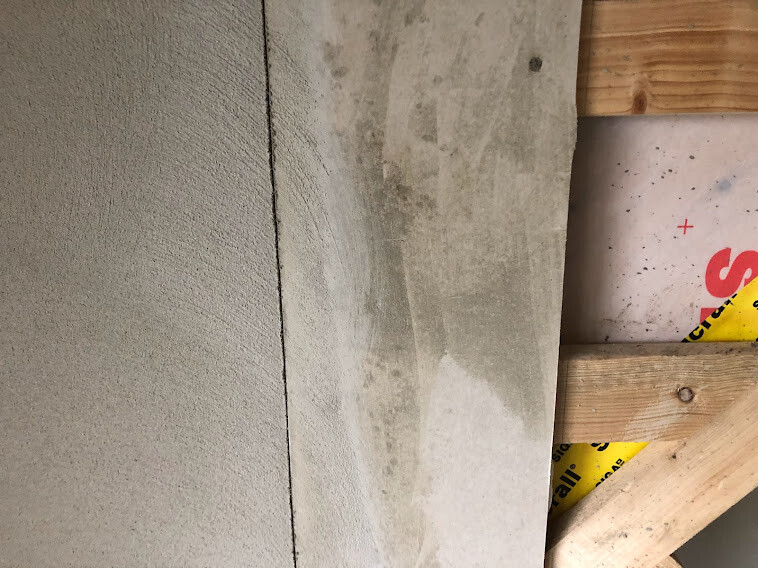
On December 13th/14th, the screed was installed in our detached house/KfW55/controlled ventilation/gas heating/1.5 stories/185sqm (1990 sqft). We have been ventilating as instructed until today. When I took a closer look today, I unfortunately noticed that
- there are water droplets on the ceiling of the ground floor at some spots,
- some wooden rafters are slowly absorbing moisture again,
- quite a few already dry wall surfaces appear wet or damp again, and
- the foil in the upper floor/attic is damp in most places.
The hygrometer has shown humidity levels between 85-95% in recent days, especially higher in the attic, of course.
On January 10th, the gas heating will be connected to start drying the screed. So far, we have not used any construction dryers or similar equipment.
Questions:
1.) Is this amount of moisture in the house normal at this stage of construction and at this time of year?
2.) If not, in your opinion, is there already a risk of mold? Or is it more likely that after the heating phase by the end of January everything will dry out and be resolved?
3.) Would you recommend setting up construction dryers temporarily as an additional measure?
I am a layperson and have no idea if this is "normal" or if we are heading toward a serious mold problem. My builder won’t be back from vacation until next week, and I want to be prepared with your assessments/comments. Otherwise, all the moisture might be sealed behind drywall quickly, and we could face big problems later. Attached are some photos. By the way, my builder is really great and very cooperative, but as mentioned not currently available.
Thank you for your input and Happy New Year 2022!
WilderSueden schrieb:
For me, the screed will be installed more likely in summer, so I hadn’t thought too much about it yet. I had been somewhat relaxed about it, but I found it quite shocking how quickly mold can develop, and I definitely want to avoid that. So, I’ll wait until the screed timing is more concrete before planning further.
We are building a two-story house with an unheated attic above. There won’t be any roof windows, but in the attic, we will definitely tilt open the windows if any moisture comes in through the hatch. In summer, you can just relax—open the windows for 20 minutes in the morning and evening, and that’s it.
I still got a construction dryer because, for me, the cost versus risk reduction was worth it.
Due to supply chain issues and trades being delayed, I had to let my screed dry for two months anyway.
M
motorradsilke4 Jan 2022 18:57TmMike_2 schrieb:
In summer, you can just relax—open the windows for 20 minutes in the morning and evening, and that’s it.
I still got a construction dryer because, for me, the cost-to-risk reduction ratio was worth it.
Due to supply and subcontractor delays, I had to let my screed dry for 2 months (about 8.5 weeks) anyway. Even in a "summer" like this one, we had to bring in a construction dryer because it felt like it rained almost all the time. The walls didn't dry that way, even though I ventilated several times a day.
motorradsilke schrieb:
Even in a "summer" like this one, we had to rent a construction dehumidifier because it felt like it rained almost all the time. The walls didn’t dry properly, and I already ventilated several times a day.Yes, that’s why I had one too 🙂 Not mandatory, but it’s worth spending a few extra dollars.
RotorMotor schrieb:
When the screed was being laid or right after, we set up construction dryers to prevent mold.
I continuously monitored the humidity and temperature as well.
Despite the dryers, it took several days to get the humidity below 90%.
And when the heating was turned on, it went back up to 100% for a few days.
Only about a week later did we reach 70%.
At that point, the only thing that helps is opening all the windows at least in the morning and evening, “vacuuming” the windows dry, and wiping off all condensation...We’re exactly at that stage right now!
Honestly: What’s the easiest and best way to clean the ceilings? Constantly climbing the ladder and drying with towels... I spend about 45 minutes every day on that 😀
Does anyone have tips or tricks for this “tropical screed drying period”? xD
R
RotorMotor7 Feb 2022 13:55I placed a towel over a broom to dry-clean the ceilings. This is noticeably faster than using a ladder. Still, it keeps you somewhat busy.
RotorMotor schrieb:
I placed a towel on a broom to dry-clean the ceiling. It’s definitely faster than using a ladder.
Still, it takes some effort. I’ll give that a try too... I think it should be a bit faster.
I’m curious when the tiler can start...
We have a tile screed floor.
The screed has been in the house since 28.02 and the underfloor heating has been running since 05.02.
I think the building should be dry enough in 3–4 weeks. We ventilate three times a day.
Does anyone have experience with this?
Similar topics