
ᐅ Excess Moisture in a Single-Family Home After Installing the Screed? Risk of Mold?
Created on: 1 Jan 2022 18:33
D
Der_Hansi1968
Hello dear forum members,
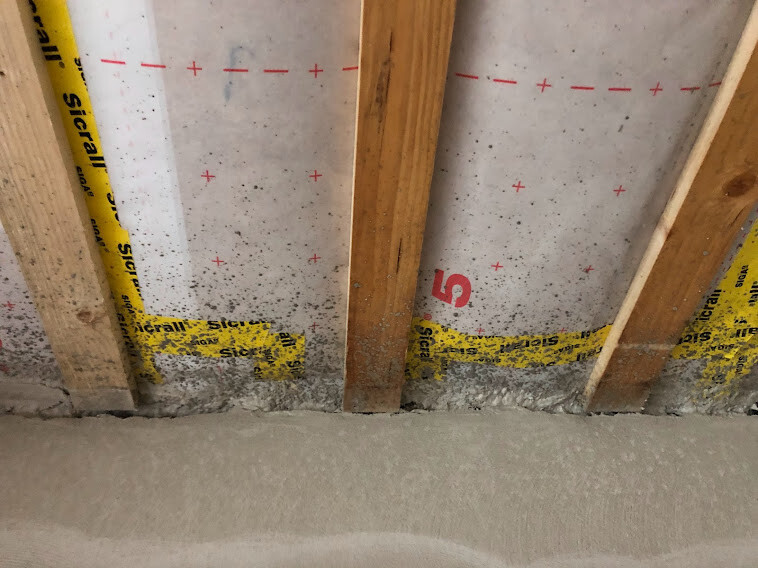
On December 13th/14th, the screed was installed in our detached house/KfW55/controlled ventilation/gas heating/1.5 stories/185sqm (1990 sqft). We have been ventilating as instructed until today. When I took a closer look today, I unfortunately noticed that
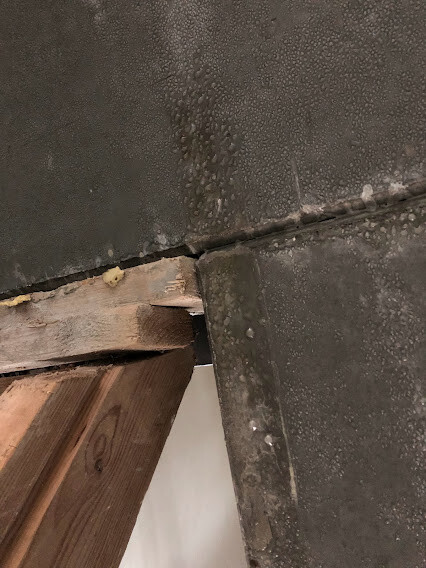
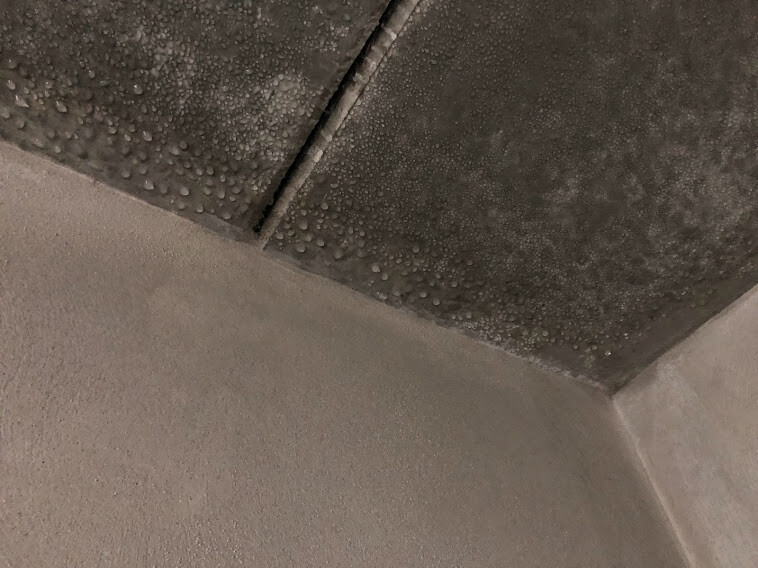
- there are water droplets on the ceiling of the ground floor at some spots,
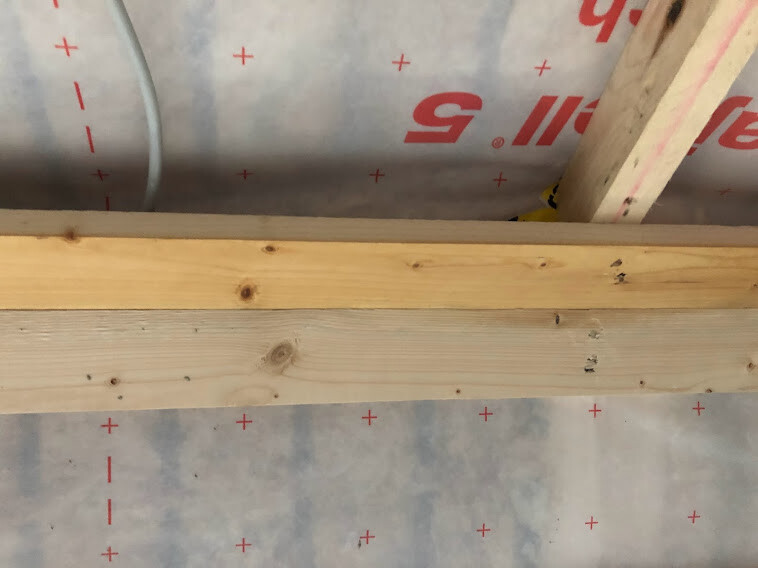
- some wooden rafters are slowly absorbing moisture again,
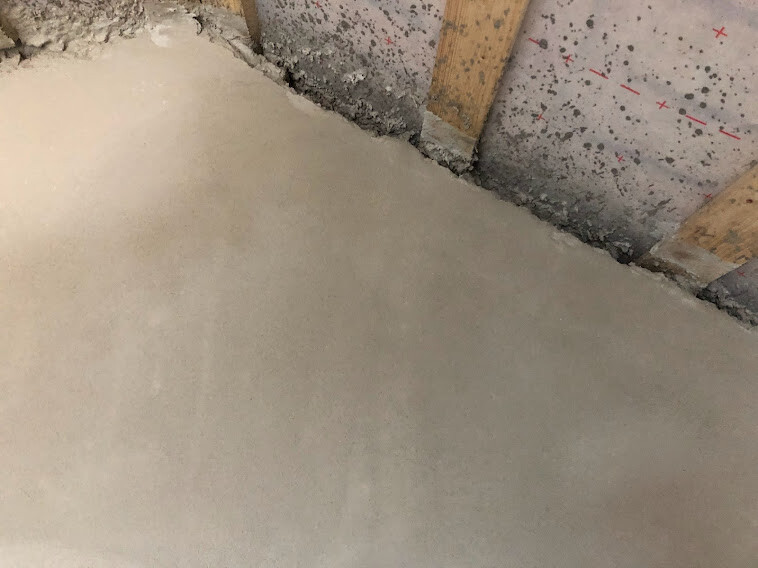
- quite a few already dry wall surfaces appear wet or damp again, and
- the foil in the upper floor/attic is damp in most places.
The hygrometer has shown humidity levels between 85-95% in recent days, especially higher in the attic, of course.
On January 10th, the gas heating will be connected to start drying the screed. So far, we have not used any construction dryers or similar equipment.
Questions:
1.) Is this amount of moisture in the house normal at this stage of construction and at this time of year?
2.) If not, in your opinion, is there already a risk of mold? Or is it more likely that after the heating phase by the end of January everything will dry out and be resolved?
3.) Would you recommend setting up construction dryers temporarily as an additional measure?
I am a layperson and have no idea if this is "normal" or if we are heading toward a serious mold problem. My builder won’t be back from vacation until next week, and I want to be prepared with your assessments/comments. Otherwise, all the moisture might be sealed behind drywall quickly, and we could face big problems later. Attached are some photos. By the way, my builder is really great and very cooperative, but as mentioned not currently available.
Thank you for your input and Happy New Year 2022!

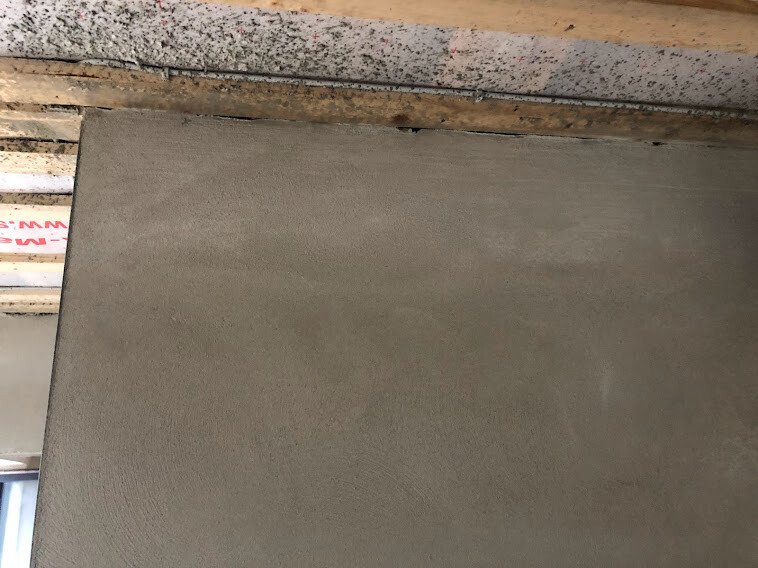
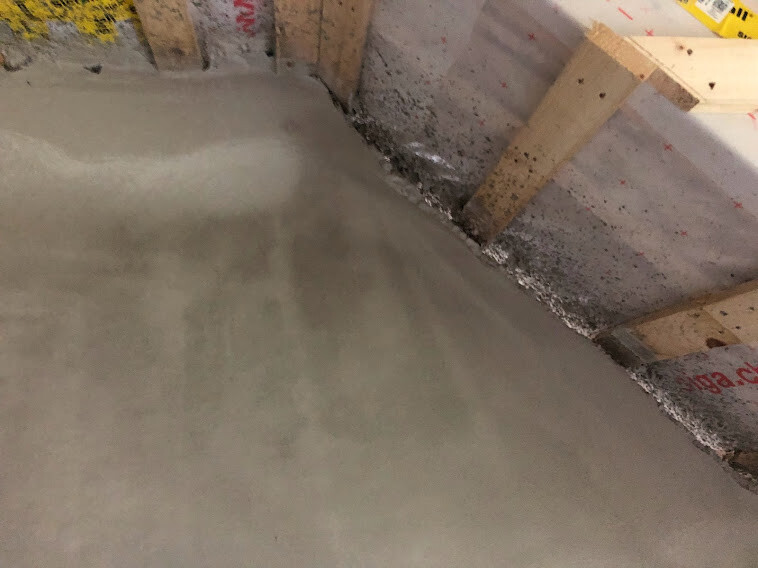
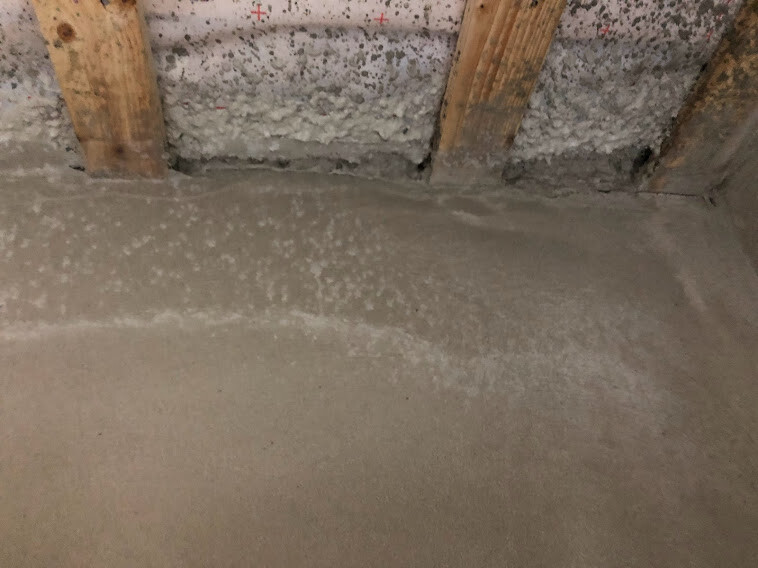
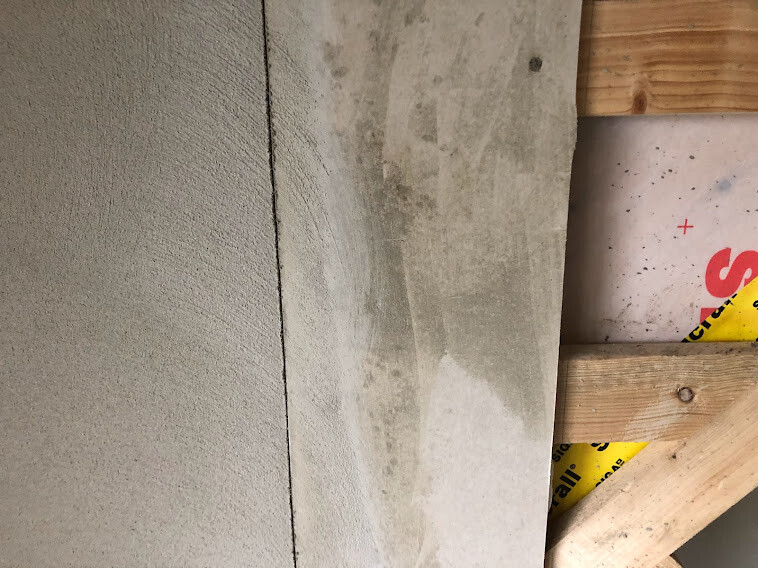
On December 13th/14th, the screed was installed in our detached house/KfW55/controlled ventilation/gas heating/1.5 stories/185sqm (1990 sqft). We have been ventilating as instructed until today. When I took a closer look today, I unfortunately noticed that
- there are water droplets on the ceiling of the ground floor at some spots,
- some wooden rafters are slowly absorbing moisture again,
- quite a few already dry wall surfaces appear wet or damp again, and
- the foil in the upper floor/attic is damp in most places.
The hygrometer has shown humidity levels between 85-95% in recent days, especially higher in the attic, of course.
On January 10th, the gas heating will be connected to start drying the screed. So far, we have not used any construction dryers or similar equipment.
Questions:
1.) Is this amount of moisture in the house normal at this stage of construction and at this time of year?
2.) If not, in your opinion, is there already a risk of mold? Or is it more likely that after the heating phase by the end of January everything will dry out and be resolved?
3.) Would you recommend setting up construction dryers temporarily as an additional measure?
I am a layperson and have no idea if this is "normal" or if we are heading toward a serious mold problem. My builder won’t be back from vacation until next week, and I want to be prepared with your assessments/comments. Otherwise, all the moisture might be sealed behind drywall quickly, and we could face big problems later. Attached are some photos. By the way, my builder is really great and very cooperative, but as mentioned not currently available.
Thank you for your input and Happy New Year 2022!

W
WilderSueden4 Jan 2022 17:37A silly question from a reader and first-time builder... where do you place the construction dryers when the screed has just been poured? Directly on the screed is probably not an option, or is it?
WilderSueden schrieb:
A silly question from a reader and first-time builder... where do you place the drying units when the screed is freshly laid? Is it not possible to put them directly on the screed, or can you?Well, after about 24 hours you can place them there. Ideally, position them about 1 to 1.5 meters (3 to 5 feet) high on a scaffold or frame.
1. Better air circulation
2. Slope for the drainage hose
More important is that the screed cures evenly and not only in spots.
W
WilderSueden4 Jan 2022 17:45So, later after all? I understood RotorMotor to have included that directly.
So I’m planning to go there after a day with construction dryers, stands, and a load of boards and hoses to set it up. Is that correct?
So I’m planning to go there after a day with construction dryers, stands, and a load of boards and hoses to set it up. Is that correct?
WilderSueden schrieb:
So, later after all? I understood RotorMotor to mean he installed it right away.
So I’m planning to go there after one day with drying units, supports, and a load of boards and hoses to set everything up. Is that correct? No, you can definitely relax a bit. Wait about 48 hours,
then at this time of year, you can start with drying units and ventilation.
If in doubt, ask your screed installer.
Are you getting standard cement screed, or anhydrite screed?
The important thing is to avoid untreated condensation and water accumulation for weeks. Are you building with a second floor? Then water tends to collect under roof windows. In that case, I would place the drying unit on the upper floor.
W
WilderSueden4 Jan 2022 17:54The screed will be installed in my house rather in the summer, so I haven’t thought about it too much yet. Until now, I was quite calm about it but I was surprised at how quickly mold can develop, and I definitely want to prevent that. I’ll wait until the screed schedule is more certain before making further plans.
We are building with two full stories and an unheated attic above. There won’t be any skylights, but we will make sure to tilt open the windows in the attic if any moisture comes through the hatch.
We are building with two full stories and an unheated attic above. There won’t be any skylights, but we will make sure to tilt open the windows in the attic if any moisture comes through the hatch.
Similar topics