
ᐅ Excess Moisture in a Single-Family Home After Installing the Screed? Risk of Mold?
Created on: 1 Jan 2022 18:33
D
Der_Hansi1968
Hello dear forum members,
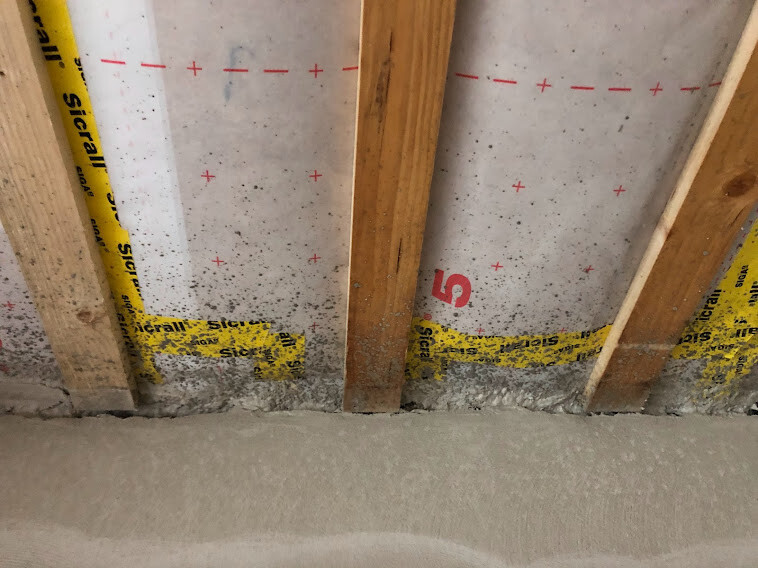
On December 13th/14th, the screed was installed in our detached house/KfW55/controlled ventilation/gas heating/1.5 stories/185sqm (1990 sqft). We have been ventilating as instructed until today. When I took a closer look today, I unfortunately noticed that
- there are water droplets on the ceiling of the ground floor at some spots,
- some wooden rafters are slowly absorbing moisture again,
- quite a few already dry wall surfaces appear wet or damp again, and
- the foil in the upper floor/attic is damp in most places.
The hygrometer has shown humidity levels between 85-95% in recent days, especially higher in the attic, of course.
On January 10th, the gas heating will be connected to start drying the screed. So far, we have not used any construction dryers or similar equipment.
Questions:
1.) Is this amount of moisture in the house normal at this stage of construction and at this time of year?
2.) If not, in your opinion, is there already a risk of mold? Or is it more likely that after the heating phase by the end of January everything will dry out and be resolved?
3.) Would you recommend setting up construction dryers temporarily as an additional measure?
I am a layperson and have no idea if this is "normal" or if we are heading toward a serious mold problem. My builder won’t be back from vacation until next week, and I want to be prepared with your assessments/comments. Otherwise, all the moisture might be sealed behind drywall quickly, and we could face big problems later. Attached are some photos. By the way, my builder is really great and very cooperative, but as mentioned not currently available.
Thank you for your input and Happy New Year 2022!
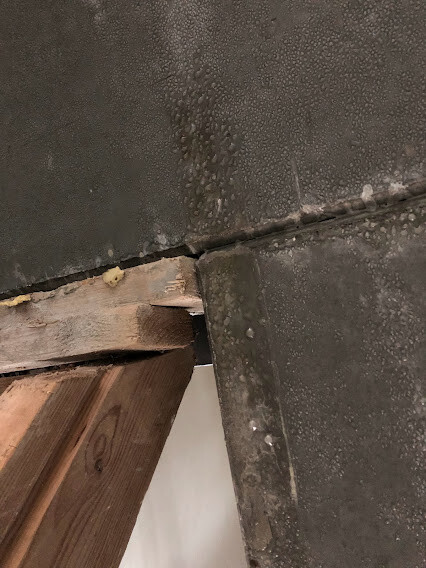

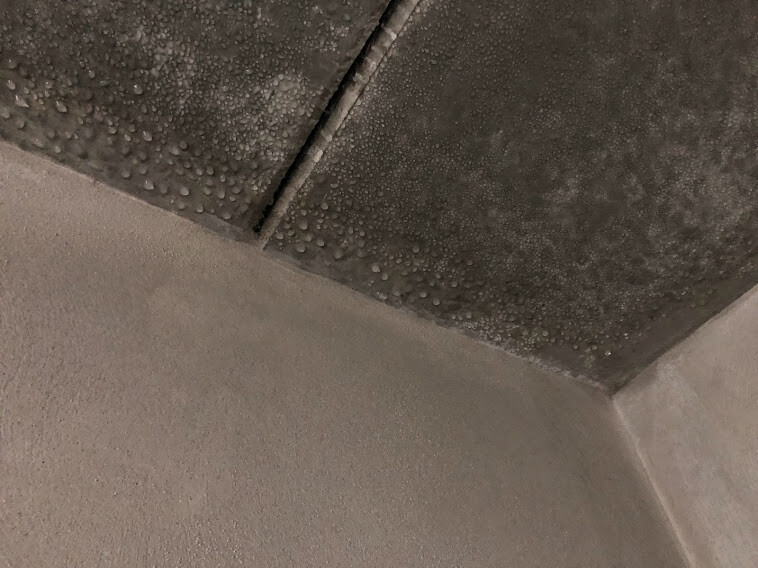
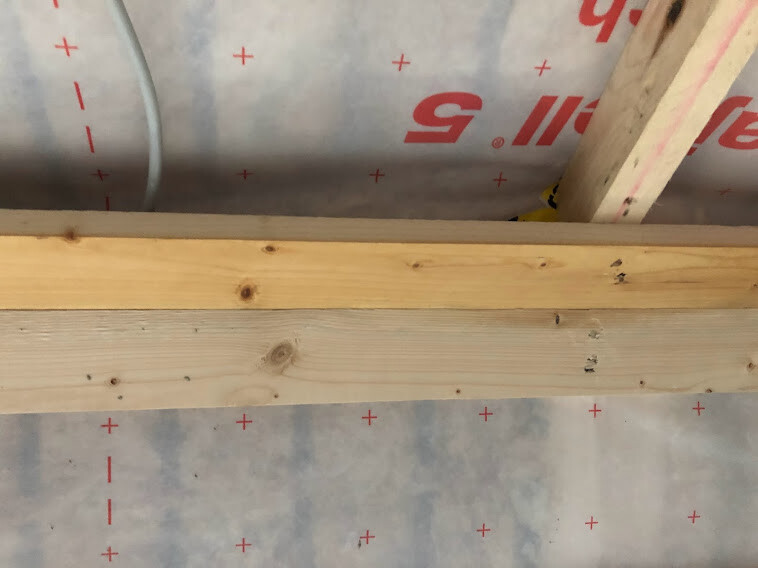
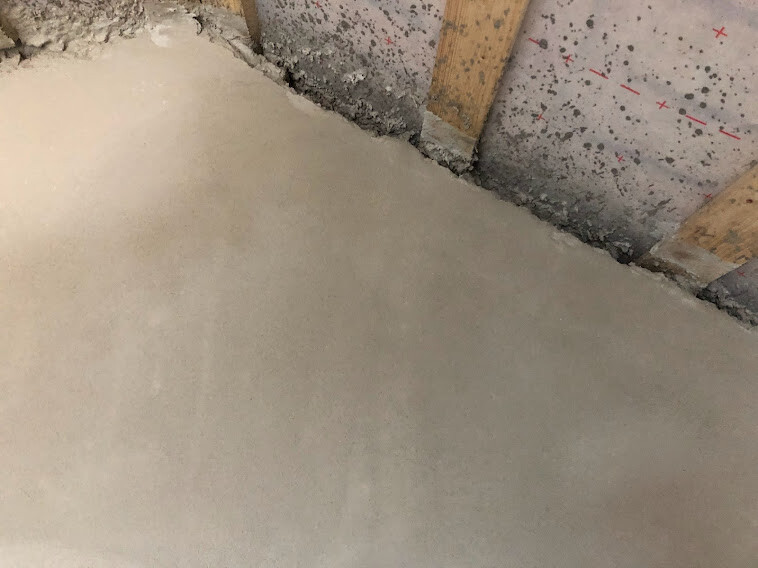
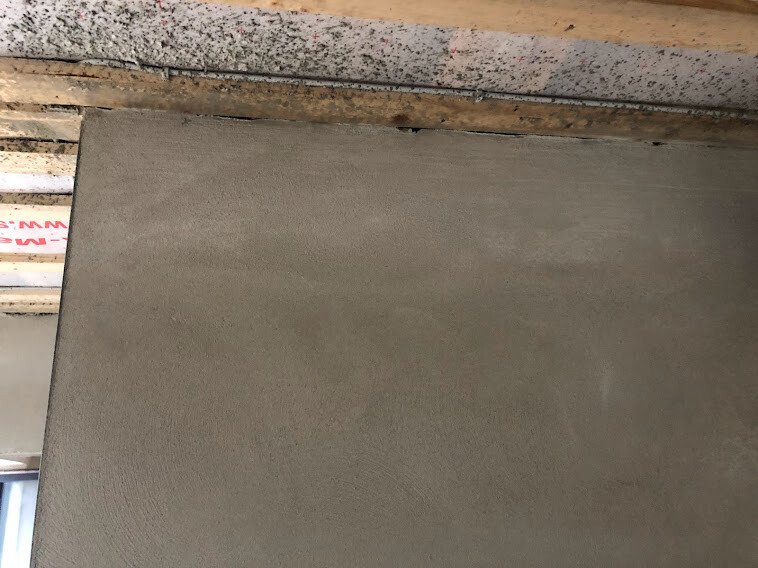
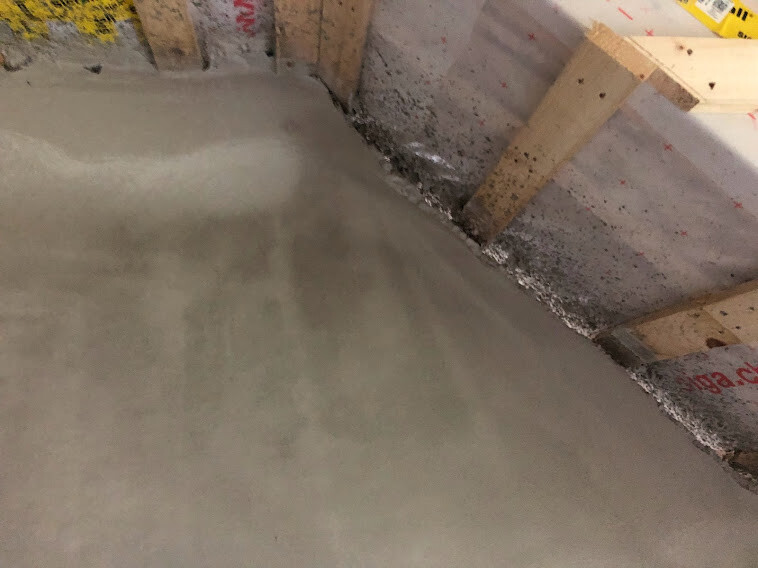
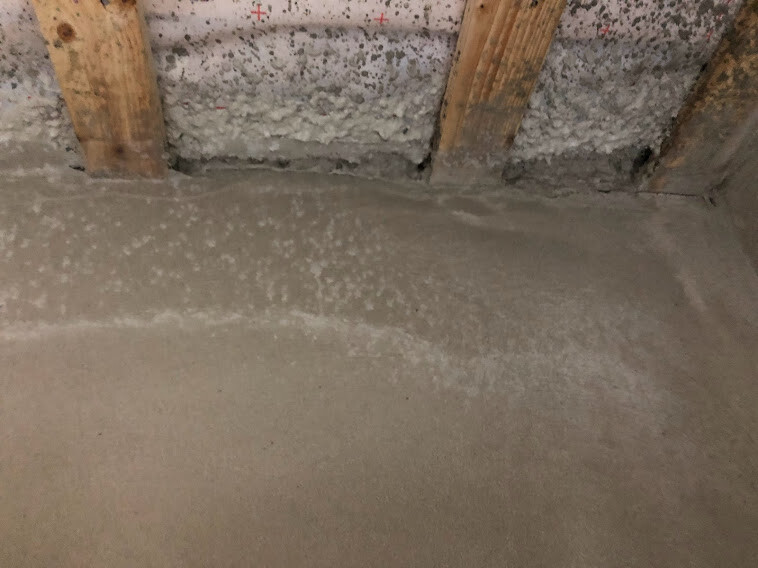
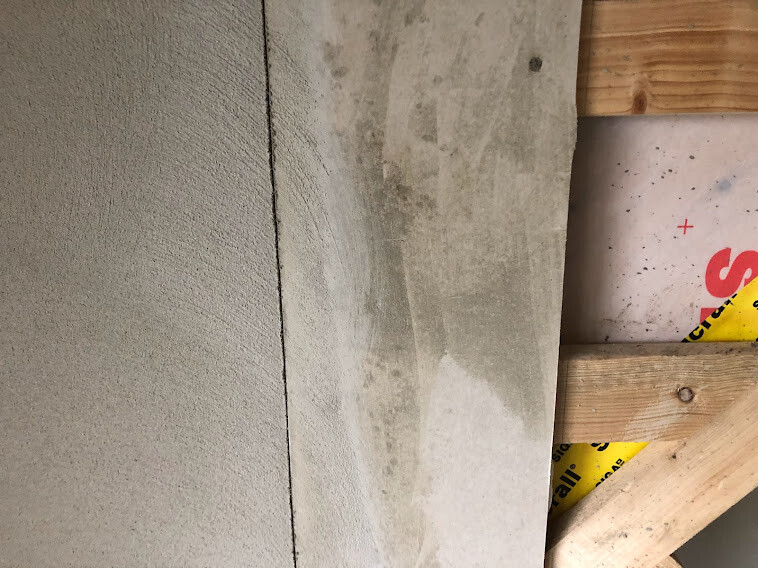
On December 13th/14th, the screed was installed in our detached house/KfW55/controlled ventilation/gas heating/1.5 stories/185sqm (1990 sqft). We have been ventilating as instructed until today. When I took a closer look today, I unfortunately noticed that
- there are water droplets on the ceiling of the ground floor at some spots,
- some wooden rafters are slowly absorbing moisture again,
- quite a few already dry wall surfaces appear wet or damp again, and
- the foil in the upper floor/attic is damp in most places.
The hygrometer has shown humidity levels between 85-95% in recent days, especially higher in the attic, of course.
On January 10th, the gas heating will be connected to start drying the screed. So far, we have not used any construction dryers or similar equipment.
Questions:
1.) Is this amount of moisture in the house normal at this stage of construction and at this time of year?
2.) If not, in your opinion, is there already a risk of mold? Or is it more likely that after the heating phase by the end of January everything will dry out and be resolved?
3.) Would you recommend setting up construction dryers temporarily as an additional measure?
I am a layperson and have no idea if this is "normal" or if we are heading toward a serious mold problem. My builder won’t be back from vacation until next week, and I want to be prepared with your assessments/comments. Otherwise, all the moisture might be sealed behind drywall quickly, and we could face big problems later. Attached are some photos. By the way, my builder is really great and very cooperative, but as mentioned not currently available.
Thank you for your input and Happy New Year 2022!
R
RotorMotor1 Jan 2022 22:19With us, building dryers were used during and directly after the screed was laid to prevent mold.
I continuously monitored the humidity and temperature as well.
Despite the use of building dryers, it took several days to get the moisture level below 90%.
And when the heating was turned on, it rose back to 100% for a few days.
Only about a week later did we reach around 70%.
The only solution is to open all windows at least in the morning and evening, "vacuum" the windows, and wipe dry all areas where drops form...
I continuously monitored the humidity and temperature as well.
Despite the use of building dryers, it took several days to get the moisture level below 90%.
And when the heating was turned on, it rose back to 100% for a few days.
Only about a week later did we reach around 70%.
The only solution is to open all windows at least in the morning and evening, "vacuum" the windows, and wipe dry all areas where drops form...
M
Martial.white1 Jan 2022 22:47driver55 schrieb:
There’s no better weather than “winter” for airing out.
Are you using a 15 kW heating element?Our winter here in the south is currently 8-10°C (46-50°F) with constant rain 😉.
But today was great. 15°C (59°F) and sunny.
At least the windows aren’t soaking wet in the mornings anymore.
22 kW quick burner as shown in the picture.
The outdoor humidity is very high at the moment. Effective ventilation requires a temperature difference: warm air—which can hold more moisture—goes out, while cold air—which holds less moisture—comes in.
With rising temperatures, you need to be careful that ventilation does not bring in even more moisture.
I would strongly recommend setting up a construction dryer or portable heater and mechanically drying all surfaces affected by condensation in the meantime. You need a temperature gradient.
Example
Temperature Absolute Humidity Relative Humidity
0°C (32°F) 40% 1.94 g/m³
10°C (50°F) 40% 3.76 g/m³
15°C (59°F) 40% 5.12 g/m³
With rising temperatures, you need to be careful that ventilation does not bring in even more moisture.
I would strongly recommend setting up a construction dryer or portable heater and mechanically drying all surfaces affected by condensation in the meantime. You need a temperature gradient.
Example
Temperature Absolute Humidity Relative Humidity
0°C (32°F) 40% 1.94 g/m³
10°C (50°F) 40% 3.76 g/m³
15°C (59°F) 40% 5.12 g/m³
S
Stefan0013 Jan 2022 08:29haydee schrieb:
You need a temperature gradient It’s not so much about the gradient itself, but rather heating the cold air. In other words, without continuous heating, drying won’t work well. Otherwise, I can only use the effect of “warm air out, cold air in” once.
To bridge the time between the screed installation and the connection of the heating system or start of the heating program, not much is really needed to protect the building.
Two construction dryers and 2-3 circulation fans should be enough for most cases. Simply direct the dryer’s drainage hose into a drain.
The 2-3 kWh of waste heat from the dryers will at least slightly warm the building and help keep condensation on the ceiling and windows to a minimum.
For my construction dryer, I paid a rental fee of about 50 per week for two weeks and around 80€ for electricity. I would definitely consider spending that money.
Also, why have you been waiting since mid-December? I would have already set it up 2-3 days after the screed was done.
Two construction dryers and 2-3 circulation fans should be enough for most cases. Simply direct the dryer’s drainage hose into a drain.
The 2-3 kWh of waste heat from the dryers will at least slightly warm the building and help keep condensation on the ceiling and windows to a minimum.
For my construction dryer, I paid a rental fee of about 50 per week for two weeks and around 80€ for electricity. I would definitely consider spending that money.
Also, why have you been waiting since mid-December? I would have already set it up 2-3 days after the screed was done.
D
Der_Hansi19684 Jan 2022 10:05TmMike_2 schrieb:
To bridge the time between the screed installation and connecting the heating or starting the heating program, you actually don’t need much to protect your building.
Two dehumidifiers and 2–3 circulation fans should be enough for most cases. Just put the drain hose from the dehumidifier into the drain.
The 2–3 kWh of waste heat from the dehumidifiers slightly warms the building, and condensation on the ceiling and windows stays limited.
I paid about 50 (borrowed) for two weeks rental of my dehumidifier plus around 80€ for electricity.
I would really recommend spending that money.
By the way, why have you been waiting since mid-December? I would have set it up 2–3 days after the screed was laid. Thank you very much for all the answers – they really helped me a lot! Yesterday, I had an on-site meeting with the builder and a civil engineer friend who happened to be passing by – conclusion: no damage in terms of mold growth has occurred yet, but since 8:30 a.m. today, three dehumidifiers are running in the house. Thanks again to everyone for the input!
Similar topics