
ᐅ Excess Moisture in a Single-Family Home After Installing the Screed? Risk of Mold?
Created on: 1 Jan 2022 18:33
D
Der_Hansi1968D
Der_Hansi19681 Jan 2022 18:33Hello dear forum members,
On December 13th/14th, the screed was installed in our detached house/KfW55/controlled ventilation/gas heating/1.5 stories/185sqm (1990 sqft). We have been ventilating as instructed until today. When I took a closer look today, I unfortunately noticed that
- there are water droplets on the ceiling of the ground floor at some spots,
- some wooden rafters are slowly absorbing moisture again,
- quite a few already dry wall surfaces appear wet or damp again, and
- the foil in the upper floor/attic is damp in most places.
The hygrometer has shown humidity levels between 85-95% in recent days, especially higher in the attic, of course.
On January 10th, the gas heating will be connected to start drying the screed. So far, we have not used any construction dryers or similar equipment.
Questions:
1.) Is this amount of moisture in the house normal at this stage of construction and at this time of year?
2.) If not, in your opinion, is there already a risk of mold? Or is it more likely that after the heating phase by the end of January everything will dry out and be resolved?
3.) Would you recommend setting up construction dryers temporarily as an additional measure?
I am a layperson and have no idea if this is "normal" or if we are heading toward a serious mold problem. My builder won’t be back from vacation until next week, and I want to be prepared with your assessments/comments. Otherwise, all the moisture might be sealed behind drywall quickly, and we could face big problems later. Attached are some photos. By the way, my builder is really great and very cooperative, but as mentioned not currently available.
Thank you for your input and Happy New Year 2022!
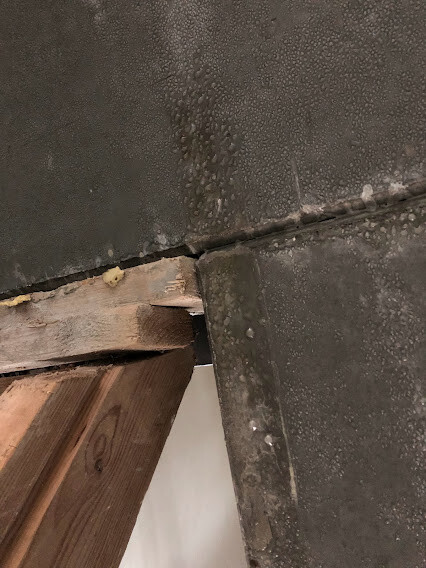

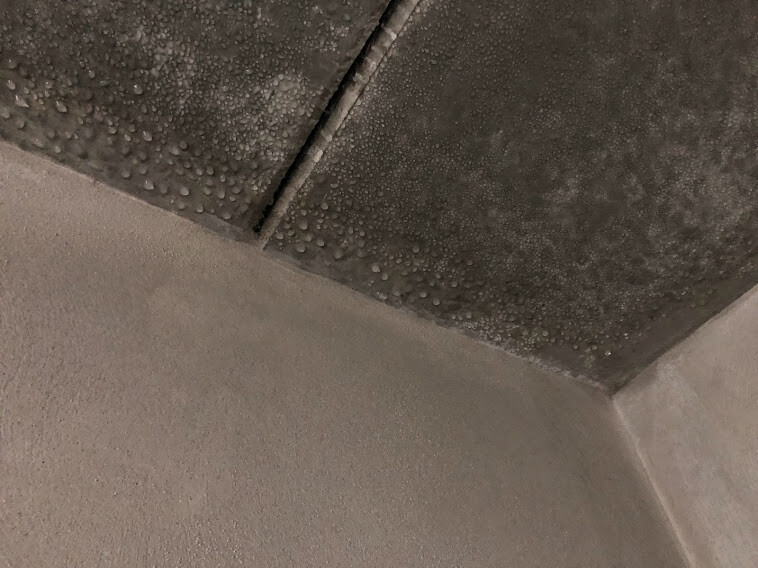
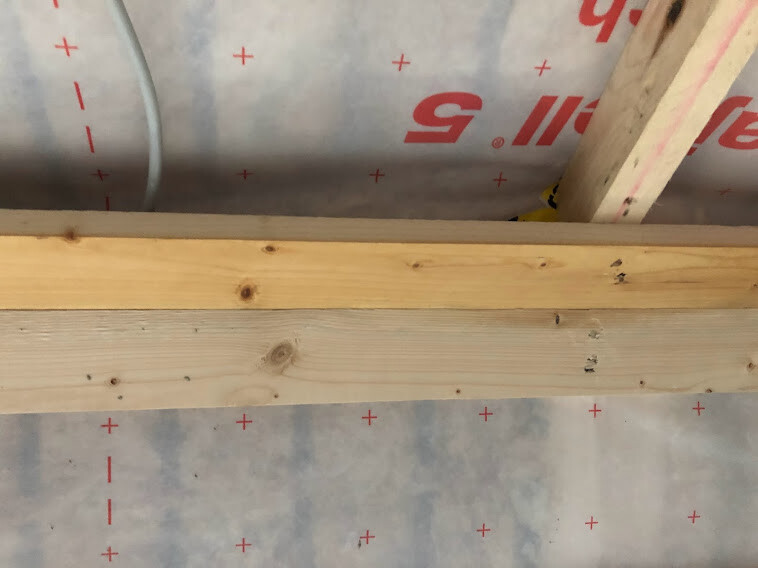
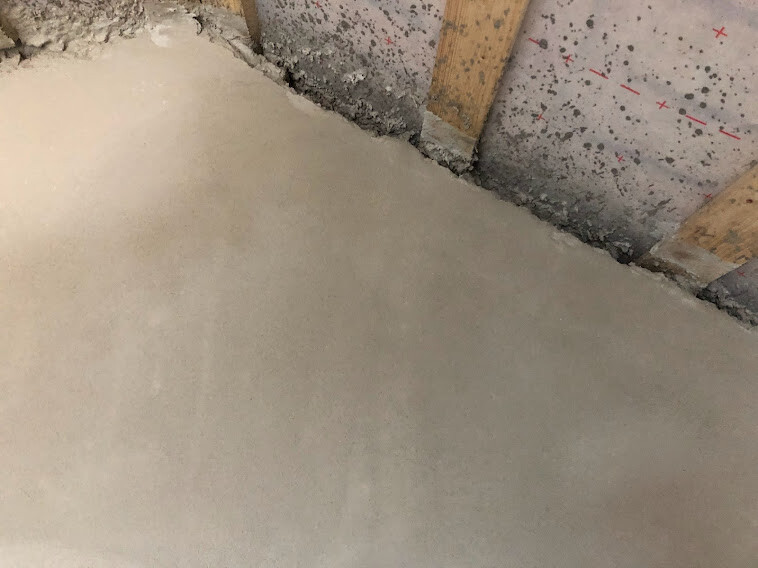
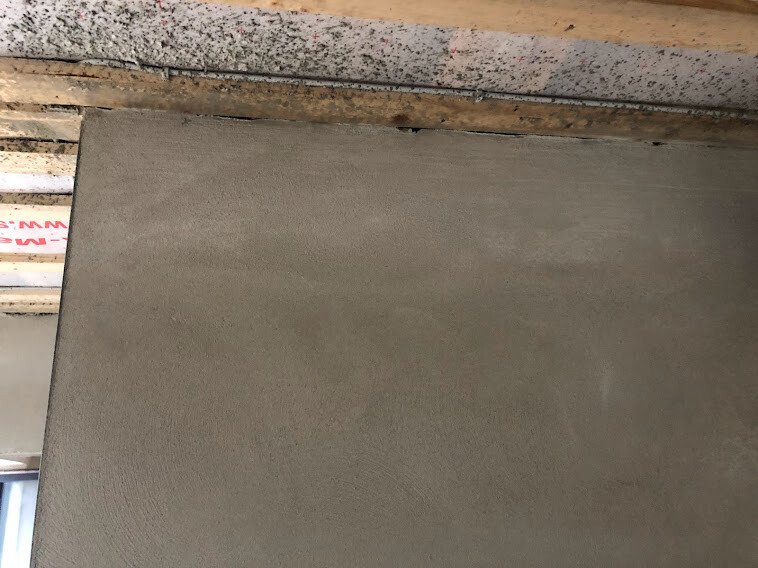
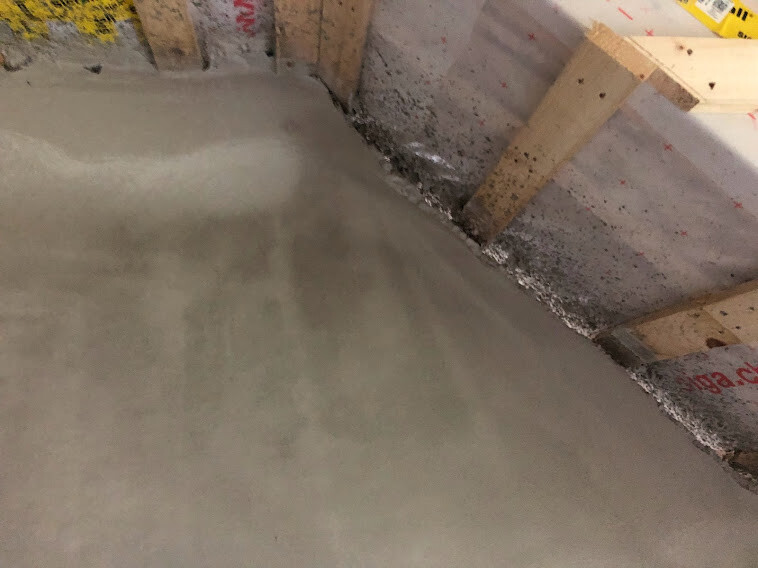
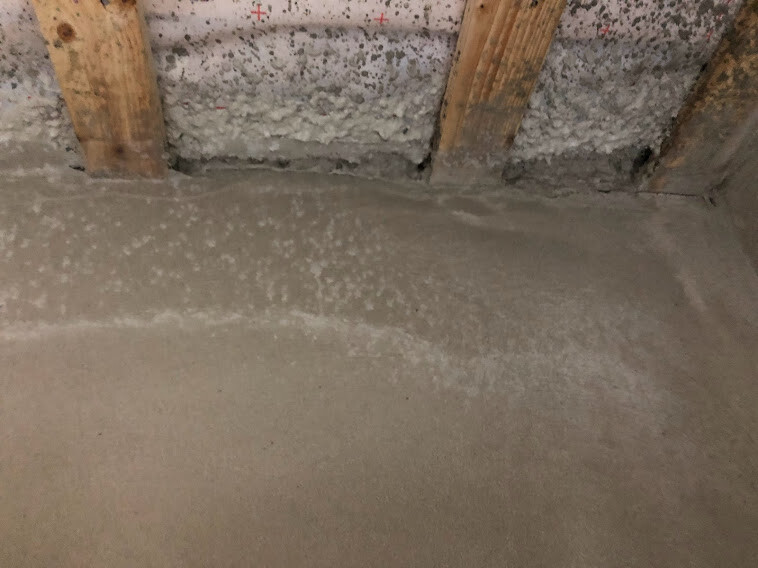
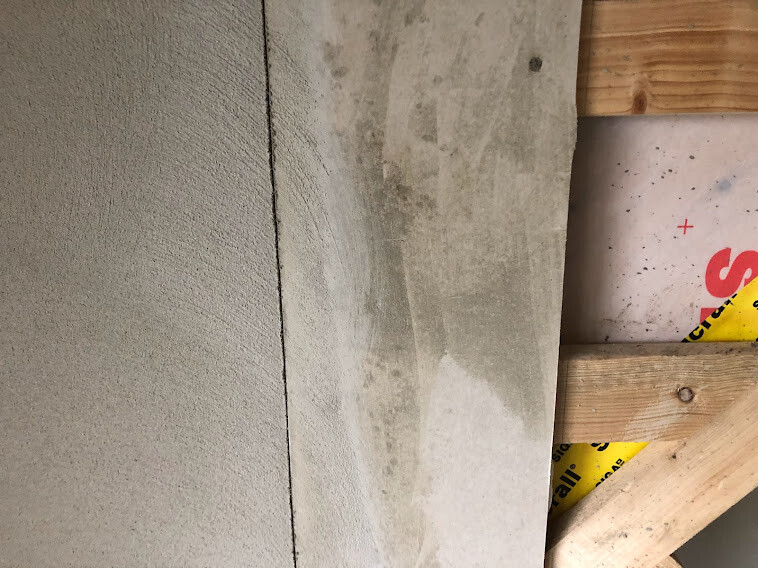
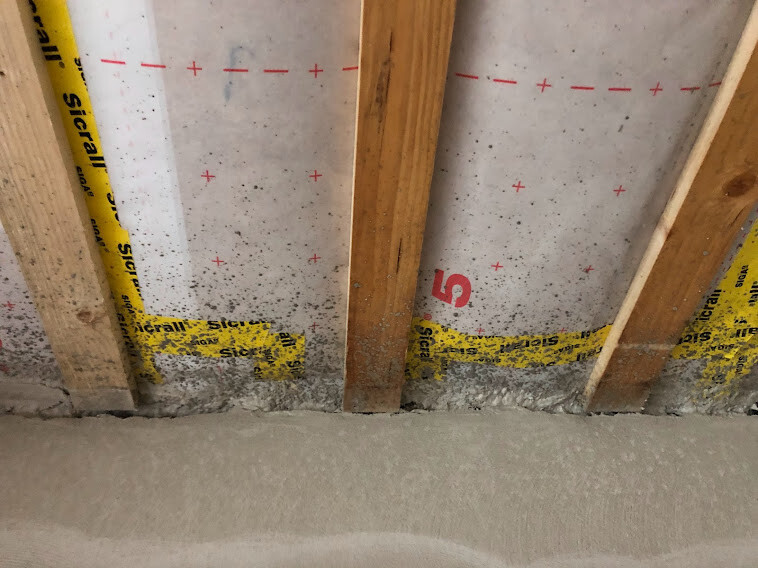
On December 13th/14th, the screed was installed in our detached house/KfW55/controlled ventilation/gas heating/1.5 stories/185sqm (1990 sqft). We have been ventilating as instructed until today. When I took a closer look today, I unfortunately noticed that
- there are water droplets on the ceiling of the ground floor at some spots,
- some wooden rafters are slowly absorbing moisture again,
- quite a few already dry wall surfaces appear wet or damp again, and
- the foil in the upper floor/attic is damp in most places.
The hygrometer has shown humidity levels between 85-95% in recent days, especially higher in the attic, of course.
On January 10th, the gas heating will be connected to start drying the screed. So far, we have not used any construction dryers or similar equipment.
Questions:
1.) Is this amount of moisture in the house normal at this stage of construction and at this time of year?
2.) If not, in your opinion, is there already a risk of mold? Or is it more likely that after the heating phase by the end of January everything will dry out and be resolved?
3.) Would you recommend setting up construction dryers temporarily as an additional measure?
I am a layperson and have no idea if this is "normal" or if we are heading toward a serious mold problem. My builder won’t be back from vacation until next week, and I want to be prepared with your assessments/comments. Otherwise, all the moisture might be sealed behind drywall quickly, and we could face big problems later. Attached are some photos. By the way, my builder is really great and very cooperative, but as mentioned not currently available.
Thank you for your input and Happy New Year 2022!
M
Martial.white1 Jan 2022 20:38Since December 22nd, the screed has also been installed in our single-family house. Despite the heating running at full power since December 22nd, we still have some problem areas with mold.
Today, I treated the mold spots superficially with chlorine and a sponge. The infestation is only on the surface. I believe this is unavoidable during these very damp and cool days (we even had mold before we were allowed to enter the house/screed area to ventilate).
We also had 99% humidity; now the water from the screed and plaster has to evaporate. After 7 days, it is gradually improving (mind you, our electric heating has been running with 3700 kWh since December 22nd...).
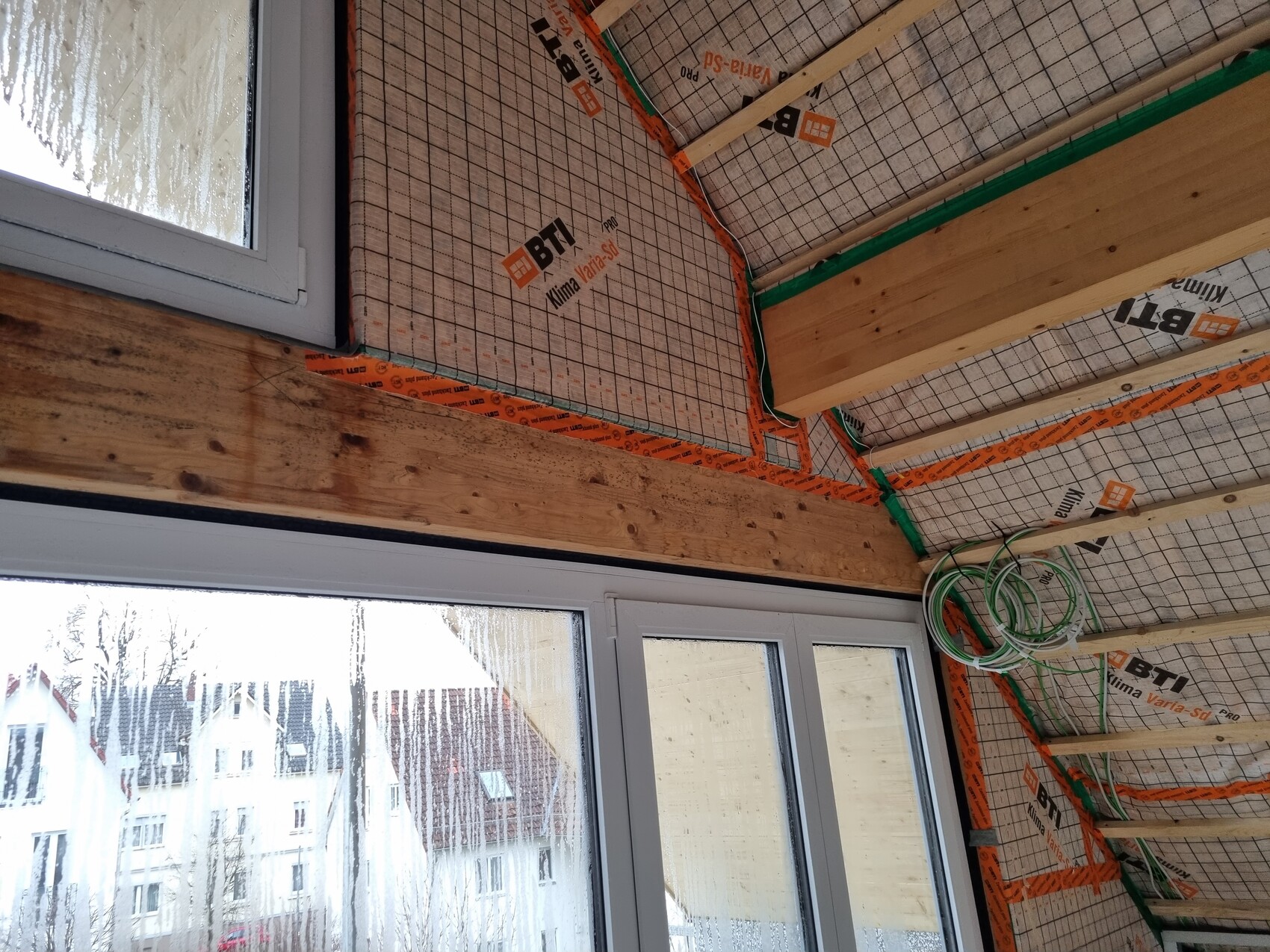
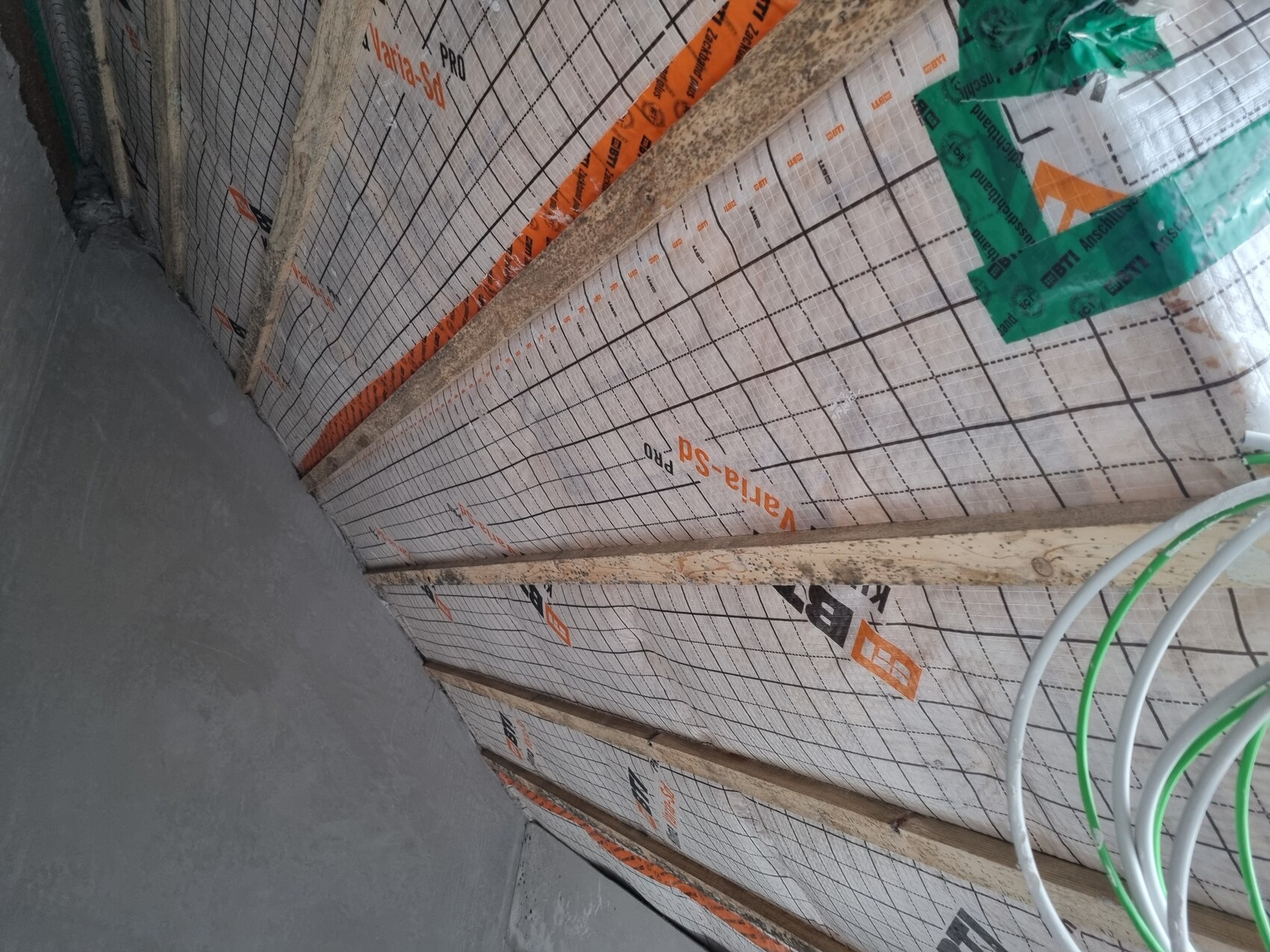
Today, I treated the mold spots superficially with chlorine and a sponge. The infestation is only on the surface. I believe this is unavoidable during these very damp and cool days (we even had mold before we were allowed to enter the house/screed area to ventilate).
We also had 99% humidity; now the water from the screed and plaster has to evaporate. After 7 days, it is gradually improving (mind you, our electric heating has been running with 3700 kWh since December 22nd...).
In my opinion, that looks really bad!
It is definitely anhydrite, not cement.
You usually only get a dripstone cave (really) when the underfloor heating is in operation.
It is definitely anhydrite, not cement.
Der_Hansi1968 schrieb:What exactly does that mean?
We have ventilated according to instructions until today.
You usually only get a dripstone cave (really) when the underfloor heating is in operation.
There is no better weather than “winter” for airing out.
Martial.white schrieb:Are you using a 15 kW heating element?
Keep in mind, our electric heating has been running at 3700 kWh since December 22...
M
motorradsilke1 Jan 2022 21:22driver55 schrieb:
There is no better weather than "winter" for airing out.
Yes, but outside it is not really "winter," at least not here in the Berlin area. The outdoor humidity has been nearly 100% in the past few days, so where would the moisture go when airing out?
M
Myrna_Loy1 Jan 2022 22:01motorradsilke schrieb:
Yes, but outside it’s not really "winter," at least not here in the Berlin area. The outdoor humidity has been nearly 100% in recent days—where is the moisture supposed to go when airing out? And especially: after days of frost, the houses are all well chilled. The sudden warm-up of almost 15 degrees Celsius (27°F) overnight was intense. Our house was also completely fogged up inside, like a nicely chilled pilsner in summer. 🙄 Fortunately, good ventilation helped since we still lack windows.
Similar topics