
Hello,
I am currently facing a planning issue and need some suggestions.
We are installing patio slabs measuring 80 x 80 cm (31.5 x 31.5 inches).
The slabs will be level with the height of the floor-to-ceiling window.
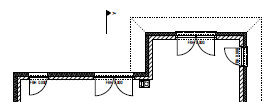
The patio extends across the entire width.
We are working with a slope and have run into the problem that the left and right double casement windows end up at different levels.
If I start level at the left double window and the extension projects 2 m (6.6 ft), with a 1.5% slope, I end up 3 cm (1.2 inches) below the top edge of the right double window. This was not intended and creates an unsightly tripping hazard.
The roof overhang is 75 cm (29.5 inches) without a gutter.
Options I have considered:
1. Lowering the right window sill
2. Leveling from the left window to the outer building line (extension) (including a gutter)
3. Adjusting everything so the transitions are not visible
Perhaps you have another solution.
Thank you
I am currently facing a planning issue and need some suggestions.
We are installing patio slabs measuring 80 x 80 cm (31.5 x 31.5 inches).
The slabs will be level with the height of the floor-to-ceiling window.
The patio extends across the entire width.
We are working with a slope and have run into the problem that the left and right double casement windows end up at different levels.
If I start level at the left double window and the extension projects 2 m (6.6 ft), with a 1.5% slope, I end up 3 cm (1.2 inches) below the top edge of the right double window. This was not intended and creates an unsightly tripping hazard.
The roof overhang is 75 cm (29.5 inches) without a gutter.
Options I have considered:
1. Lowering the right window sill
2. Leveling from the left window to the outer building line (extension) (including a gutter)
3. Adjusting everything so the transitions are not visible
Perhaps you have another solution.
Thank you
icandoit schrieb:
Forget the first option; nobody wants the cut edge right in the middle of the terrace.
The second option looks better overall. The downside is that the narrow door would have a small step.
How are you planning to cover the terrace?
But the original poster doesn’t want that.I don’t want to cover the terrace. The second option seems better to me as well.Steffi33 schrieb:
Maybe the 3cm (1.2 inches) gap could be bridged with a threshold ramp. They are also available in 3cm (1.2 inches) height. If the tiles are anthracite, it hardly shows..
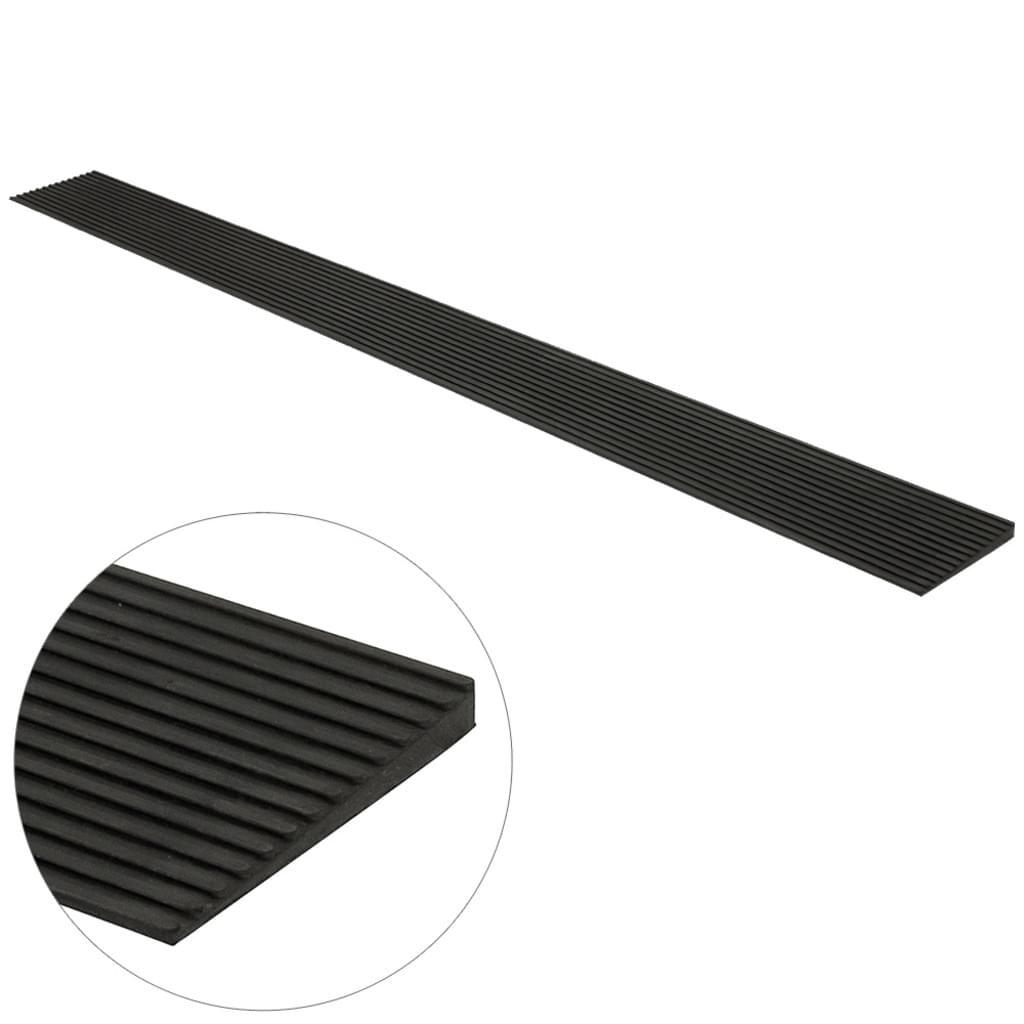
They are very light, but a small threshold already helps prevent stubbed toes.How are the slabs being installed?
Gravel? Drain concrete?
I would lay them from the left side first without any slope up to the ledge, and from there on, install them with a 1.5% slope away.
The water drains through the joints, and where there is no slope, water will remain longer after rain, but then you can use a squeegee to quickly remove it if you plan to have a gathering on the terrace or something like that.
Mine are laid with a 1.5% slope, but the slabs slightly rise at the outer edges anyway, so some water will still stay there.
I find all other options visually unattractive.
Alternatively, you could start from the left with a slight slope and accept a small joint gap at the ledge by the window.
Gravel? Drain concrete?
I would lay them from the left side first without any slope up to the ledge, and from there on, install them with a 1.5% slope away.
The water drains through the joints, and where there is no slope, water will remain longer after rain, but then you can use a squeegee to quickly remove it if you plan to have a gathering on the terrace or something like that.
Mine are laid with a 1.5% slope, but the slabs slightly rise at the outer edges anyway, so some water will still stay there.
I find all other options visually unattractive.
Alternatively, you could start from the left with a slight slope and accept a small joint gap at the ledge by the window.
Similar topics