
B
Bjoern10004 Dec 2016 11:07Hello everyone,
We built our house 10 years ago. The development is located in Mechernich in the Eifel region. A few months ago, the area experienced severe flooding. We were not directly affected by the floods, but apparently, due to the clayey soil, water remained underground beneath the slab foundation (no basement) for an extended period. As a result, water was drawn in through the window sills into the screed. The screed has now been dried. To be better prepared for the next severe weather event, we are currently having drainage systems retrofitted.
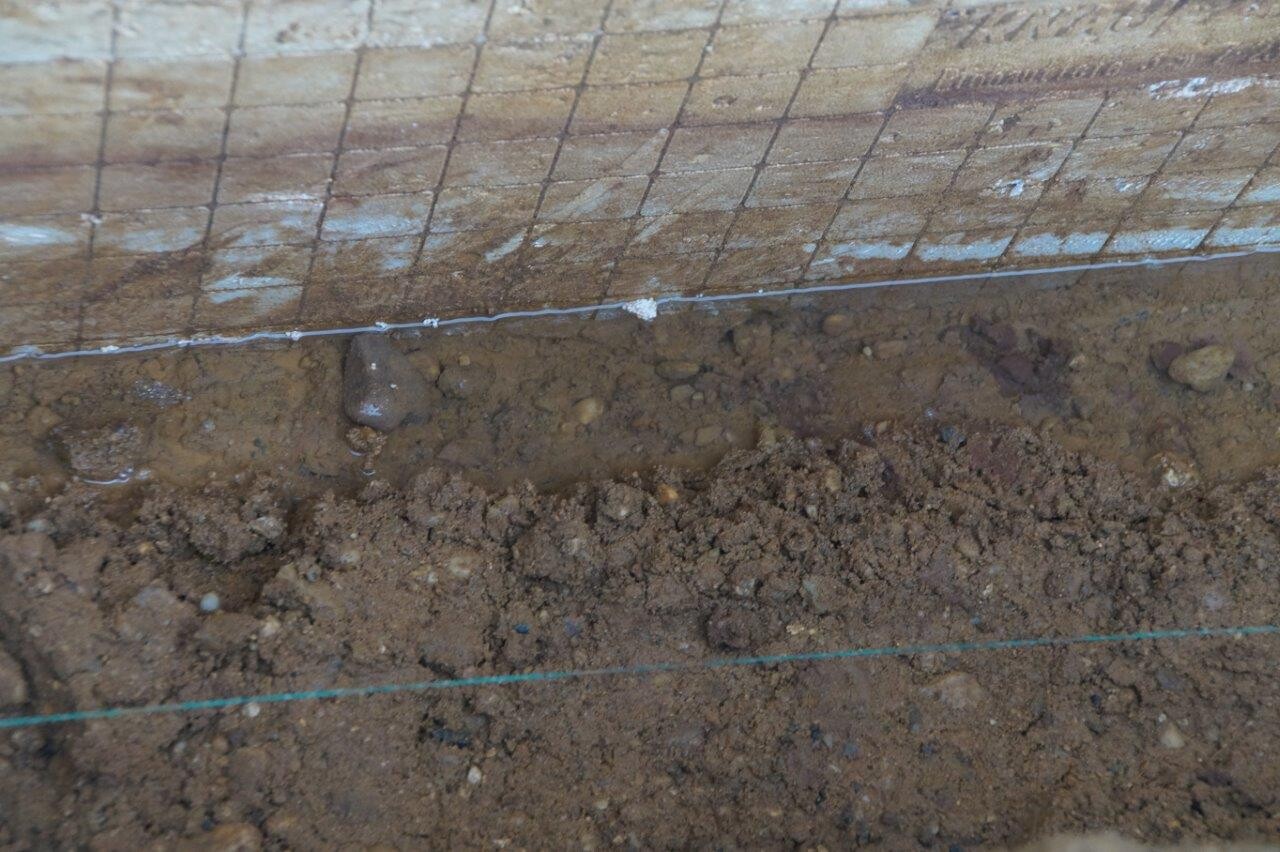
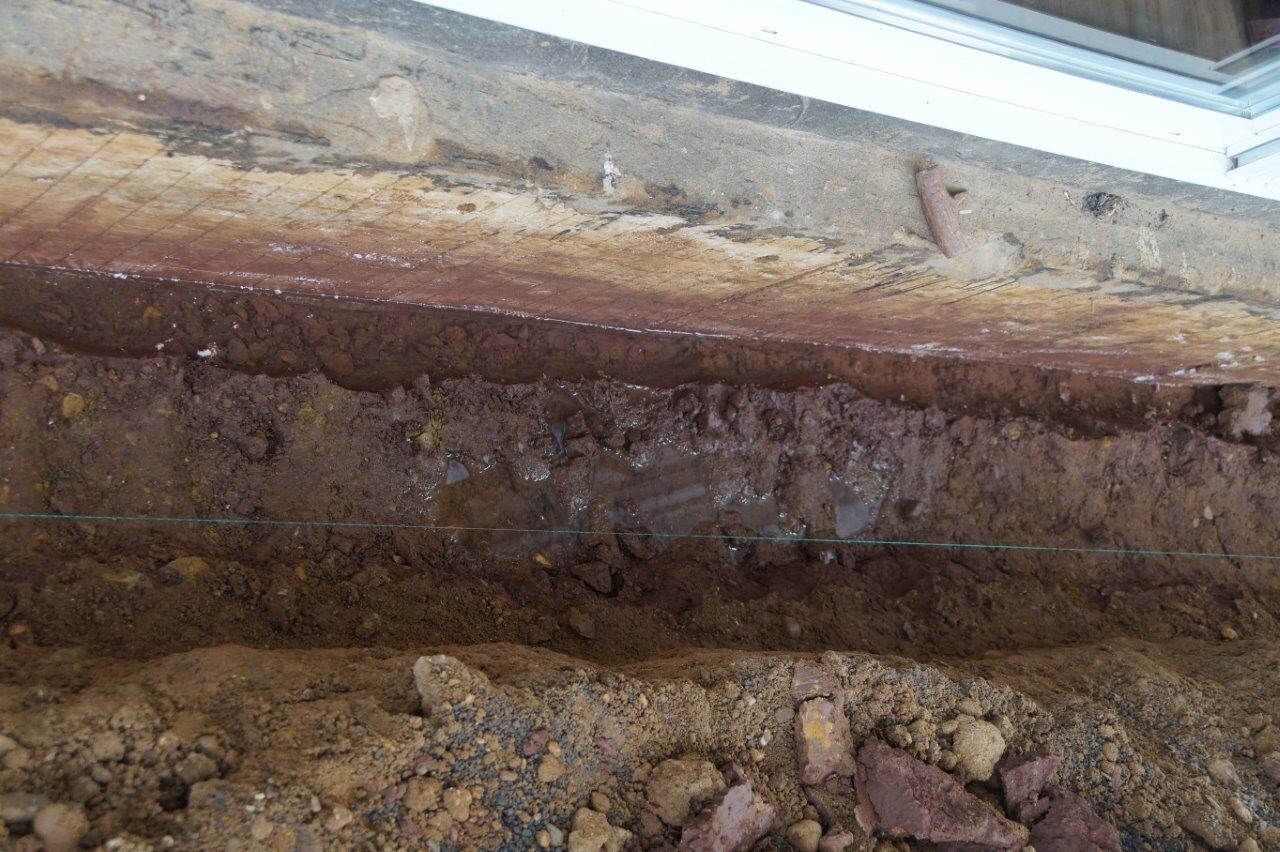
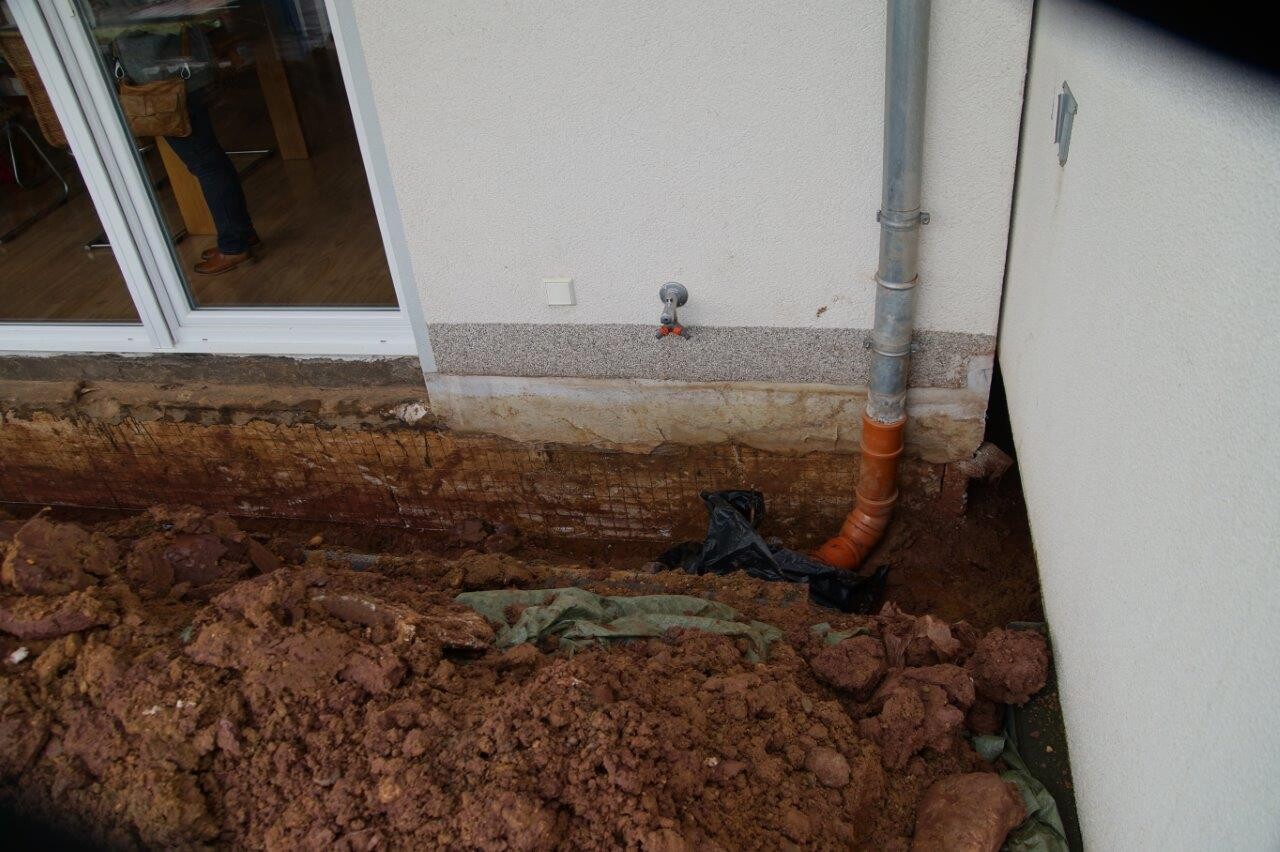
My question is: Does it make sense to additionally seal the insulation boards attached to the slab with bitumen and to install a dimple membrane in front of them? Attached are some pictures of the situation on site.
Thanks in advance for your advice.
Best regards
Björn
We built our house 10 years ago. The development is located in Mechernich in the Eifel region. A few months ago, the area experienced severe flooding. We were not directly affected by the floods, but apparently, due to the clayey soil, water remained underground beneath the slab foundation (no basement) for an extended period. As a result, water was drawn in through the window sills into the screed. The screed has now been dried. To be better prepared for the next severe weather event, we are currently having drainage systems retrofitted.
My question is: Does it make sense to additionally seal the insulation boards attached to the slab with bitumen and to install a dimple membrane in front of them? Attached are some pictures of the situation on site.
Thanks in advance for your advice.
Best regards
Björn

U
Ulrich Fuckert5 Dec 2016 09:19Is there a waterproof barrier behind the insulation boards? Applying a waterproof barrier directly on the insulation boards makes little sense. Often, the concrete slab is soundproofed with insulation boards, which is technically incorrect. A waterproof barrier should be installed from the edge of the concrete slab up at least 15 cm (6 inches) above the existing ground level. The insulation boards are only meant to protect the waterproof barrier.

To design a functional building waterproofing system, the detailed structure of the building components must be fully understood. The waterproofing layers must be applied directly to the structural shell (concrete/masonry), not to the exterior insulation. Furthermore, the technically challenging task of waterproofing in the threshold/base area of the patio door must also be considered. Here, the details of the installation situation need to be clearly known. It is likely that only liquid-applied membranes can be used for waterproofing in this area, which requires specialized professionals. The details must be planned carefully regarding the sequence of materials, work processes, and connections. It may also be necessary to redefine the applicable water load scenario and, accordingly, the waterproofing requirements according to DIN 18195.
An additional drainage system only makes sense if it effectively drains the building and the drainage water can be directed away properly. Since the legally required infiltration on the property will probably not work due to a high groundwater level, it may be necessary to apply for permission to discharge the drainage water into the municipal sewer system.
I recommend an assessment by an expert and appropriate independent specialized planning. The detailed planning should not be left to the contractors executing the work.
An additional drainage system only makes sense if it effectively drains the building and the drainage water can be directed away properly. Since the legally required infiltration on the property will probably not work due to a high groundwater level, it may be necessary to apply for permission to discharge the drainage water into the municipal sewer system.
I recommend an assessment by an expert and appropriate independent specialized planning. The detailed planning should not be left to the contractors executing the work.
B
Bieber08155 Dec 2016 11:27wpic schrieb:
independent expert planning. The detailed planning should not be left to the contractors.+1U
Ulrich Fuckert5 Dec 2016 13:02wpic schrieb:
The waterproofing layers themselves must be applied to the structural shell (concrete/masonry), not on the perimeter insulation.That is exactly correct. Unfortunately, construction companies often carry this out incorrectly.
What the pictures document is waterproofing against rising seepage water. This should be done according to DIN 18195-6.
Similar topics