
Good evening everyone,
My girlfriend and I bought an old building about 10 months ago, and her father built the staircase for us.
It was a matter close to his heart, but unfortunately, he has had two strokes and is not in good health. Now I would like to finish addressing the staircase issue.
I know the installation of the risers did not go perfectly, just like the construction of the concrete staircase back in 1997. But for now, we will live with it.
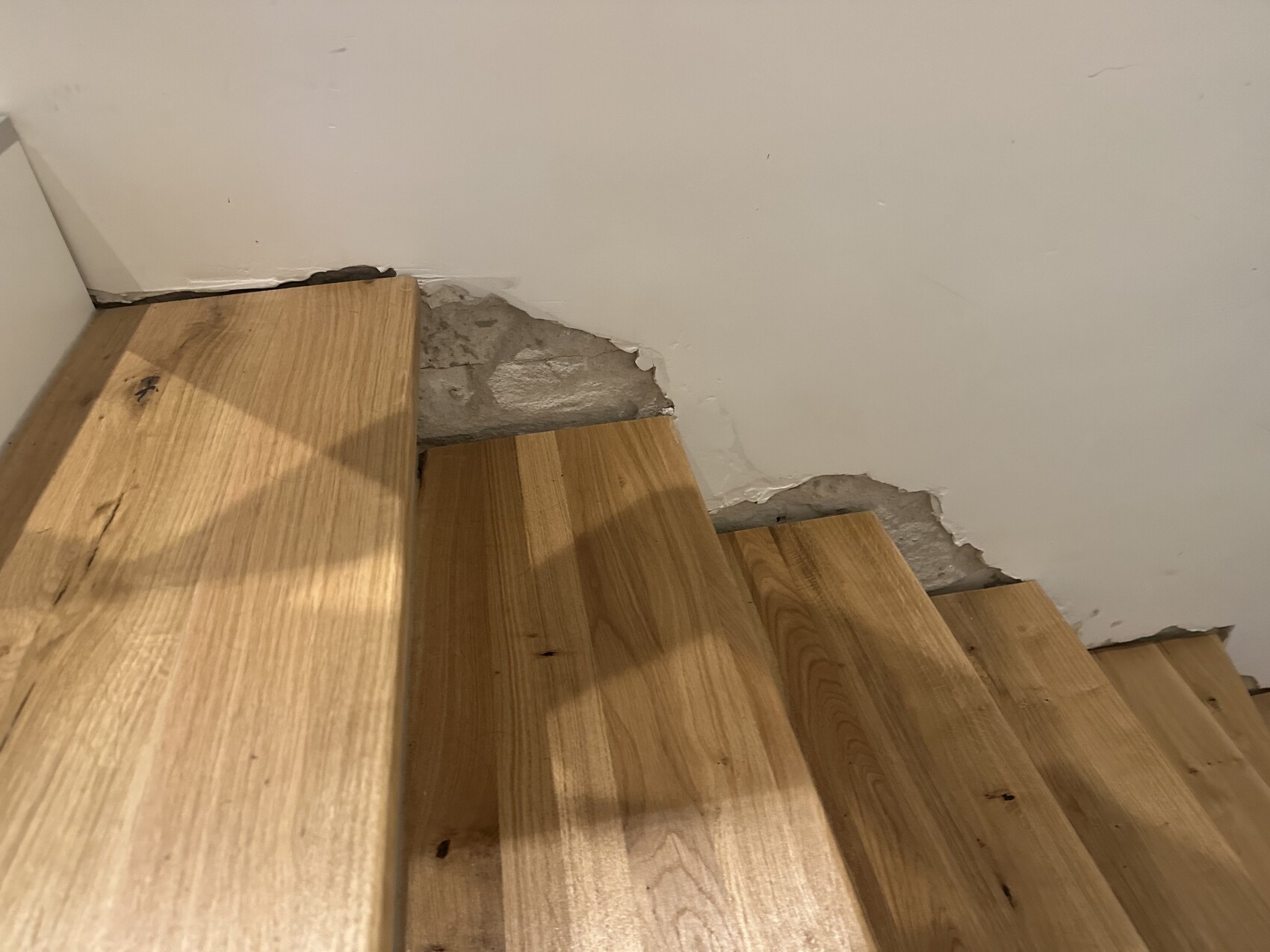
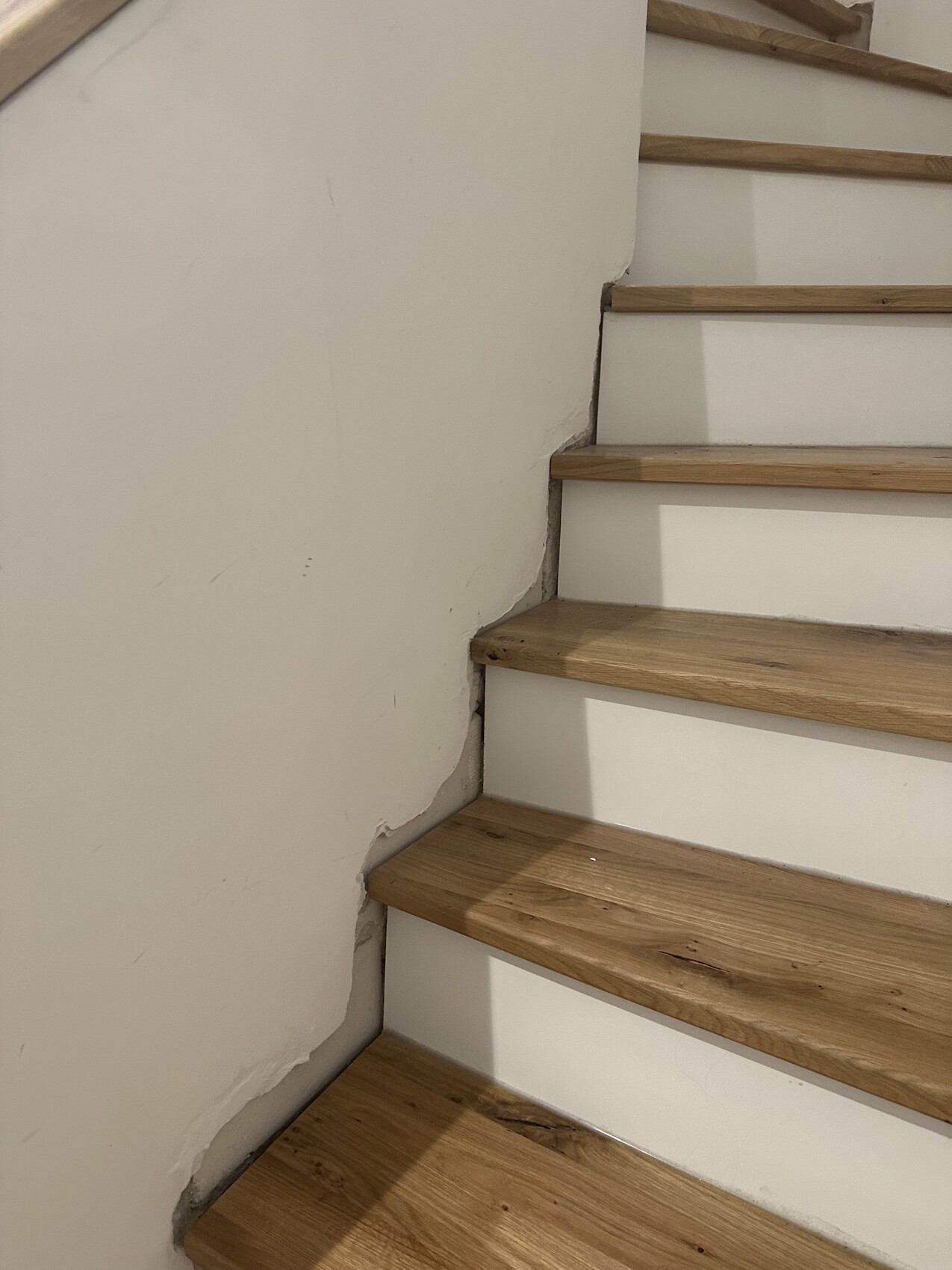
The risers are now partly embedded in the plaster. I am looking for a suitable plaster or filler that can be used for this.
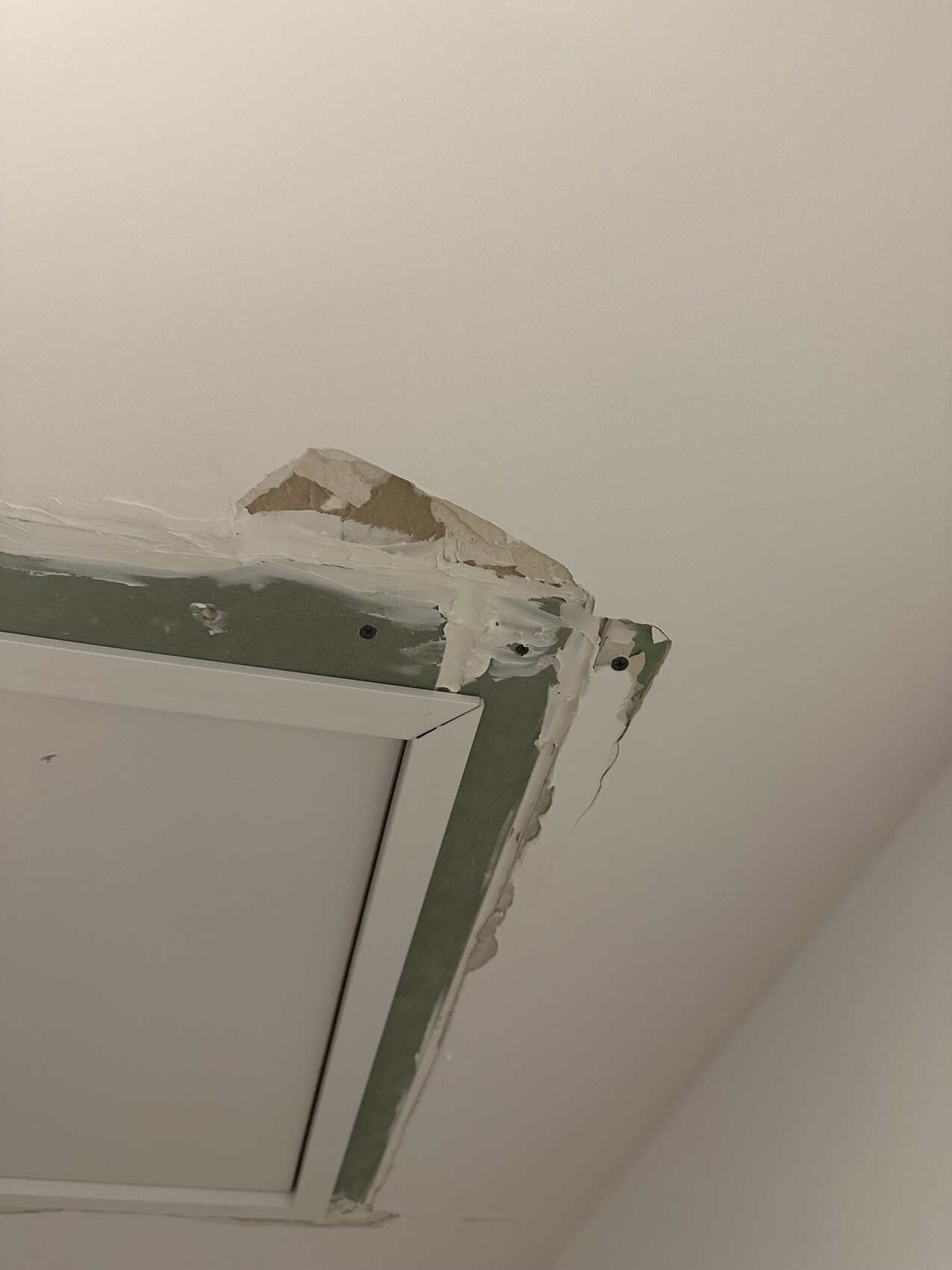
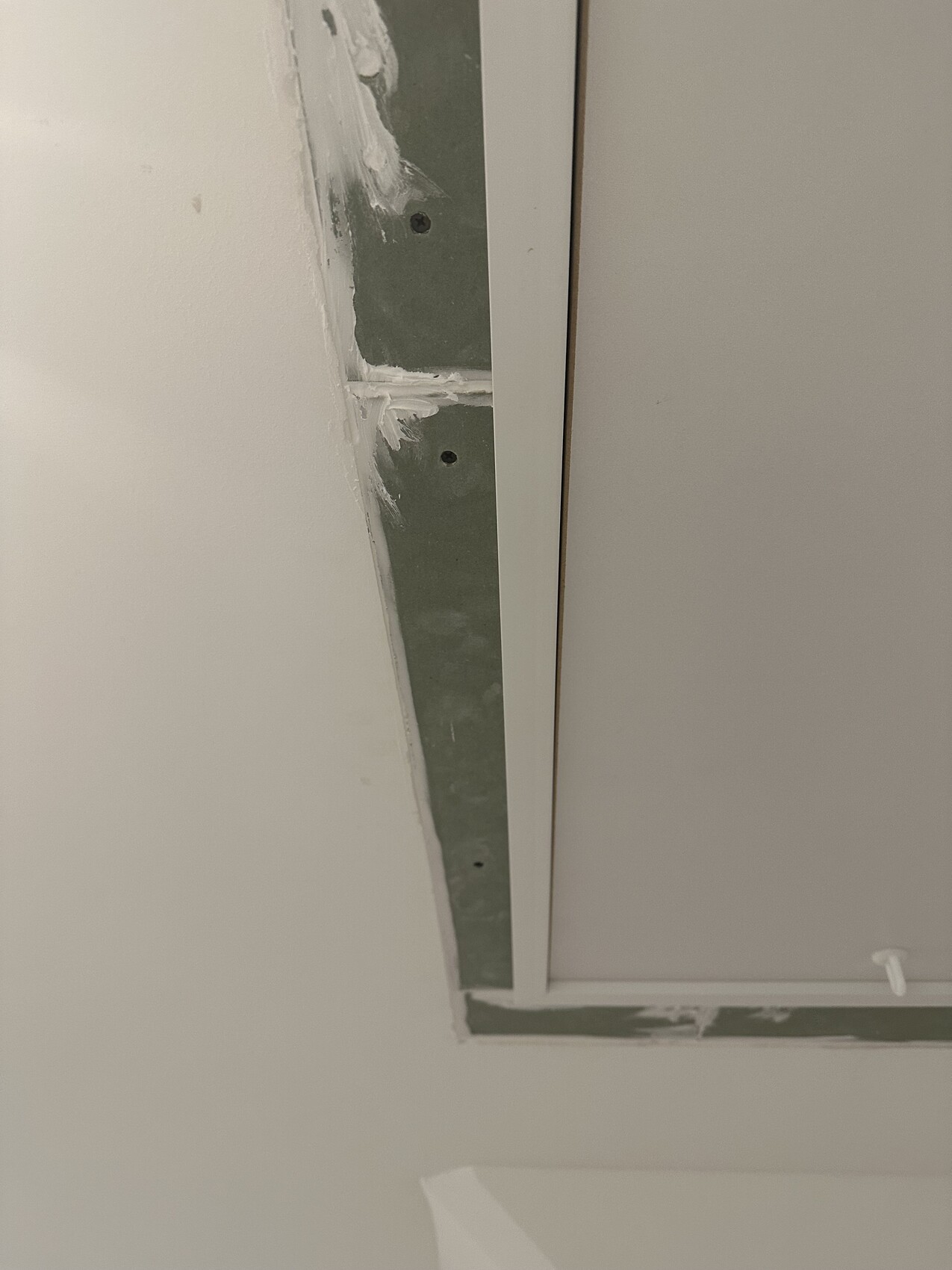
Also, the ceiling—specifically the transition from the ceiling to the floor of the attic staircase.
I took photos to help explain the situation better.
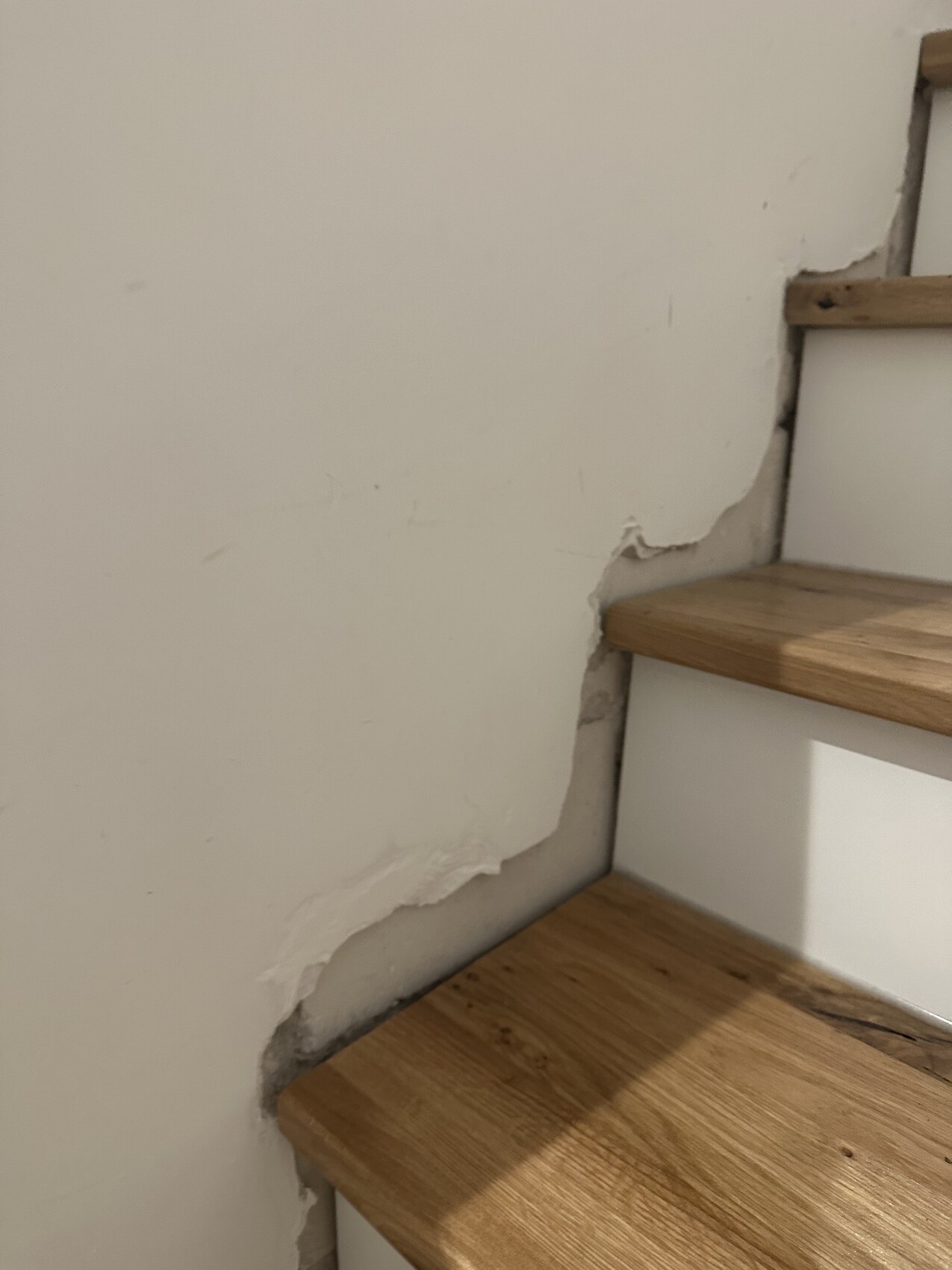
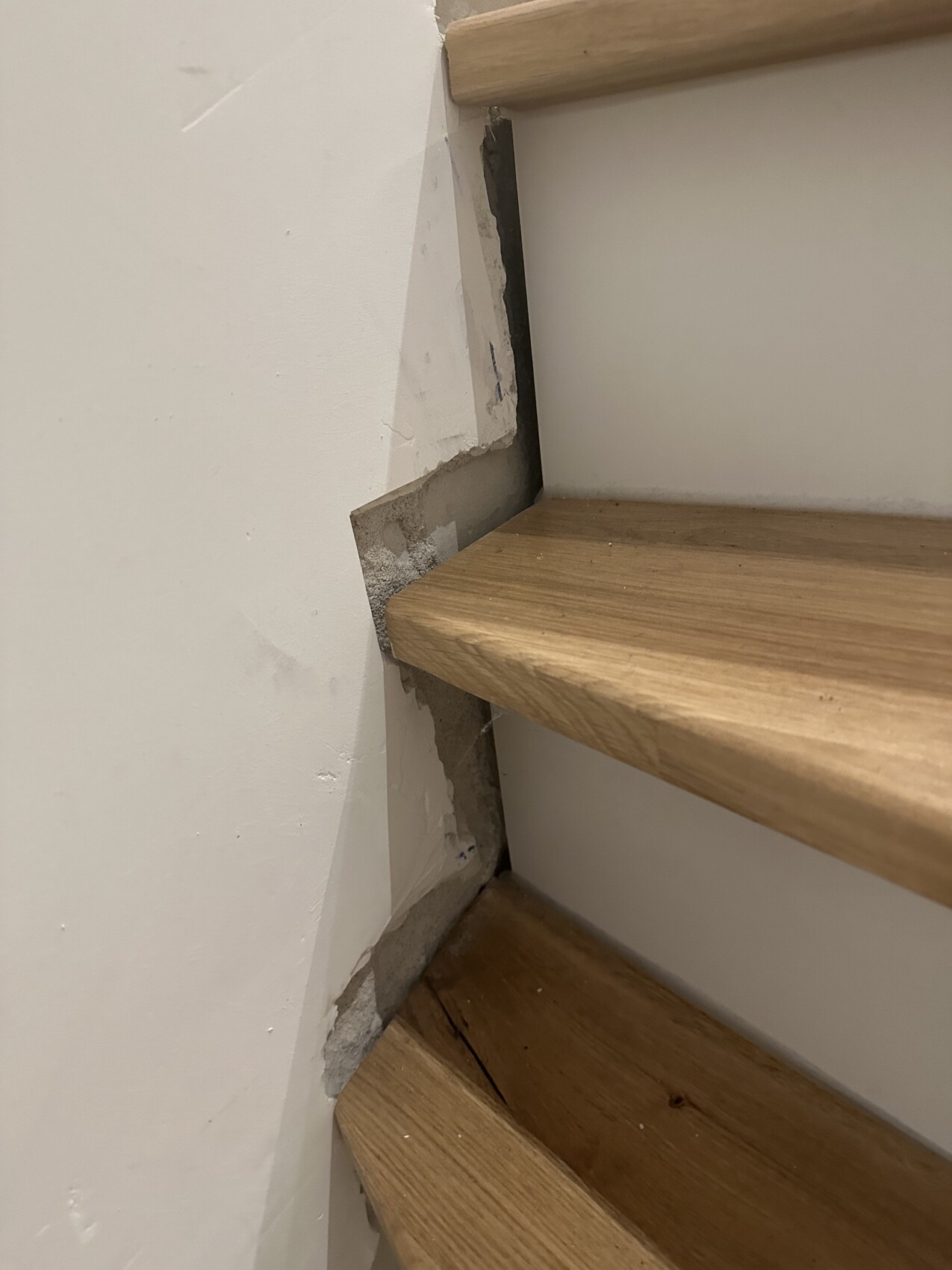
My girlfriend and I bought an old building about 10 months ago, and her father built the staircase for us.
It was a matter close to his heart, but unfortunately, he has had two strokes and is not in good health. Now I would like to finish addressing the staircase issue.
I know the installation of the risers did not go perfectly, just like the construction of the concrete staircase back in 1997. But for now, we will live with it.
The risers are now partly embedded in the plaster. I am looking for a suitable plaster or filler that can be used for this.
Also, the ceiling—specifically the transition from the ceiling to the floor of the attic staircase.
I took photos to help explain the situation better.
 bauenmk202026 Jul 2023 21:15
Phew. You could run a decorative profile (baseboard) along the contour and effectively cover the step. Then, finish plastering onto the profile. Otherwise, I would mark the plaster thickness plus extra on the steps with a pencil, remove the steps/mark the underside, and have them sanded down at a carpentry workshop. Once the steps are removed, you can plaster more easily and won’t need to tape off the steps. This way, you won’t have the same problem again later, and it might also help reduce sound transmission.
For the ceiling, I would generously cut out the area at right angles using a utility knife, remove the plaster, and apply a layer with a flat trowel. Then, use a fine trowel to feather the surface to a smooth finish, blending from the adjacent surface across the new area up to the fold-down ladder. You will likely need to repaint the area afterwards, or you could apply renovation fleece over it and paint the entire surface again. I would start this work completely from the wall/corner. With the renovation fleece, you wouldn’t need to cut out an area in advance.
ps: Wishing him a speedy recovery!
For the ceiling, I would generously cut out the area at right angles using a utility knife, remove the plaster, and apply a layer with a flat trowel. Then, use a fine trowel to feather the surface to a smooth finish, blending from the adjacent surface across the new area up to the fold-down ladder. You will likely need to repaint the area afterwards, or you could apply renovation fleece over it and paint the entire surface again. I would start this work completely from the wall/corner. With the renovation fleece, you wouldn’t need to cut out an area in advance.
ps: Wishing him a speedy recovery!
Similar topics