
Hello everyone,
Just a quick note upfront: I know that you should never rely solely on a remote diagnosis for issues like this and that professional on-site advice is necessary for any concrete measures. Nevertheless, I would appreciate some input from forum members on what direction this might be heading.
Now to the question:
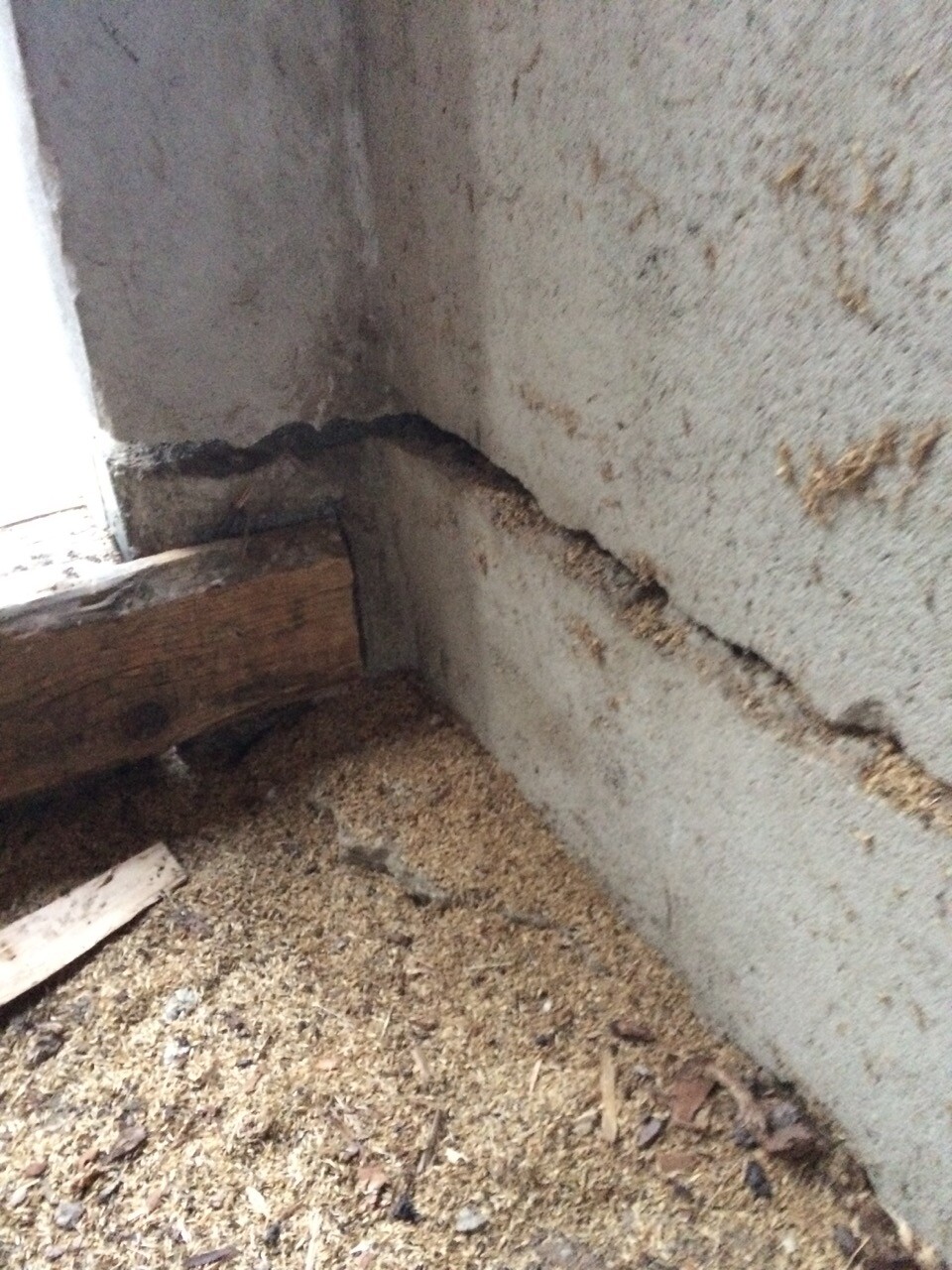
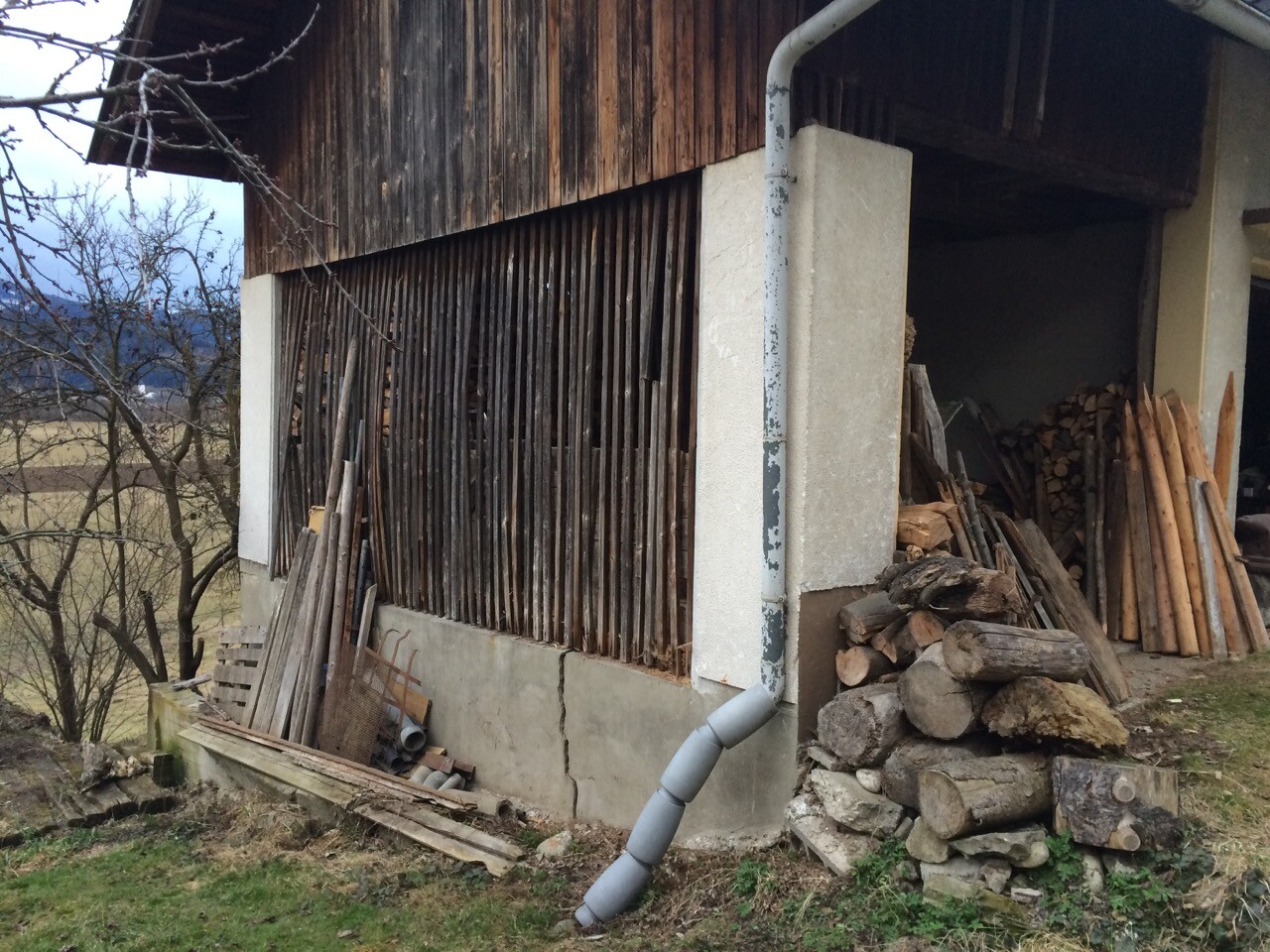
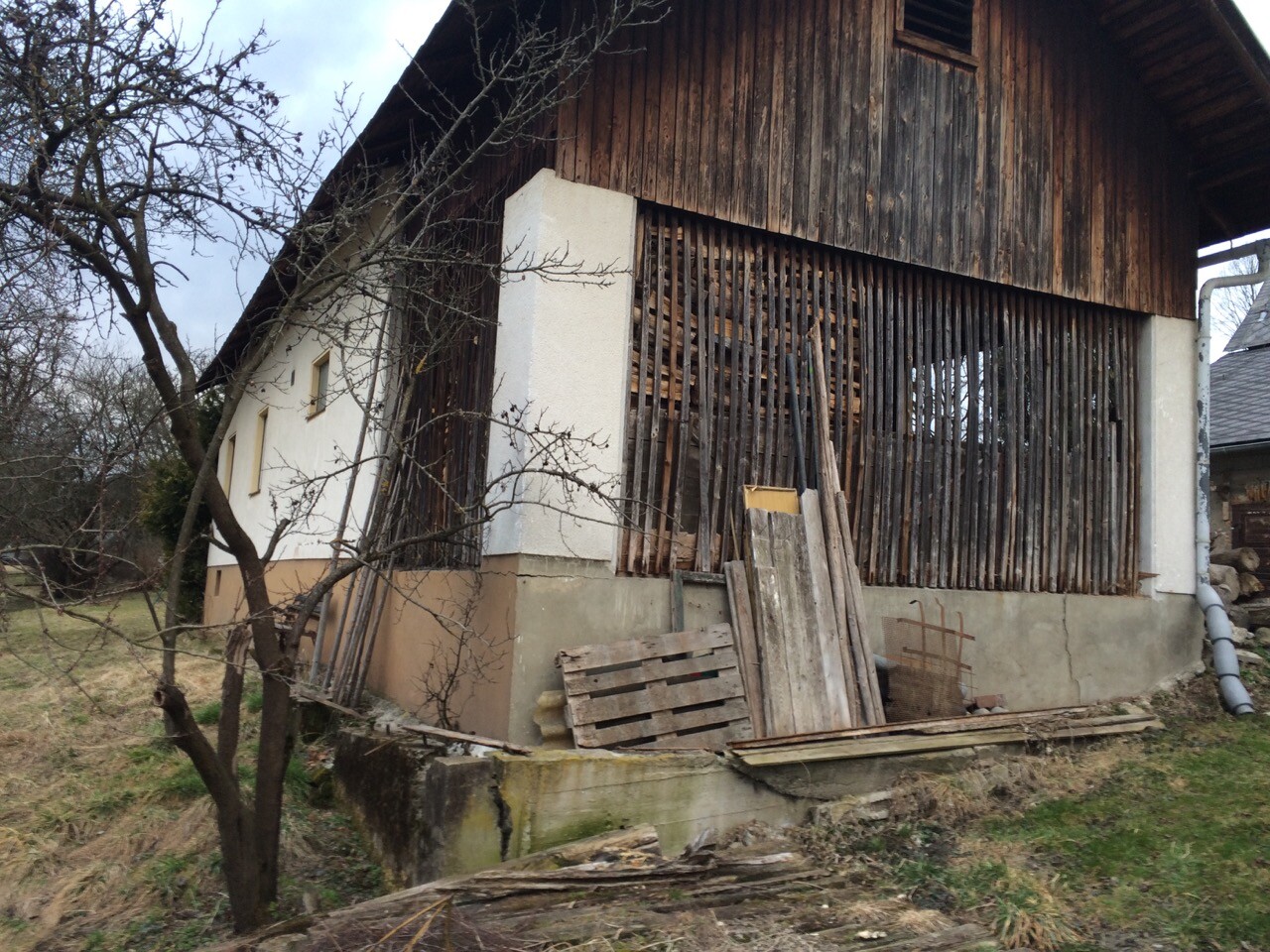
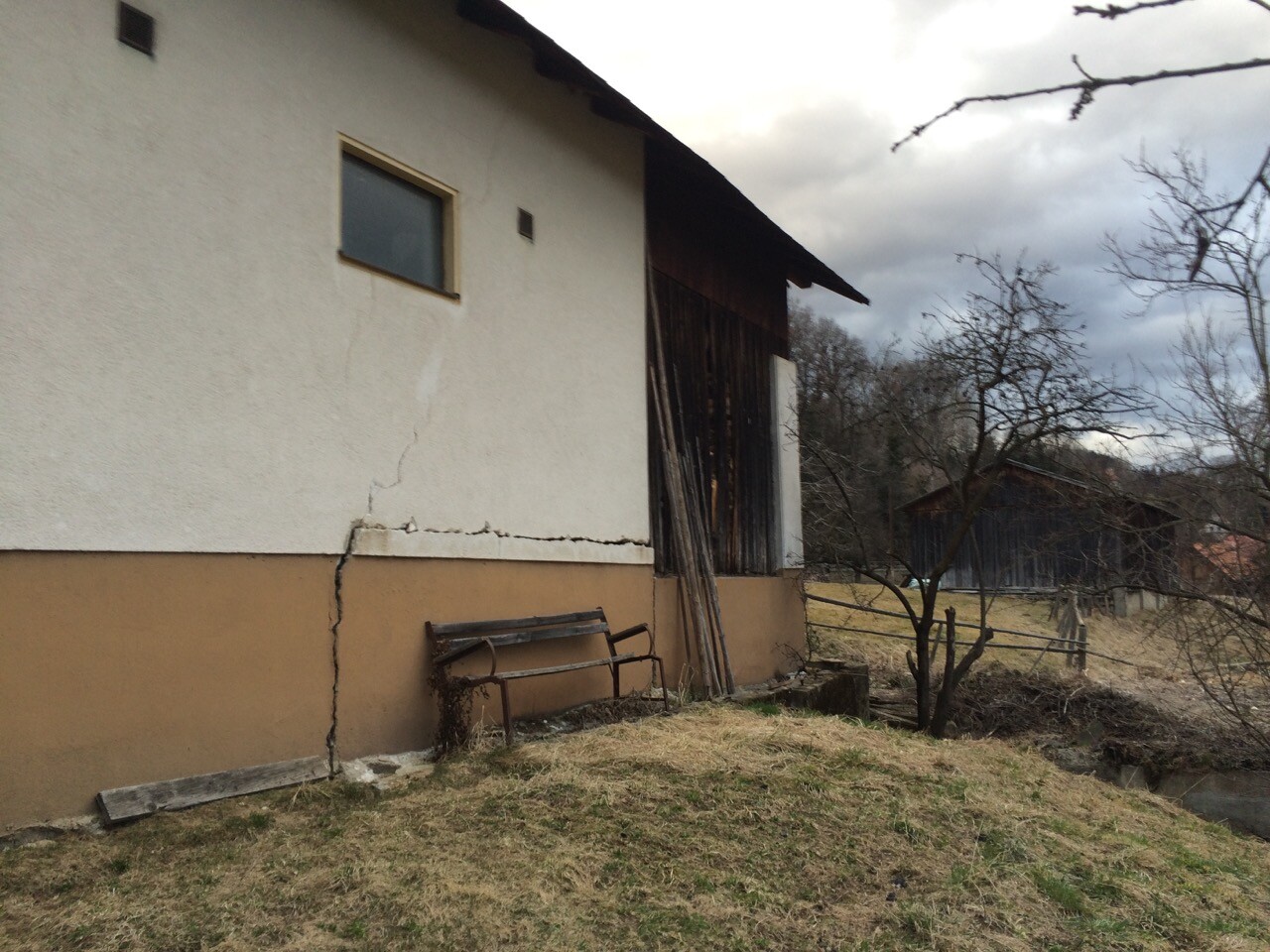
It concerns cracks in the foundation of an outbuilding from around 1960, which is used as a garage, tool and wood storage, and heating building.
The building is located on a slope and was built partly on top of an older building that had been "pushed aside" previously. So, roughly one third of the building rests on the old foundation (probably dating back to the 1920s or earlier). The other two thirds were newly basemented, and this part has remained stable until today. However, the third built on the non-basement area, partially on the old foundation, seems to be moving independently and settling downhill with the slope. The old foundation is also giving way, and it seems that reinforcement steel was probably heavily underused at the time.
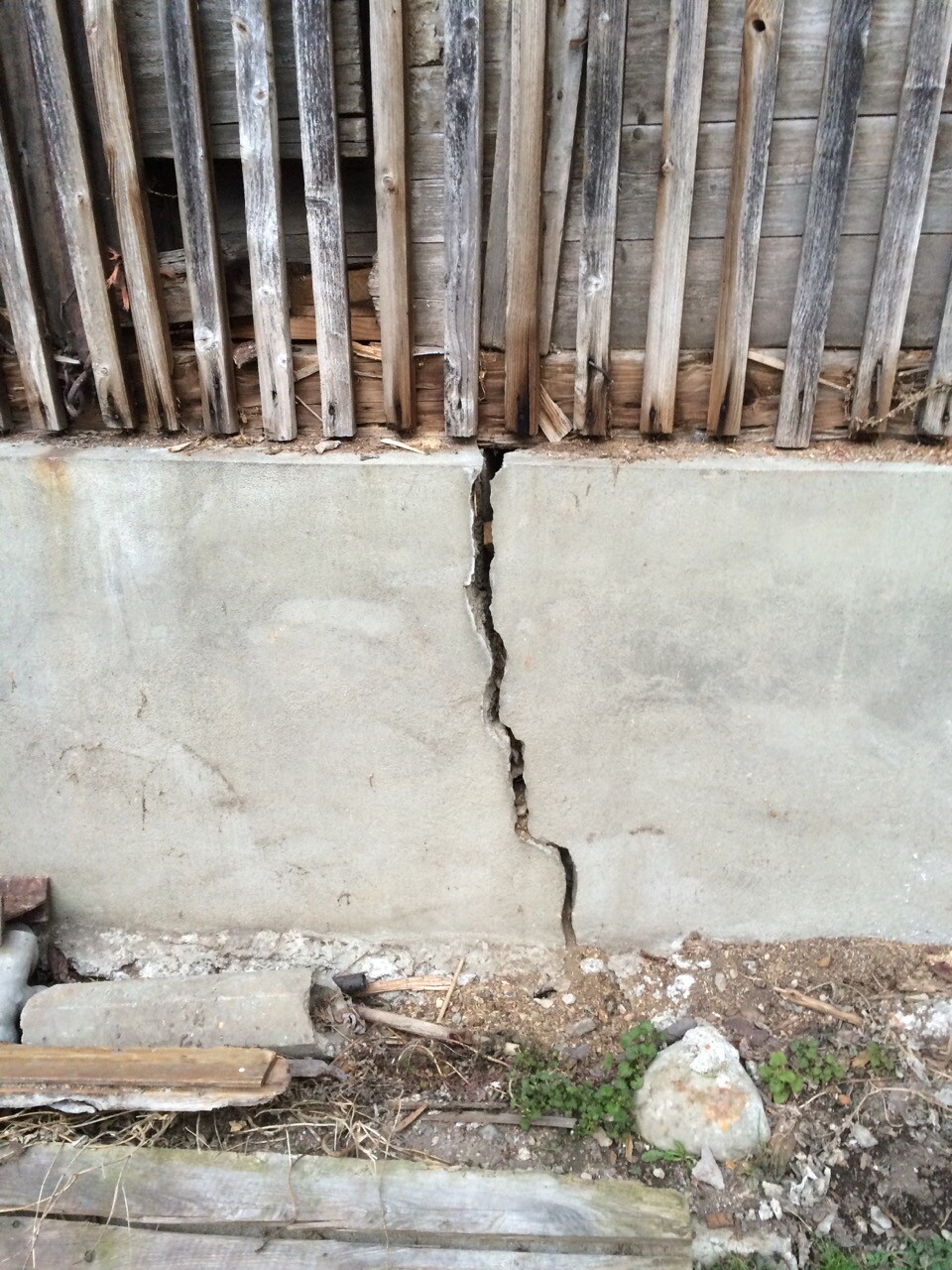
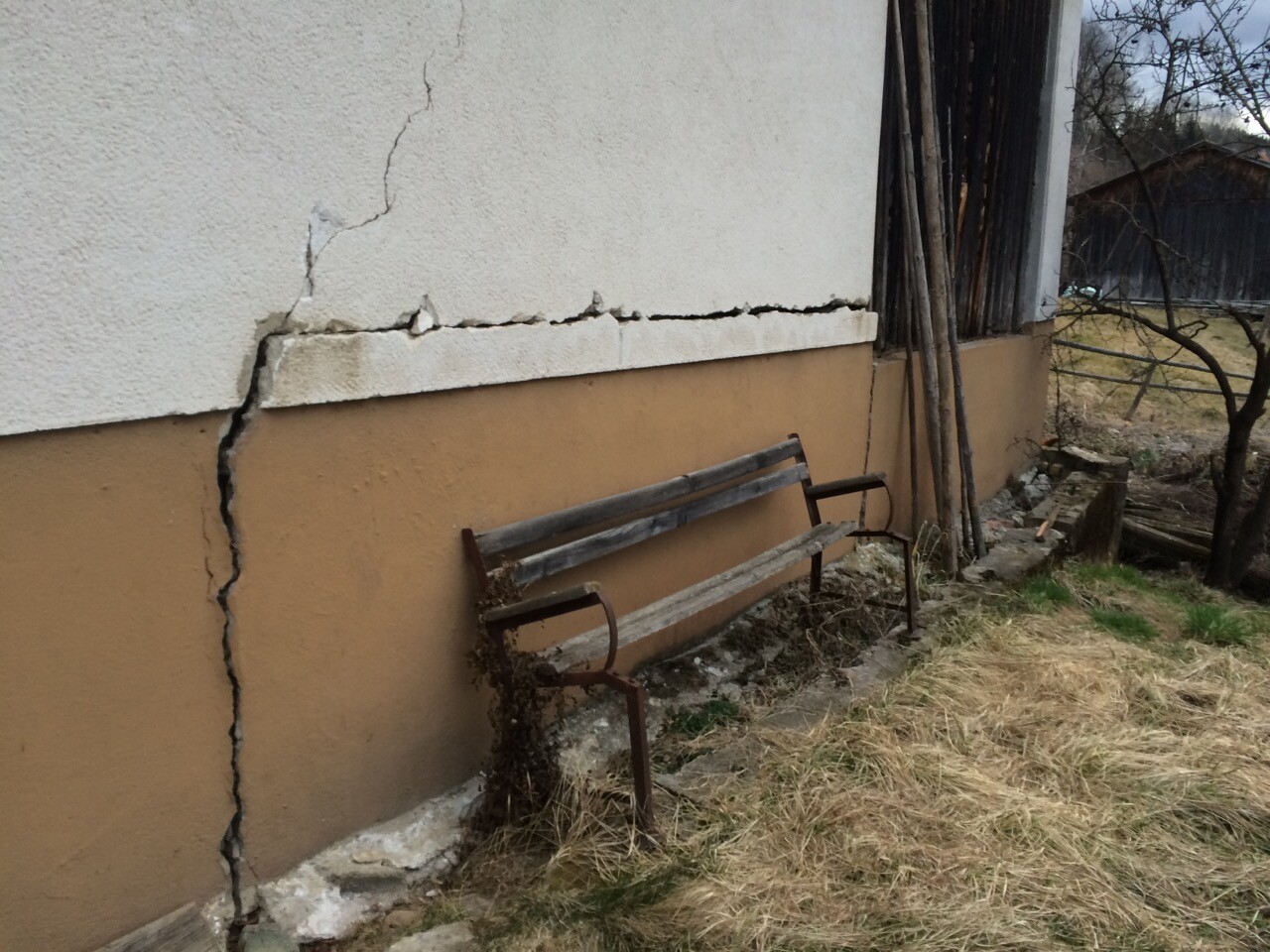
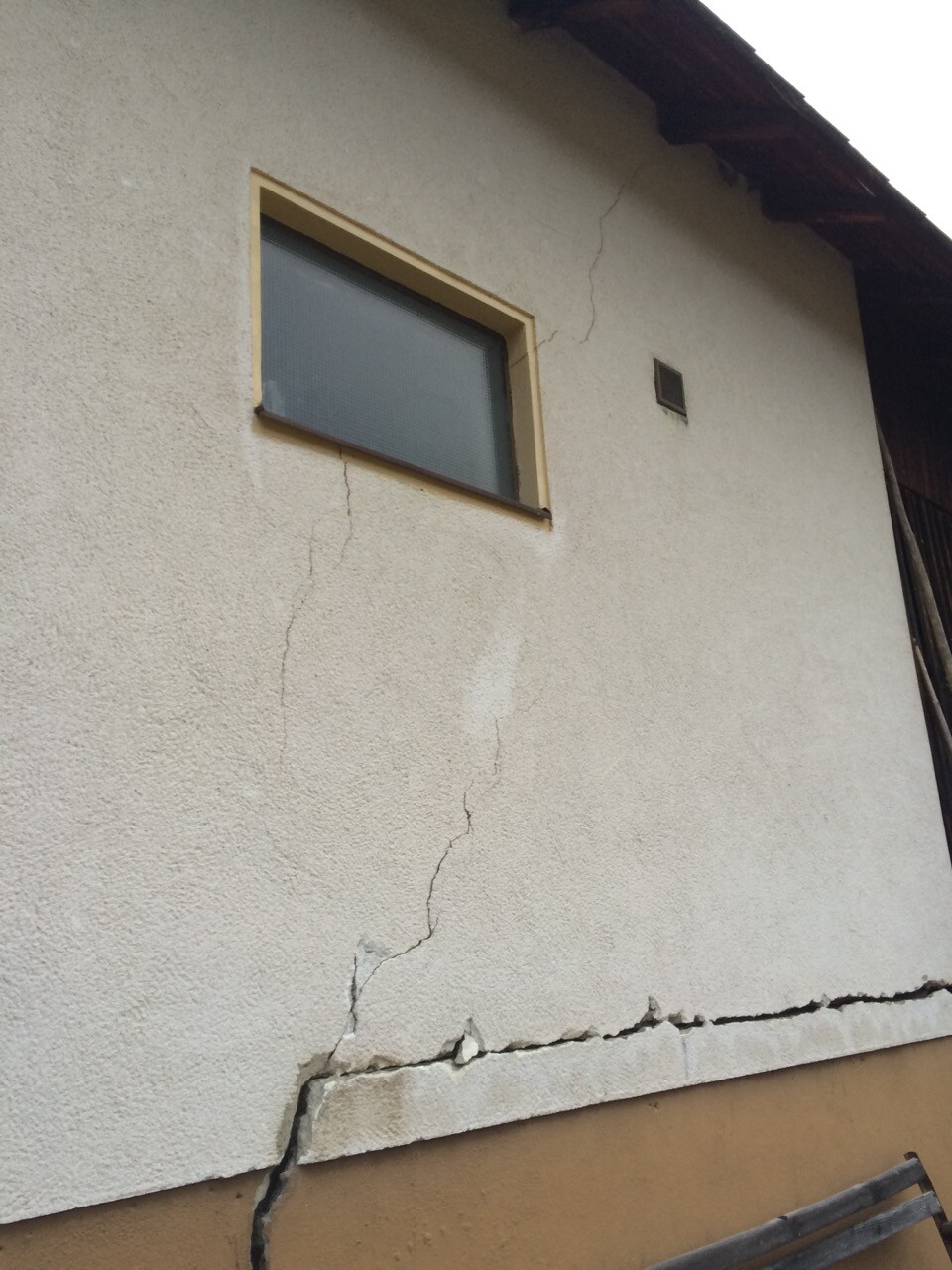
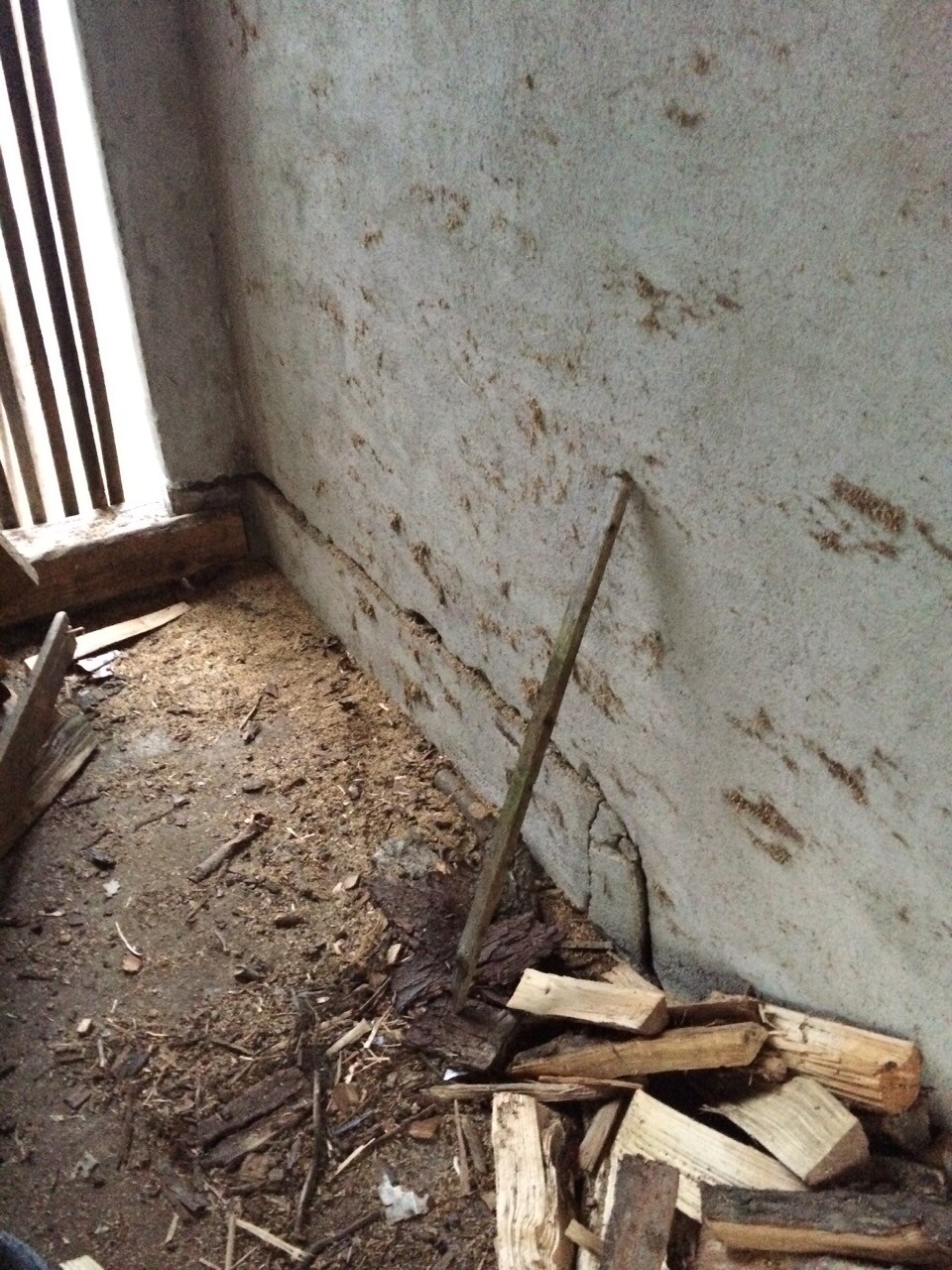
The phenomenon of cracking is not new here. Cracks between the basemented section and the part built on the old foundation have existed for at least thirty years, if not longer. However, over the last year they have noticeably grown larger, developing into visible gaps.
It is definitely time to take some action now. A builder I consulted last year for another matter casually mentioned (without really examining and just after briefly looking at the cracks) that this part of the foundation could continue to settle and that simply filling the cracks with concrete would increase stability. Somehow that sounded too simple to me. The cracks were smaller back then than they are today.
What options are generally available in such a situation?
Is pouring concrete into such cracks (or perhaps pressure-injecting it?) a viable measure? I have also heard something about special foam injections, which can even partially lift foundations — something probably only specialist companies should handle.
Would it be possible, for example, to both fill the cracks with such (concrete or foam) injections and additionally anchor the potentially drifting foundation parts together with drilled-in steel rods? Could a partial new casing or re-pouring of the old foundation on the affected half of the building also help?
This is an outbuilding, so it does not need to be a perfect residential structure. A reasonably good stabilization with the best possible cost-effectiveness is sufficient here.
Any constructive ideas and suggestions are therefore welcome.
Thank you in advance and best regards!
Just a quick note upfront: I know that you should never rely solely on a remote diagnosis for issues like this and that professional on-site advice is necessary for any concrete measures. Nevertheless, I would appreciate some input from forum members on what direction this might be heading.
Now to the question:
It concerns cracks in the foundation of an outbuilding from around 1960, which is used as a garage, tool and wood storage, and heating building.
The building is located on a slope and was built partly on top of an older building that had been "pushed aside" previously. So, roughly one third of the building rests on the old foundation (probably dating back to the 1920s or earlier). The other two thirds were newly basemented, and this part has remained stable until today. However, the third built on the non-basement area, partially on the old foundation, seems to be moving independently and settling downhill with the slope. The old foundation is also giving way, and it seems that reinforcement steel was probably heavily underused at the time.
The phenomenon of cracking is not new here. Cracks between the basemented section and the part built on the old foundation have existed for at least thirty years, if not longer. However, over the last year they have noticeably grown larger, developing into visible gaps.
It is definitely time to take some action now. A builder I consulted last year for another matter casually mentioned (without really examining and just after briefly looking at the cracks) that this part of the foundation could continue to settle and that simply filling the cracks with concrete would increase stability. Somehow that sounded too simple to me. The cracks were smaller back then than they are today.
What options are generally available in such a situation?
Is pouring concrete into such cracks (or perhaps pressure-injecting it?) a viable measure? I have also heard something about special foam injections, which can even partially lift foundations — something probably only specialist companies should handle.
Would it be possible, for example, to both fill the cracks with such (concrete or foam) injections and additionally anchor the potentially drifting foundation parts together with drilled-in steel rods? Could a partial new casing or re-pouring of the old foundation on the affected half of the building also help?
This is an outbuilding, so it does not need to be a perfect residential structure. A reasonably good stabilization with the best possible cost-effectiveness is sufficient here.
Any constructive ideas and suggestions are therefore welcome.
Thank you in advance and best regards!
B
Bau.Micha31 Mar 2016 21:42A company experienced in excavation support, foundations, underpinning, and soil anchoring is really needed here. Without an excavator and a concrete mixer, it won't work.
 Bremediana2 Dec 2016 16:16
Hello @ceterum, do you still check this building forum from time to time? I’m interested in how you ultimately resolved the issue. I’m currently considering how to deal with cracks in my own house.
Similar topics