
ᐅ Proper Base Insulation in the Entrance Area – How to Do It Correctly?
Created on: 21 Apr 2019 09:29
K
KingSong
Hello and happy Easter!
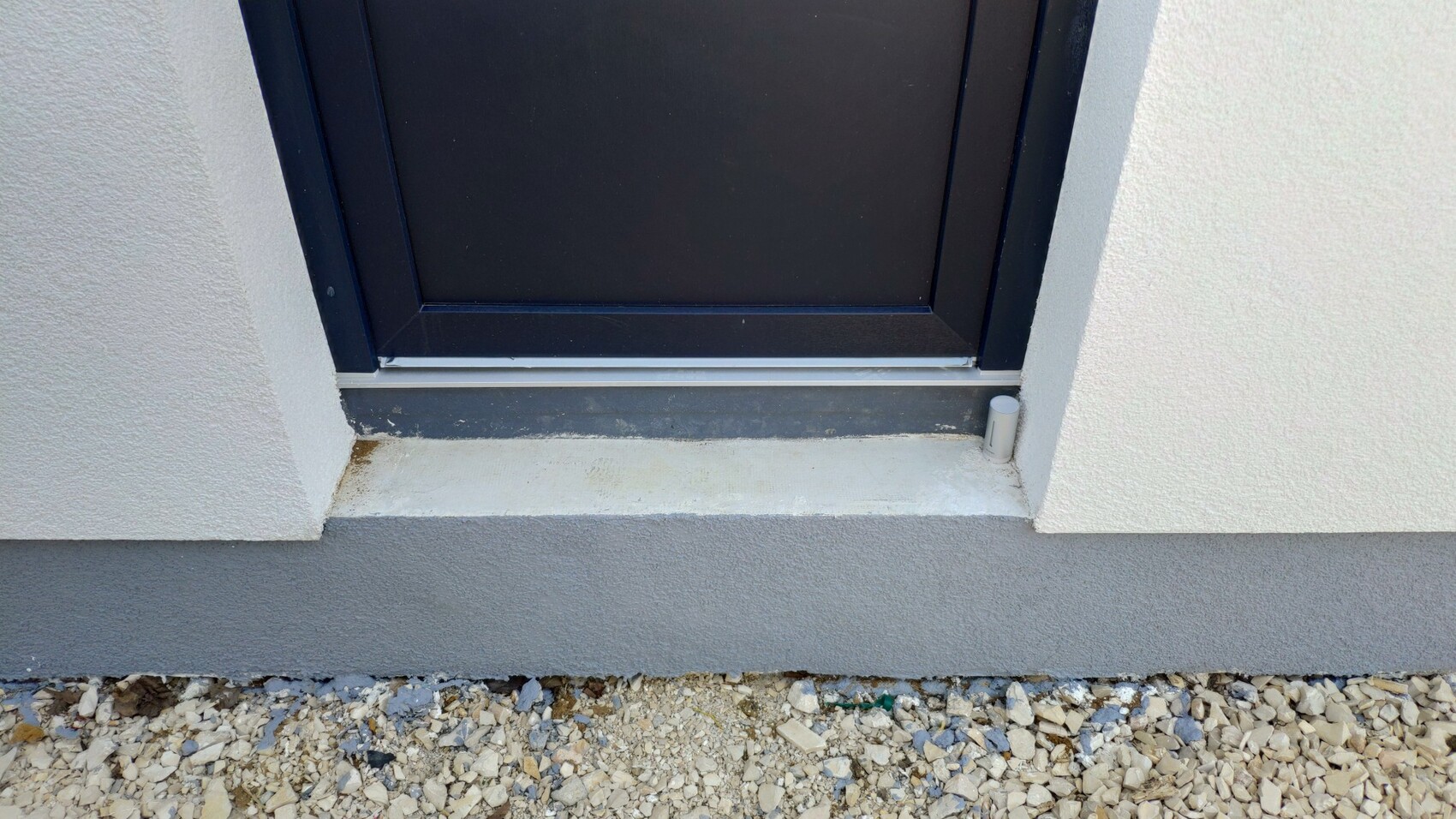
I’ve been struggling for a few days now with the issue of base insulation at the entrance area of our house. The general contractor applied 20cm (8 inches) thick base insulation continuously around all entrance and exit areas (see pictures). This insulation is far from being walkable, and the landscaper who is now going to install the paving and outdoor areas said he cannot lay paving or a terrace on it here, which sounds reasonable to me.
When I asked about this, the general contractor said I could remove the insulation in this area if I wanted, but it is actually planned that way and referred me to the BDF information sheet “Base Details 03-04.” However, the drawing in that document shows installations in the entrance area that we do not have at our place.
How should I deal with the base insulation now? Is it really a problem if I remove it near the external doors? The base area was waterproofed before the insulation was installed.
Does anyone have advice on this?
Thank you!
Here with the base insulation—you can already see the dent from people stepping on it…
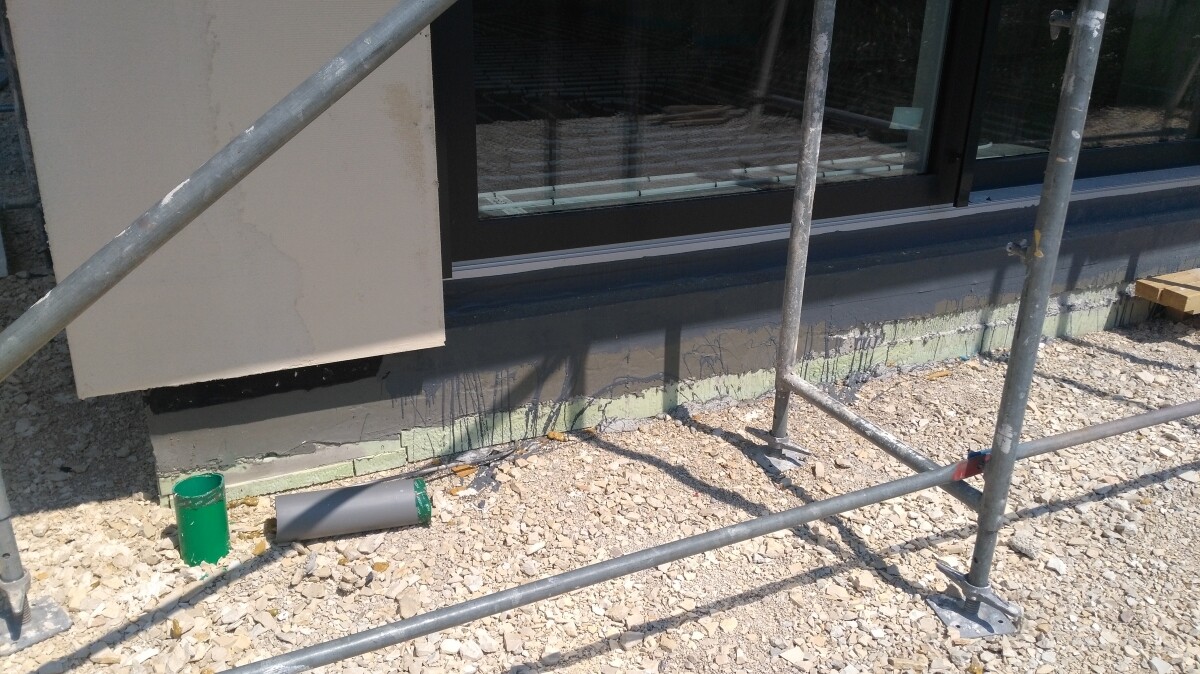
Here without base insulation (example at the terrace) with visible waterproofing:
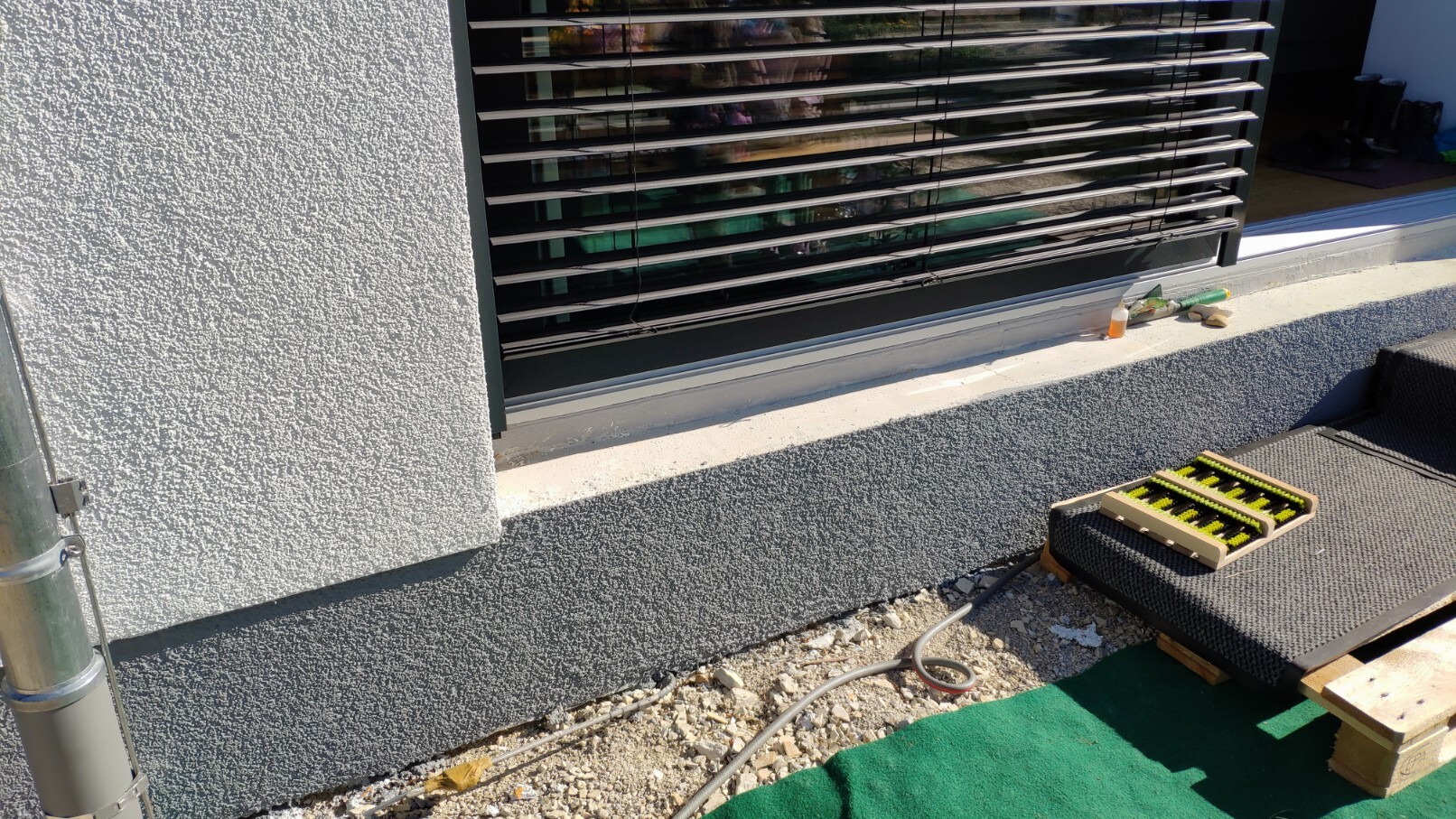
Here the terrace exit with base insulation:
I’ve been struggling for a few days now with the issue of base insulation at the entrance area of our house. The general contractor applied 20cm (8 inches) thick base insulation continuously around all entrance and exit areas (see pictures). This insulation is far from being walkable, and the landscaper who is now going to install the paving and outdoor areas said he cannot lay paving or a terrace on it here, which sounds reasonable to me.
When I asked about this, the general contractor said I could remove the insulation in this area if I wanted, but it is actually planned that way and referred me to the BDF information sheet “Base Details 03-04.” However, the drawing in that document shows installations in the entrance area that we do not have at our place.
How should I deal with the base insulation now? Is it really a problem if I remove it near the external doors? The base area was waterproofed before the insulation was installed.
Does anyone have advice on this?
Thank you!
Here with the base insulation—you can already see the dent from people stepping on it…
Here without base insulation (example at the terrace) with visible waterproofing:
Here the terrace exit with base insulation:

We commissioned our general contractor to install a terrace access with a low-profile aluminum threshold (barrier-free). They installed Styrodur insulation and sealed the area extensively. The sealant hardened to become very durable. Directly in front of it, a drainage channel was installed, then the area was backfilled. I then placed individual support points on the sealing and laid the terrace’s substructure directly next to the drainage channel again, so the load is not too great.
How to proceed when applying soft insulation on top of the sealing should be something a specialist from the house building company can advise on. The landscape gardener may not have the necessary expertise in this area.
How to proceed when applying soft insulation on top of the sealing should be something a specialist from the house building company can advise on. The landscape gardener may not have the necessary expertise in this area.
KingSong schrieb:
But seriously, what do you do in this case? The general contractor doesn’t care, and I don’t know the correct way to do it. Do you know how it’s done?From the pictures, it looks like you still have about 10cm (4 inches) left, which should be enough to cover with mortar and the patio slabs. The insulation isn’t just hanging in the air, and XPS (which it looks like) can easily support that.
At the terrace, the general contractor installed window sills into the doors with insulation underneath. It is wheelchair accessible.
At the front door, the insulation was not bonded; we are supposed to cut out as much as needed for the paving and then reseal the area with bitumen coating.
At the front door, the insulation was not bonded; we are supposed to cut out as much as needed for the paving and then reseal the area with bitumen coating.

Hello,
Steel boxes were installed at our patio doors for sealing purposes. See the picture.
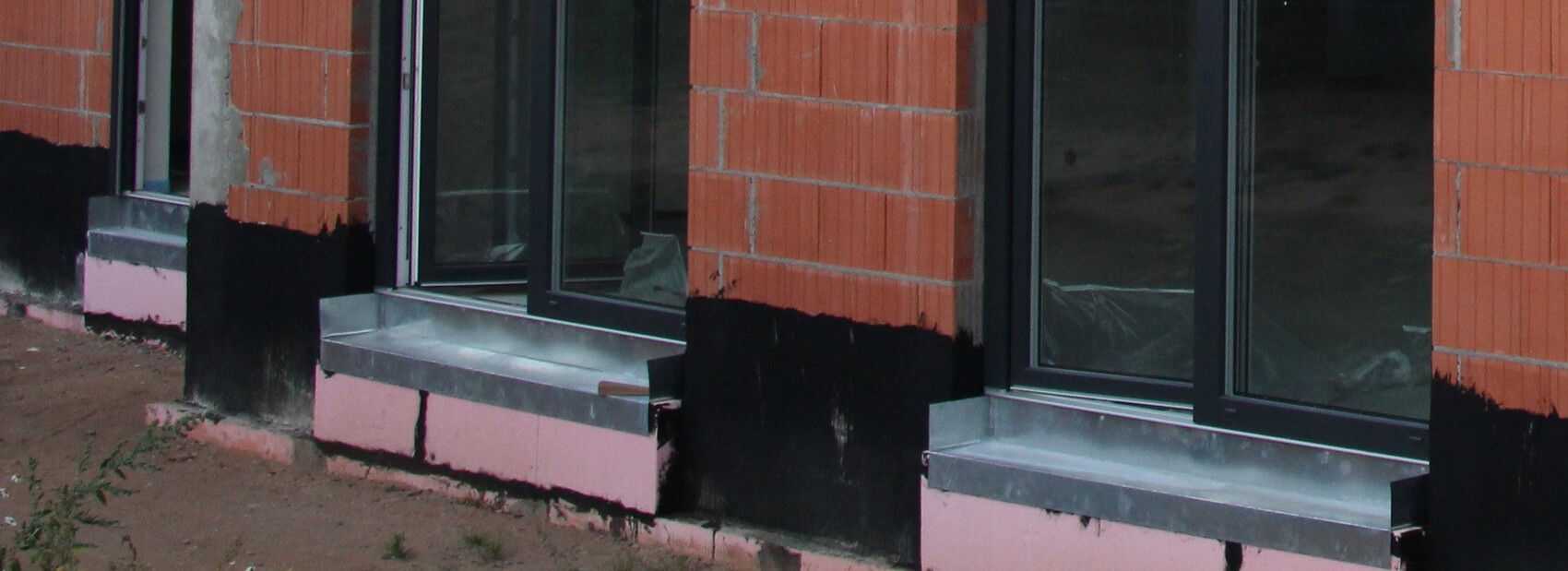
Today, the drainage channels sit inside these boxes, laid in a gravel bed.
At our front door, there is no such steel box installed (Hmm... I wonder why not?) The entrance platform is covered with large granite slabs, and the last 10 cm (4 inches) at the front door do not rest on insulation but are floating.
Best regards,
Andreas
Steel boxes were installed at our patio doors for sealing purposes. See the picture.
Today, the drainage channels sit inside these boxes, laid in a gravel bed.
At our front door, there is no such steel box installed (Hmm... I wonder why not?) The entrance platform is covered with large granite slabs, and the last 10 cm (4 inches) at the front door do not rest on insulation but are floating.
Best regards,
Andreas

Lumpi_LE schrieb:
In the pictures, it looks like you still have 10cm (4 inches) left, which should be enough to apply mortar and lay the patio slabs on top. The insulation isn’t hanging in mid-air, and XPS (it looks like that) can easily support it.Okay, maybe the photos of the patio unintentionally redirected the topic. Let’s leave the patio aside for now—the main entrance door looks the same. Yes, there are 10cm (4 inches) between the insulation and the door threshold. That would be enough for a gravel bed and paving, but the base insulation is actually hanging in the air because it doesn’t reach all the way to the ground. This insulation can’t support anything if I can already push it in with my thumb… frankly, I can’t imagine how to solve this except by completely cutting out the base insulation in that area.
I wouldn’t place too much emphasis on pressing in with your thumb; you can do that with insulation under the slab as well, and the entire house rests on top of it. You will also backfill and compact underneath the insulation, preferably with concrete. You can simply pave over it afterward. Unless there is something really problematic that can’t be determined from the pictures, this shouldn’t be an issue. The waterproofing must, of course, be properly done—that is much more important.
Similar topics